


The Australasian Society of Clinical Immunology and Allergy says that around 20% of Australians are affected by allergies.
This could range from one with minor symptoms to one that could cause life-threatening anaphylaxis.
Read this post to find out more about the different types of allergic reactions and their triggers, symptoms and treatment.
What is an allergic reaction?
An allergic reaction is what happens when your immune system reacts to something that is usually harmless (an allergen).
The reaction could take the form of a minor rash, or it may trigger anaphylaxis — a life-threatening reaction that can cause difficulty breathing and even death.
What can trigger an allergic reaction?
There are many substances that can cause an allergic reaction, including:
- Food, such as nuts, eggs or wheat
- Pollen
- Plants, such as chrysanthemums and tomato plants
- Mould
- Dust mites
- Dander (skin flakes) from your pet
- Insect bites or stings, such as a mosquito or spider bite
- Medication such as aspirin or penicillin
Symptoms of mild to moderate allergic reaction
Symptoms of a mild to moderate allergic reaction include:
- Rash
- Hives or other redness on the skin
- Itchiness
- Allergic rhinitis (also known as hayfever), which can include sneezing and nasal congestion
- Sore throat
- Streaming or itchy eyes
- Tingling mouth
- Swelling of the face, eyes or tongue
- Vomiting, diarrhoea or abdominal pain
Symptoms of a severe allergic reaction
In addition to any of the symptoms above, a severe allergic reaction may include:
- Chest pain or tightening
- Wheezing
- Palpitations
- Difficulty swallowing, breathing or talking
- Anxiety
- Skin flushing
- Dizziness
- In young children, floppiness and pallor
- Unconsciousness
What is anaphylaxis?
A severe allergic reaction that comes on suddenly is referred to as anaphylaxis. It’s important to recognise, as it can happen only a few seconds after allergen exposure.
The symptoms are usually life-threatening and include:
- A sudden drop in blood pressure
- Swelling of the airway
- Inability to breathe
How to prepare yourself for allergic reactions
If you or a loved one has an allergy, you can manage it successfully with some careful planning and lifestyle changes.
If you have a known food allergy, for example, you can:
- Read labels when food shopping
- Have your own cooking utensils, crockery and cutlery if you share a kitchen
- Check with your server when ordering food in restaurants whether your chosen dish contains allergens
- Wear a medical ID bracelet
If you suffer from hayfever, you can take the following steps in pollen season:
- Stay indoors when the pollen count is high
- Keep windows closed
- Wear sunglasses outside
- Wash your eyes when you return from being outside
- Talk to your doctor about medications such as antihistamines that can ease symptoms
If you have a severe allergy that could result in anaphylaxis, it’s essential that you have an allergic reactions action plan so that you or the people around you know what to do.
You should also carry an adrenaline auto-injector, such as an EpiPen, and know how to use it. Make sure teachers, colleagues and peers also know what to do to administer your or your child’s injector in an emergency.
You can also wear a medical alert bracelet clearly stating the risk of anaphylaxis.
How to treat an allergic reaction
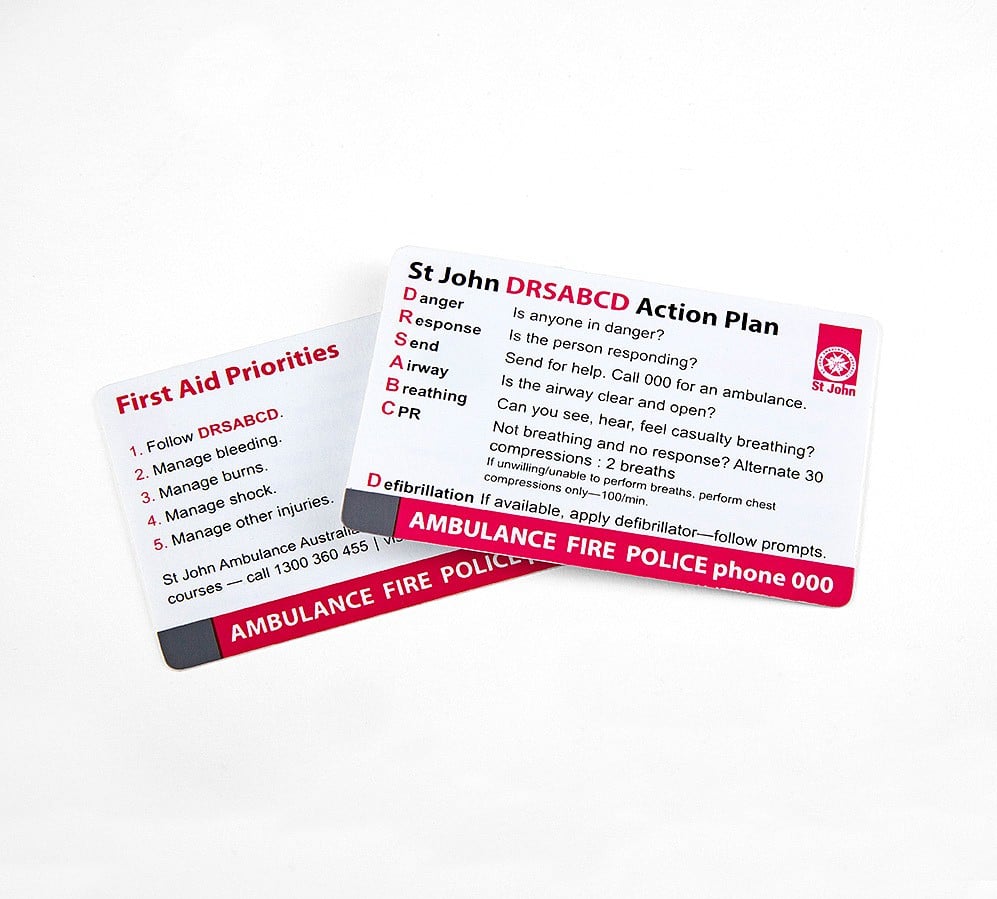
For a severe allergic reaction, you should start by following DRSABCD, a procedure to help you treat medical emergencies.
DRSABCD stands for Danger, Response, Send for help, Airway, Breathing, CPR, Defibrillation.
- For the first step in DRSABCD, get the patient out of danger by helping them to sit or lie down
- Respond to their symptoms. In the case of severe allergic reaction or anaphylaxis, this will be administering their auto-injector if they are unable to do so
To administer an EpiPen injection:
- Hold the pen and remove the blue safety release
- Steady the patient’s leg and put the orange end against their outer mid-thigh, whether it’s clothed or bare
- Press down until you hear or feel a click, then hold the pen in place for 3 seconds
- Remove the pen
- Next, send for help by calling triple zero (000) for an ambulance
- Monitor the patient’s airway and breathing
- If their condition does not improve after 5 minutes, use another auto-injector if available
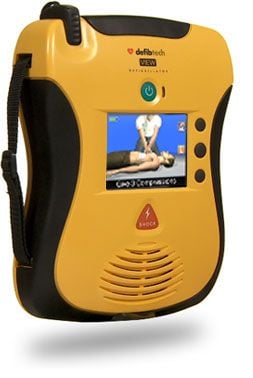
- You may need to perform CPR or use a defibrillator before medical help arrives. If you are on the phone with the emergency service, they can tell you what to do.
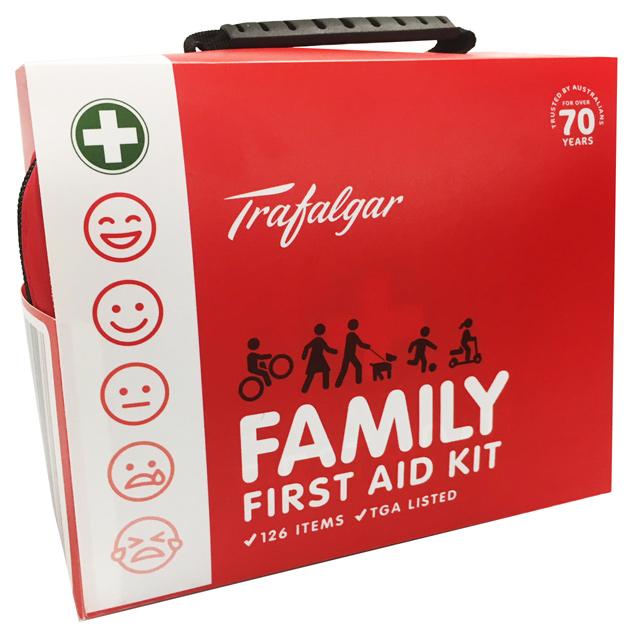
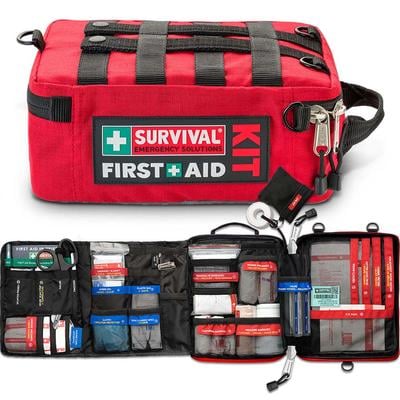
Many symptoms of mild to moderate allergic reactions can be treated with the contents of first aid kits.
For example, ice packs can treat swelling, antiseptic cream can soothe allergic rashes, and some first aid kits may also contain a spider bite kit.
Keep a first aid kit in your workplace or at home so you always have it to hand when an allergic reaction strikes.
It’s also good to do a first aid course to know what to do to treat someone with a mild, moderate or even severe allergic reaction.
Dealing with allergies confidently
If you or your child has a diagnosed or suspected allergy, make sure you consult with your doctor about how to manage and treat it.
This will involve creating an action plan so that you feel confident about what to do when you get allergic symptoms.
You can also be fully prepared by having a first aid kit available in your home, vehicle or workplace…so browse the MediBC collection as your next step in dealing with allergies confidently.
Allergy & Anaphylaxis First Aid Essentials
Family kits, AEDs, and quick-reference guides to support someone in anaphylaxis until paramedics arrive.