


Reviewed by the Medibc First Aid Team — last updated May 2026.
Looking to buy rather than check the rules? See our defibrillator buying guide for models, prices and how to choose.
AED stands for Automatic External Defibrillator. An AED is found in a public place and is designed to be used by the public. It is used to give a person an electric shock if they have a sudden cardiac arrest and their heart stops. In this article, we will call it a defibrillator. We will look at what a defibrillator is, explain why you need to use it straight away, and give you the facts about defibrillator use in Australia.
Why Every Workplace Needs a Defibrillator
If somebody suffers a sudden cardiac arrest, a defibrillator can save their life. Cardiac arrest is an electrical problem of the heart. Among other things, a cardiac arrest can be caused by an electric shock, an allergic reaction, choking, poisoning, drowning, trauma or an accident, or poor heart health. Whether you are young, old, fit or unwell, you could have a cardiac arrest. If you are treated with a defibrillator within a few minutes of a sudden cardiac arrest, you are 70 per cent more likely to survive.
Here are some alarming facts about cardiac arrest:
- More than 30,000 Australians suffer cardiac arrest every year.
- Sudden cardiac arrest is one of the leading causes of death in Australia.
- There is no way to know whether someone in a workplace will have a cardiac arrest.
- If you live in a city in Australia and you call an ambulance, it can take, on average, 16 minutes to arrive.
- If a person has a sudden cardiac arrest and they are not given CPR or treated with a defibrillator, they are likely to die in less than 13 minutes.
- If someone has a cardiac arrest and they are not in the hospital at the time, they have less than one in 10 chance of surviving.
- If a person has a sudden cardiac arrest and there is no defibrillator, their chance of survival goes down by 10 per cent for every minute that goes by.
However, there is no law to say that a place must have a defibrillator; for workplaces, it is up to the employer whether or not to have one.
What is a Defibrillator?
When someone has a sudden cardiac arrest, their heart can stop pumping. A defibrillator uses electricity to re-start the heart or to give the person a shock to help the rhythm go back to normal. Then, the heart can pump in the right way again. The setting on a defibrillator cannot be changed so you can’t give too much of a shock. If the person does not need a shock, the defibrillator will not work. If someone tries to treat a person and they do not survive, they will not get in trouble. The Good Samaritan Act acknowledges they are not to blame.
How to Use a Defibrillator
You use a defibrillator when you need to do CPR. In this case, the person will be unconscious and not breathing normally. Call 000 immediately and turn on the AED.
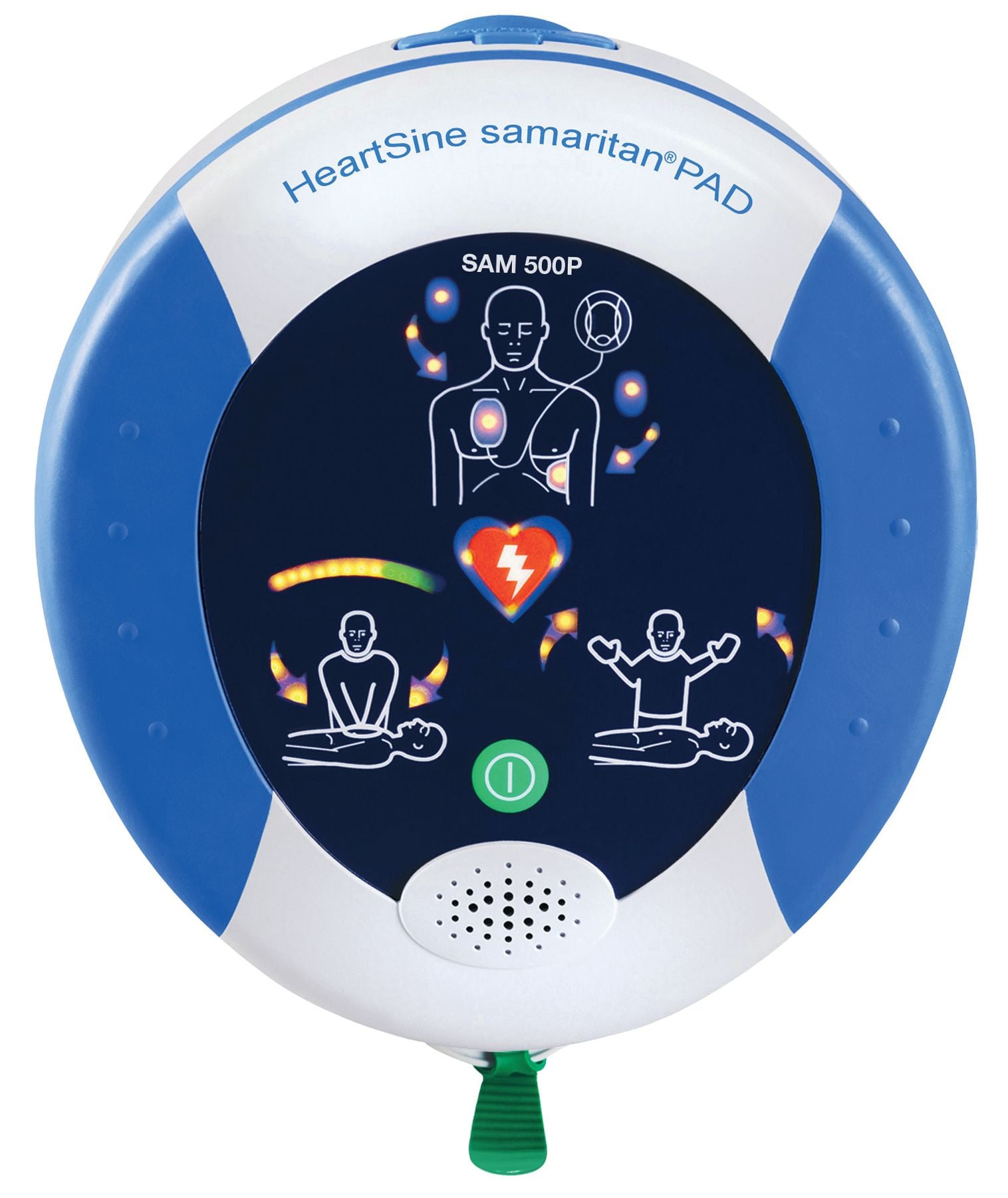
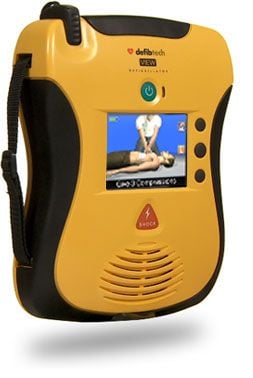
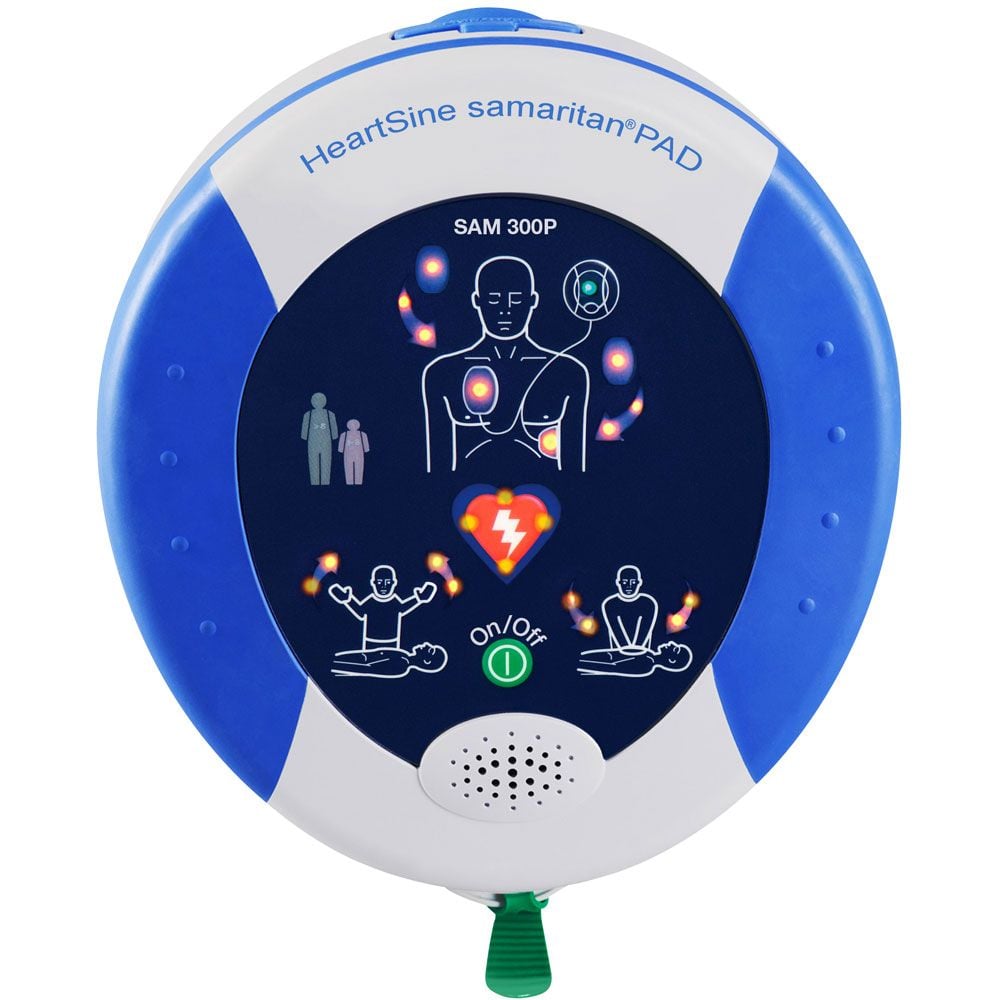
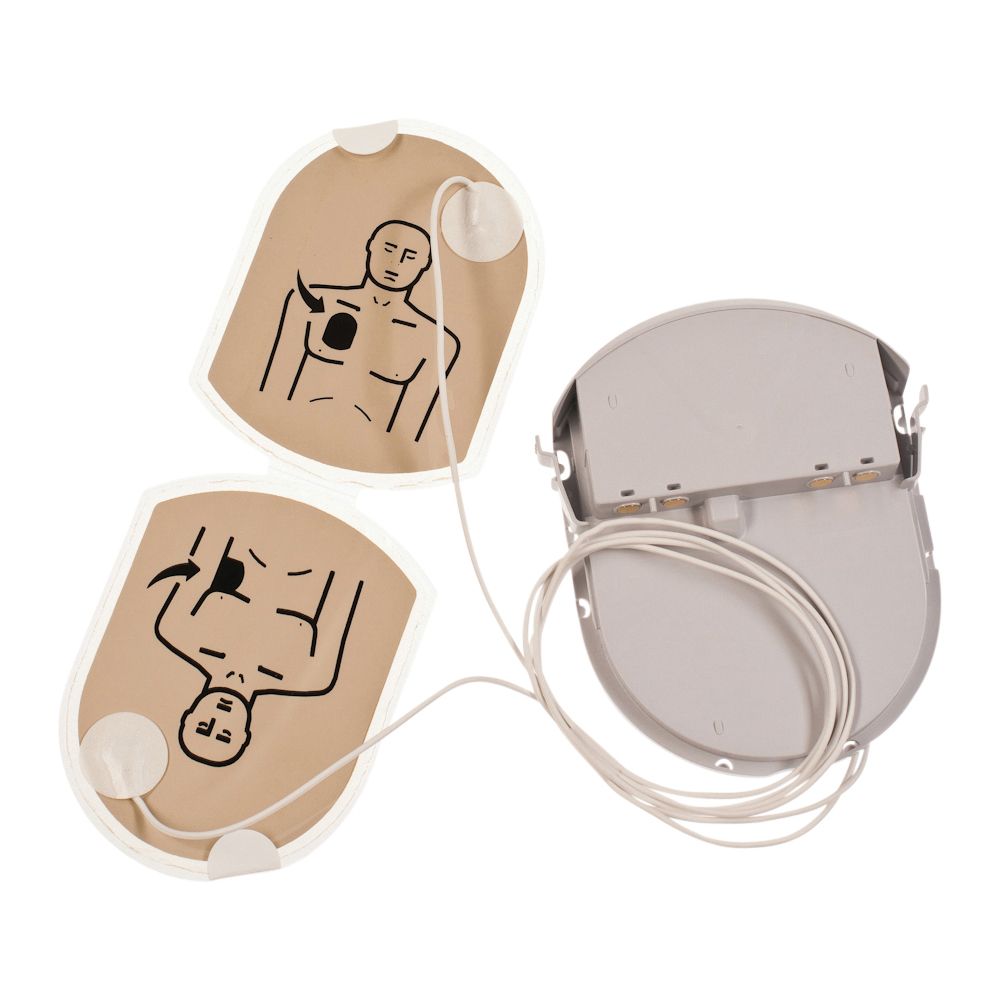
As soon as you turn the defibrillator on, it will start talking to you and take you through what you need to do, step by step. A defibrillator has electrodes, and you stick these to the person’s chest. The electrodes have sensors in them. It will take five to 10 seconds for the defibrillator to analyse the heart’s rhythm and to charge up.
The defibrillator will only give a shock if the electrodes pick up an abnormal heart rhythm. If possible, wear latex gloves, so you are less likely to get a shock, but you should only feel a slight tingle in any case. Many first aid kits like the ones from medibc.com contain latex gloves. The AED will carry on monitoring the person’s heart. If their heart stops again, it will give them another shock.
First Aid at Work
You should always have a well-stocked first aid kit at work. You should also have a trained first aider or team or first aiders. The Safe Work Australia Code of Practice tells you how many people in a workplace should be first aid trained. This will depend on the type of work, the size and location of the workplace, how many people work there, and how hazardous the workplace is. Most first aid courses will talk about defibrillators, and first aid staff will need to attend a CPR refresher course every year. For these reasons, it’s best if your first aiders are the people that use the defibrillator.
However, anyone can operate a defibrillator, and it’s really easy to use. Some people might feel a bit uneasy about using it. It’s a good idea to ask people to come and see how it works, or to show them a video on how to use it. That way, they are much more likely to use it in an emergency.
Where to Put a Defibrillator
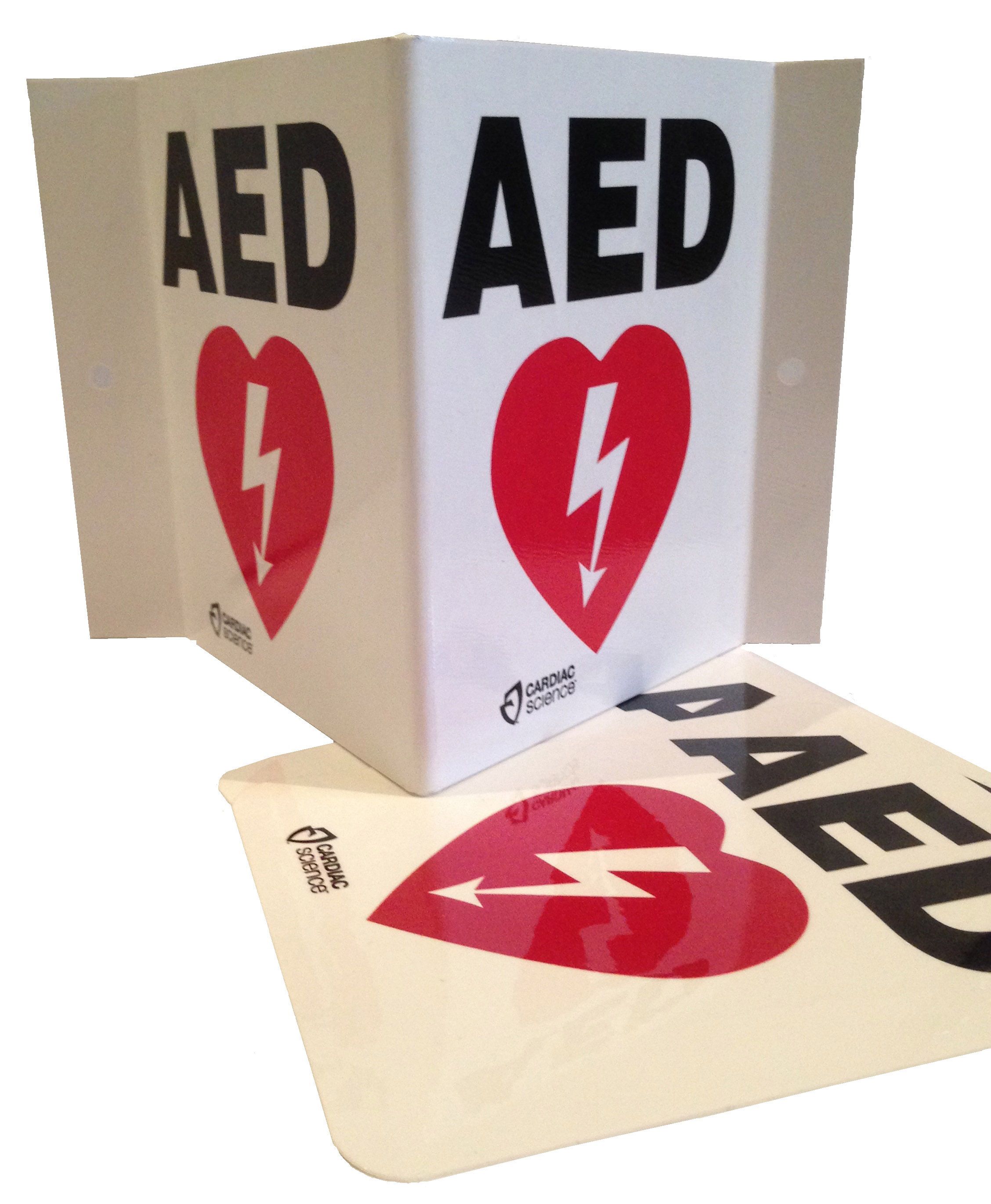
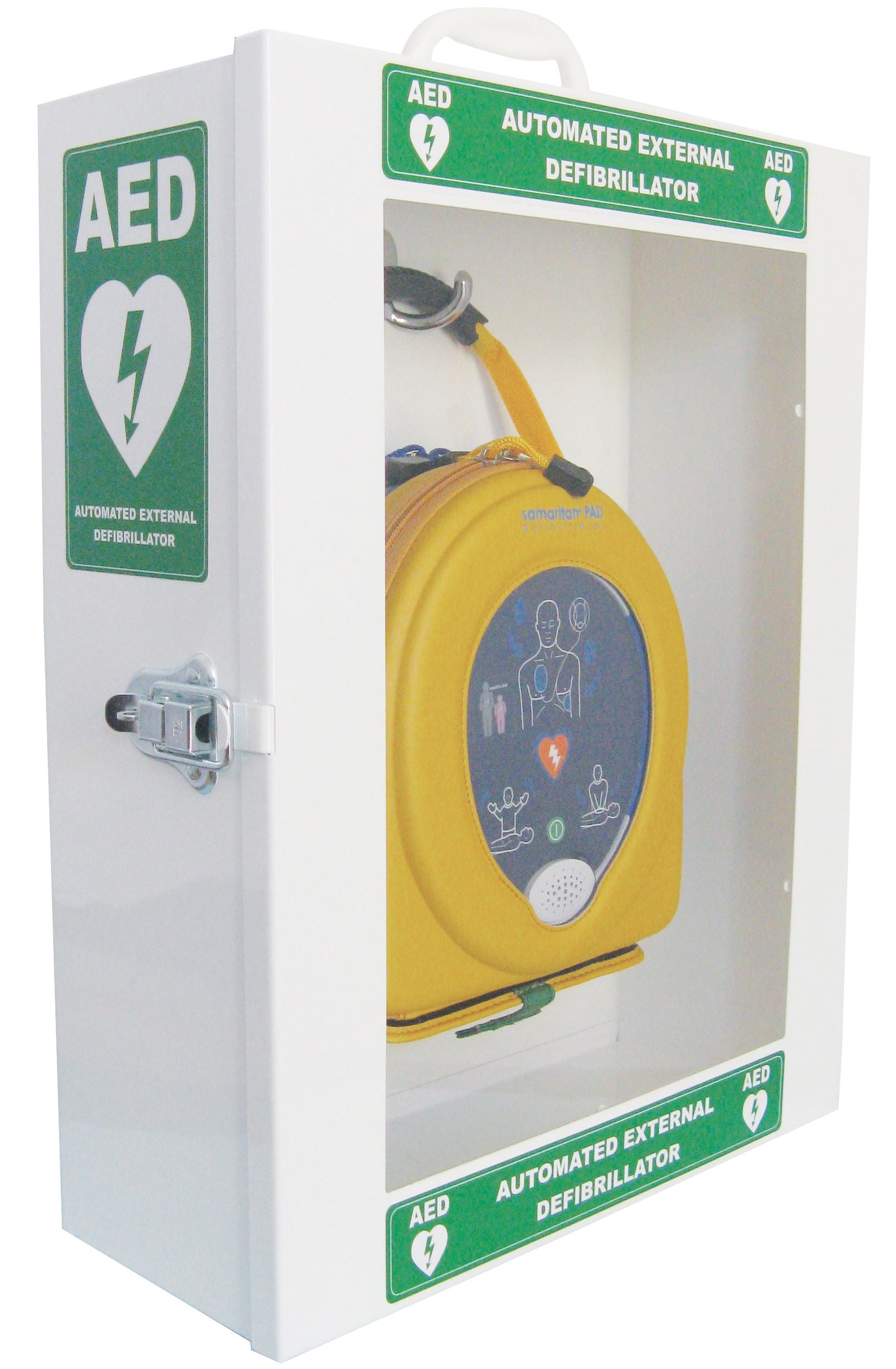
You will likely have a commercial first aid kit that is kept in a designated place or first aid room. However, you need to put the defibrillator in an area that is easy to see and easy to get to. Also, put up clear signs, so everyone knows where it is. It should be in a place that is not too hot or cold, and you also need it to be safe from theft or damage. Do not lock it in a cupboard or in a room that isn’t very often used. A defibrillator cannot give a shock by accident.
How to Look After a Defibrillator
When you receive a new defibrillator, you will need to do a few things so that it is ready to use. If you do not, and you need to use it, you could lose valuable seconds getting it ready, or it won’t work properly. Then, you will need to look after your defibrillator as stated by the manufacturer. You will need people to check the defibrillator as a matter of routine, and you will need to buy new pads and new batteries every few years. After you have used the defibrillator, you need to replace the electrodes.
If you’re not sure whether you should have a defibrillator, you can ask for a risk assessment. The risk assessment will take into account whether a place is used by the general public and whether there is a risk of electrocution. A defibrillator can be the difference between whether someone lives or dies. To talk to us about defibrillators, or Trafalgar first aid kits for your home, workplace, or for leisure, get in touch with us. Send us an email using our form, and we’ll get back to you as soon as possible.
Defibrillators (AEDs) for Workplace & Public Spaces
Compact, easy-to-use AEDs that anyone can operate during a cardiac emergency.
Are defibrillators mandatory in Australia? (2026 update)
There is no single national law requiring defibrillators everywhere — it depends on your state and setting, and the rules are tightening. South Australia is the first state to mandate public-access AEDs: under the Automated External Defibrillators (Public Access) Act 2022, from 1 January 2026 many public buildings and facilities (including sporting and recreation venues, cinemas, libraries and shopping centres) and public transport vehicles must have a registered AED. New South Wales has a similar bill before parliament, and other states are watching closely.
In workplaces generally, an AED is not universally mandated, but Safe Work Australia recommends providing one where there is a risk of cardiac arrest or where medical help may be delayed — a decision you make through your first aid risk assessment. Because survival from cardiac arrest falls by roughly 10% for every minute without defibrillation, many workplaces install an AED as best practice regardless of a strict legal requirement.
Frequently asked questions
Are defibrillators required by law in Australian workplaces?
Currently no national law mandates AEDs in all Australian workplaces, but Safe Work Australia's first aid Code of Practice recommends AEDs in workplaces with cardiac arrest risk - large industrial sites, high-occupancy buildings, remote workplaces, and venues with high-traffic public. Some state-level legislation (e.g. Victoria's Defibrillators (Public Access) Act 2023) is changing this. AEDs are mandatory in gyms, swimming pools and large public venues in several states.
Where should an AED be installed in a workplace?
AEDs should be installed at locations where they can be retrieved within 3-5 minutes of any worker collapse - reception areas, kitchens, production floors, vehicle bays. The Australian Resuscitation Council (ARC) recommends visible signposted wall-mount cabinets at chest height. For workplaces with multiple buildings or large footprint, multiple AEDs at strategic locations. Include AED location on workplace first aid plans and emergency procedures.
How often does an AED need maintenance?
AEDs need monthly visual inspection (battery indicator, pads expiry, case integrity) and battery/pad replacement every 2-5 years per manufacturer. Most modern AEDs (Lifepak, Heartsine, Zoll, Philips) self-test daily and alarm when service is required. Document inspection in a workplace AED log. After ANY use, the pads must be replaced before the AED is operational again.
Are defibrillators mandatory in Australia?
Not everywhere. South Australia mandates registered public-access AEDs in many public buildings and vehicles from 1 January 2026, and NSW has a bill pending. In most workplaces an AED is strongly recommended based on your risk assessment rather than strictly required — check the rules for your state and setting.
Sources: Australian and New Zealand Committee on Resuscitation (ANZCOR), healthdirect.gov.au — How to perform CPR, National Heart Foundation of Australia, Australian Red Cross.