

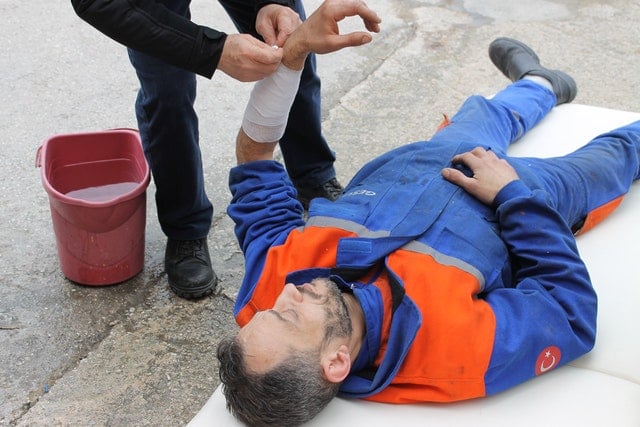
If you’re wondering 'Do I need to do a first aid course?' and unsure whether to go ahead, read our latest blog. We’re going to explain why it’s essential to know the basics of first aid so you can be prepared, whatever happens.
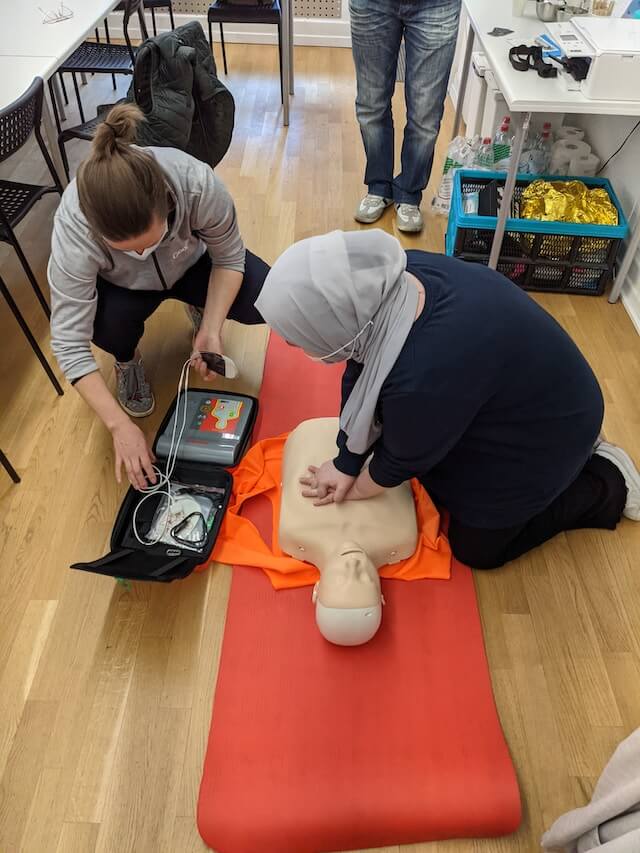
We’ll also answer questions like 'What first aid course do I need?' so you feel confident about learning what you need to know.
Who needs to do a first aid course?
The short answer to this is — everyone! Knowing how to give some basic first aid skills is something everyone can achieve and will find useful.
Let’s look at some groups in the community who may have a particular need or motivation to complete a first aid course.
Parents and carers of children
Whether you’re a parent or carer of children or you work in childcare, a paediatric first aid course is invaluable.
You’ll learn to carry out techniques such as CPR and defibrillation for children and deal with scenarios such as breathing emergencies like choking, febrile convulsions and head injuries.
Learning first aid for children will give you the confidence to care for them with ease and to act quickly in the event of a medical emergency.
People who care for the elderly
If you care for the elderly, either as a family member or in a professional capacity, there are many first aid situations that you need to know how to handle.
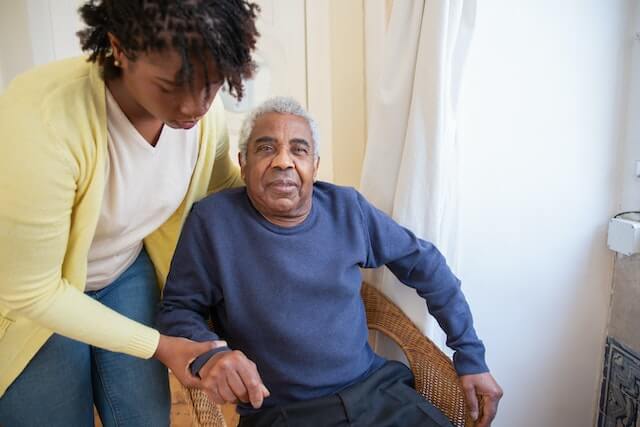
Elderly people are more vulnerable to accidental injuries, as they often have reduced coordination, mobility and strength.
Typical issues that affect the elderly include cuts, bruises and fractures as a result of falls, and heat- and cold-related illnesses such as heatstroke and hypothermia.
Elderly people may also have one or more health conditions that may result in first aid situations like diabetes or cardiovascular issues.
A first aid course for the elderly will cover accidental injuries and medical-related emergencies so that you can deal confidently with them and enhance the level of care you can offer.
People working in high-risk industries
Anyone working in high-risk industries like agriculture, forestry, construction or mining should take a first aid course to fulfil the requirements of their workplace environment.
You’ll learn how to administer first aid for incidents like fractures, burns and severe bleeding, as well as about recordkeeping and reporting injuries in the workplace.
In addition, you’ll understand the importance of managing first aid kits and facilities and how they should be inspected and maintained.
People living or working in remote areas
If you live or work in a remote area that is far from medical facilities, you could definitely benefit from completing a first aid course. This also applies to anyone who enjoys spending time outside enjoying hobbies such as bushwalking or hiking.
A specialised remote area first aid course will teach you skills like self-care, contingency planning and how to assist with aeromedical evacuation. You’ll also learn how to deal with first aid scenarios like treating snake and spider bites and fractures.
How long does a first aid course take?
The length of your first aid course will depend on its level and purpose. A basic first aid course may only take a few hours to complete, while a specialised course may be offered over several days.
Check out the St John Ambulance Australia selection of first aid courses to know which is right for you.
Can you do a first aid course online?
Yes, you can. Many first aid courses are available online. But for more advanced courses, in-person may be the better option.
How often do I need to do first aid training?
The Safe Work Australia First Aid in the Workplace Code of Practice recommends that CPR (cardiopulmonary resuscitation) courses should be refreshed every 12 months, and other general first aid courses should be completed every three years.
We’ve got you covered
Without a doubt, everyone can benefit from learning first aid skills. They’re particularly valuable for people in certain groups such as carers of children and the elderly and anyone who works in remote or high-risk situations.
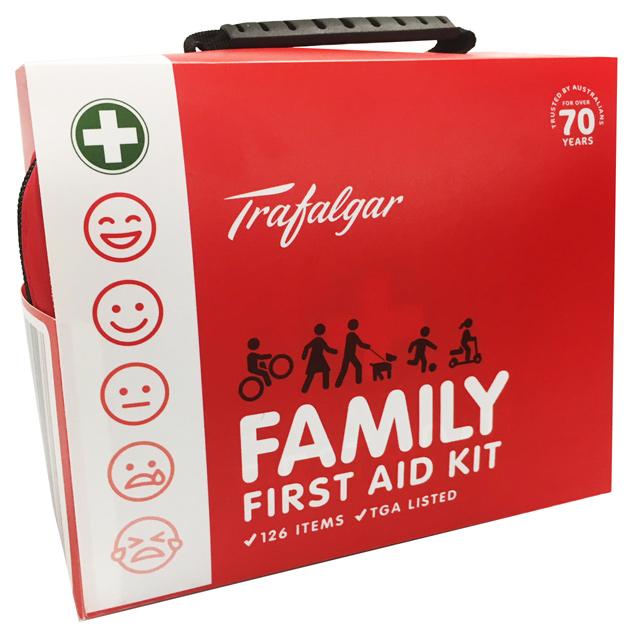
Another important aspect of providing good first aid care is having a fully stocked first aid kit. Take a look at the MediBC selection of first aid kits for the home, workplace and remote areas. They’re the perfect complement for first aid training and will help prepare you for many medical situations with confidence.
We also stock kit refill and medical supplies — we’ve got you covered!
First Aid Training Essentials
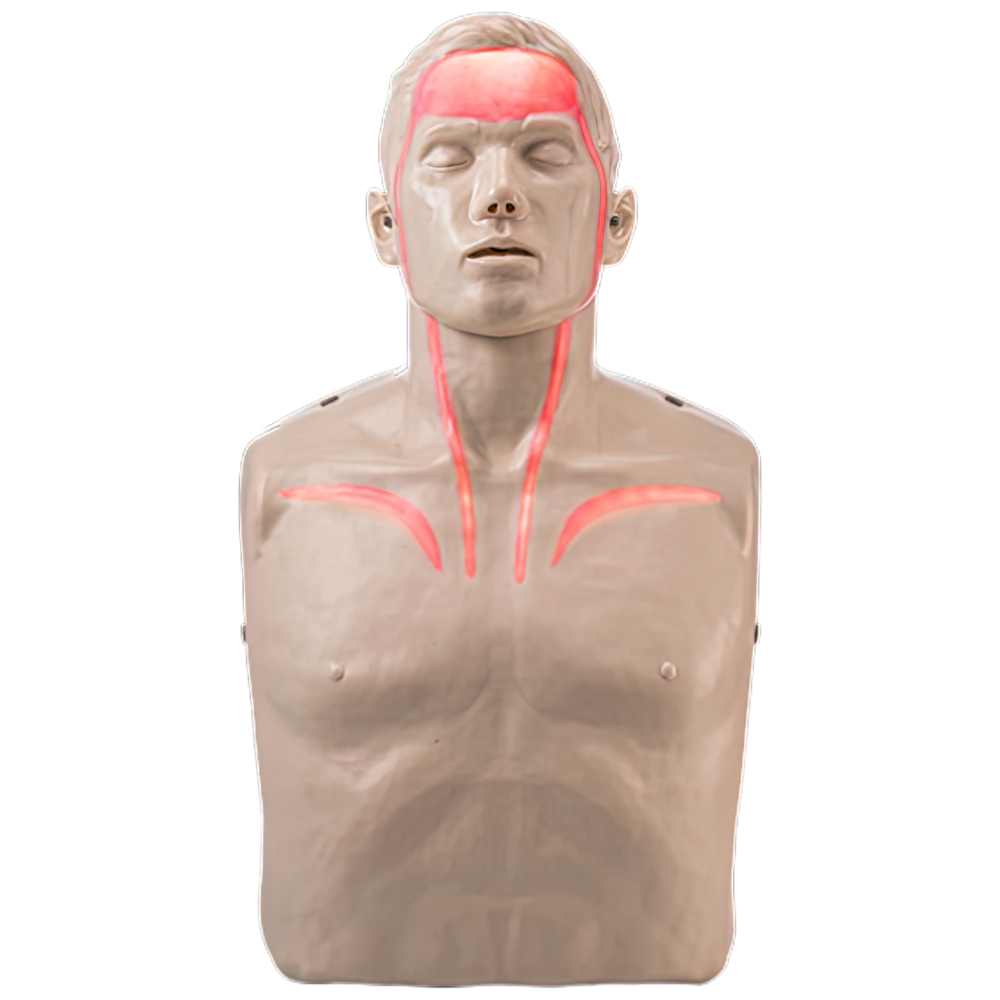
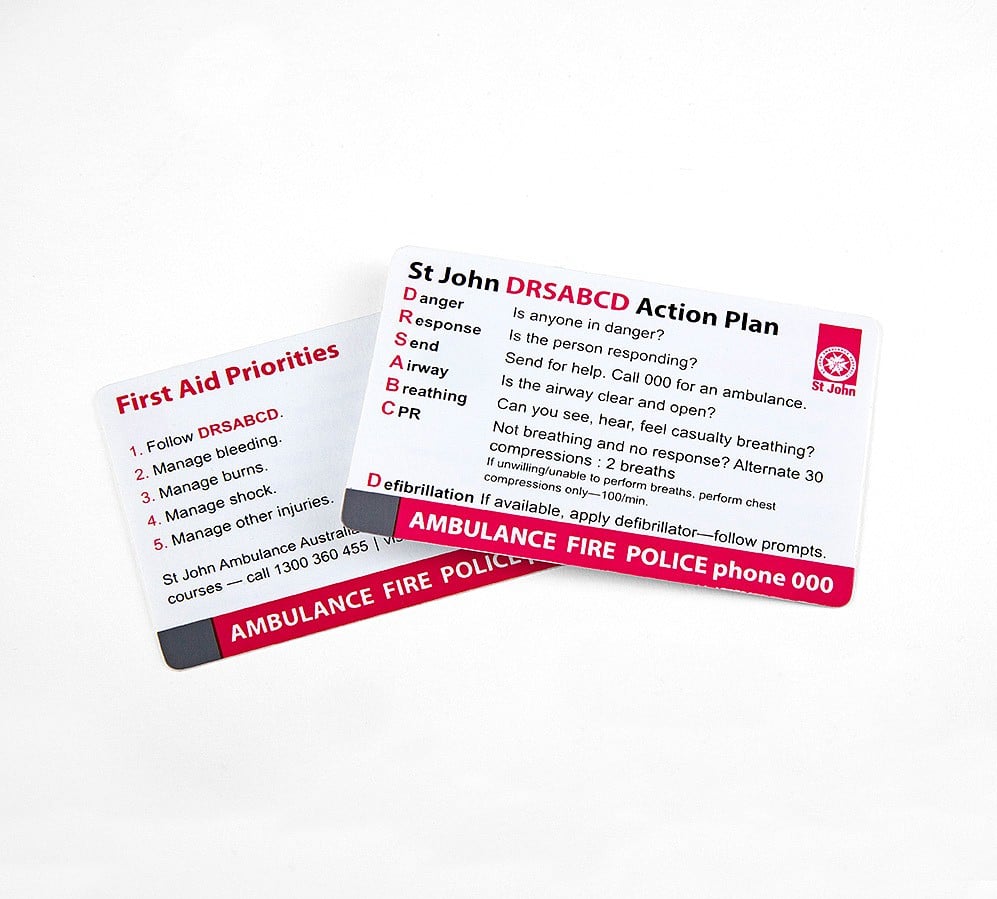
CPR manikins, first aid guides, and family kits to support your first aid training and at-home practice.