

Written by the MediBC medical-supply team · Aligned to AS 1319 Safety Signs for the Occupational Environment and the Safe Work Australia model Code of Practice (First Aid in the Workplace) · Updated May 2026.
First aid posters and safety signs do one job that nothing else in a workplace does: they tell a panicked, untrained bystander what to do in the first 60 seconds of an emergency. A laminated CPR poster next to the AED has saved lives. An AED with no signage to find it has lost them. This guide covers the minimum signage set for an Australian workplace, the standards that govern colours and placement, and how to choose the right posters for your specific hazards.
It maps to the standard A3 laminated poster range and AS 1319 polypropylene safety signs stocked in Australian first aid catalogues. The principles also apply to schools, community centres, sporting clubs and any community space where untrained members of the public may need to deliver immediate care.
Why first aid signage matters in workplaces
An emergency action in the first 60 seconds is dramatically more useful than a perfect action in the fifth minute. Defibrillation in the first 3 minutes after cardiac arrest gives 70% survival; at 5 minutes it drops to 40%; at 10 minutes it is 5%. Posters and signs collapse that response window by removing decision-time.
The three jobs of workplace signage
Tell people where the gear is (first aid kit location, AED location, eyewash station). Tell people what to do (CPR steps, choking response, bleeding control). Tell people who to contact (first aider names, emergency numbers, evacuation routes).
What "visible" actually means
A sign behind a stack of boxes or above ceiling lighting is not visible. Visible means: in the line of sight of someone standing where they would notice it during an emergency, with no obstruction taller than half the sign's height, with sufficient lighting (300 lux minimum for compliance with AS 1319 reading distance specifications).
AS 1319: the Australian standard for safety signs
AS 1319 Safety Signs for the Occupational Environment is the technical standard that governs colour, symbol, font and placement of every safety sign in Australian workplaces. Every compliant first aid sign you buy will follow these rules.
Colour categories
Red and white — Prohibition (no entry, no smoking). Yellow and black — Warning (caution, hazard ahead). Green and white — Safety Condition (first aid, emergency exit, safe-state items). Blue and white — Mandatory (must-wear PPE, must-follow procedure). Each colour carries semantic meaning that workers learn unconsciously over time.
Why first aid signs are always green
The green-and-white "safety condition" category is reserved for signs identifying things that help during an emergency — the first aid kit, the AED, the emergency exit, the eyewash, the safety shower. Use of any other colour for first aid signage is non-compliant and confuses the visual hierarchy a workplace relies on.
Symbol placement
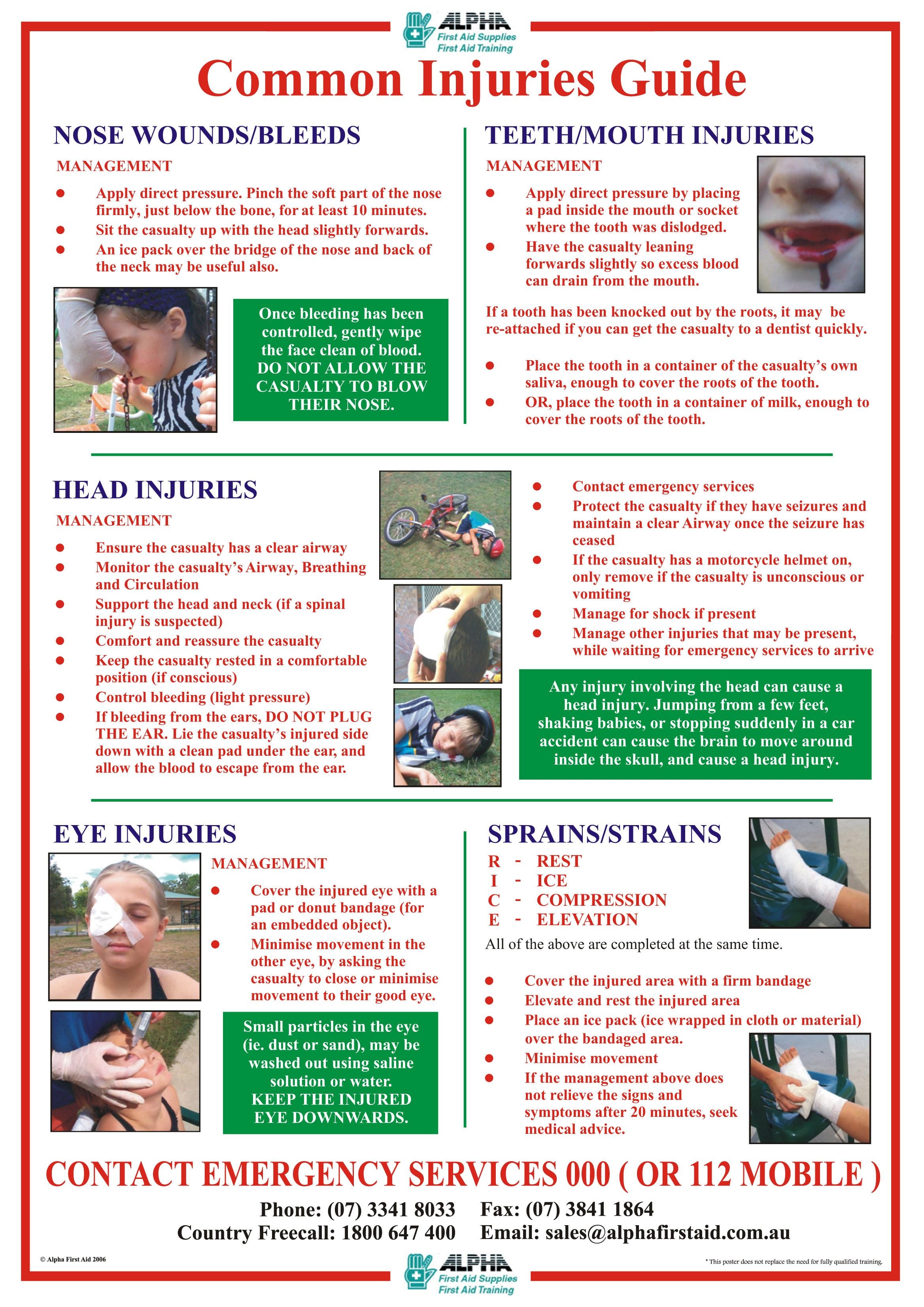
The white cross-on-green is the universal first aid symbol. Signs must show it prominently, with supplementary text (English plus pictogram for sites with linguistically diverse workforces). Pictograms support comprehension where reading levels or English fluency vary.
The minimum first aid sign set for any workplace
Even the smallest office or retail operation should display these.
First aid kit identification sign
A green-and-white sign mounted directly above or beside the first aid kit, visible from the entry to the room or area. Size minimum is 22.5 x 22.5cm for indoor close-range visibility; for larger rooms or where the kit must be visible from across an open-plan space, 45 x 30cm or 60 x 45cm becomes appropriate.
AED location sign (if you have one)
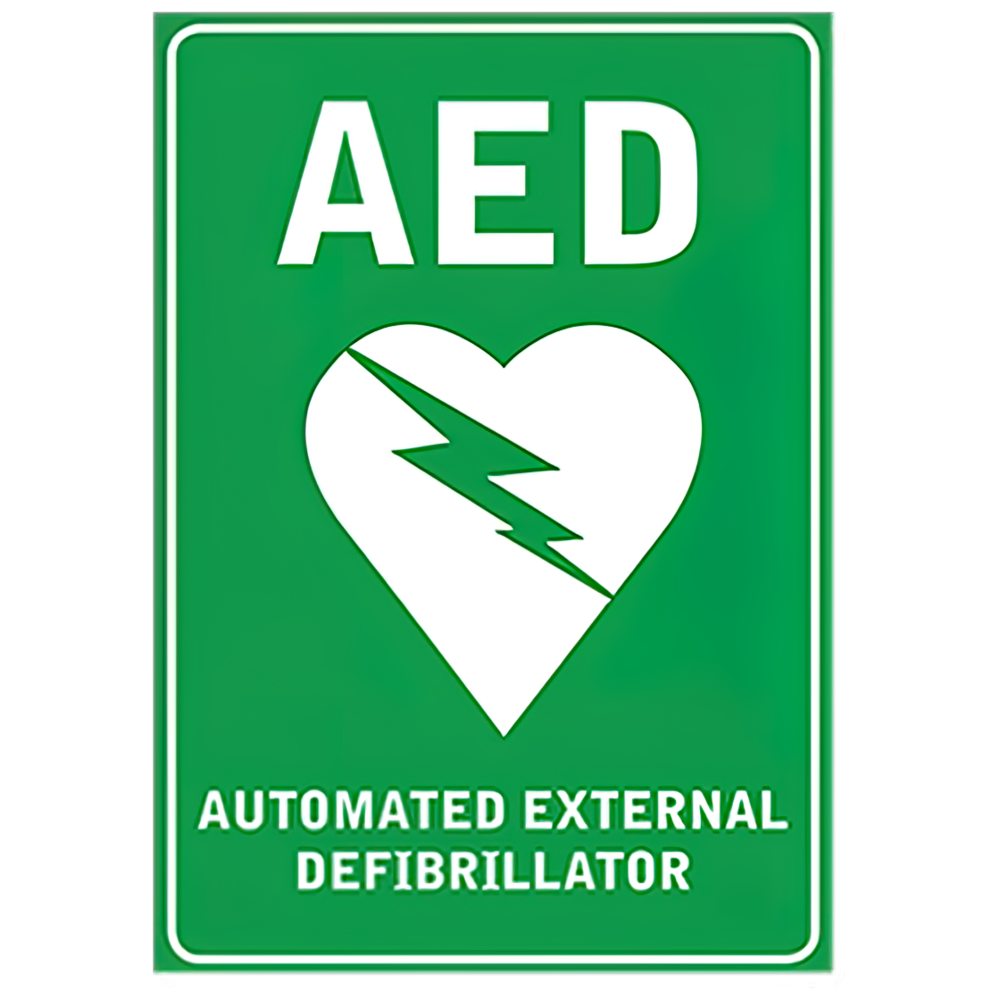
Every AED needs three signs: one at the device itself (identifies it), one at the floor or wing entrance pointing toward it, and one on the building exterior so paramedics know an AED is on site. The CARDIACT poly AED sign 22.5 x 30cm is the standard close-range visibility size; angle-bracket versions project from the wall for visibility down corridors.
Emergency contact numbers
Display Australian emergency numbers (000 ambulance/fire/police, 1300 22 1226 Poisons Information, 13 11 26 Lifeline) next to the first aid kit or in a prominent lunchroom or reception location. Names and contact methods for nominated workplace first aiders go on the same display.
Essential workplace posters explained
The standard A3 laminated posters cover the most common emergencies a workplace can face.
Choking poster
Step-by-step pictogram of the Australian choking response: encourage coughing, back blows, chest thrusts (for adults — NOT abdominal thrusts as per Australian Resuscitation Council guideline). Locate in lunchrooms, kitchens, dining areas and meeting rooms. Every workplace serving food benefits from this poster.
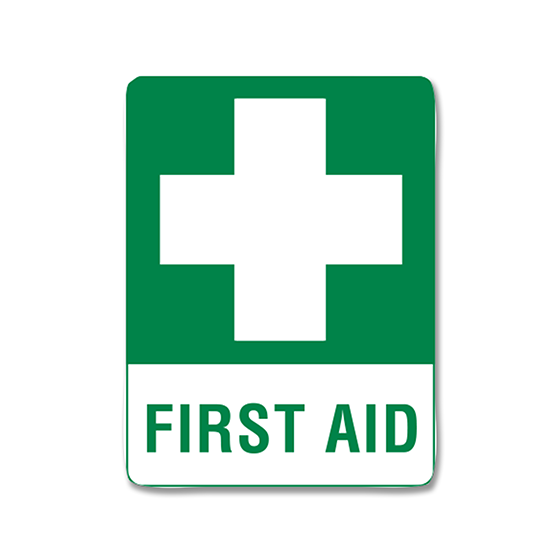
Common injuries poster
Summary card covering the most-frequent workplace injury responses: cuts and lacerations (clean and dress), minor burns (cool with running water), sprains and strains (RICE protocol), nosebleeds (pinch and lean forward). The everyday reference that fills the gap between "minor thing" and "major emergency."
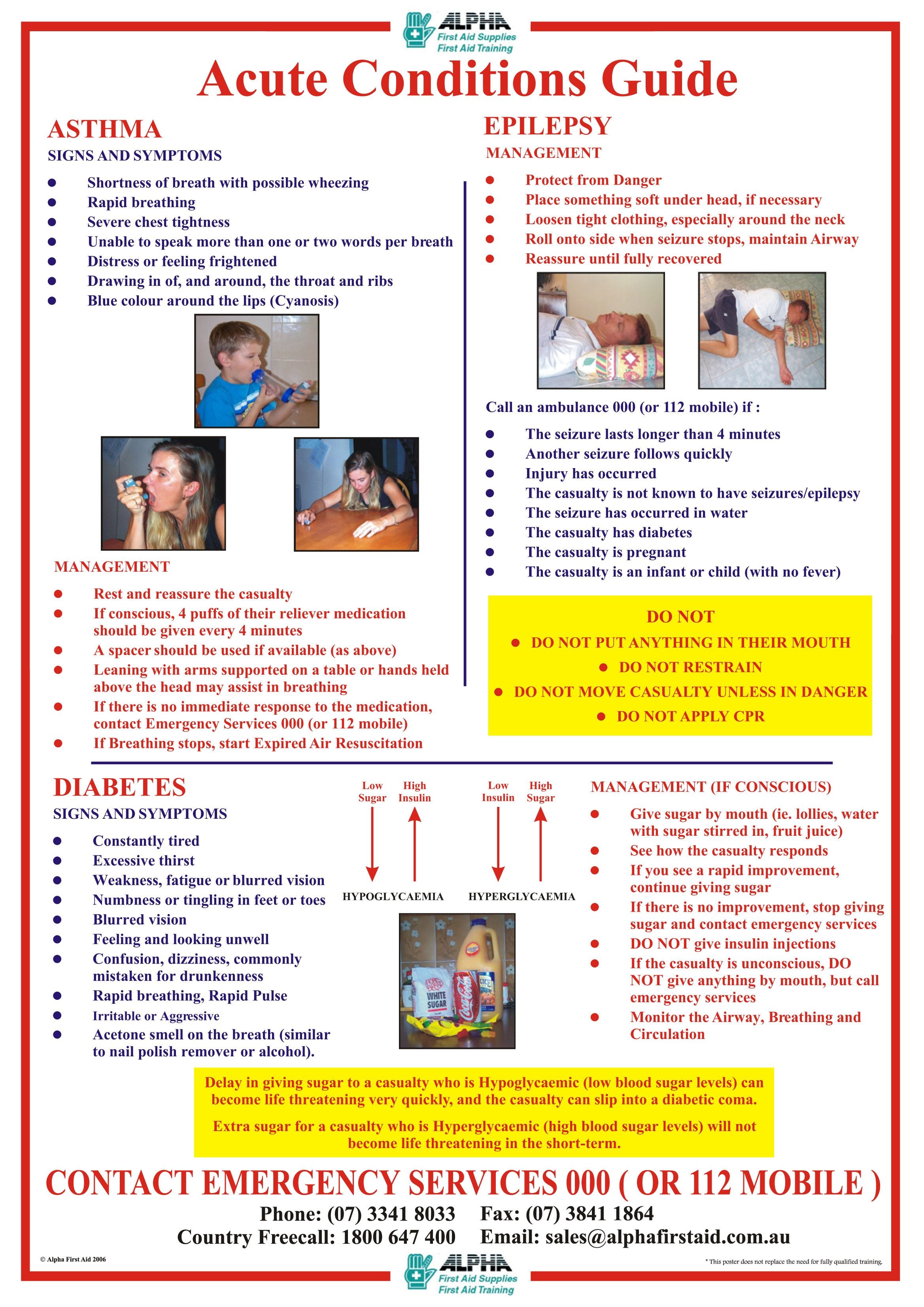
Acute conditions poster
Recognition guide for sudden medical conditions: stroke (FAST signs), heart attack symptoms, severe asthma, hypoglycaemia, seizure response. Critical for workplaces with older workforces or where workers may develop these conditions on-shift. Place near reception, security desks and supervisor offices.
Bites and stings poster
Australia-specific bite/sting response: snake bite (pressure-immobilisation bandage), spider bite (varies by species), bee/wasp sting (remove sting, cold pack), tick removal, jellyfish stings (varies by region). Essential for outdoor workplaces, farms, construction, parks and field work.
Specialised signs for higher-risk environments
Some workplace hazards need specialised signage beyond the basic set.
Eyewash and safety shower signs
Required wherever chemical, biological or particulate eye hazards exist. The eyewash station itself needs a sign at the unit; an additional directional sign at the work area entrance points workers toward it. Eyewash signage is one of the most-cited non-conformances in chemical-handling WHS audits.
Burns first aid sign
Critical near kitchens, hot-work areas, foundries, welding bays. Specifies cool running water for 20 minutes, cover with cling film or sterile non-adherent, do not break blisters. The decisions made in the first 60 seconds of a burn determine long-term outcomes; the sign removes guesswork.
Bleeding control sign
Direct pressure, pressure dressing, elevation, tourniquet (industrial-grade workplaces only with trained first aiders). Required near machinery with cutting hazards, glass-handling areas, sheet metal workshops.
Resuscitation chart (DRSABCD)
The Australian Resuscitation Council DRSABCD action plan should be displayed next to the AED and in any office likely to be the first response location for a collapse. Wall-mounted resuscitation charts are sized typically 30 x 45cm or A3.
Polypropylene signs versus laminated paper posters
Two construction types serve different purposes.
Polypropylene (poly) signs
Rigid 2-3mm plastic, screen-printed or digitally printed, indoor/outdoor rated. Used for AS 1319-compliant safety signage — directional signs, first aid kit identification, AED location signs, eyewash signs. Service life 5-10 years indoors, 3-5 years outdoors. Drilled corners for direct screw-mounting.
A3 laminated posters
Paper printed with full-colour pictograms and information, then laminated in 75-125 micron clear film. Used for instructional content — CPR steps, choking response, bites and stings, burns. Service life 3-5 years indoors out of direct sunlight. Hang with hooks, magnets or removable adhesive strips. Re-positionable to different areas as needed.
Choosing between them
Permanent location identification (first aid kit, AED, eyewash) → poly. Instructional content that may need replacing when guidelines update → laminated paper. Most workplaces use both — posters for procedures, signs for location.
Where to place signs and posters for maximum effect
The right poster in the wrong place is invisible.
Line-of-sight rule
Place each sign in the natural line of sight someone would use when entering a space looking for it. AED sign at entrance height, first aid kit sign at standing eye level above the kit, evacuation diagram at the height a fleeing person would look.
Reading distance and sign size
AS 1319 has a formula: minimum sign height = reading distance / 100. A sign read from 20 metres away needs to be 20cm tall minimum (200/100 = 20). The 60 x 45cm large poly sign is correct for warehouse and yard environments where workers may see it from 30+ metres.
Lighting requirements
Adequate illumination — 300 lux for general signs, 500 lux for emergency procedure signs. If your workplace is dim (warehouses, basements, after-hours areas), supplementary lighting or photoluminescent signs are needed. AS 1319 specifies the requirements.
Mounting heights
Eye-level placement for procedural posters (around 160cm above floor). High-mount placement for location identification visible from across a space (above doorway height, 220cm). Outdoor entrance signs at vehicle-driver eye height (180-220cm) for emergency-services visibility.
WHS legal context for signage
Australian Work Health and Safety law sets the obligation; AS 1319 sets the technical specification.
The model WHS Act and Regulations
PCBUs (Persons Conducting a Business or Undertaking) have a primary duty to provide a safe workplace, which includes ensuring emergency response is possible. Signage is part of meeting that duty — not as a strict mandate but as the practical mechanism by which workers know how to respond.
The model Code of Practice (First Aid in the Workplace)
Requires that the first aid kit's location be known to workers, that first aiders be identifiable, and that emergency procedures be displayed. Signs and posters discharge these obligations effectively and at low cost.
Sector-specific regulations
Construction, mining, food handling and laboratory operations have additional WHS regulations that specify signage. Check the relevant state/territory WHS regulator's site and your industry codes of practice.
Building your workplace signage inventory
Recommended starting points by workplace size.
Small office/retail (under 25 staff)
One green first aid kit sign (22.5 x 22.5cm) above the kit. One DRSABCD wall poster A3 next to the kit. One choking poster A3 in the lunchroom. AED signage if AED is on site (three signs as above). Total cost typically under $200, lasts 3-5 years.
Medium-sized workplace (25-100 staff)
Add: common injuries poster, acute conditions poster, burns response poster, larger 45 x 30cm location signs visible across larger floors, second AED signage cluster if multi-floor or multi-building. Plus emergency contact display at reception.
Large or higher-risk workplaces
Full A3 poster set (choking, bleeding, burns, sprains, common injuries, acute conditions, bites/stings, CPR/DRSABCD). Building-perimeter AED signs (60 x 45cm) for emergency-services visibility. Sector-specific signs (eyewash, safety shower, chemical hazard). Multilingual versions where workforce demographics warrant.
Inspection, replacement and audit-readiness
Signs degrade. Plan for replacement.
Annual inspection
Walk-through inspection of every sign and poster on the premises. Check: legibility (no fading), placement (still visible, not obstructed), accuracy (still aligned with current procedures and ARC guidelines), lighting (still illuminated to 300+ lux).
Update when guidelines change
The Australian Resuscitation Council updates first aid guidelines periodically. CPR compression rates, choking response (adult abdominal thrusts removed in 2010), drowning resuscitation have all changed. Posters from before guideline updates need replacement.
Audit trail
WHS audits ask about signage. A simple register — sign location, install date, last inspection, condition, replacement due — satisfies audit requirements and supports your demonstration of due diligence.
Common signage mistakes to avoid
1. Using outdated CPR posters
Compression rate, breath ratio and recommended order have all changed in the last 15 years. Old posters spread outdated information. Replace any pre-2016 CPR poster.
2. Hand-written or printed-off-laser-printer signage
Not AS 1319 compliant — the colour, font and symbol specifications cannot be met by office printing. Use purpose-made compliant signs.
3. AED with no external building signage
Paramedics arriving at an unfamiliar building cannot use an AED they cannot find. Outdoor signage is critical.
4. Posters in a back office no one visits
A poster in a stationery cupboard is invisible during emergencies. Place posters where they are seen during normal work — lunchrooms, near phones, by first aid kits.
5. Single English-only signage in linguistically-diverse workplaces
Where multiple languages are spoken on-site, pictograms become more important and dual-language posters may be warranted. AS 1319's pictogram requirements address this; ensure your purchases include strong pictogram content.
Frequently Asked Questions
Does Australian law require first aid posters in workplaces?
The Safe Work Australia model Code of Practice (First Aid in the Workplace) does not mandate specific posters, but it does require that workers know where first aid kits, AEDs and trained first aiders are located, and that emergency procedures are visibly displayed. The practical solution is signage and posters — they discharge the information-display duty efficiently.
What does AS 1319 say about first aid sign colours?
AS 1319 (Safety Signs for the Occupational Environment) specifies green-and-white for safety-condition signs, which is the colour used for first aid kit, AED, eyewash station and emergency exit signage. Green is the universally recognised colour for 'safety condition' across Australian, ISO and most international standards — visible at distance and through low light.
Where should I place an AED sign in my workplace?
Three placement zones: at the AED cabinet itself (compulsory — identifies the device), at every entrance/intersection in the line of sight from likely cardiac arrest locations (so a responder can find the AED quickly), and a building-perimeter sign visible to emergency services arriving. Aim for AED visibility within 30 seconds of cardiac arrest onset.
Should I laminate first aid posters or use unlaminated paper?
Laminate. Workplace posters get touched, spilled on, sunlit, and have years of service expected. Laminated A3 posters typically last 3-5 years before colour fade or surface damage. Unlaminated posters last 6-12 months before becoming illegible. The laminating cost per poster is a few dollars but extends service life by 5-10x.
How many first aid posters does a typical small workplace need?
Minimum set for a small workplace: one CPR/DRSABCD poster near the first aid kit, one choking poster in the lunchroom, one bleeding control poster in any area with cutting hazards, one AED location sign at every floor entrance. Larger or higher-risk workplaces add bites/stings, burns, common injuries and acute conditions posters.
Sources and further reading
- healthdirect — Choking (response steps)
- healthdirect — Heart attack (AED rationale)
- healthdirect — Stroke (FAST recognition)
- Australian Resuscitation Council — Guidelines
- Safe Work Australia (model Code of Practice First Aid in the Workplace)
- Standards Australia (AS 1319 Safety Signs)
Related guides on MediBC
- Workplace first aid cabinet guide
- AED cabinet and public-access defibrillator guide
- DRSABCD: the Australian first aid action plan
Display the right signage — laminated A3 posters and AS 1319 signs
Workplace first-aid posters and AS 1319-compliant safety signage — the minimum set for any Australian workplace and the full kit for higher-risk sites.
Acute Conditions Poster A3 Laminated
Stroke FAST signs, heart attack, hypoglycaemia, seizure response.
Shop Now
Common Injuries Poster A3 Laminated
Everyday cuts, burns, sprains and nosebleed reference card.
Shop Now
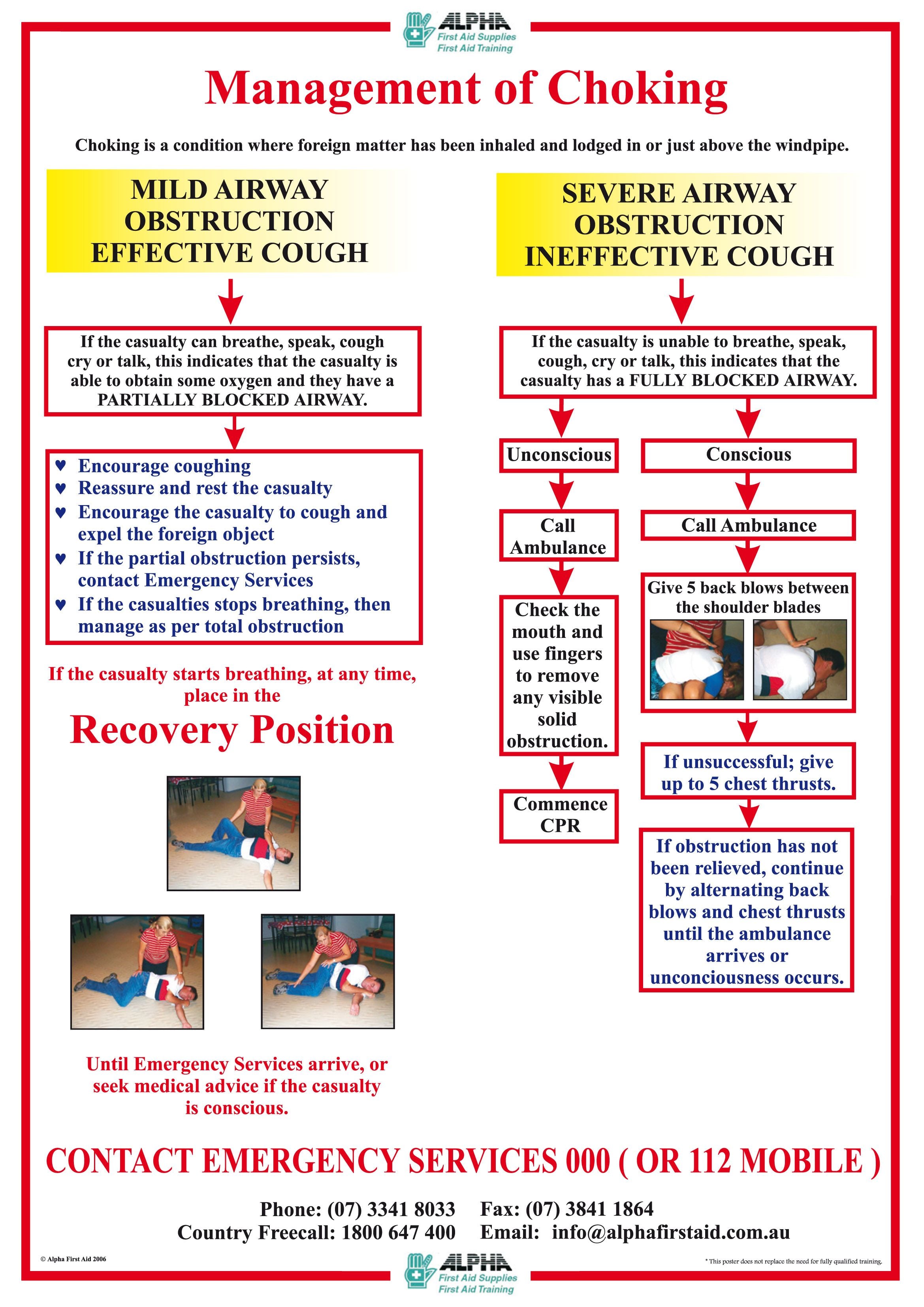
Choking Poster A3 Laminated
Australian-protocol choking response for lunchrooms and kitchens.
Shop Now
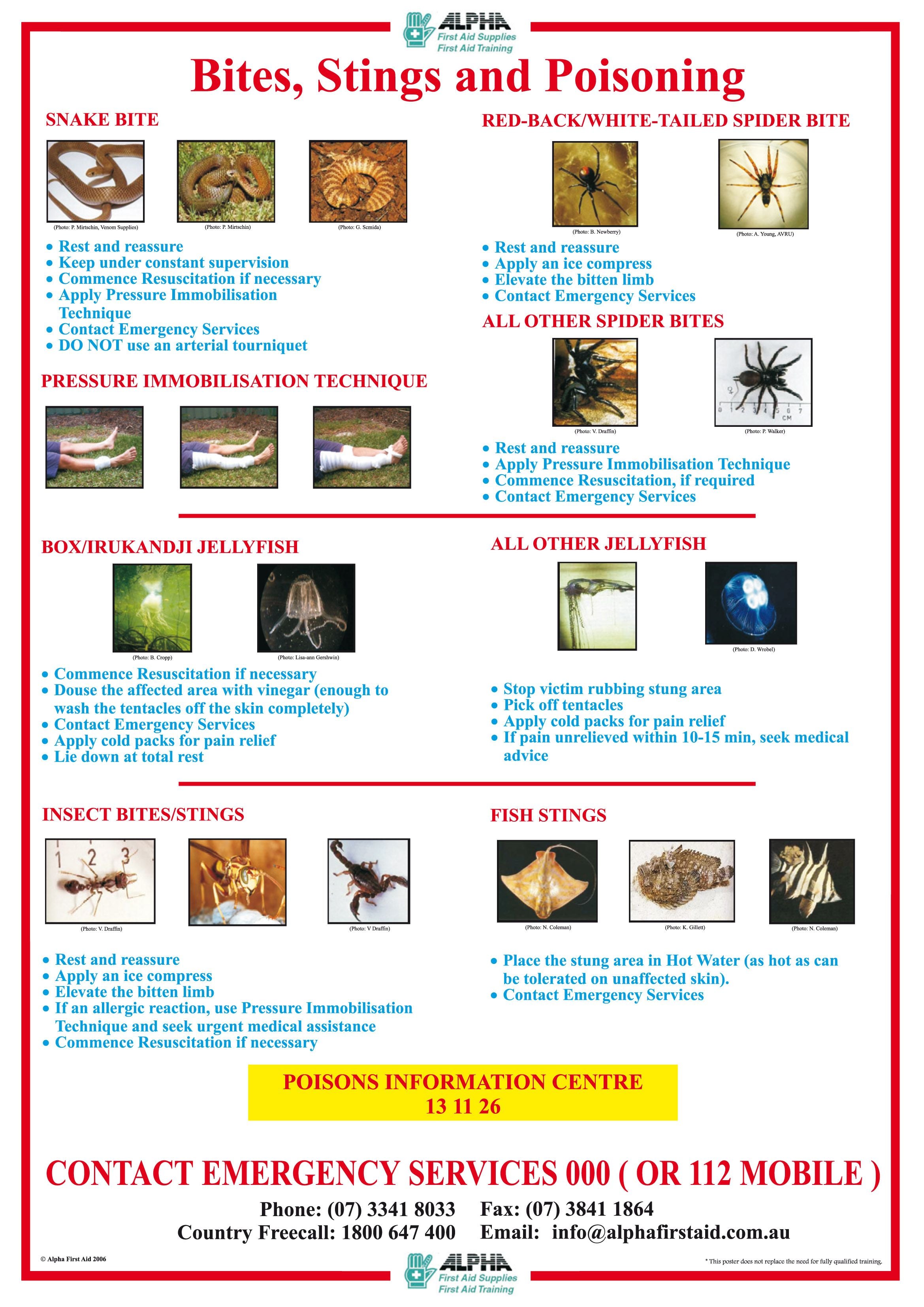
Bites and Stings Poster A3 Laminated
Snake, spider, insect and marine sting response for outdoor work.
Shop Now