


Everyone gets cuts and scratches occasionally, and most heal of their own accord within a short timeframe. But how do you make your wound heal faster so you feel better sooner?
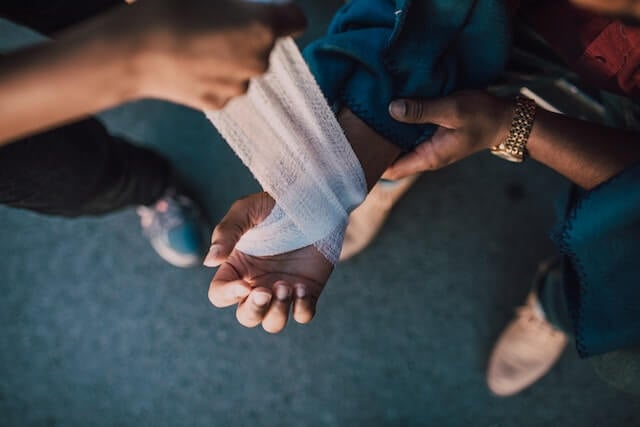
In this article, we explain first aid for wounds and offer some simple tips to speed up healing.
We’ll also look at wound care after surgery and how you can aid recovery after your operation.
First aid for wounds
It’s important to know how to manage wounds as soon as they occur so that they have the best chance of healing. Read on to know what to do.
For minor cuts and scrapes
1. Wash your hands to avoid introducing infection into the wound.
2. If the wound doesn’t stop bleeding on its own, apply pressure gently by holding a clean dressing over it. You can also lift the area above heart level.
3. Rinse the wound with running water and use soap to clean the surrounding area — but be careful not to get soap into the wound itself.
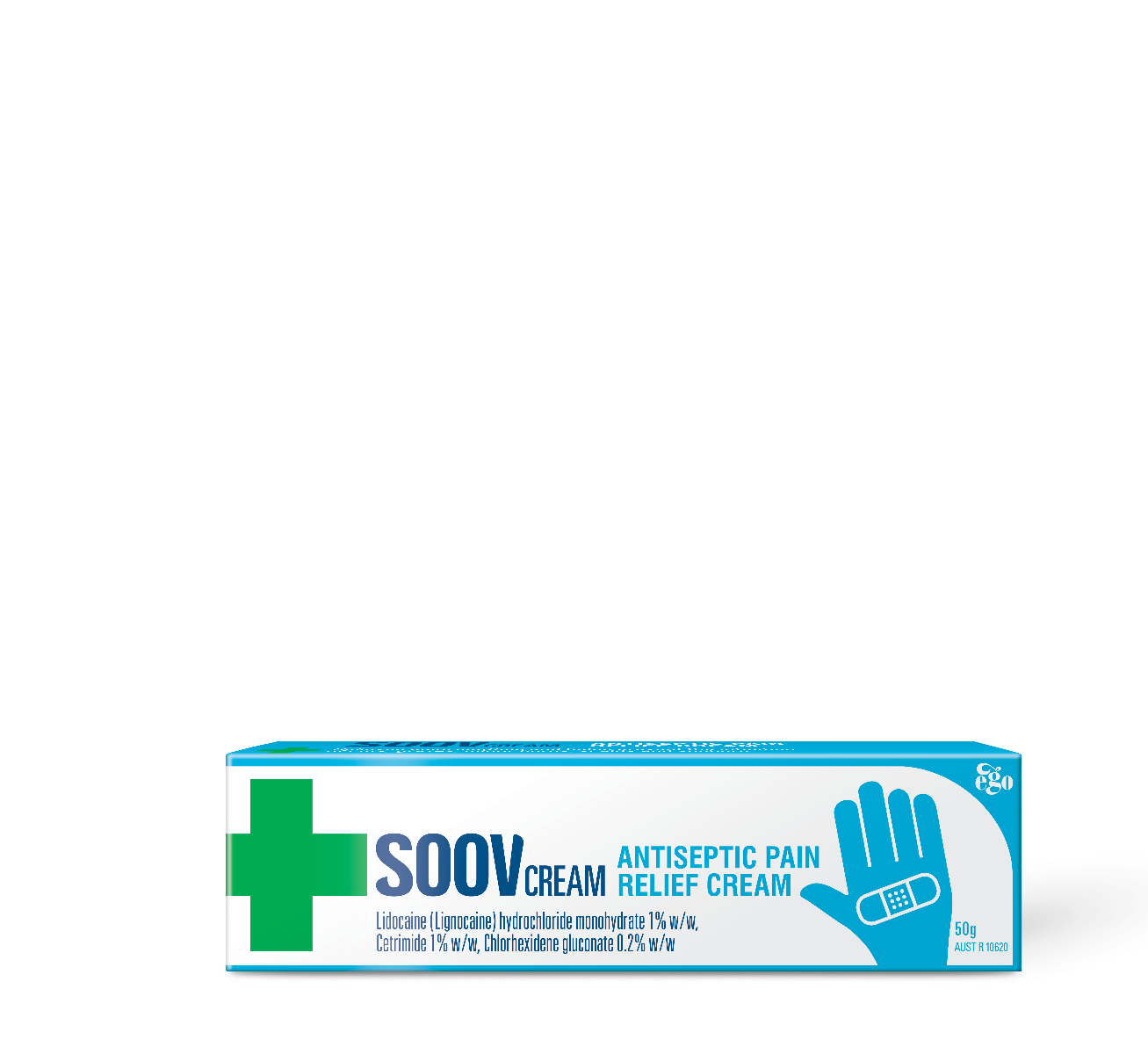
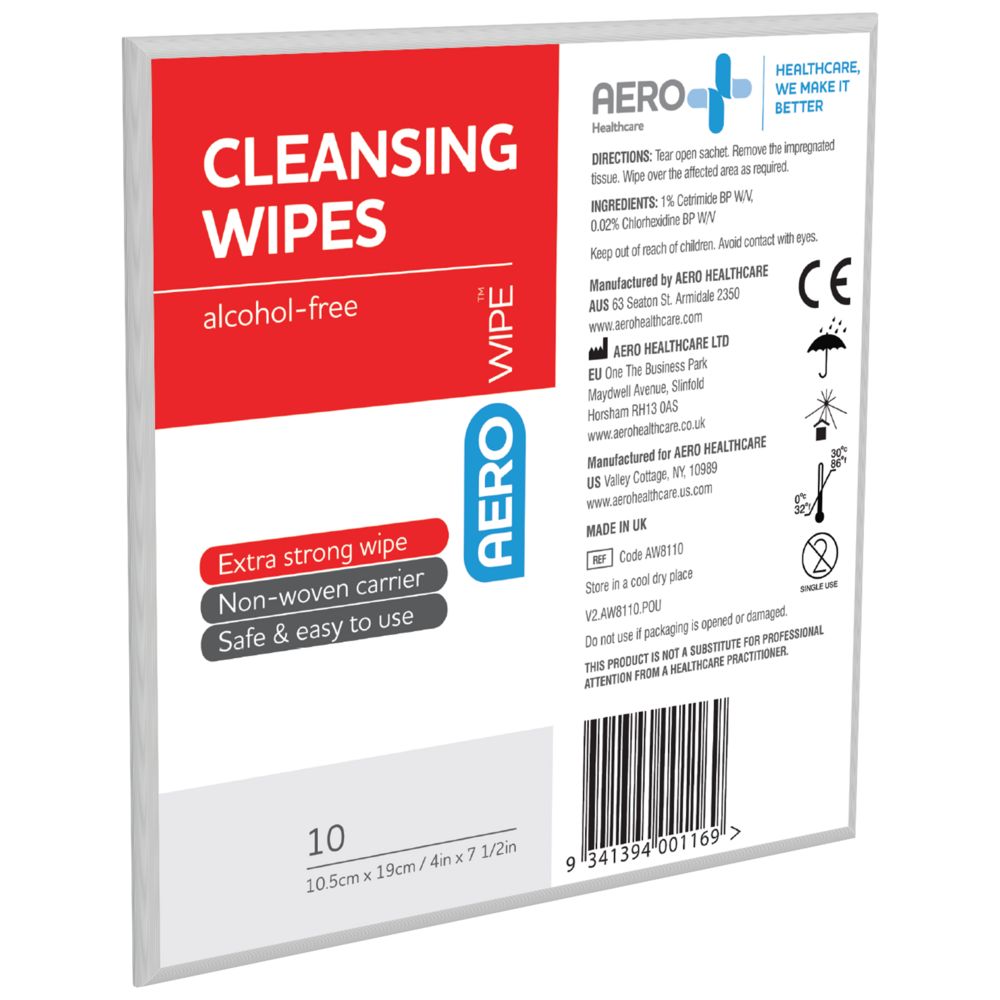
4. Pat the wound dry with a clean cloth or disposable tissue and apply a layer of antiseptic cream.
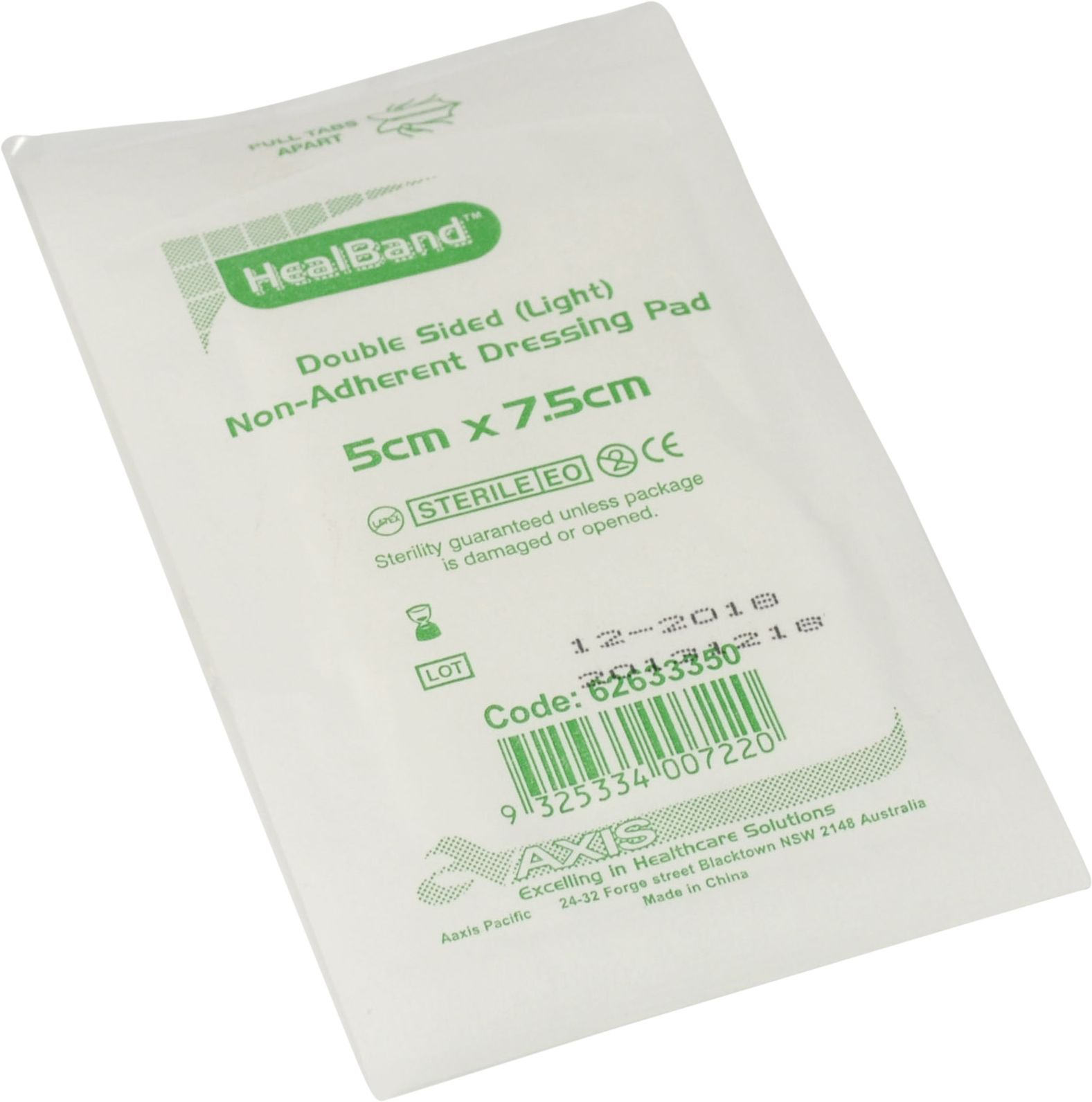
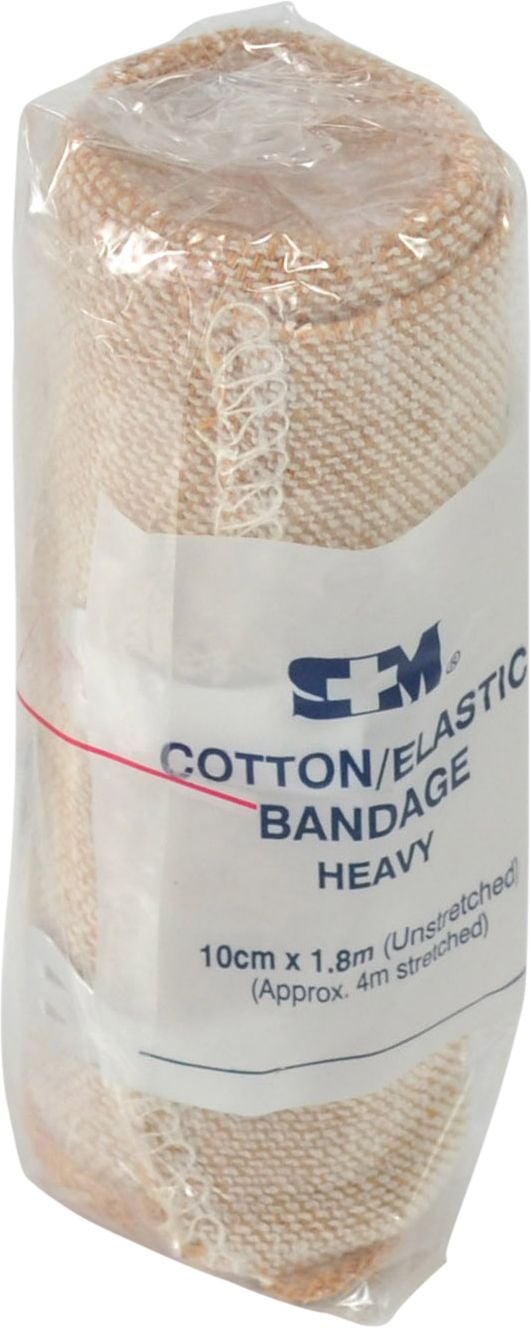
5. Cover the wound with a plaster, dressing or bandage. Be sure to change it at least once a day or more often if it gets wet or soiled.
6. See your doctor for a tetanus injection if the wound is dirty or deep or if you haven’t had a booster in the last five years.
For heavy bleeding
If the wound involves heavy bleeding, call triple zero (000) for help. In the meantime, here’s what you should do:
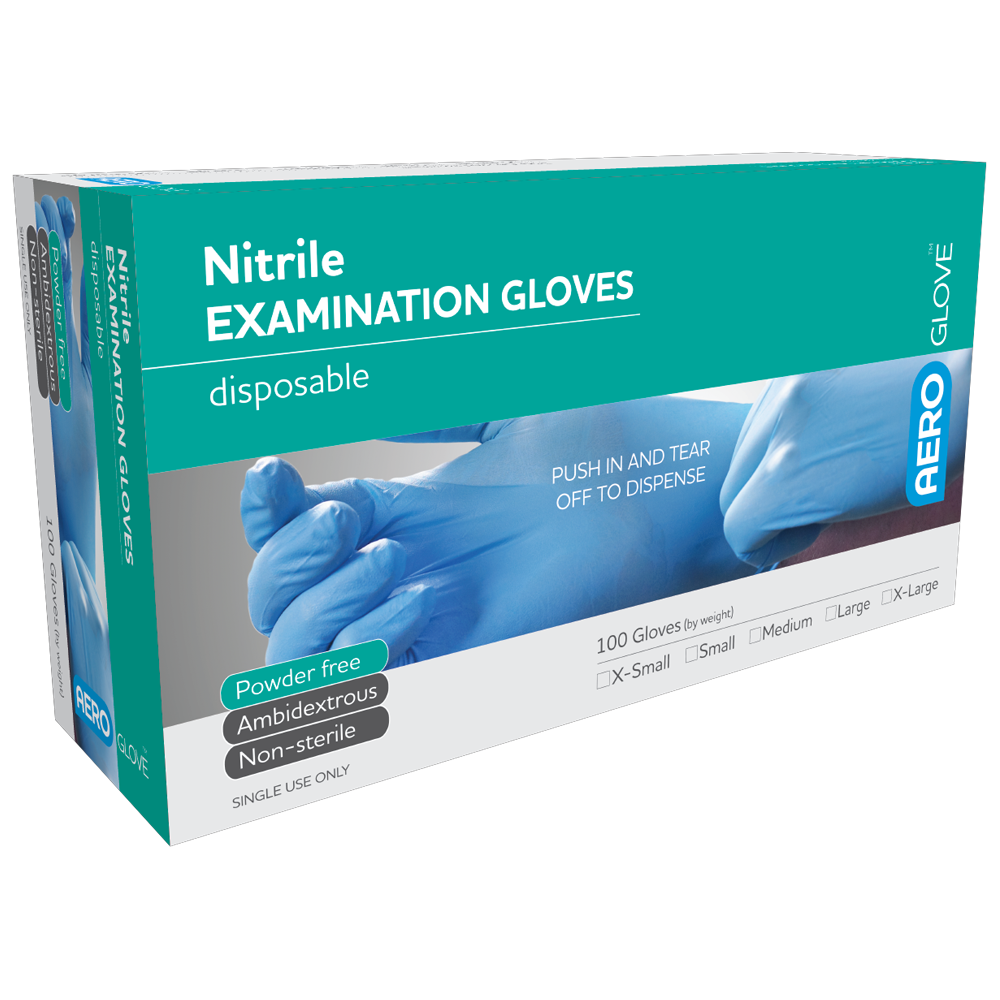
1. Put on disposable gloves if you have them available.
2. Remove any debris from the wound carefully — but only if it is easy to do so. Don’t try to pull out anything that’s deeply embedded in the wound. For splinters, follow our guide on how to get a splinter out.
3. Apply pressure to the wound with a clean pad and lift the area above heart level if possible. Do not press on an eye injury, on a head injury if the skull may be fractured or on an injury where an object is embedded.
4. If you have a tourniquet available, you can use it to stop bleeding from a limb.
5. Help the patient to get comfortable and lie them down if possible. Keep them calm until help arrives.
To know more about first aid for wounds, check out the First Aid Facts section on the St John Ambulance Australia website.
How to make your wound heal faster

Here are some things you can do to make a wound heal faster:
- Apply antiseptic cream to help prevent infections that could interfere with the healing process.
- For a natural wound healing remedy, you can apply aloe vera gel to the wound — it helps your cells renew themselves and soothes discomfort and inflammation.
- Keep your dressing clean and dry, and change it regularly.
- Eat a nutritionally balanced diet that includes plenty of fresh fruit and vegetables. You should also include protein, which helps repair tissues.
- See your doctor if you’re concerned in any way about your wound.
Wound care after surgery
Here’s how to make a wound heal faster after surgery:
- The first rule is to follow your healthcare provider’s instructions on what to do after surgery, including any details about wound care.
- Wash your hands before and after dealing with your wound.
- Inspect your wound regularly to check for signs of infection, such as redness, swelling or pus around the wound. If you are worried, contact your doctor for advice.
- Follow a healthy diet with plenty of protein for tissue repair. If you don’t feel like eating much, you can try nutrition shakes.
- Keep as mobile as you can to aid recovery and prevent complications.
- Keep your follow-up appointments so your doctor can examine your wound, know how it’s healing and remove any stitches or staples if necessary.
Doing our bit to keep Australia safe!
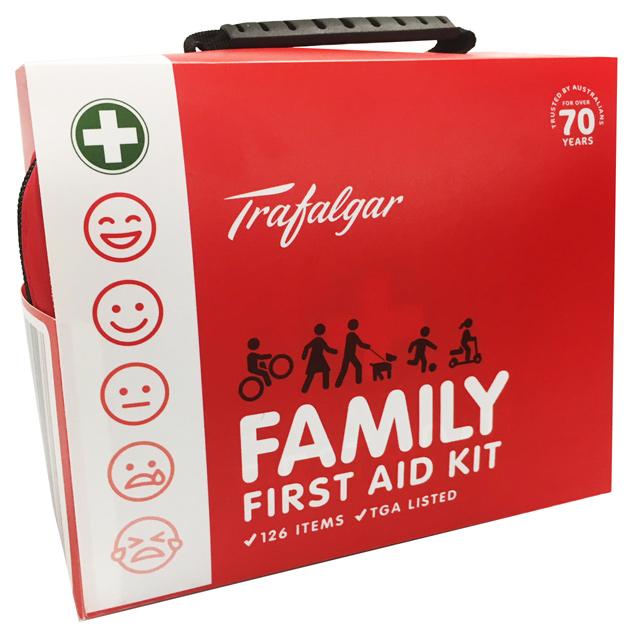
Our final tip for the best wound care is to keep a fully stocked first aid kit at home, in your car and at your workplace so you can deal with any wounds as soon as they occur.
Search the MediBC online store for a selection of first aid kits to suit your and your family’s needs.
We pride ourselves on offering a wide range of high-quality first aid kits, supplies and refills — it’s how we do our bit to keep Australia safe and healthy!
Wound Healing Essentials
Sterile dressings, gloves, antiseptic wipes, and creams to clean, dress, and speed up wound healing.