

Are you making the most of the late summer season? If so, you’re probably squeezing in as many trips to the beach as you can.
To enjoy the last days of summer to the max, follow our beach safety tips.

We list the hazards of spending a day by the ocean and explain what you can do to make your free time safe as well as fun.
Understand beach safety signs
Beach safety signs or flags come in different designs to tell you at a glance what hazards you should look out for, what you can and can’t do and other helpful information.
Here are some of the most important flags and signs you need to know about:
- A red flag means the beach is closed, and you shouldn’t go into the water
- A yellow flag means there may be hazards in the water
- A diamond-shaped yellow and black sign with a stinger means there are marine stingers under the water
- A square blue and white sign showing a swimmer and two flags means you must only swim between the flags
You can check out what the signs and flags look like on the Royal Life Saving Australia website.
Swim safely
If the beach signs indicate that it’s safe to swim, you’ll still need to keep your wits about you:
- Only swim in the safe area as shown, in between the red and yellow flags
- Don’t swim alone
- Don’t swim when you’ve consumed alcohol or just after a large meal
- If you get into difficulty while swimming, float on your back to save energy
- Beware of rip currents. If you get caught in one, raise an arm and call for help. Try to float with the current as it may bring you back to the shore or swim parallel to the beach until you are free
Beach safety for kids
While many beaches are kept safe by lifeguards, you should still keep a constant eye on your kids:
- Make sure they are no more than an arm’s length away from you
- Dress them in bright colours so you can spot them easily
- Decide on a meeting place, for example, the lifeguard tower, where you can meet if you get separated
- Consider giving them a wristband customised with your phone number for them to wear. This will make reuniting them with you quicker and easier if they get lost
Know about sharks and stingers
Shark attacks on humans are extremely rare, but it pays to know how to prevent this from happening while you’re enjoying a day at the beach:
- Only swim next to patrolled beaches and in safe areas, between the red and yellow flags
- Don’t swim too far away from the beach
- If you spot a shark when swimming, keep calm. Swim away as quietly as possible and alert other swimmers and the lifeguards
While treatment for stings varies according to the species, these are some general first aid guidelines for tropical jellyfish stings:
- Get the affected person out of the water
- Call triple zero (000) or attract the attention of a lifeguard if you can’t do this
- Perform CPR if required
- Rinse the affected area with vinegar
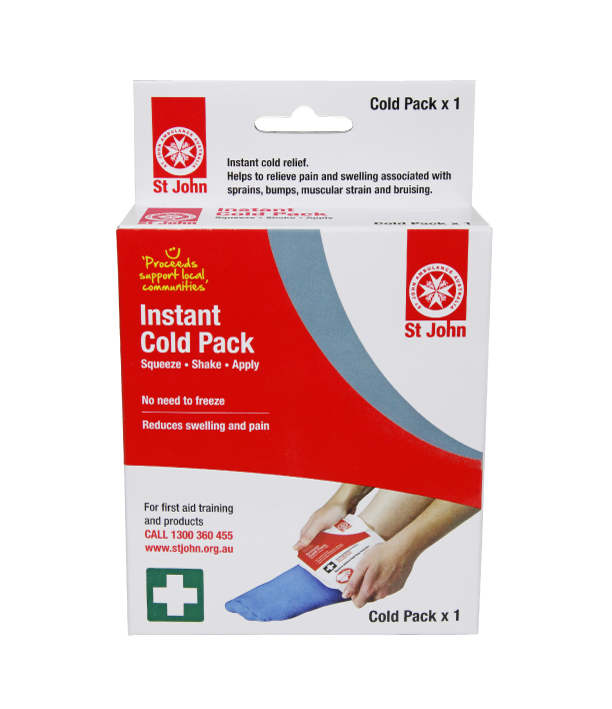
- Apply an ice pack to the area
- Get medical assistance straight away
You should NOT use vinegar for bluebottle or non-tropical jellyfish stings. Instead, remove any tentacles from the sting site and rinse with seawater. If unavailable, put the affected area in hot water or use an ice pack.
Go easy on the alcohol
It’s best to avoid alcohol altogether when spending time on the beach.
You should definitely avoid alcohol if you intend to go swimming as it can impair your judgement, decision-making skills, coordination and reaction time. You will also find it difficult to control your body temperature.
Be prepared with a first aid kit
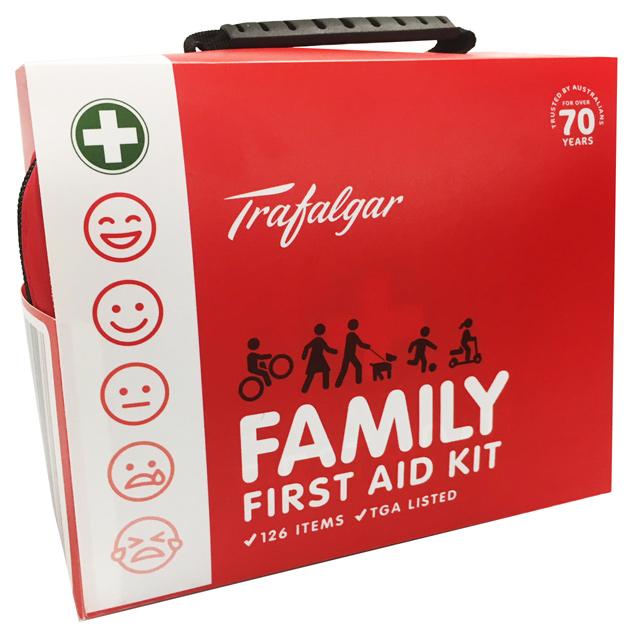
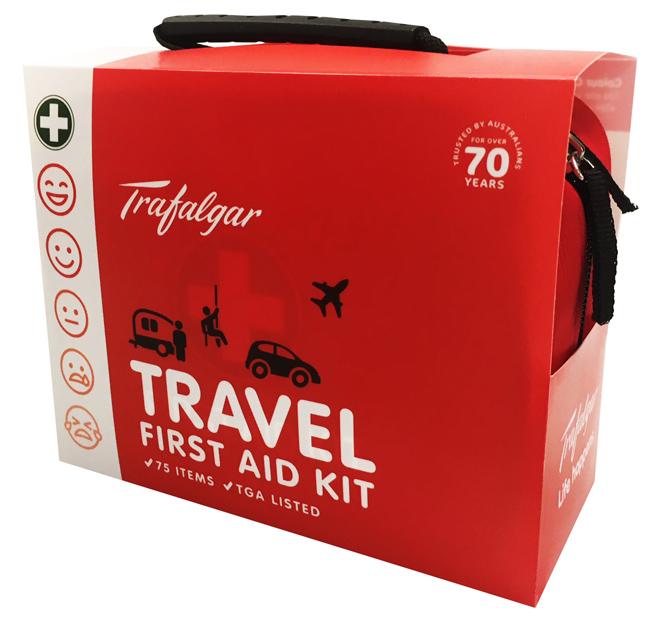
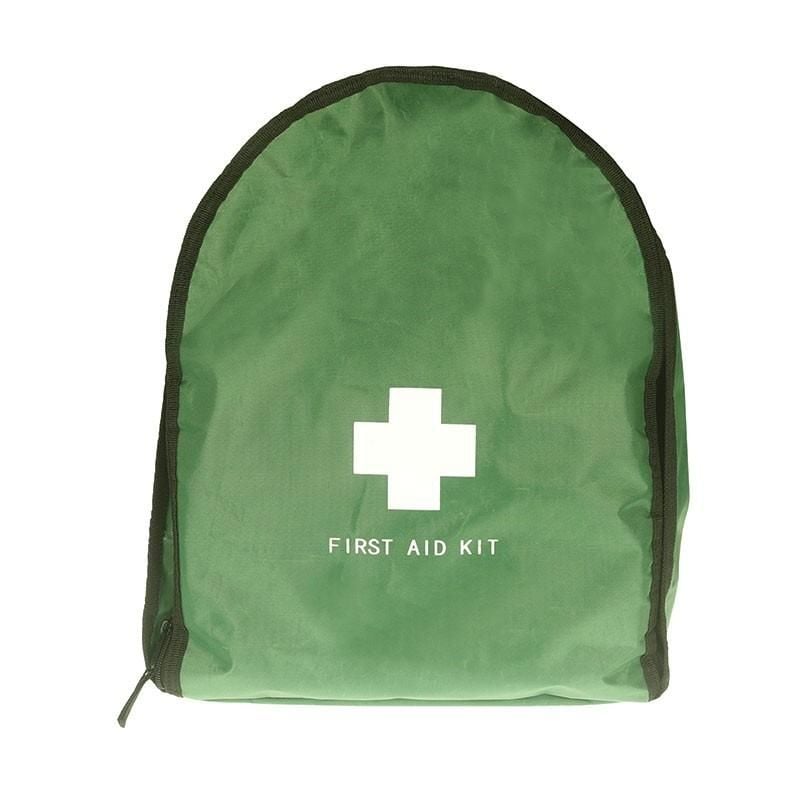
One easy way to be prepared on the beach is to take a first aid kit with you. Have a vehicle first aid kit stashed in your car in case you need it while travelling.
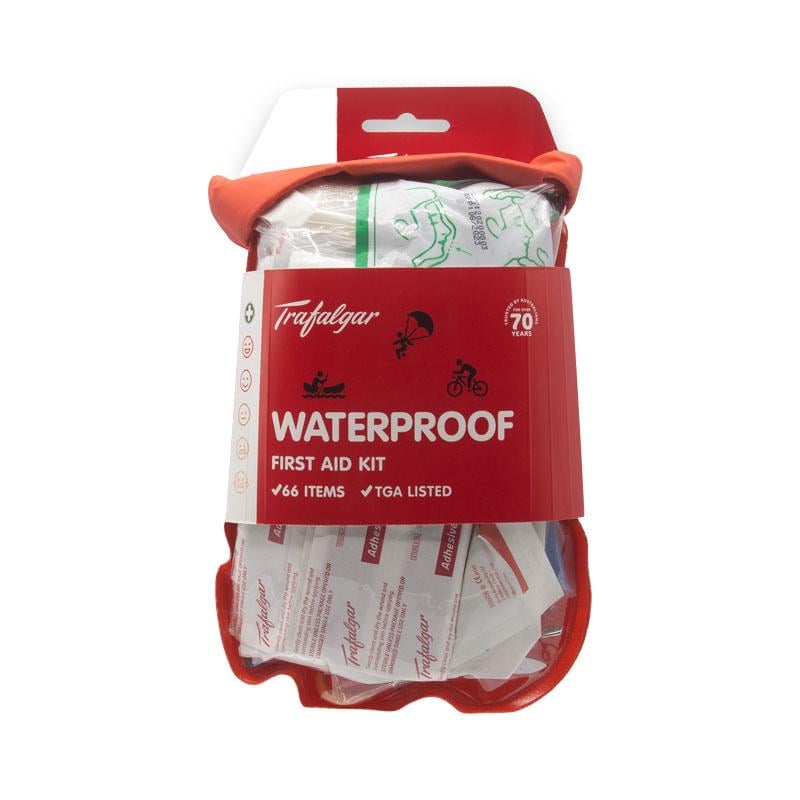
You can also take a portable first aid kit with you when you head to the beach. Backpack kits are ideal as they’re easy to carry.
Your first aid kit should contain all the usual supplies and items that you are likely to need at the beach. These include ice packs to deal with stings and bruises and skin cleaning wipes for use when there’s no running water available.
So before you set off on your adventure, ensure that you have all the kit refills you need for your first aid kit.
Enjoy that carefree feeling
Part of the pleasure of the beach is that carefree feeling. So make sure you’re up to date with safety rules and have that all-essential first aid kit stashed away just in case.
Take a look at our online collection of first aid kits. Choose from an extensive range, from kits you can keep in your car to small and portable first aid kits that you can bring along to the beach.
It only takes a few minutes to click and order from our site, and you’ll benefit from quick delivery Australia-wide, so start planning that trip to the beach now before summer runs out!
Beach Safety & First Aid Essentials
Sunscreen, waterproof first aid kits, family kits, and insect repellent to keep beach days safe and fun.