AU
AU  EU
EU  NZ
NZ  UK
UK  US
US 



Spider bites in Australia: first aid, symptoms and when to worry
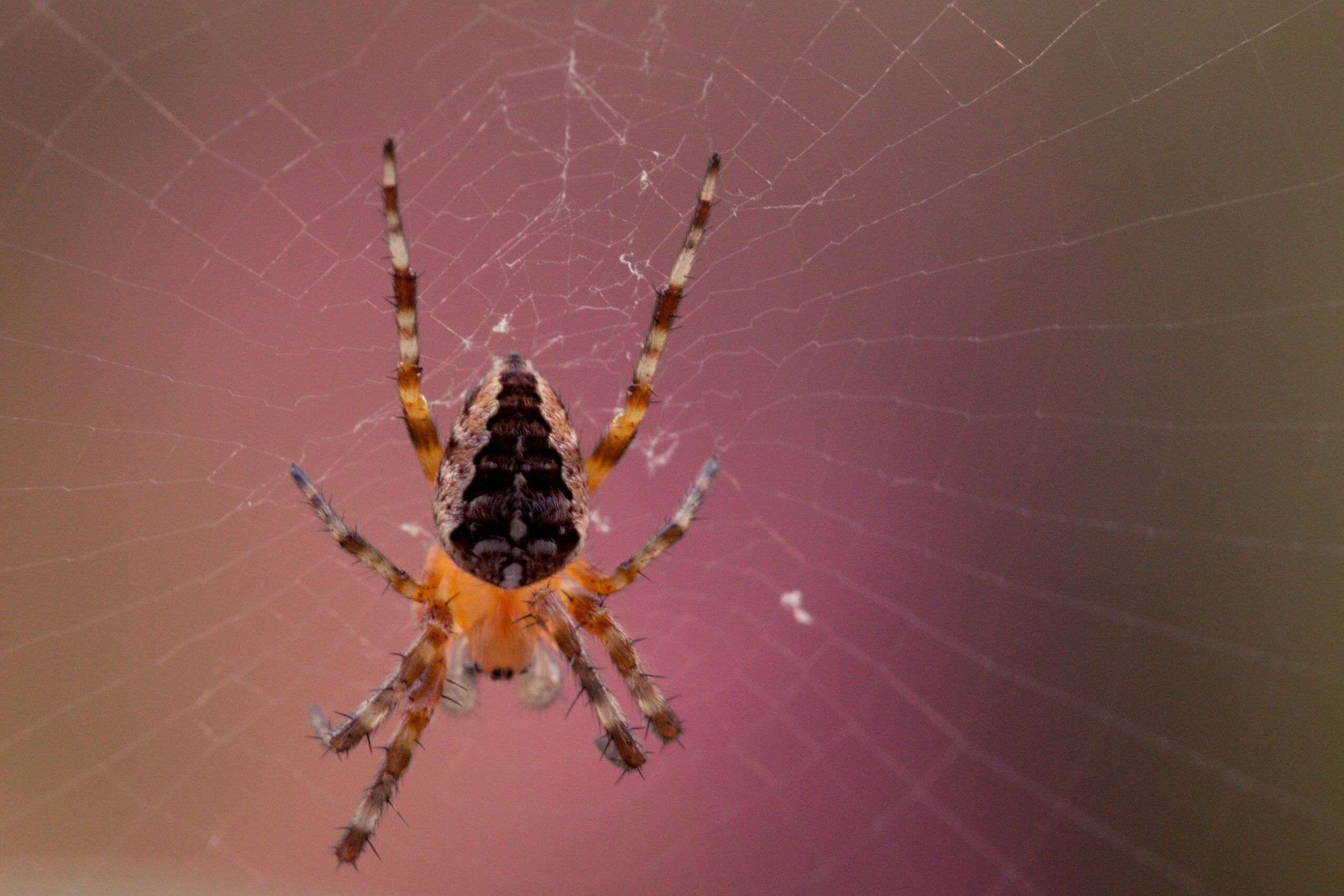
Most spider bites in Australia are minor and settle on their own. A small number are not. Knowing which is which, and what to do in the first few minutes, is the difference between a calm wait and a genuine emergency.
Quick answer
Funnel-web group bites are a medical emergency. Apply a pressure immobilisation bandage, keep the person still, and call 000 now. For a redback, white-tail or any other spider, do the opposite: do not bandage. Apply a cold pack for the pain, stay calm, and seek medical advice if symptoms worsen.
Poisons Information Centre: 13 11 26 · Emergency: 000
What does a spider bite look like?
A typical spider bite leaves one or two small puncture marks, with redness, mild swelling and local pain or itching. For the large majority of Australian spiders, that is the whole story. Symptoms that point to something more serious include severe or spreading pain, heavy sweating, nausea or vomiting, muscle cramps, difficulty breathing, or fast deterioration after a bite from a large dark spider. Those are signs to act quickly rather than wait and see.
Identifying the spider helps, but you should never delay first aid or capture a live spider to do it. If you can safely photograph it, that can help the treating clinician later.
Australian spider bites at a glance
| Spider | Typical signs | First aid | Urgency |
|---|---|---|---|
| Funnel-web (and mouse spider) | Large, dark, glossy. Severe pain, sweating, muscle twitching, fast deterioration. Effects can start within 10 minutes. | Pressure immobilisation bandage + immobilise. Call 000. | Medical emergency |
| Redback | Intense, increasing local pain, sweating, sometimes nausea. Slow-acting venom. | Cold pack for pain. Do not bandage. Stay still, seek medical advice. | Seek medical care |
| White-tail | Mild local pain, redness, itching. Does not cause flesh-eating ulcers (see below). | Cold compress, clean the bite, monitor. Do not bandage. | Usually self-care |
| Huntsman, wolf, other | Local pain and swelling. Not dangerous to humans, though a bite can hurt. | Cold pack, clean, monitor. Do not bandage. | Usually self-care |
Source: ANZCOR Guideline 9.4.2 and healthdirect. The single most important rule: pressure immobilisation is for the funnel-web group only.
Redback spider bite: symptoms and first aid
The redback is one of the two Australian spiders whose bite regularly needs medical attention. Its venom acts slowly, so there is usually time to respond calmly. The bite causes intense and increasing pain that can spread, often with sweating around the bite and sometimes nausea.
First aid for a redback bite:
- Keep the person calm and still. Reassure them.
- Apply a cold pack to the bite for up to 15 minutes to ease the pain. Wrap it in a cloth so it does not sit directly on the skin.
- Do not apply a pressure immobilisation bandage. Compression increases pain without slowing the slow-acting venom.
- Clean the bite gently with soap and water.
- Seek medical advice. Call 000 for a child, an elderly person, or anyone with severe pain or collapse. Otherwise call the Poisons Information Centre on 13 11 26.
A cold pack belongs in every kit
An instant cold pack is the one item redback and white-tail first aid both rely on. Check yours is in date.
White-tail spider bite: what to do
White-tail spider bites have a fearsome reputation that the evidence does not support. The widely repeated claim that they cause flesh-eating ulcers (necrotic arachnidism) has been studied and disproven. A 2003 study of 130 Australians with confirmed white-tail bites found no cases of skin ulceration. Where ulcers do follow a bite, the cause is usually a secondary bacterial infection, not the venom.
In practice, a white-tail bite causes mild local pain, redness, swelling and itching that settles over a few days.
First aid for a white-tail bite: apply a cold compress for up to 20 minutes to ease pain, clean the bite, and keep an eye on it. Do not bandage. See a doctor if symptoms worsen rather than improve, or if signs of infection appear.
Funnel-web spider bite: this is a medical emergency
The funnel-web group, including the Sydney funnel-web and the related mouse spiders, is the most dangerous in Australia. These are large, dark, glossy spiders, and a bite can produce life-threatening effects within about 10 minutes. This is the one situation where you act immediately and do not wait.
First aid for a funnel-web bite:
- Call 000 immediately.
- Apply a pressure immobilisation bandage along the whole limb. Use the same firmness as for a sprained ankle. If the bite is on the hand, bandage as much of the arm as possible, starting just above the fingers. If it is on the foot or leg, bandage the entire leg from just above the toes.
- Immobilise the limb with a splint if you can, and keep the person completely still. Movement speeds the venom through the body.
- Keep the person calm and under constant watch. Do not remove the bandage. Leave it for the ambulance crew or hospital staff.
Spider bite treatment: the DRSABCD steps
If someone collapses or stops breathing after a bite, switch from bite first aid to basic life support. DRSABCD is the action plan taught across Australia.
- D — Danger. Make the area safe for you and the patient.
- R — Response. Check for a response: talk and touch.
- S — Send for help. Call 000.
- A — Airway. Open and clear the airway.
- B — Breathing. Check for normal breathing.
- C — CPR. Start chest compressions if not breathing normally.
- D — Defibrillation. Apply a defibrillator as soon as one is available.
For the full breakdown, see our guide on what DRSABCD stands for.
When to worry about a spider bite
Call 000 if the person has been bitten by a large dark spider, has severe or spreading pain, is sweating heavily, feels sick, has trouble breathing, or deteriorates quickly. The same applies to young children, the elderly, and anyone who collapses. If you are unsure and the person is stable, the Poisons Information Centre on 13 11 26 gives advice on whether a hospital visit is needed.
What to keep in your first aid kit for bites and stings
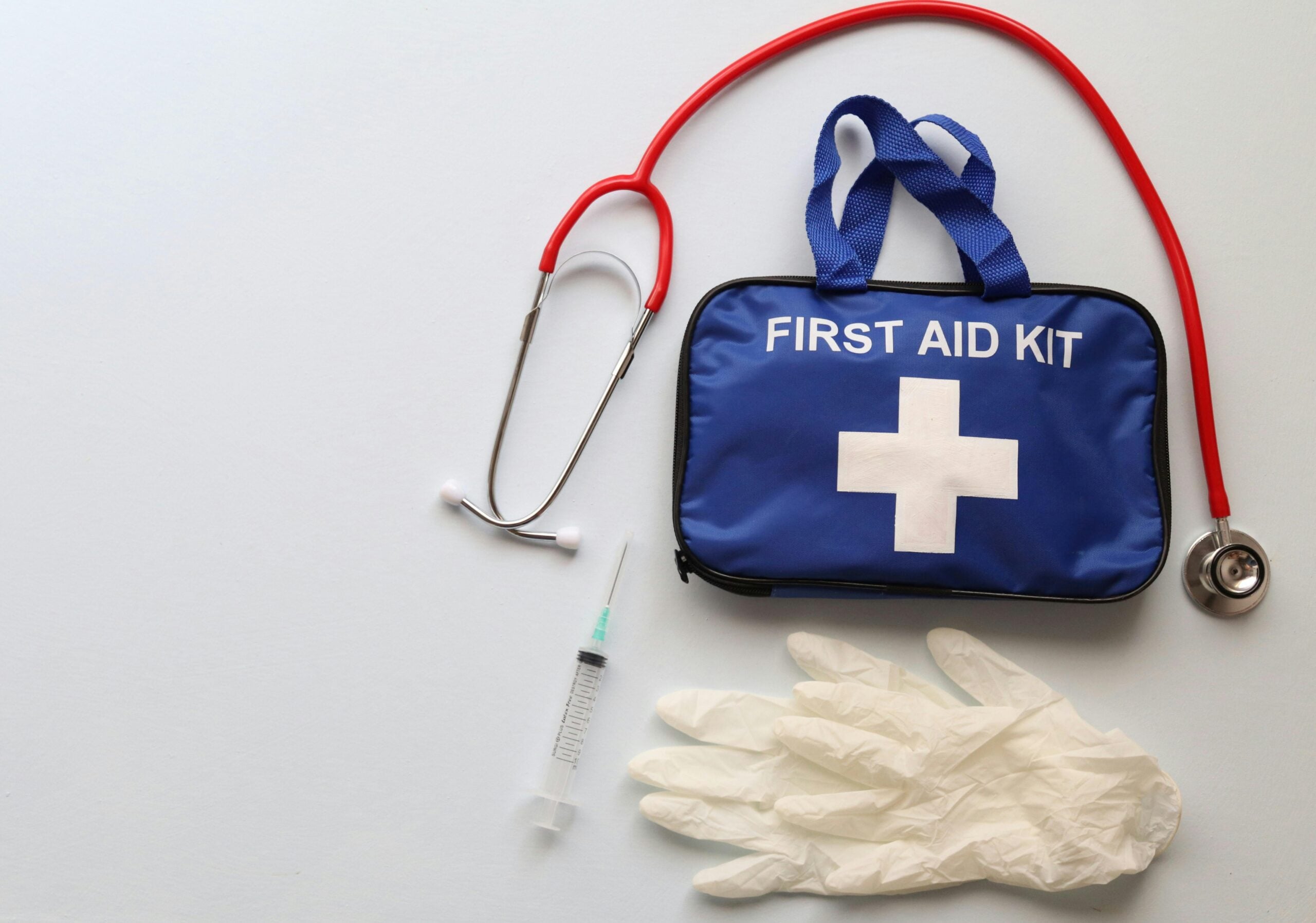
Bite and sting first aid comes down to a few reliable items. Most situations need only a cold pack and a clean dressing, and the funnel-web emergency needs a wide elasticised bandage long enough to wrap a whole limb.
- Instant cold packs — for redback, white-tail and most other bites.
- Wide elasticised (heavy crepe) bandages — for the pressure immobilisation technique in a funnel-web or snake-bite emergency.
- Antiseptic and clean wound dressings — to clean a bite and reduce infection risk.
- An up-to-date first aid guide — so anyone can follow the right steps under pressure.
Build a kit that covers Australian bites and stings
From a home and family kit to a workplace-compliant kit, we stock the cold packs, bandages and dressings that bite and sting first aid relies on, and we refill the kit you already own.
Spider bite first aid: frequently asked questions
When should you worry about a spider bite?
Worry and call 000 if the bite came from a large dark spider, or if there is severe or spreading pain, heavy sweating, nausea, breathing difficulty, or rapid deterioration. Young children, the elderly and anyone who collapses should be treated as urgent. If the person is stable and you are unsure, call the Poisons Information Centre on 13 11 26.
How long do redback spider bite symptoms last?
Redback venom acts slowly, so pain can build over hours and, untreated, may persist for days. A cold pack helps with the pain. Because the picture can change over time, it is worth seeking medical advice rather than assuming it will settle quickly.
Can you die from a redback spider bite?
No deaths from redback bites have been recorded in Australia since antivenom became available. Bites can be very painful and some people need medical care, but with appropriate treatment the outcome is good. Treat every bite seriously and seek advice, especially for children and the elderly.
What should you put on a spider bite?
For a redback, white-tail or most other spiders, apply a cold pack wrapped in cloth to ease pain, and clean the bite. Do not apply a pressure bandage to these bites. The only spider bite that calls for a pressure immobilisation bandage is the funnel-web group, which is a medical emergency needing 000.
Do white-tail spider bites cause flesh-eating ulcers?
No. The link between white-tail bites and necrotic ulcers has been studied and disproven. A study of 130 confirmed white-tail bites found no skin ulcers. Where ulcers do follow a bite, the usual cause is a secondary bacterial infection. A white-tail bite is typically mild and settles with a cold compress and monitoring.
Sources
- ANZCOR Guideline 9.4.2 — First Aid Management of Spider Bite
- ANZCOR Guideline 9.4.8 — Envenomation: Pressure Immobilisation Technique
- healthdirect — Spider bites: treatment, symptoms and first aid
- The Royal Children's Hospital Melbourne — Clinical Practice Guidelines: Redback Spider Bite
- Australian Venom Research Unit, University of Melbourne — First Aid
Related first aid guides: first aid for burns and scalds, food poisoning treatment, and the DRSABCD action plan, and snake bite first aid.