

Sudden cardiac arrest affects around 30,000 Australians a year, with about 90% of cases ending in death.
In fact, deaths from sudden cardiac arrest are four times more likely than death from stroke and three times more common than death from major trauma (Source: takeheartaustralia). But despite these statistics, many of us don’t know a lot about this condition.
In this post, we’re going to explain more about sudden cardiac arrest, how it differs from heart attack and how the use of a defibrillator can help save lives.
What is sudden cardiac arrest?
Sudden cardiac arrest is when your heart suddenly stops working. This means that your vital organs aren’t receiving blood and you stop breathing and lose consciousness. Unfortunately, in the majority of cases, the patient dies suddenly unless quick action is taken.
What causes sudden cardiac arrest?
Sudden cardiac arrest is caused by a problem with the heart’s electrical system. This results in an irregular heartbeat (arrhythmia), which stops the pumping action of the heart.
Sudden cardiac arrest vs heart attack
Sudden cardiac arrest and heart attack are different. As we’ve seen, in sudden cardiac arrest, there’s a fault in your heart’s electrical system that stops the blood flow.
With a heart attack, blood flow to a section of the heart is blocked. Most heart attacks are caused by coronary heart disease. It’s often caused by cholesterol building up in the arteries and forming plaque, which causes a blockage.
A heart attack may also lead to sudden cardiac arrest.
If a person is experiencing a heart attack, they will usually still be breathing and alert to some degree. They may also be experiencing chest pain and discomfort.
In a sudden cardiac arrest, the patient will be unconscious and will stop breathing.
What are the symptoms of sudden cardiac arrest?
The symptoms of sudden cardiac arrest will come on very suddenly. They include:
- Sudden collapse
- Lack of pulse
- Stopping breathing
- Loss of consciousness
In some cases, the patient may show some signs before sudden cardiac arrest including:
- Discomfort in the chest area
- Shortness of breath
- Weakness
- Fluttering, pounding or fast-beating heart
What should I do if I witness sudden cardiac arrest?
If you see someone experiencing what looks like sudden cardiac arrest, here’s what you should do:
- Call triple zero (000) to request an ambulance.
- The operator will guide you through CPR (cardiopulmonary resuscitation). This involves giving chest compressions only or a mixture of chest compressions and rescue breaths until paramedics arrive.
- The operator may also instruct you to use a defibrillator if you have one nearby. You will need to place the pads on the patient’s chest, and the operator will talk you through what to do. The defibrillator will also give you prompts and will analyse the patient’s heart rhythm and deliver a shock if necessary.
- If the patient becomes responsive — for example, if they cough or open their eyes — put them in the recovery position leaving the defibrillator attached and give them CPR again if necessary.
How do defibrillators work?
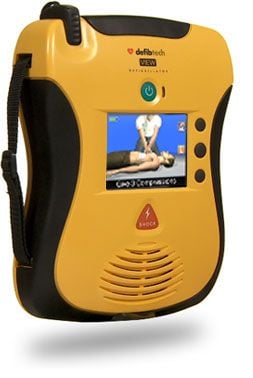
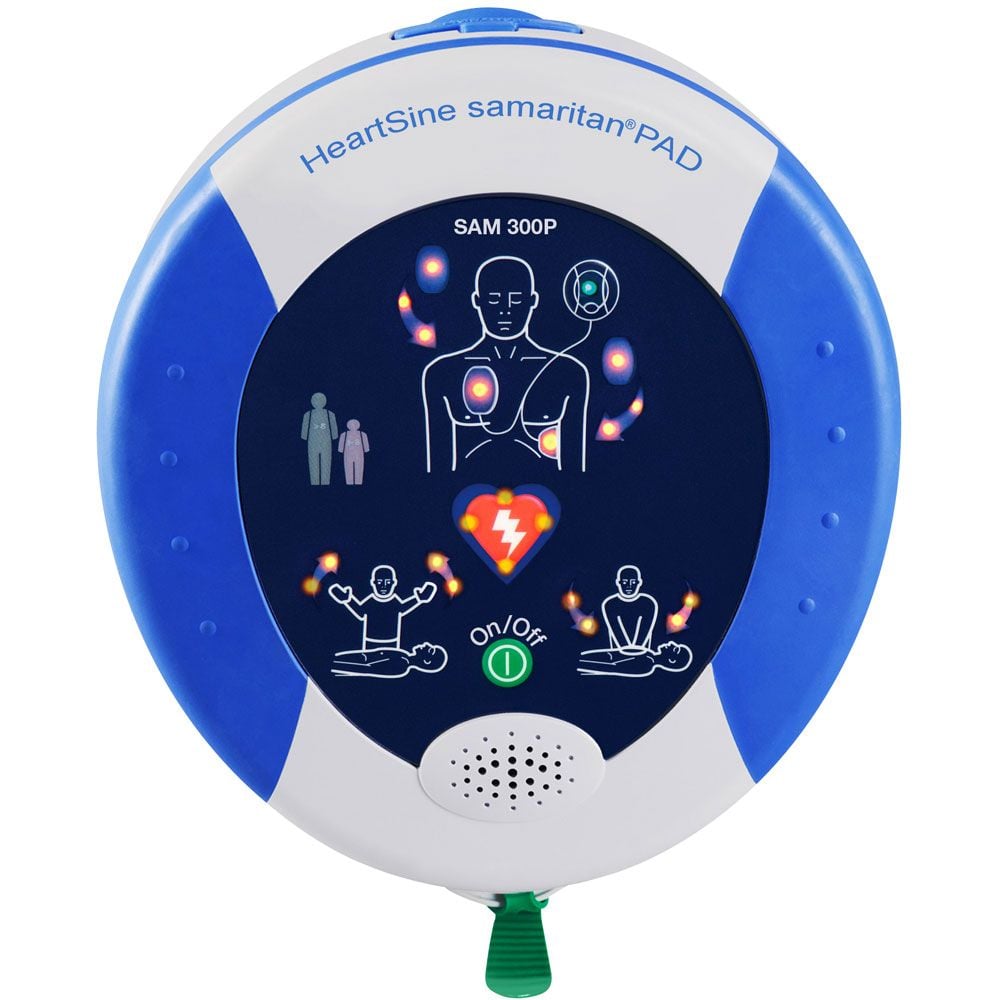
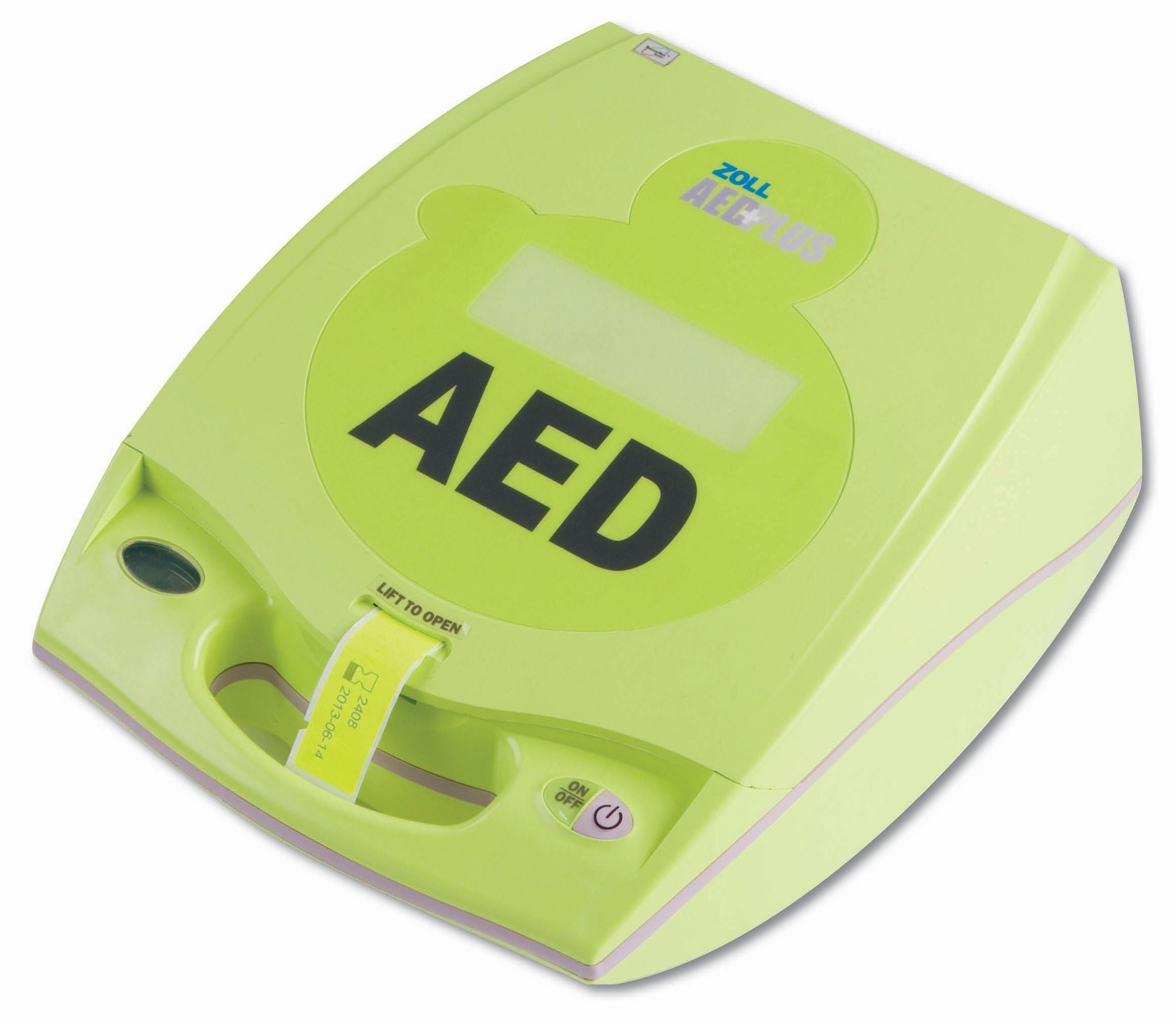
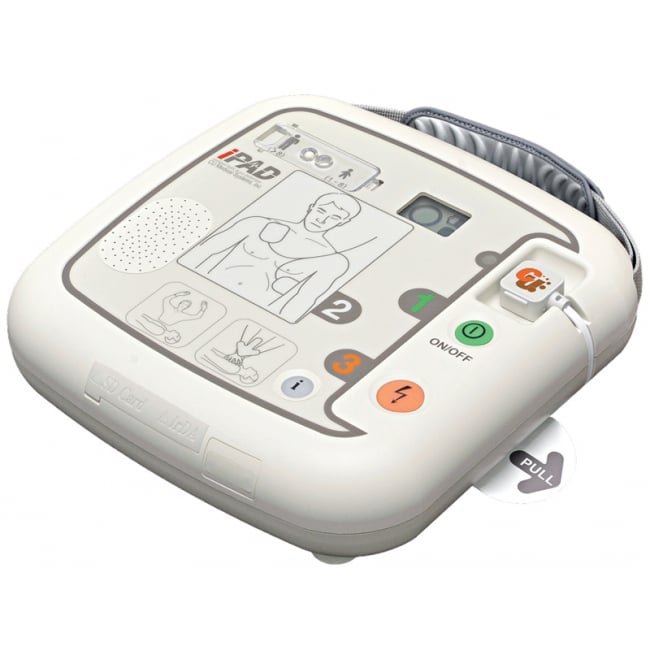
An AED (automated external defibrillator) is a portable and battery-powered device that works by checking the heart’s rhythm and sending a shock to restore a normal rhythm.
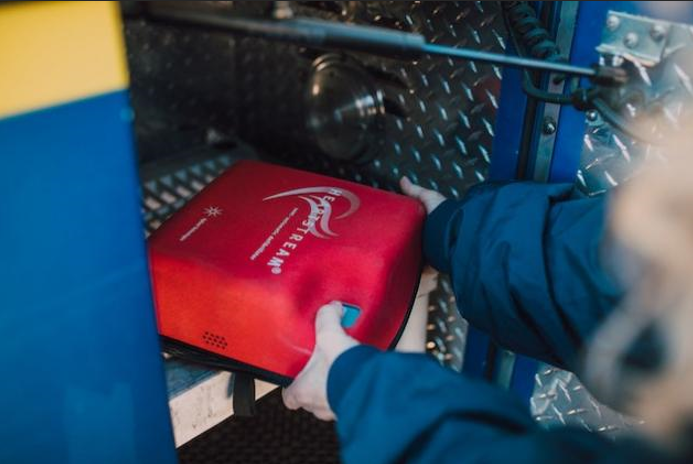
It will have written, visual or audio instructions (or a combination of all three) and is easy to use, even if you haven’t done so before.
Why are defibrillators so important?
With sudden cardiac arrest, death can happen in minutes. To give the patient the best chance of survival, they need immediate help while you are waiting for the ambulance to arrive.
Having a defibrillator in your workplace, school or community is essential to giving people experiencing sudden cardiac arrest the very best chance of survival. It’s also important to ensure that your colleagues and community members know how to locate the defibrillator and how it works.
If you are responsible for first aid in your organisation, make sure that people understand what sudden cardiac arrest is and how it’s treated.
Invest in a defibrillator if you don’t already have one and make sure everyone knows where it is and how to operate it.
You may also want to train staff or community members in CPR so that they feel confident giving it.
Finally, ensure that you have a fully stocked first aid kit available to deal with a range of other first aid emergencies.
Defibrillators help save lives
Witnessing sudden cardiac arrest can be scary. But if you know about the condition and can recognise it, it will be less daunting.
Knowing how to give essential help at the scene and having the right equipment is essential. That’s why having a defibrillator available in your work or community space is so important.
Take a look at the defibrillators in the MediBC range. They’re all easy to use and could one day help save a life.
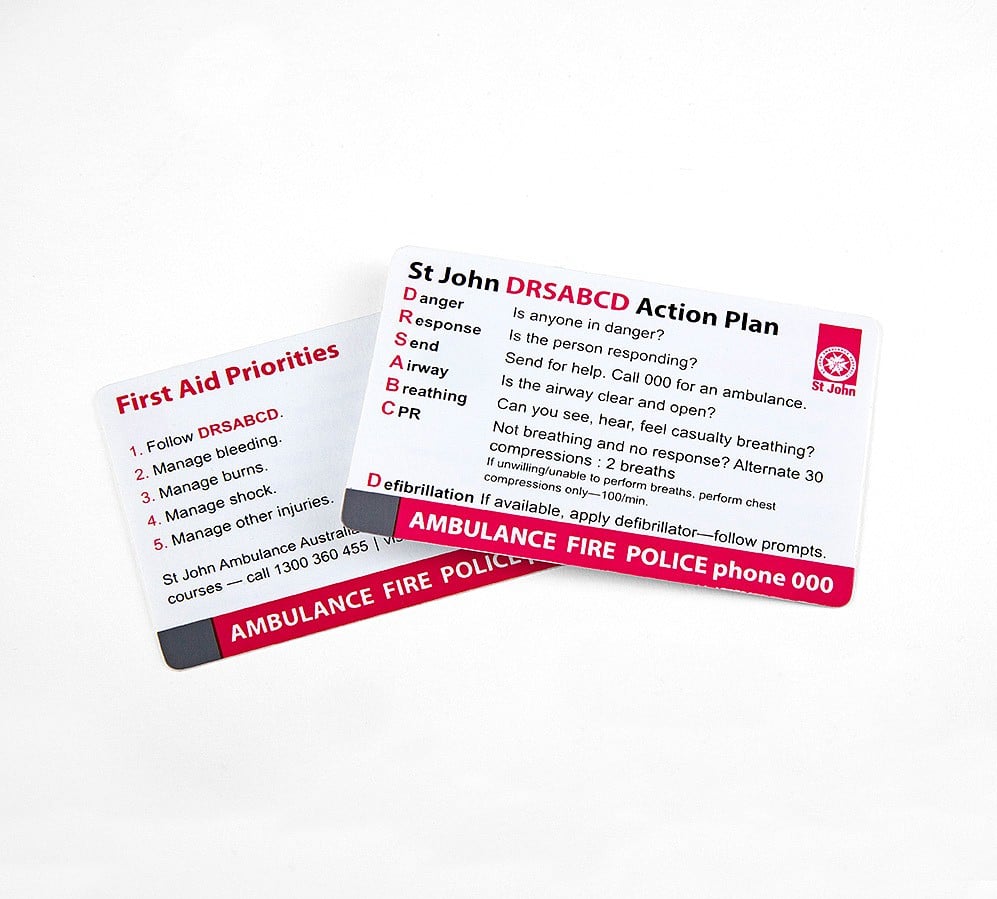
Read next: Sudden cardiac arrest response follows the DRSABCD action plan — D-R-S-A-B-C-D, the Australian standard for any collapse.
Sudden Cardiac Arrest: AED Essentials
Easy-to-use AEDs and CPR aids that turn bystanders into lifesavers within the critical first minutes.