

Reviewed by the Medibc First Aid Team — last updated May 2026.
Almost 50,000 eye injuries happen in Australian workplaces every year, and Safe Work Australia estimates 95% of them are preventable with the right equipment and response. A correctly placed eyewash station can be the difference between a worker returning to the job within hours and a permanent loss of vision.
This workplace eye safety guide walks Australian employers, safety officers, and household DIYers through the eyewash stations, irrigation tools, and eye dressings every site should have on hand — plus the WHS rules that govern them and the response steps for the most common eye emergencies.
Common workplace eye injuries
Construction, manufacturing, mining, agriculture, and lab work top the list for eye injury rates. Five injury types account for most workplace incidents.
Foreign body in the eye
Dust, metal swarf, wood splinters, grit. Usually surface-level and easy to flush with running water or saline. The risk: rubbing makes it worse and grinds the particle into the cornea.
Chemical splash
Cleaners, solvents, paints, acids, and alkalis. The most time-critical injury — the first 60 seconds determine the outcome. Continuous irrigation for 15-20 minutes is the standard response, and it’s only possible with an eyewash station the worker can reach in seconds.
Penetrating injury
Glass, metal shard, splinter that’s actually pierced the eye. Do NOT flush. Do NOT remove. Cover both eyes (to prevent sympathetic movement) and call triple zero (000).
UV / arc-eye burns
Welders and farmers without proper shading get UV burns to the cornea — arc eye. Symptoms appear 6-12 hours after exposure. Treatment is cool compresses, darkened room, and a GP visit.
Blunt trauma
Impact injuries from tools, balls, or falling objects. Cold compress to reduce swelling, then medical assessment to check for retinal damage.
WHS rules on workplace eyewash stations
Safe Work Australia’s First Aid in the Workplace Code of Practice sets the framework. ANSI Z358.1 (the international standard often referenced in Australian risk assessments) specifies the practical details.
Where eyewash is mandatory
- Any workplace handling chemicals, acids, alkalis, or biological agents.
- Construction sites where flying debris or dust is generated.
- Welding shops, foundries, woodworking shops, and metal fabrication.
- Laboratories — clinical, industrial, or educational.
- Agriculture and horticulture with fertilisers, pesticides, or animal hazards.
Placement rules
- Within 10 seconds’ reach of any hazard — roughly 16 metres on level ground.
- On the same level — no stairs between hazard and station.
- Clearly signed and unobstructed at all times.
- Tepid water (16-38°C) — freezing or scalding water makes the injury worse.
- Flow for 15 minutes minimum at 1.5 litres per minute for plumbed units.
Maintenance and testing
Plumbed eyewash units must be tested weekly to flush stagnant water from the pipes and confirm flow. Self-contained (portable) units need fluid replacement per manufacturer schedule — usually 6-12 months. Single-use eyewash bottles have a 2-3 year shelf life from manufacture and should be checked at every quarterly first aid kit audit.
Choosing the right eyewash station for your workplace
One size doesn’t fit all. Match the station to the hazard, the number of workers, and the layout.
Plumbed wall-mounted units
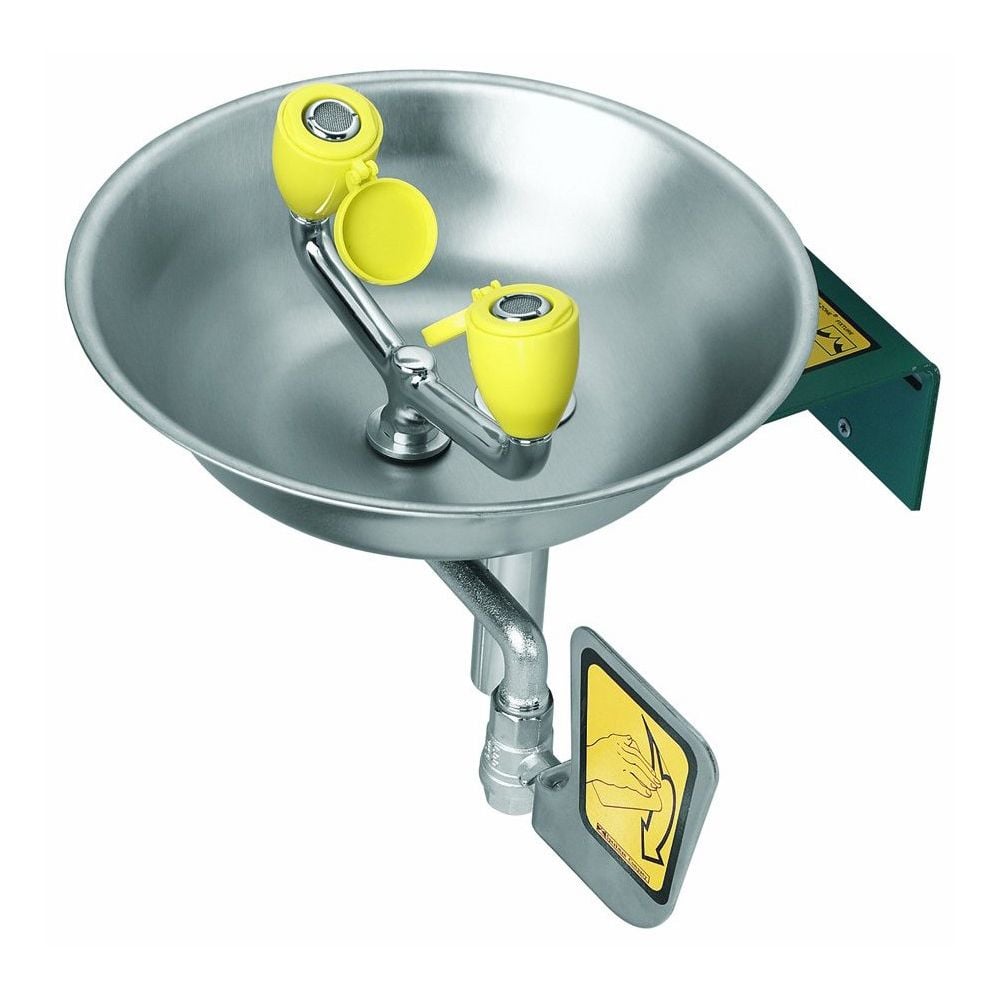
The gold standard. Connected to mains water, hands-free activation (push-flag), and unlimited flow. Best for fixed work zones where chemical or particulate hazards are routine. A wall-mounted hand-push-flag unit meets the 10-second / 15-minute / hands-free requirements for most labs and workshops.
Free-standing pedestal units
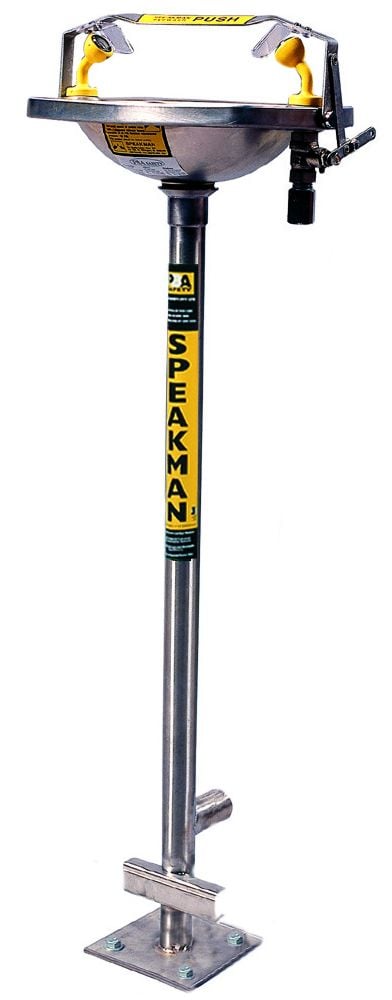
Same flow as wall-mounted but with a floor-standing pedestal — useful for the middle of a workshop where there’s no convenient wall mount. A free-standing pedestal eyewash doubles as a visible safety marker in the workplace.
Portable bottles for site work
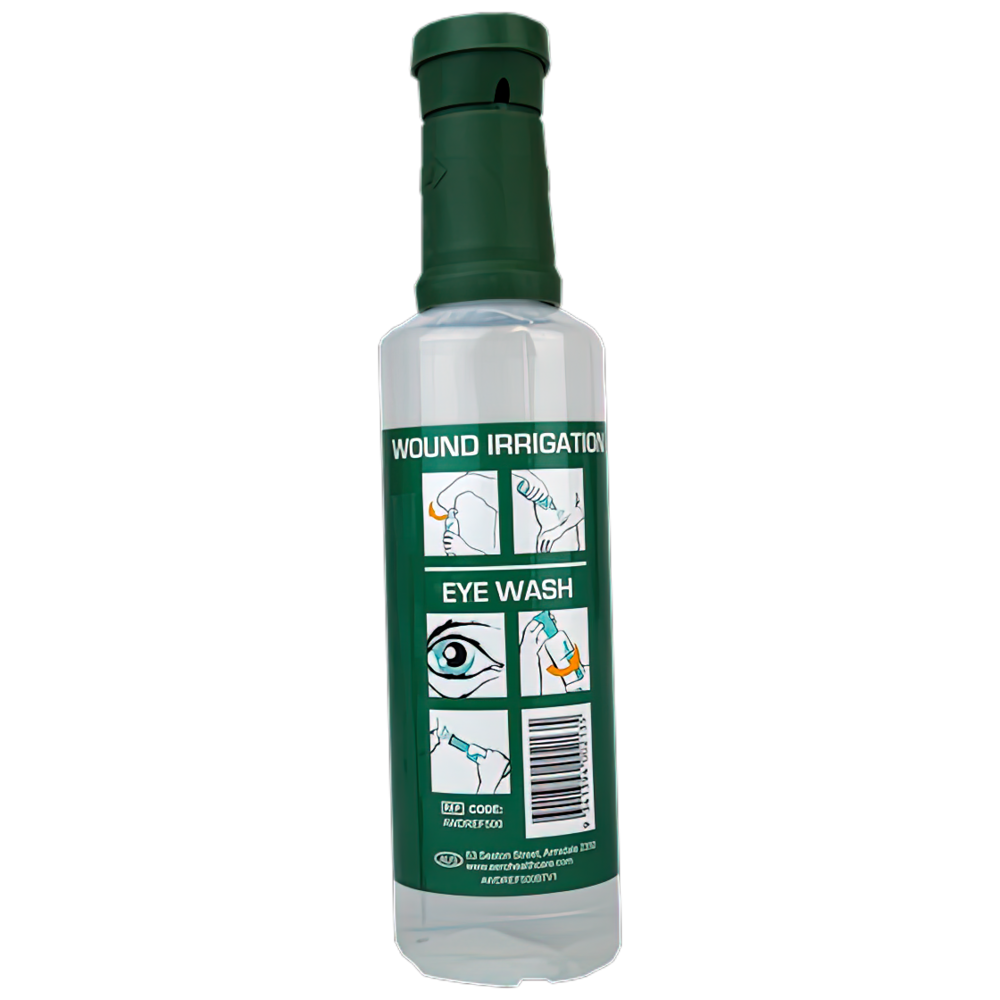
For sites with no mains water (remote construction, mobile workshops, mining), single-use eyewash bottles bridge the gap. A 500ml AEROWASH eyewash bottle in every vehicle and tool bag is the standard for site-based crews. Stock 1 bottle per worker minimum.
Eye injury first aid: step-by-step response
For chemical splash
- Within 10 seconds: get the worker to the eyewash station.
- Open the eyelids wide and irrigate continuously for 15-20 minutes — even if the worker says it feels better.
- Roll the eyeball in all directions while irrigating to wash under the lids.
- Remove contact lenses after a few seconds of irrigation if not already done.
- Call 000 for any alkali splash (caustic soda, cement, oven cleaner) or any acid — these continue burning after irrigation.
For foreign body
- Don’t rub.
- Irrigate with eyewash or saline for 10-20 seconds.
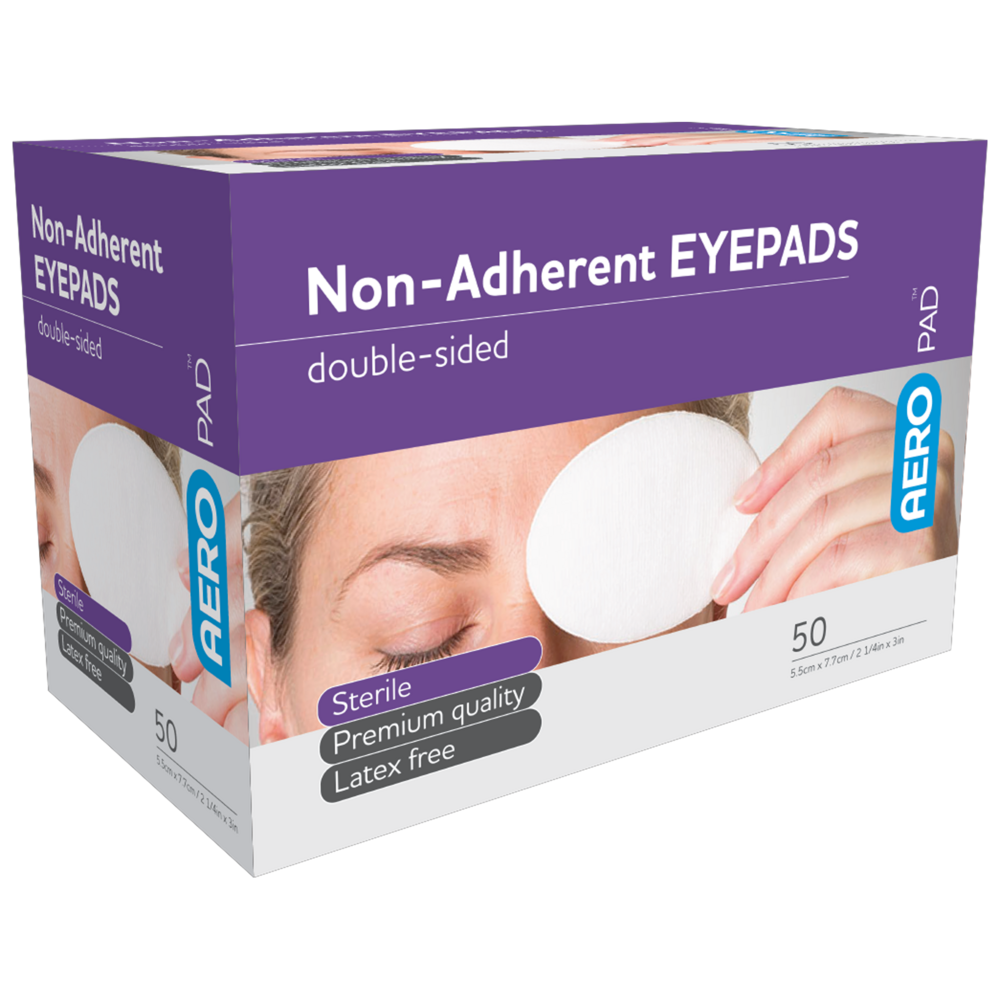
- If still uncomfortable, cover with a sterile non-adherent eye pad and seek a GP review.
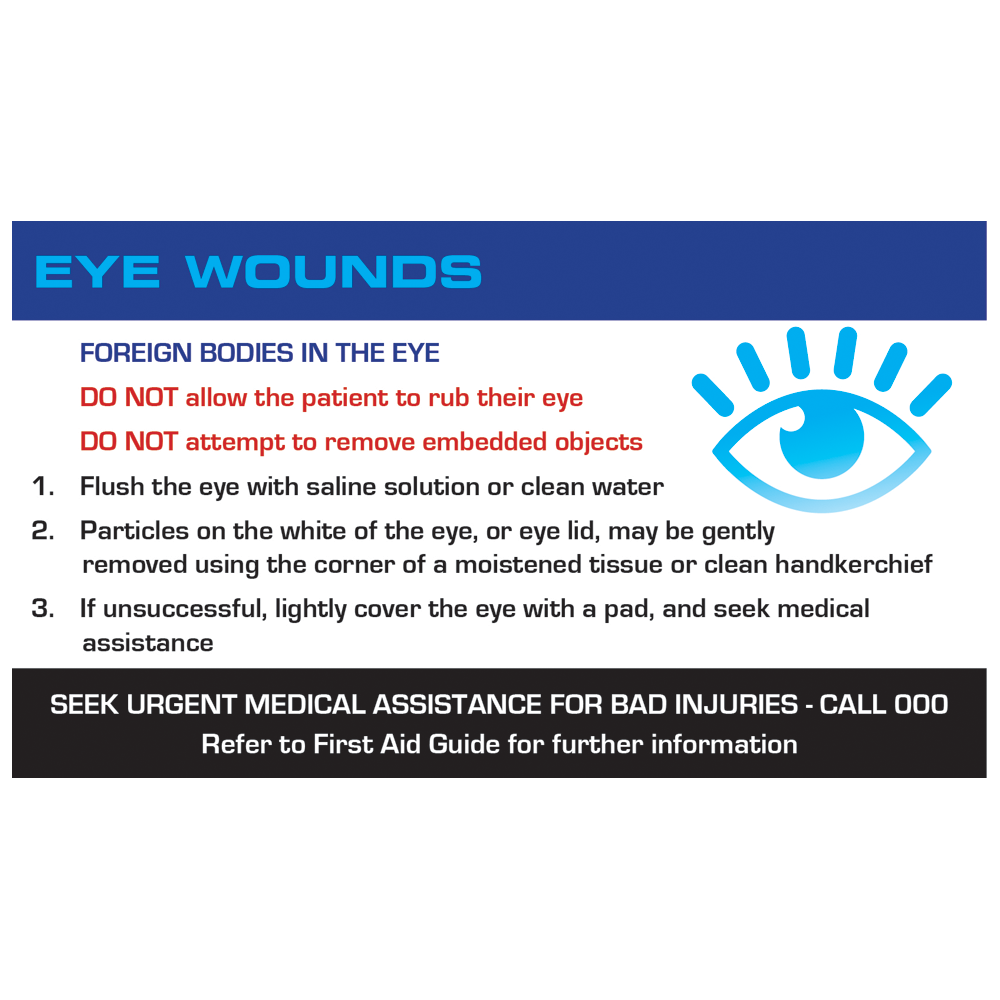
- The AEROGUIDE eye wound first aid card in the kit gives a quick reference for the first responder.
For penetrating injury
- Do NOT flush, do NOT remove the object.
- Sit the patient up, head tilted back slightly.
- Cover BOTH eyes with sterile pads (the uninjured eye is covered to prevent sympathetic eye movement).
- Call 000 immediately and keep the patient still.
Eye-shield masks for caregivers
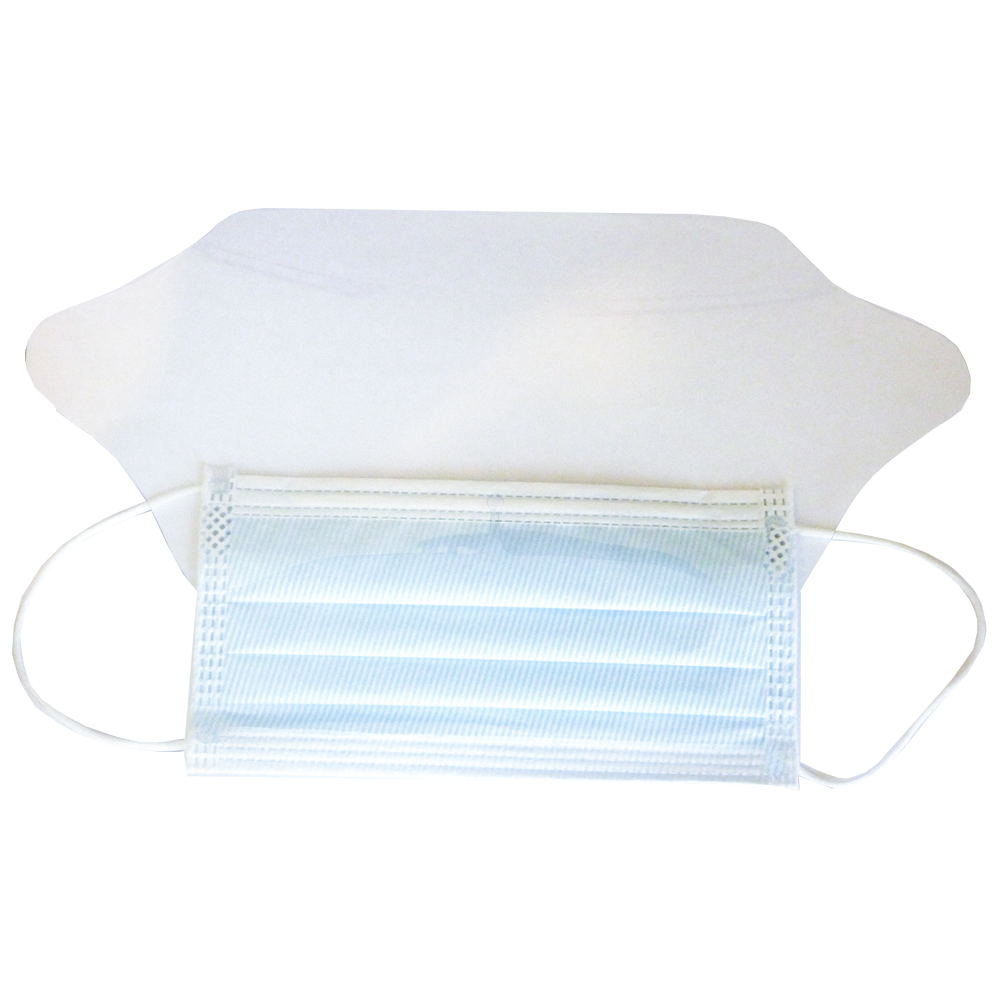
Splash injuries to first responders are a real risk. Surgical masks with attached eye shields like the AEROMASK surgical mask with eye shield protect carers during irrigation, dental work, or any blood/fluid exposure.
Building a workplace eye safety kit
The minimum kit for a workplace with eye hazards:
- Primary eyewash station (wall-mounted plumbed or pedestal).
- Backup portable eyewash bottles at vehicle level.
- Sterile eye pads — a box of 50 lasts most workplaces a year.
- Eye irrigation guide card in every first aid kit.
- Eye-shield masks for first aiders.
- WHS-compliant eye safety signage.
Browse the full protective eyewear range and construction site first aid kits on Medibc for workplace-specific bundles. For bright outdoor work, see our tinted safety glasses.
Frequently asked questions
How long should I flush an eye after a chemical splash?
Minimum 15 minutes of continuous flushing with tepid water or saline for most chemical splashes. For strong alkalis (cement, drain cleaner, oven cleaner), extend to 30 minutes and call 000 during irrigation. Don’t stop when the worker says it feels better — the chemical can still be present in the eye even after pain subsides.
Do I need a plumbed eyewash station or are bottles enough?
Plumbed stations are mandatory for workplaces with routine chemical, acid, alkali, or biological hazards. Bottles are a backup or a primary unit for mobile workforces with no mains water. For fixed workshops with chemical handling, ANSI Z358.1 and most Australian risk assessments require a plumbed unit with 15 minutes of continuous flow.
How often should workplace eyewash stations be tested?
Plumbed units: test weekly by activating for 3 minutes to flush stagnant water and confirm flow. Self-contained (sealed-fluid) units: inspect monthly, replace fluid per manufacturer schedule (usually 6-12 months). Single-use bottles: check at every quarterly first aid audit and replace before the printed expiry.
Eye safety is the cheapest insurance you’ll buy
An eyewash station costs a few hundred dollars. A vision loss claim and the time-off costs from a single chemical splash run into tens of thousands. Get the station within 10 seconds of every hazard, test it weekly, train the team in the irrigation response, and stock bottles for the vehicles that leave the yard.
Sources: Safe Work Australia Code of Practice — First Aid in the Workplace, Safe Work Australia Eye Injury Fact Sheet, healthdirect — Eye injury first aid.
Workplace Eye Safety Essentials
Plumbed eyewash stations, portable bottles, sterile eye pads, and eye-shield masks for compliant workplace eye safety.