


Collar N Cuff Slings 5cm x 10m with 10 Zip Ties
Miscellaneous
$37.56
Secure checkout
VISA
Mastercard
Apple Pay
Google Pay
Also accepted
AMEX
Afterpay
Zip
Klarna
PayPal
In stock
Only 1000 left
SKU
1497
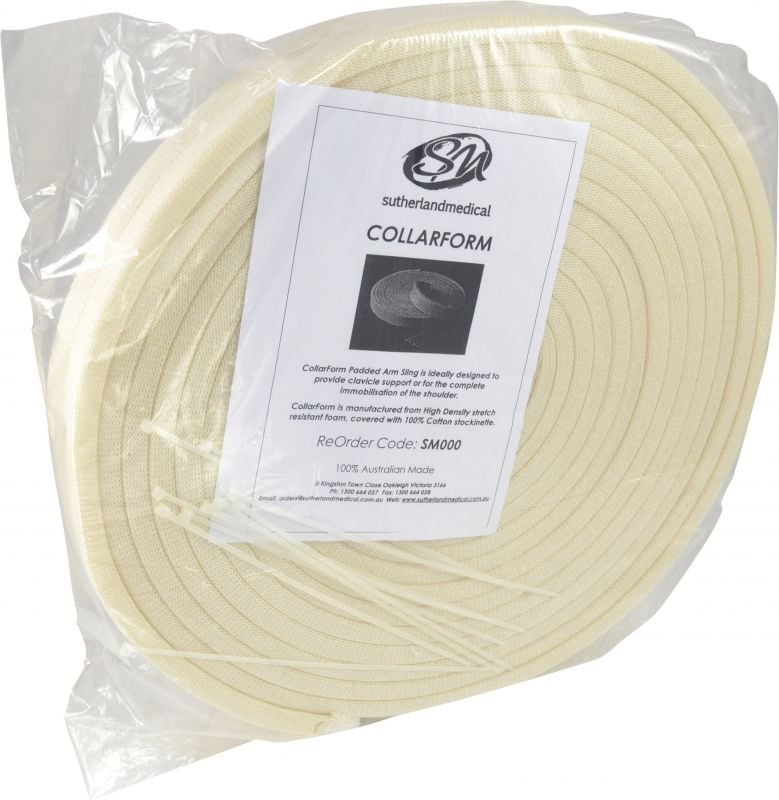
A collar and cuff sling roll, 5cm x 10m, supplied with 10 zip ties. Soft foam inside a stockinette sleeve, cut to whatever length the patient needs. One roll covers a child through to a large adult, which is why it suits clinics, sports trainers and first aid rooms better than a box of fixed-size slings.
What a collar and cuff sling is
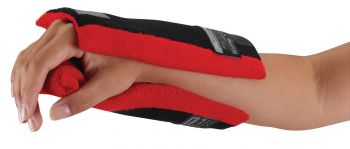
It supports an injured arm by looping soft, foam covered material around the neck and around the wrist, leaving the elbow to hang free. The foam in its sleeve gives firm support without needing extra padding, and because the material is narrow it does not cover the limb, so the injury stays visible for assessment.
It applies no upward force through the injured side. For some upper arm injuries that is exactly what is wanted: gravity acting through the hanging elbow is part of the treatment, not something to be corrected.
Collar and cuff sling versus a broad arm sling
| Type | What it supports | Typically used for |
|---|---|---|
| Collar and cuff (this one) | Wrist only, elbow hangs free | Upper arm and some shoulder injuries, where the elbow is meant to hang |
| Broad arm sling | Cradles the whole forearm | Forearm and wrist injuries, where the arm is supported across the body |
They are not interchangeable, and which one is correct depends on the injury. Follow the advice of the treating clinician.
What it is used for
- Supporting shoulder injuries and upper arm (humerus) fractures where the elbow is allowed to hang
- Resting and immobilising an injured wrist, forearm or elbow
- Post-injury and post-procedure arm support
How to apply a collar and cuff sling
Cut a length to suit the patient, pass it around the neck, support the wrist, and fasten with a zip tie so the arm rests comfortably with the hand slightly elevated. Do not pull it tight. The sling positions the limb, it does not compress it.
Check circulation after fitting and regularly afterwards. Fingers should stay warm and pink with normal sensation. Loosen it immediately if they become cold, pale, blue, numb or tingly, or if the patient reports increasing pain. For any suspected fracture, immobilise and seek medical assessment rather than treating a sling as the end of it.
Specifications
| Type | Collar and cuff sling, cut to length |
| Size | 5cm x 10m roll |
| Construction | Soft foam in a stockinette sleeve |
| Fastening | 10 zip ties supplied |
| Padding | Not required, the foam provides it |
| Fits | Any size, cut per patient |
Restock replacement zip ties, or browse first aid supplies.
Collar and cuff sling FAQs
What is a collar and cuff sling used for?
Supporting an injured arm, wrist or shoulder, especially shoulder and upper arm injuries where the elbow is deliberately left to hang. It rests and immobilises the limb while it heals.
What is the difference between a collar and cuff and an arm sling?
A collar and cuff supports only the wrist and lets the elbow hang, which suits some upper arm and shoulder injuries. A broad arm sling cradles the whole forearm across the body. They treat different injuries, so use the one your clinician specifies.
How do you apply one?
Cut a length from the roll, loop it around the neck and the wrist, and secure with a zip tie so the arm rests comfortably with the hand slightly raised. Then check the fingers, and keep checking them.
Does the roll suit different sizes?
Yes. Because it is cut to length, one 5cm x 10m roll covers children through to large adults. That is why it is stocked in clinics and first aid rooms instead of multiple fixed sizes.
How tight should it be?
Firm enough to hold position, never tight. It is a positioning device, not a compression bandage. If fingers become cold, pale, blue, numb or tingly, or pain increases, loosen it straight away and reassess.
How long is it worn for?
That is a clinical decision based on the injury, and it varies widely. Follow the instruction you were given. Keeping a joint immobilised longer than needed causes stiffness, so do not simply leave it on until it feels better.
How many slings does one roll make?
It depends on patient size and how it is applied, but a 10 metre roll yields many applications and comes with 10 zip ties. Ties are available separately once those run out.
A sling supports first aid and clinical treatment, it does not replace assessment. Seek medical attention for suspected fractures or dislocations, and urgently if circulation or sensation in the hand changes. This information is a general guide and is not medical advice.
Frequently bought together
You may also need