


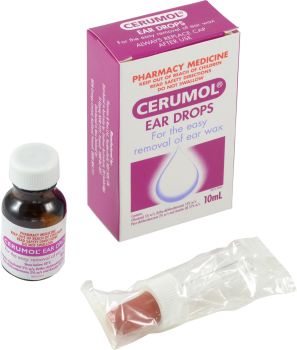
Cerumol Ear Drops 10ml
$17.15
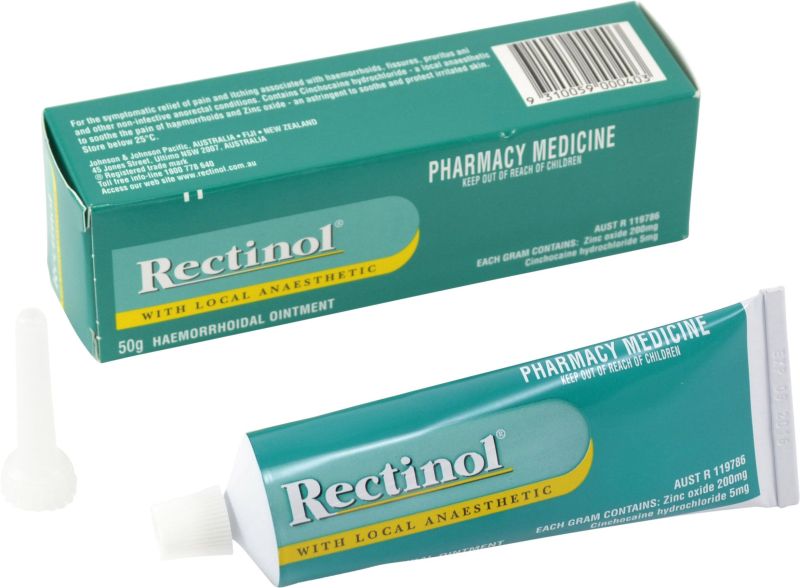
Rectinol Ointment 50g provides fast temporary relief of pain and itching associated with haemorrhoids, anal fissures, and pruritus. Combines cinchocaine local anaesthetic with zinc oxide for soothing protection.
Rectinol ointment is a pharmacy haemorrhoid treatment that combines a local anaesthetic with a protective astringent to settle the pain, stinging and itching of piles. It is widely searched for as Rectinol cream, and it is the same product - a smooth white ointment supplied in a 50g tube with an applicator nozzle. Registered in Australia as AUST R 119786.
The formula does two jobs at once. Cinchocaine hydrochloride is a local anaesthetic that numbs the area, which is what takes the edge off the sharp pain and the itch. Zinc oxide is an astringent and skin protectant that forms a barrier over inflamed tissue so it is less irritated by moisture and friction. Between them they cover the two things people actually want stopped.
Rectinol ointment is indicated for the symptomatic relief of pain and itching associated with haemorrhoids, anal fissures, pruritus ani and other non-infective anorectal conditions. It is available from a pharmacy without a prescription, which makes it the practical first step for most people before anything stronger is considered.
Be clear about what it does not do: it relieves symptoms, it does not shrink or remove haemorrhoids. That is worth knowing before you buy, because it sets the right expectation. Symptoms that keep returning, bleeding, or a lump that does not settle should be looked at by a doctor rather than managed indefinitely with an anaesthetic ointment.
| Brand | Rectinol |
| Product | Rectinol Haemorrhoidal Ointment |
| Pack size | 50g tube |
| Active ingredients | Cinchocaine hydrochloride, zinc oxide |
| Drug classes | Local anaesthetic plus astringent |
| Indications | Pain and itching of haemorrhoids, fissures, pruritus ani |
| Availability | Pharmacy medicine, no prescription needed |
| Contains steroid | No |
| Registration | AUST R 119786 |
| Storage | Store below 25 degrees Celsius |
Most people reach for Rectinol ointment in the first days of a flare-up, when sitting, passing a stool or simply walking has become genuinely painful. It is also a sensible thing to have at home through late pregnancy and after childbirth, and after any period of constipation or heavy lifting, since those are the classic triggers. Keeping a tube in the bathroom cabinet rather than buying one mid-flare is the difference between relief tonight and relief tomorrow. You will find it with the rest of our home and family first aid supplies, and the broader first aid kits range covers the everyday medicines worth stocking alongside it.
No. It treats the symptoms rather than the haemorrhoid itself. The cinchocaine numbs pain and itching and the zinc oxide protects the inflamed skin, but neither shrinks or removes piles. Haemorrhoids that keep coming back, bleed, or do not settle within a week or so should be assessed by a doctor.
Symptomatic relief of pain and itching from haemorrhoids, anal fissures, pruritus ani and other non-infective anorectal conditions. The word non-infective matters: it is not a treatment for an infection, and it contains no antibiotic.
It is an ointment, though it is very commonly called Rectinol cream and the two names refer to the same product. An ointment base is greasier than a cream, which is deliberate here - it stays in place and keeps forming a barrier rather than absorbing away.
Rectinol is a pharmacy medicine containing a local anaesthetic and zinc oxide. Proctosedyl is prescription only and adds a corticosteroid and an antibiotic. If simple symptom relief is enough, Rectinol is the product you can buy without seeing a doctor; if inflammation is not responding, that is the conversation to have with your GP.
Haemorrhoids are common in late pregnancy and after birth, but check with your pharmacist or doctor before using any anorectal medicine while pregnant or breastfeeding. They can confirm it suits your situation.
Follow the directions on the pack, applying to the affected area after a bowel motion and at the times the label specifies. Do not use it for longer than the label allows without advice - if symptoms have not improved, that is a signal to be examined rather than to keep applying.
Always read the label and follow the directions for use. This information is a general guide and does not replace advice from your doctor or pharmacist. Rectinol ointment relieves symptoms and does not cure haemorrhoids - seek medical advice if you notice bleeding, if a lump does not settle, or if symptoms persist or recur.
| Brand | Rectinol |
|---|