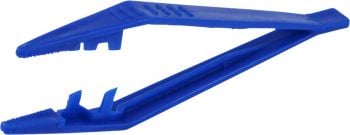


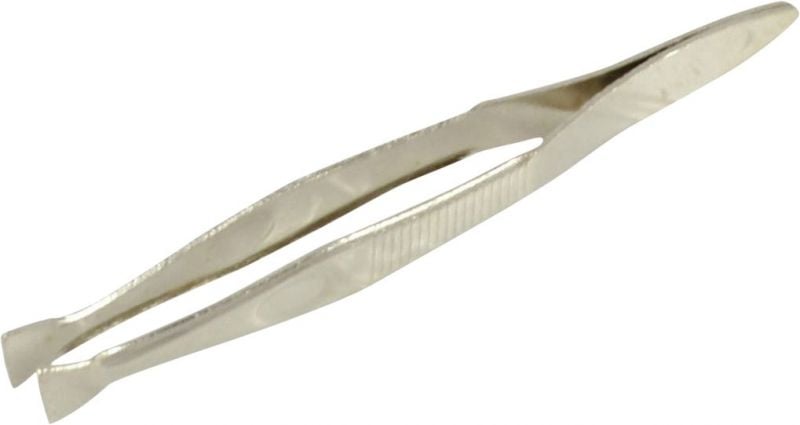

Tweezers First Aid - Metal Disposable (Forcep)
Diagnostic Instrument Sets
$2.35
Secure checkout
VISA
Mastercard
Apple Pay
Google Pay
Also accepted
AMEX
Afterpay
Zip
Klarna
PayPal
In stock
Only 1000 left
SKU
160
Medical tweezers in disposable metal, 8cm, in a forcep style. These are the tweezers that belong in a first aid kit rather than a bathroom drawer: a fine, controlled tip for lifting out a splinter or a fragment of grit, at a price that lets you throw them away afterwards instead of trying to clean them properly.
What medical tweezers are for
The everyday jobs are splinters, thorns, glass fragments, grit in a graze, an embedded bee sting, and handling a dressing or a swab without touching it with your fingers. The last one matters more than people expect. In a first aid context, tweezers are as much about keeping your hands off a wound as they are about pulling something out of it.
What they are not for is digging. If a splinter is buried under intact skin, or it is glass you cannot see the end of, or it is deep under a nail, that is a job for a clinician, not for more pressure with a pair of tweezers.
Why disposable, and not your good stainless pair
A reusable instrument has to be cleaned and, for anything beyond superficial use, properly sterilised between uses. Rinsing under a tap and wiping with an alcohol swab is not that. For a kit that gets used occasionally by whoever is nearest, a single use item removes the question entirely: open it, use it, dispose of it.
It also means the tip is always in the condition it left the factory in. Tweezers live at the bottom of kits, get dropped, and get bent. A bent tip that no longer meets cleanly is the single most common reason a pair fails to grip a splinter.
Single use means single use. Dispose of them after one use rather than returning them to the kit. If you want an instrument you can clean and keep, choose a stainless steel pair intended for reuse, and follow a proper cleaning and sterilisation process for it.
Getting a splinter out without making it worse
Wash your hands and clean the skin around the splinter first. Work in good light, and use magnification if you have it. Grip the splinter as close to the skin as you can and pull it out along the same angle it went in, steadily rather than sharply, so it does not snap and leave a fragment behind. Clean the area again afterwards and cover it if it is bleeding or dirty.
Stop and get medical advice if the splinter breaks up, will not come out, is deeply embedded, is in or near an eye, or if the area later becomes red, swollen, increasingly painful or starts discharging. Someone whose tetanus vaccination is not up to date should also seek advice after a dirty puncture.
Specifications
| Type | First aid tweezers, forcep style |
| Material | Metal |
| Length | 8cm |
| Use | Disposable, single use |
| Typical applications | Splinters, thorns, grit, stings, handling dressings and swabs |
| Pack | Single |
Restocking a kit rather than buying one pair? Keep them with the rest of your first aid kit, or browse the wider first aid supplies range.
Medical tweezers FAQs
What are medical tweezers used for?
Removing splinters, thorns, glass fragments, grit and embedded stings, and handling dressings, swabs and small items without touching them. In a first aid kit they serve both purposes, and the second is the one people forget.
Are these tweezers single use?
Yes. They are supplied as a disposable item and should be discarded after use rather than put back in the kit. If you want something to clean and keep, buy a stainless steel pair intended for reuse and sterilise it properly between uses.
How big are they?
8cm long. That is a practical first aid kit size: short enough not to take up room in a pouch, long enough to give you control without your hand blocking your view of what you are doing.
How do I remove a splinter with them?
Clean your hands and the skin, work in good light, grip the splinter as close to the skin surface as possible, and draw it out along the angle it entered rather than straight up. Pull steadily. A sharp tug is what snaps a splinter and leaves part of it behind.
Can I use them to remove a tick?
Fine-tipped tweezers can be used to grip a tick as close to the skin as possible and lift it straight out without twisting or squeezing its body. Advice on tick removal varies by region and by the species involved, so follow the guidance issued where you are. Purpose-made tick removal tools are also available and many people find them easier.
Do I need tweezers in a workplace first aid kit?
Tweezers or forceps are a standard inclusion in most workplace kit contents lists, and splinters are one of the more common minor injuries in trades, warehousing and food handling. Check the contents list that applies to your workplace, since required items differ by jurisdiction and by kit class.
Can I sterilise and reuse them?
They are not intended for that. Wiping an instrument with alcohol is cleaning, not sterilising, and it is not a substitute for a proper process. Treating a disposable item as reusable is how contamination gets carried from one wound to the next.
What if the splinter will not come out?
Stop. Repeated attempts push fragments deeper and damage the surrounding tissue. Get medical advice if the splinter is deeply embedded, has broken up, is glass you cannot see the end of, is under a nail or near an eye, or if the site becomes red, swollen or increasingly painful over the following days.
This information is a general guide and is not medical advice. Seek medical attention for deep, dirty or persistent wounds, for any foreign body you cannot easily remove, and for signs of infection.
Frequently bought together