

Photo by Chris Holder on Unsplash
As Australians, we naturally love getting away and exploring the outdoors. It's not uncommon to find many families spending their holidays and weekends doing one of our most loved activities: camping.
As with any other outdoor adventure, camping does come with risks. It pays to be prepared, and that includes with your camping first aid kit. Having a well-stocked first-aid kit means that you'll have the right equipment, should an incident or injury occur.
In this article, we'll discuss the ideal camping first aid kit which will prepare you for a range of possible camping injuries such as burns, heat-stroke and snake bites or spider bites. We'll also give you some tips on how to prevent camping injuries.
Prevention
As they say, prevention is better than a cure. Some simple tips to help keep you safe while camping include:
- Don't travel alone: Travelling alone in the outback isn't a good idea. If you were to get into an incident or endure an injury, there is no one else to help you when you're on your own. Always travel with a buddy.
- Keep in contact: Always bring a mobile phone with you in case of emergencies. If you're going somewhere more remote where it's unlikely that you'll have reception, then you should look into getting a satellite phone. It's also wise to leave a copy of your itinerary with a friend in the chance that you don't return when you're supposed to. This way, they can involve the authorities if needed.
- Be prepared: Being prepared includes much more than just first aid. Make sure to take appropriate shelter, clothing and an adequate water and food supply.
- Use common sense: When travelling, remember to be aware of your surroundings, take necessary precautions and don't take unnecessary risks.
The ideal camping first aid kit
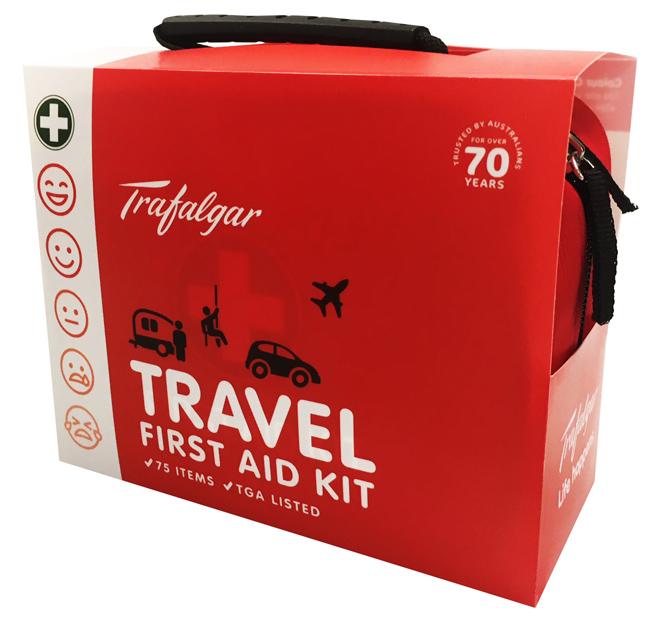
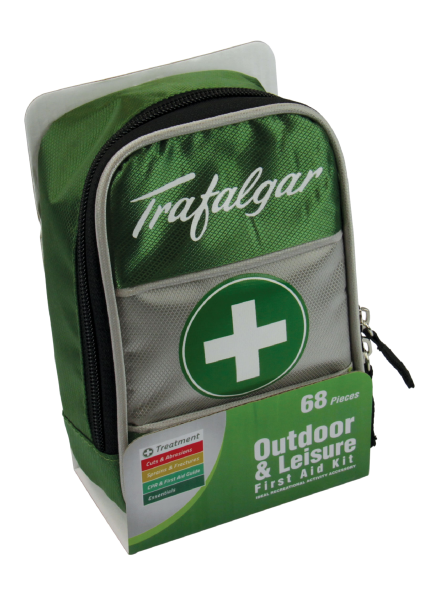
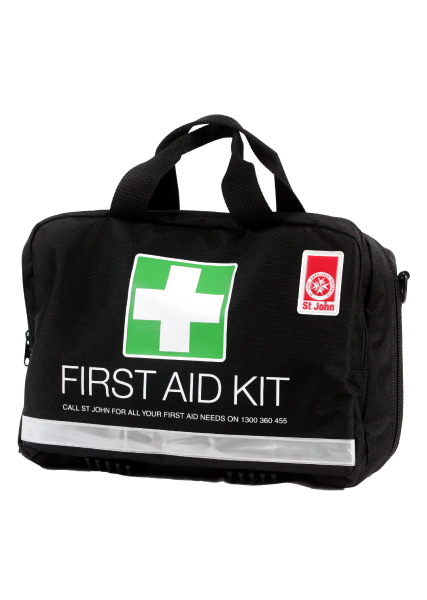
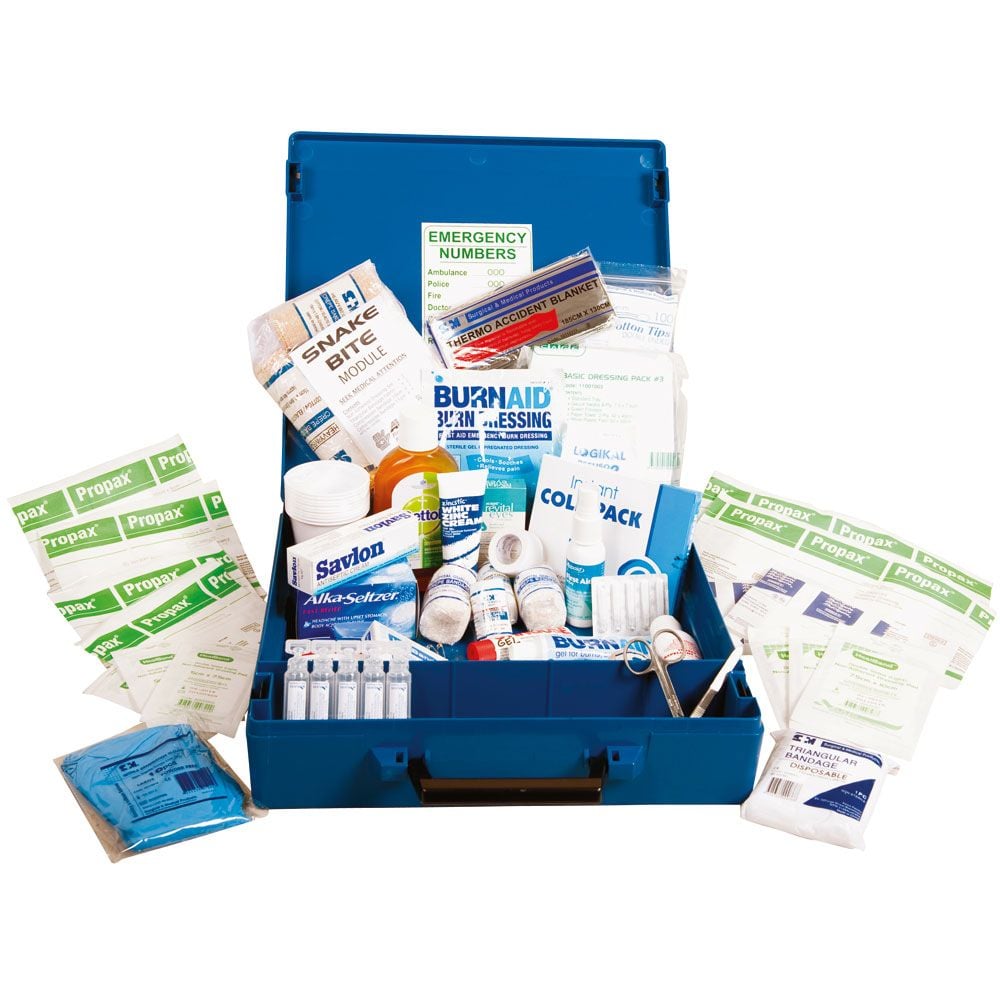
The ideal camping first aid kit includes numerous items so that you are covered for any possible injury, illness or accident that may occur. Below are our top ten must-haves for your camping first aid kit.
- Cleaning & Disinfecting products: antiseptic wipes, disinfectant, anti-bacterial ointment, saline and hand sanitiser
- Wound Dressings: bandaids, gauze pads, sports tape, bandages, adhesive tape
- Pain relief: ibuprofen, paracetamol, aspirin
- Burns or heat-stroke relief: instant cold pack, fire blanket, spare water, hand fan
- Sun protection: sunscreen, sunburn relief ointment, rehydration tablets
- Insect protection: insect spray, sting treatments
- Allergy and asthma medications: antihistamines, EpiPen, inhaler and puffer
- Handy tools: gloves, scissors, tweezers, knife, safety pins, tape, thermometer, dowel to use as a splint in case of a snake or spider bite, needle and thread, torch (with batteries), matches and a lighter, long-life food
- Temperature-related items: Thermal or ‘foil’ blanket for treating hypothermia or shock, extra warm clothing, poncho
- Defibrillator: you can buy personal defibrillators if you are travelling often with someone who has a heart condition
First aid for bites
It pays to know even the bare minimum of first-aid in case you happen to have an accident or injury while camping. The most common injuries aside from cuts and scratches are snake or spider bites. It can be hard to know exactly what to do if you are in a panic, but if you can remember the basic steps below, you'll have a far greater chance at survival.
Follow these steps if bitten by a snake or venomous spider:
- Lie the patient down for comfort
- Call for help (dial triple 000)
- Apply an elasticised bandage over the bite site. It needs to be as tight as possible; if on a limb, start at one end and bandage the entire limb
- Use a splint to immobilise the limb. Moving spreads the poison
- Keep the patient lying down and completely still
- Stay with the patient until medical aid arrives
Some spider bites only require a cold pack and pain medication unless other symptoms such as sharp pain, sweating, vomiting or numbness have developed. If you don't know what type of spider has bitten you, it is best to be cautious and get help as soon as possible.
Find a First Aid Course
Knowing how to use every piece of equipment in your first-aid box is crucial to your chances of survival when in an emergency situation. St Johns runs first-aid courses all over Australia that can help you learn basic CPR, basic first-aid, child-specific first-aid as well as mental health.
The Remote First Aid course is specifically designed to meet the first-aid needs of bushwalkers, campers, and people who work or live in remote locations.
Photo by rawpixel.com from Pexels
With these ten items in your first-aid kit, you'll be prepared for any outback adventure.
Essentials for Your Camping First Aid Kit
The camping kits, snake-bite gear, and outdoor essentials we recommend stocking for your next trip.