

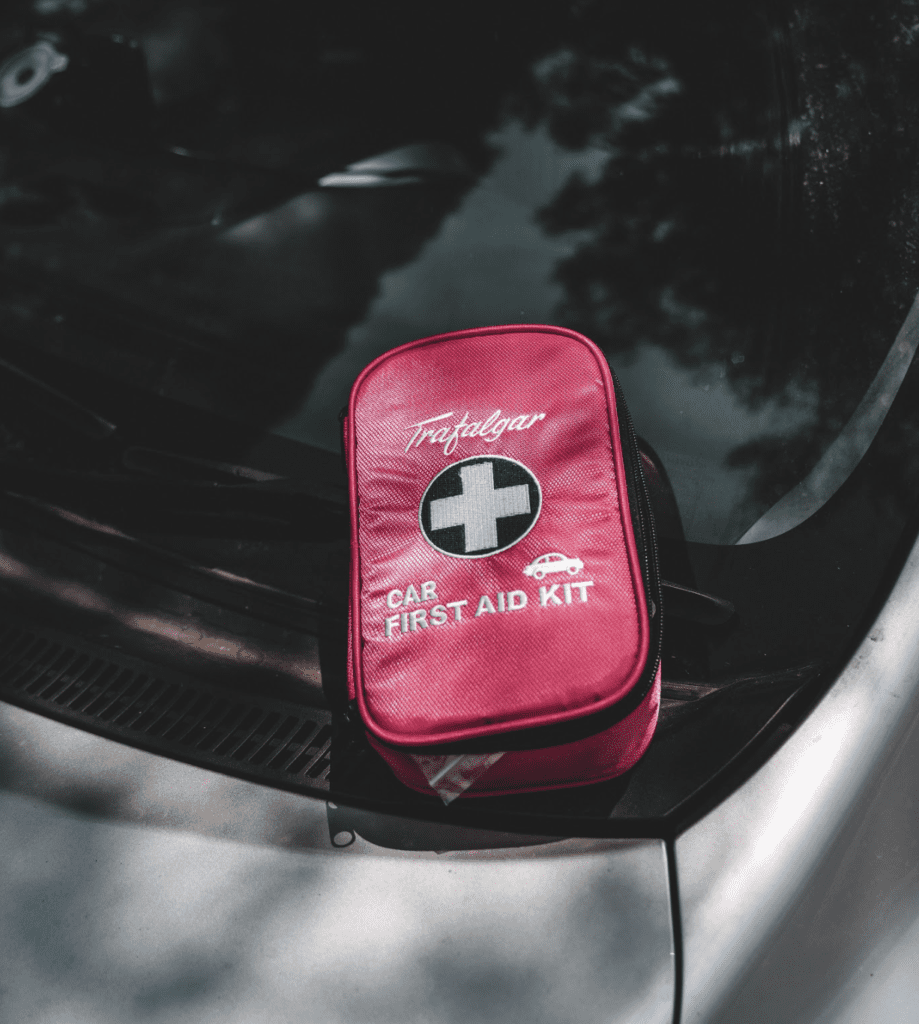
Americans spend $101 billion on summer vacations every year. But the vast majority of those travelers likely don't have any type of car first aid kit with them.
Carrying a car first aid kit when you travel has a number of advantages. Let's look at why you should carry a car first aid kit.
What is a Car First Aid Kit?
A first aid kit for your car isn't that different than any other first aid kit. It should include all the typical contents of a first aid kit, which we'll cover in detail shortly, but there are a couple of extra things you'll want to include for the car.
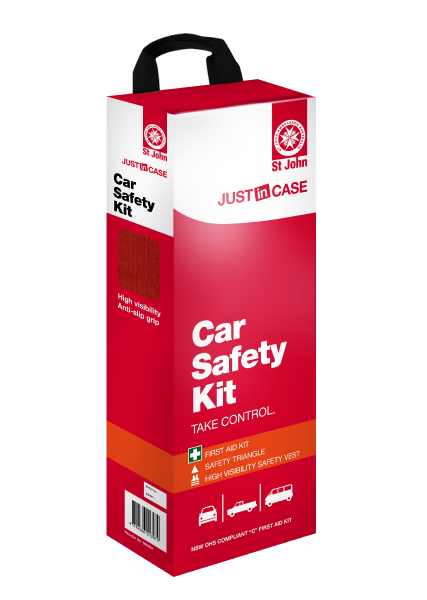
Since you could find yourself stuck on the side of the road at night or during bad weather, the kit should include safety equipment, particularly a brightly-colored, reflective vest and road sign or triangle.
These items can help make you more visible to other cars on the road, which can both keep you safe and get you noticed so someone may stop and help.
It's not only about being stuck on the side of the road though. There are plenty of other reasons to carry a first aid kit in your car.
Your Car Breaks Down
The situation most people think about first is an unexpected breakdown. This could mean you find yourself pulled off to the side of the road waiting for the next car to come by or it could mean you're somewhere further off the beaten path.
If you're in an out-of-the-way spot or on a road that doesn't get a lot of traffic, you could find yourself stranded for quite a while, even overnight. If your first aid kit includes a safety blanket, bottled water, and the safety equipment we already mentioned, it can keep you warm while you wait for someone to come by.
You could also include matches and paper or another type of firestarter in your kit to make it easy to light a fire if necessary.
Unexpected Injuries
Injuries can happen anywhere and anytime. And they can happen to you, your family, or a complete stranger. Having the right supplies in your car will give you the ability to help, no matter what the situation is.
The injuries don't have to be extreme either. If you've got kids, you've more than likely had to deal with a scraped knee or other childhood injuries when they're playing in the park or some other activity.
Having a first aid kit in your car means you'll have the equipment you need to either deal with the situation completely, such as cleaning a scraped knee and putting a bandage on it to keep it clean, or to mitigate the problem until you can get your child to the doctor or emergency room.
Allergic Reactions
Allergic reactions are another problem that can happen anywhere, at any time. Carrying the necessary first aid supplies in your car kit lets you deal with problems when they occur.
If you, your family, or other traveling companions have particular allergies, it's a good idea to carry the items needed to treat them in your first aid kit. This could include an EpiPen for severe allergies such as nuts or insect bites or it could be items like antihistamine that can be used for less severe reactions.
Emergency Situations
In addition to breakdowns, you could also find yourself in the middle of an emergency situation, such as the recent bushfires, where you're stuck somewhere because of some sort of natural disaster. A first aid kit can offer the same safety measures here as it does for a breakdown but it can also be helpful if the situation worsens and you or someone nearby is injured.
If you find yourself in an emergency situation, chances are there will be relief workers and emergency personnel either on-hand already or en route to the location but they will often be overwhelmed with the number of people needing help. If you're able to deal with less severe problems yourself, it can help everyone involved.
Another thing to consider in these situations is how emergency personnel will know of any medical conditions or allergies if you were to be injured more seriously, particularly if you lose consciousness and can't share the information verbally. The World Health Organization recommends a medical bracelet such as the Mediband to provide them with important information.
Accidents
Accidents are another common situation that you may find yourself in while traveling. When an accident occurs, you'll have to wait for emergency help to arrive. Depending on where the accident took place, this could be anywhere from a few minutes to a couple of hours.
Having a first aid kit in your car lets you deal with the immediate injuries as much as possible to keep people safer and more comfortable until help arrives.
You don't have to have been involved in the accident either. You might come across an accident scene before the ambulance or other help arrives. Having a well-stocked first aid kit could make a world of difference.
Motion Sickness
It doesn't have to be as serious as an accident or a major emergency though. It could be a simple as someone in the car feeling motion sick. This is another situation that's often common when you're traveling with kids.
If you keep Gravol or a similar medication in your first aid kit, it can help reduce the motion sickness and let you get back on the road more quickly.
And if the motion sickness is accompanied by a fever, Fevermates cooling pads can help keep them more comfortable. These are handy to have in any first aid kit.
First Aid Supplies Are Not Always Available
When you're traveling, first aid supplies aren't always readily available. This is especially true if you're in less populated areas. Carrying a first aid kit with you could be the difference between having supplies if you need them and not being able to get anything at all.
Your Car First Aid Kit List
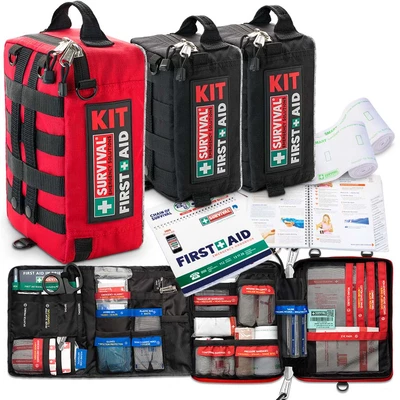
A first aid kit for the car should include the following items:
- Various sizes of bandages
- Adhesive strips (band-aids)
- Several sizes of zippered plastic bags
- Various sizes of wound dressings
- Tape
- Nitrile gloves
- Eye pad
- Saline solution
- CPR face shield with valve
- Medical scissors
- Splint
- Antiseptic wipes
- Notepad and pencil
- Sunscreen
- Safety pins
- Antibiotic ointment
- Antihistamine
- EpiPen (if necessary)
- Aspirin, Tylenol, and/or Advil
- Aloe vera for mild burns
- Insect bite relief
It's also a good idea to carry some bottled water, an emergency blanket, a safety vest, and a safety triangle as part of your kit.
Be Prepared for the Unexpected
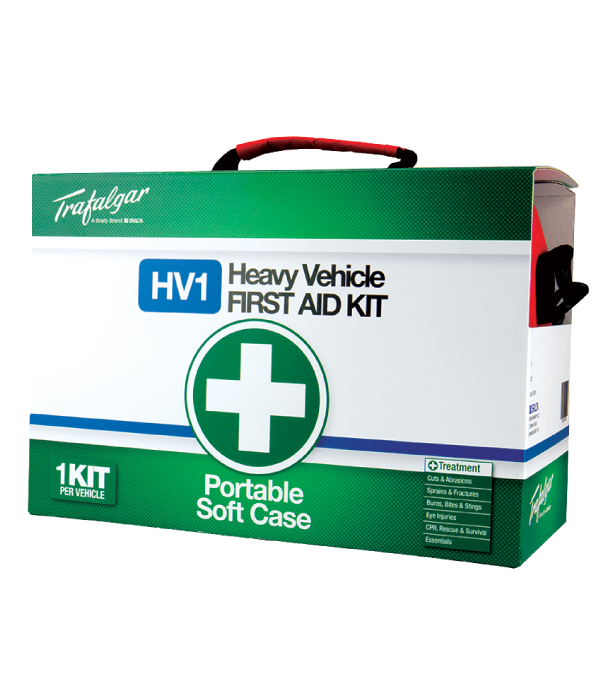
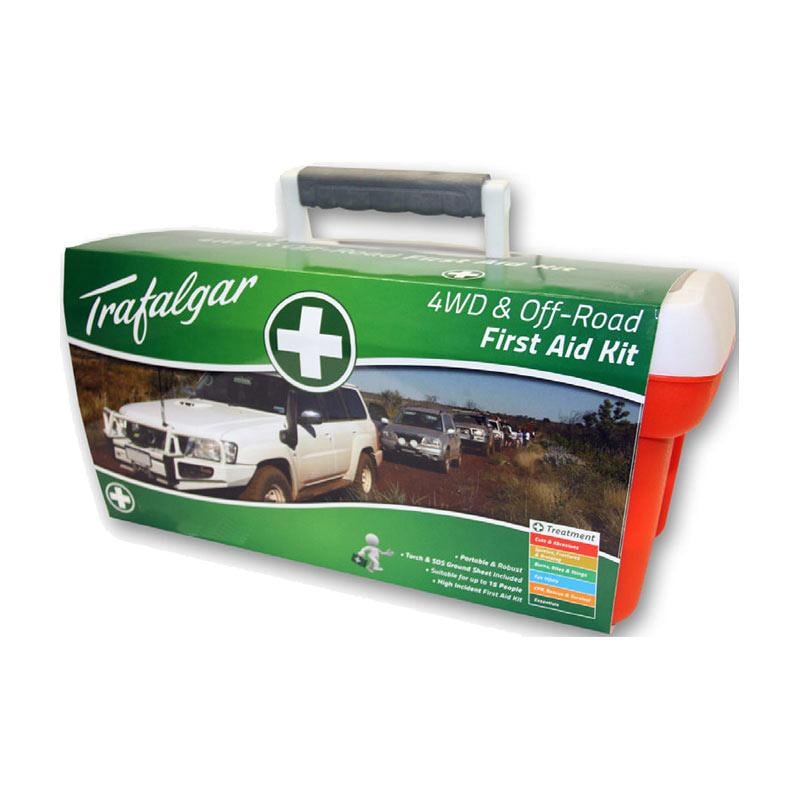
You can put a car first aid kit together yourself but gathering all the necessary items together can take a lot of work. Rather than building a kit yourself, consider a ready-made first aid kit from Medibc.
Check out our range of car first aid kits to help you prepare for the unexpected.
Car & 4WD First Aid Kits for Travel
Roadside-ready kits for everyday drivers, tradies, heavy vehicles, and 4WD adventurers.