

Nothing quite says summertime like a day spent out on the water. The wind in your hair and sea breeze on your face makes for a great day spent at sea.
Australia is home to a very abundant coastline. So, it's no wonder that 2.9 million Australians report owning some kind of watercraft.
With summer just around the corner, boating safety is at the forefront of many people's minds. How can you stay safe when you spend a day on the water?
Keep reading for all the water safety tips you need to keep yourself and your family safe.
Take a Course
Anyone operating a watercraft with an engine power greater than 4.5kW needs to have a marine license. You'll need to pass a BoatSafe course and ensure you're fit to operate a boat beforehand.
It doesn't hurt to take a safety course even if you're operating a watercraft with less engine power.
Get the Right First Aid Kit
Not any old first aid kit will do when you're on a boat. Investing in a marine-specific first aid kit ensures you're prepared for any situation.
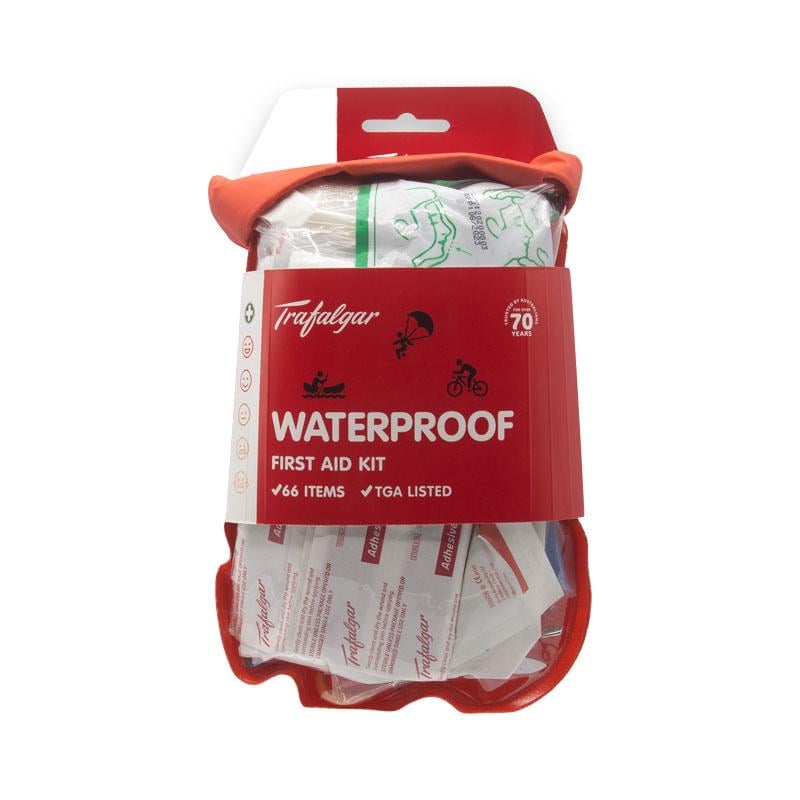
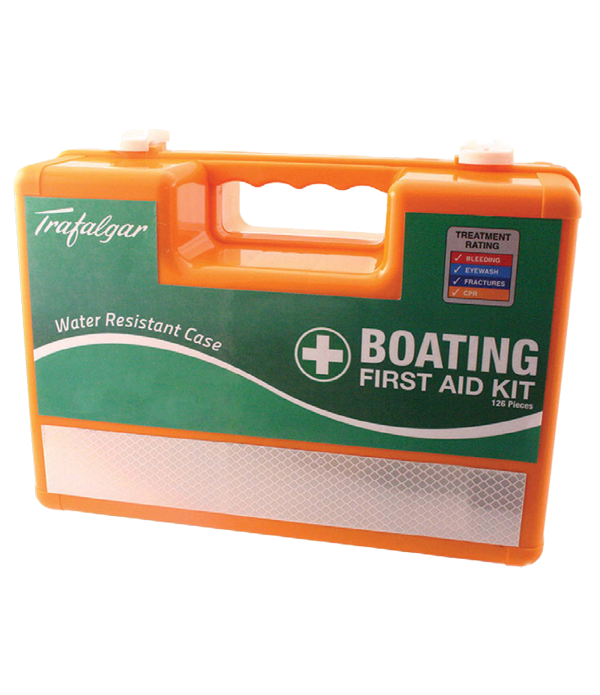
The Trafalgar's Boating Safety Kit is waterproof to ensure your supplies stay dry. It comes with a range of contents to help treat wounds and mishaps that might occur on the water in an emergency.
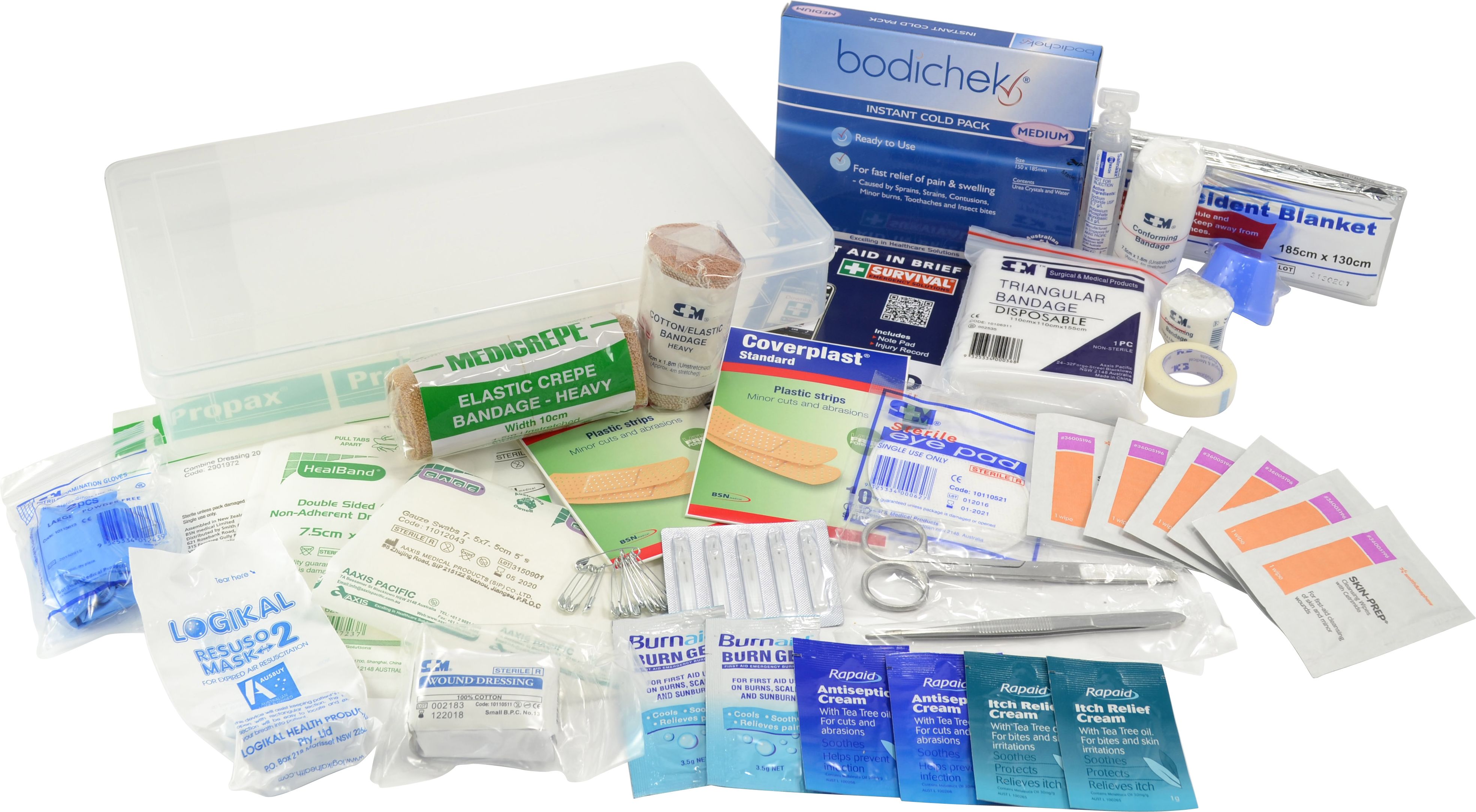
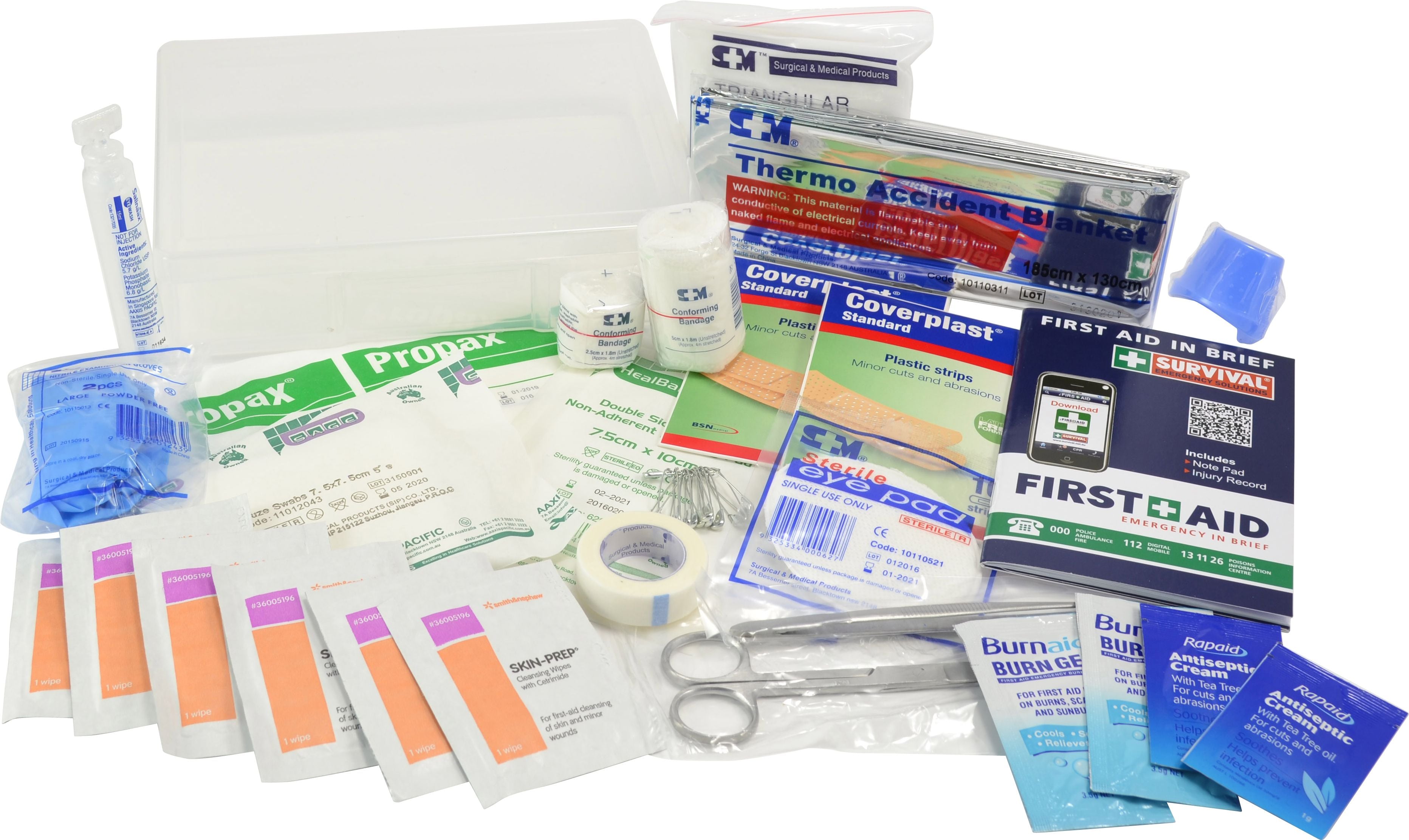
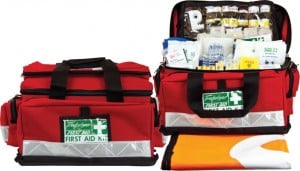
If you're planning to spend a day fishing, you'll need a kit designed for your needs. The Marine Runaboiut Large Kit kit has all the supplies you need in case of injury while you're fishing.
The antiseptic cream helps to cut the risk of infection if you cut yourself while gutting a fish. Don't worry about leaving your sunscreen at home anymore; this kit has you covered. Wound wipes and bandages are great if you find yourself with a more severe injury.
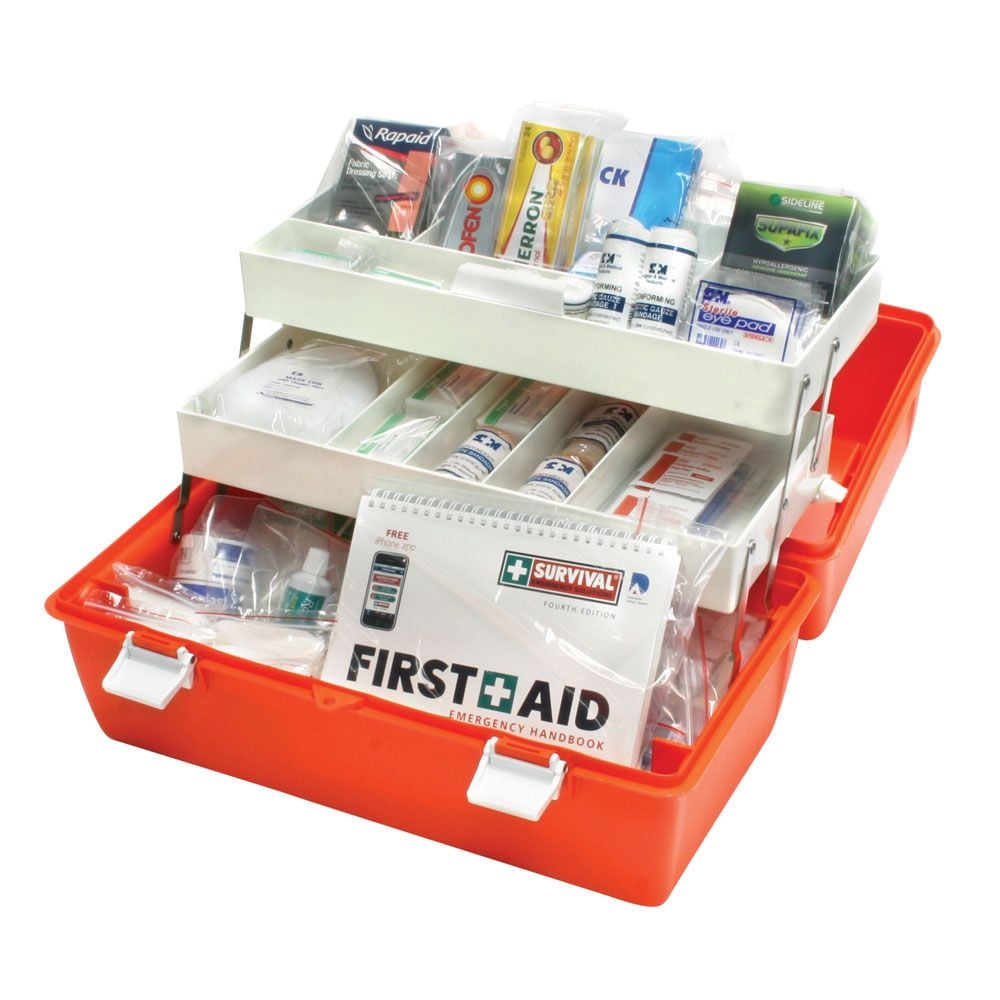
Owners of larger boats may want to consider a wall-mounted option like the Trafalgar National. These kits can hold many more supplies than their portable counterparts. Plus, having your supplies on board at all times means you'll always have your kit handy when you're at sea.
The great thing about all of these kits is that they come in durable waterproof packaging. Even if the sea spray gets onboard the boat, your kit and its contents will be safe.
A Lifejacket is Non-Negotiable
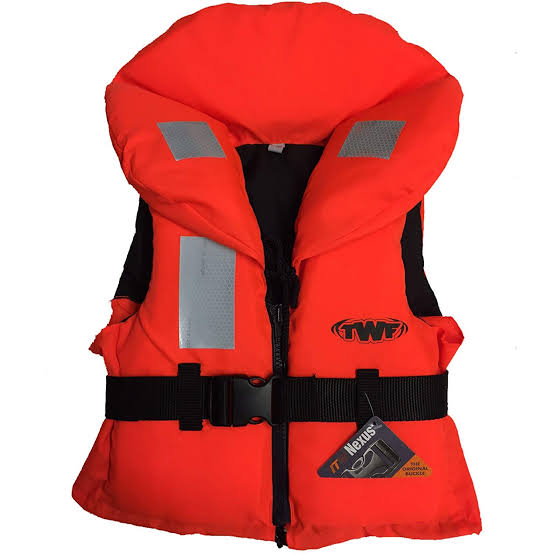
Over the course of ten years, 473 Australians drowned during a watercraft activity. Only 8% of the victims were wearing a lifejacket at the time.
It doesn't matter if you think you're an expert swimmer, you need to wear a lifejacket. Even the most advanced swimmers can be in deep trouble amidst a strong current.
Check the Weather
Don't leave your home without first checking the weather forecast for the day. Knowing what to expect during the day can help you better prepare. You won't want to risk going out on the water if there are thunderstorms afront.
Bookmark the Marine Forecast website. This handy site will inform you of any potential wind or wave warnings. It also provides swell maps and tide charts, so you will know what to expect once you hit the water.
If you find the weather turning while you're boating, get off the water. Look for storm clouds, rapid temperature drops or the wind picking up.
Designate a Skipper
Ensure at least one other person aboard knows how to handle the watercraft. They should have a working knowledge of marine driving and know how to signal for help. If you become incapacitated, someone needs to know how to get the boat back to shore.
Develop a Float Plan
A float plan is when you inform someone that you're heading out on the seas. It can be done verbally, electronically, or written down on paper.
You'll need to tell someone when you're leaving, when you'll be back, and the appropriate route. Your plan should have your contact information, the passenger names, and what signaling equipment you have onboard.
The purpose of a float plan is so that someone on shore knows you're out at sea. If an emergency were to arise, someone would have a general idea of where you might be.
Don't Drink and Float
Drinking and driving any vehicle, be it a car or boat, is not only illegal but irresponsible, too. Not only are you putting your life at risk, but the lives of the others are on the line, also. It's not safe for the captain or skipper to be using any mind-altering substance while in charge of the boat.
Think one or two beers won't hurt?
Alcohol can be even more dangerous at sea than on land. Waves, vibrations from the boat, and excessive sun exposure are all a recipe for disaster. These conditions can exacerbate the effects of alcohol.
We found that 39% of South Australia's boating fatalities were due to alcohol and drug use. These accidents were avoidable if only the boaters had used their common sense.
Use a Pre-Boarding Checklist
Stocking your boat with food, snacks, and activities is only a small part of the pre-boarding process. There are several things you need to do before you get on board.
- Refuel with gas.
- Check other fluid levels (engine oil and transmission fluid, for example).
- Make sure you have all the proper certifications and licenses onboard.
- Ensure there are enough life jackets for everyone.
- Restock all first aid kids.
- Check the date on your fire extinguisher.
- Ensure there is a sound-procuring device onboard.
- Make sure the navigation lights are all in working order.
Boating Safety Comes First
An injury or careless accident can ruin a fun day at sea. Be sure to brush up on your boating safety skills before spending any amount of time on the water this summer. At the very least, ensure your boat has proper emergency supplies onboard.
Let us help you stock your boat with all the first aid supplies you'll need in case of an emergency. Contact the friendly team at MediBC to ensure your next day on the water is as safe as it is fun.
Boating & Marine First Aid Kits
Compact, AMSA-aligned, and waterproof first aid kits for runabouts, sailing, fishing, and family boating.