

Did you know that London researchers report that one million deaths a year could be prevented if everyone practised proper handwashing routinely? Handwashing alone can also reduce the risk of respiratory infections by an astounding 16 per cent.
These are only two of many examples that show a direct correlation between bad hygiene and severe health issues.
Practising good hygiene is about more than smelling good (although that's a bonus!). It also means you can prevent acne, bacteria build-up, rashes, and even life-threatening infections.
For most people, proper hygiene habits are a way of life. Even still, you may be missing some crucial practices by accident.
Here, we discuss four frequently-overlooked habits that can help you stay clean.
1. Washing Your Bedding and Pillowcases
You do your laundry frequently, ensuring your favourite t-shirt is always fresh and at the ready. But how often do you remember to wash your bedding and pillowcases?
Experts recommend washing your sheets at least once every two weeks! In reality, though, the recommendation is once a week, if you can. This advice is especially true if:
- You've exercised
- You have dust or pollen allergies
- You or your partner sweat a lot at night
- You or your partner are ill (even more so if contagious)
- A pet sleeps with you
Need some motivation to clean your bedding more often? We've got you covered.
Here's what happens when you don't practise this hygiene habit:
- You sleep in your dirt, oil, sweat, and skin cells (cancelling out the shower you just had before bed)
- Dust mites collect in your bed—where they relieve themselves, die, and leave behind carcasses
- Additionally, dust mites are an allergen, and can cause symptoms like hay fever, eczema, asthma, coughing, and more
- Germs collect, causing acne or helping to spread contagious illnesses
Instead of being grossed out, be proactive. Wash your bedding in the hottest water the material can handle and do so frequently. Keep a second set of clean sheets on hand, so you have a back-up in case your schedule gets full.
Bonus: climbing into a crisp, clean bed at night feels great!
2. Brushing and Flossing Your Teeth
It's likely you brush your teeth every day—but are you brushing for long enough?
Dentists recommend brushing your teeth twice a day, mornings and evenings, and for at least two minutes per session. If you're not sure how long you're brushing your teeth for, keep time with your phone or a clock. These two minutes allow you ample time to clean the inner, outer, and chewing sides of all your teeth.
Additionally, you need to add flossing into your routine.
Flossing, or interdental cleaning, removes debris and interproximal dental plaque. Floss helps you access those hard-to-reach places that a toothbrush might miss. This essential oral hygiene practice can help reduce gum disease and/or teeth decay (among others).
Floss your teeth at least once per day, whenever it best fits your schedule.
Adverse Effects of Infrequent Brushing and Flossing
If you don't practise these brushing habits, you'd be lucky to only suffer from a toothache. In reality, the adverse effects are wide-reaching. Our dental health contributes significantly to our overall physical wellbeing.
Improper brushing leads to:
- Red, tender, or swollen gums
- Gingivitis
- Halitosis
- Periodontitis (a full-blown gum disease)
- Cavities
This list is not all-exhaustive, and you may experience even further health issues.
These are all worrisome conditions, as gum disease is even linked to heart disease. Don't wait for a severe diagnosis like that before you start reconsidering how you care for your teeth and gums.
3. Washing Your Feet Properly
Sure, your feet soak in the soapy run-off that comes from your body during a shower—but are you actually scrubbing your feet or cleaning between your toes?
Many people skip this small but significant step. Most of us wear shoes all day long, often with socks, which can cause bacteria to multiply. Additionally, this can cause your feet to stink—and no one wants that!
Washing your feet with soap can prevent staph infections, odour, athlete's foot, plantar warts, and more.
4. Practising Proper Handwashing
You've likely been keeping up with the coronavirus updates and practising preventative habits, such as staying away from those who show symptoms of a cold or the flu.
Although there's been a significant influx in people wearing surgical masks, there's proof out there that it's not giving you the protection you need (unless you're caring for someone who has the virus or is sick).
Instead, people need to practise proper handwashing habits to truly prevent the spread of this virus.
How to Wash Your Hands the Right Way
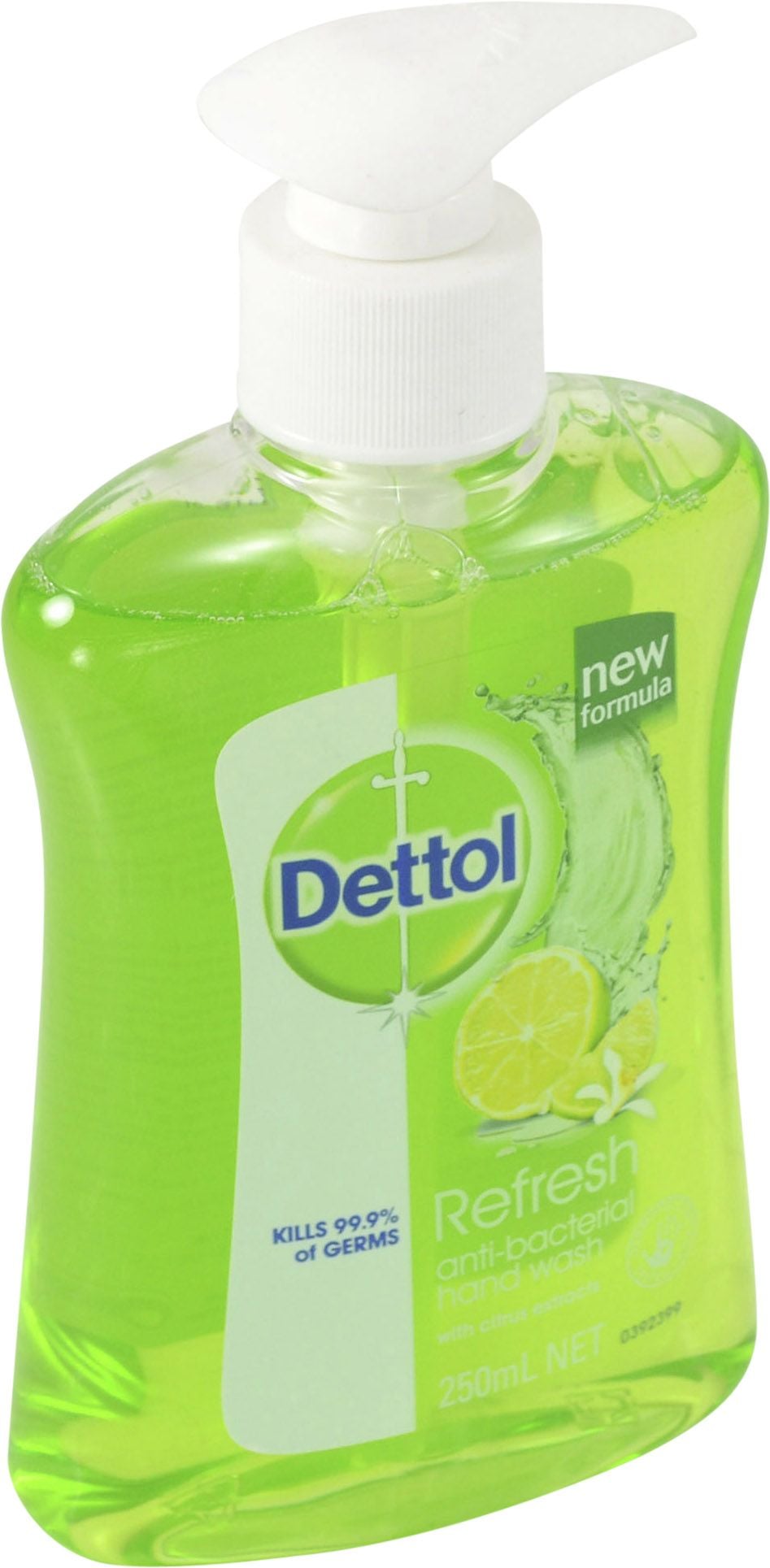
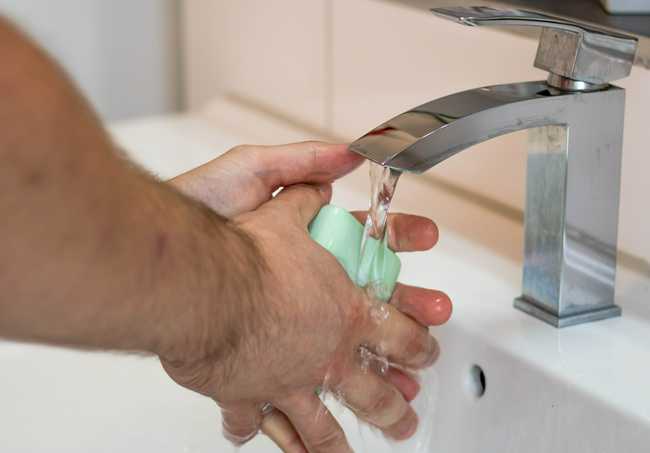
The CDC advises the following 5-step technique:
- Wet your hands with clean water, warm or cold, then turn off the faucet
- Apply soap and lather it between your hands, getting the backside, between fingers, and under nails
- Scrub for at least 20 seconds, or the "Happy Birthday" song twice
- Rinse well with water
- Dry using a clean towel
Additionally, be sure to wash your hands:
- Before, during, and after preparing or eating food
- After using the toilet
- After coming into contact with a sick person
- After touching garbage, an animal, blowing your nose, or coughing
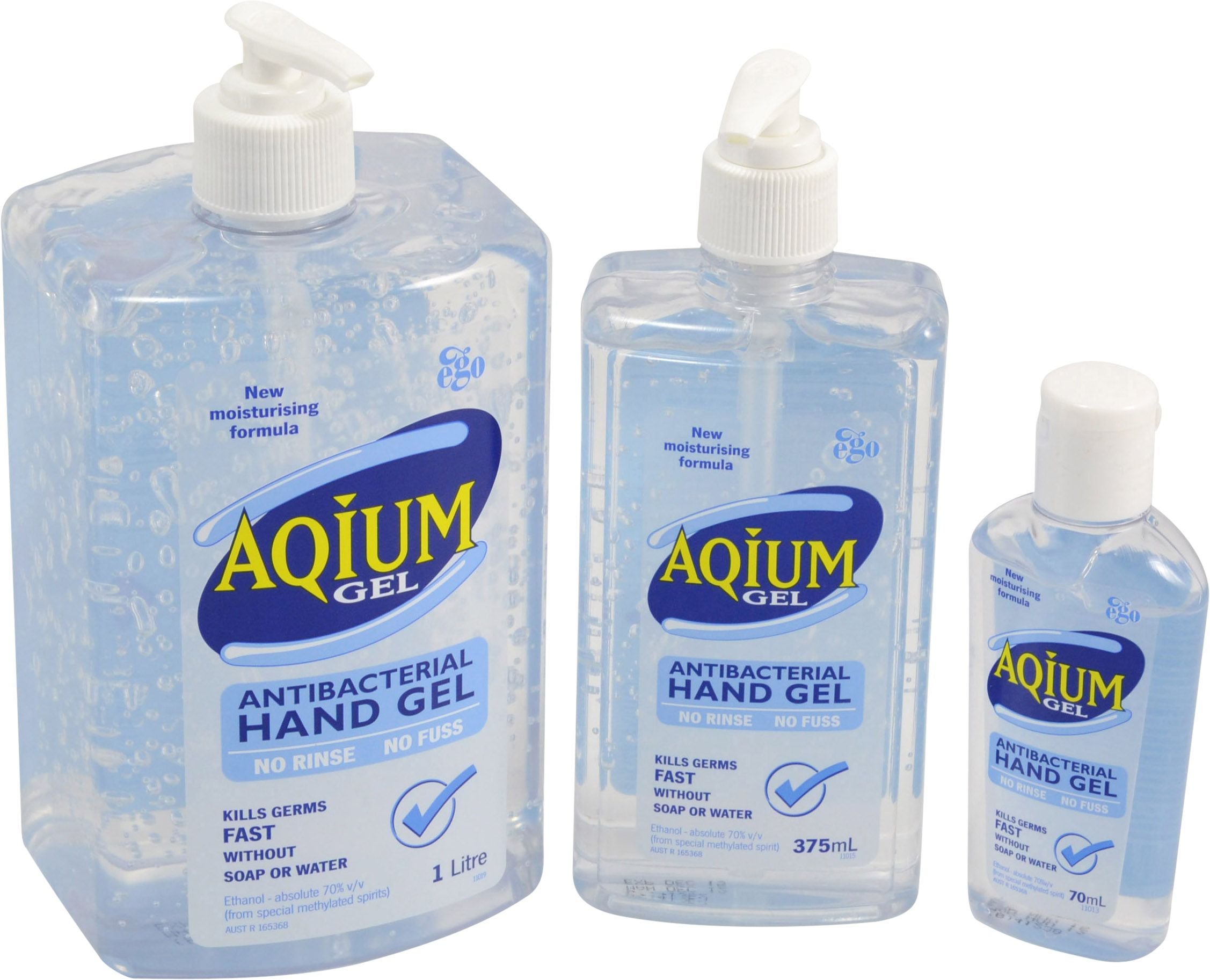
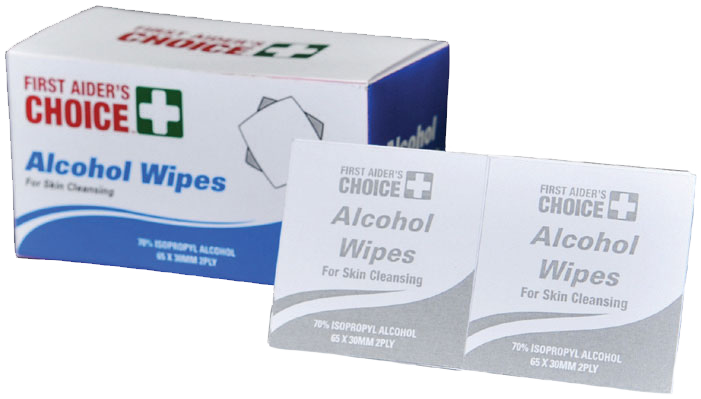
In a pinch, always use hand sanitiser if you're not near a sink. Use a product that has at least 60 per cent alcohol.
Get Rid of Mediocre or Bad Hygiene Habits Today!
Having bad hygiene isn't only detrimental to your health, but it's not exactly appealing to those around you. No one wants to have a conversation with the person with bad breath or be near someone with noticeable body odour.
Additionally, practising good hygiene can keep you safe from infections, bacteria build-up, and more.
At Medibc, we offer a plethora of first-aid and medical supplies designed to keep you healthy and safe.
Contact us today for any questions or concerns regarding your hygiene!
Hand Sanitiser, Wipes & Hygiene Essentials
Trusted hand sanitiser, antibacterial wipes, gloves, and masks for everyday personal hygiene.