


The sun is wonderful, life-giving and also seriously dangerous. Every summer we flock to the beach and are so pleased to be back that we can overlook the sun's power. You don't have to lock yourself away though, you just need to know how to protect yourself against the sun.
Skin cancer is the most commonly diagnosed cancer in the US and Australia each year and while many types are treatable, melanoma can be fatal. Skin cancer is preventable in the vast majority of cases and yet many people still aren't taking the necessary precautions.
The sun's danger isn't limited to cancer either. Dangerous effects such as heat stroke and severe dehydration can not only be debilitating, but they can be life-threatening.
If you want to spend your summer having fun and not dealing with sunburn or worse, keep reading. We'll show you how to stay safe from the sun throughout the summer. If you have already been caught out, our guide on how to treat sunburn covers the first aid.
Understanding the Harmful Power of the Sun
One of the reasons why the sun is so dangerous is because much of the harm is invisible while it's happening. UV radiation causes damage to cells the moment they're exposed to sunshine and this damage is cumulative. Over time, cells can become damaged and turn cancerous.
You can also feel the sun's ill effects soon after exposure, as it can cause burning, heat stroke and severe dehydration. These can happen even after a day at the beach or in the garden and you might not be aware they're happening until it's too late to prevent. Children are particularly at risk of not realising they're overheating.
UVA
Ultraviolet-A radiation (UVA) is a specific wavelength of light that penetrates the skin deeply. UVA causes the skin to tan which is a visible sign of the skin's response to UVA.
UVA damages cells deep in the top layer of your skin on a genetic level and causes cancer. UVA protection has only recently started appearing on sunscreens as the knowledge of its dangers came about long after that of UVB.
This type of UV is exceptionally dangerous for two reasons.
- It penetrates through glass and cloud cover and remains constant throughout the year
- Public awareness is low
UVB
UVB only penetrates the very top layer of skin and causes sunburn. This is the type of light the term 'SPF' refers to. SPF, or Sun Protection Factor, shows how long your skin would take to turn red with the sunscreen than if you weren't wearing any.
UVB is partially blocked by cloud cover and its strength changes depending on the time of year and other conditions. In winter, UVB rays might be very low but you should take care in high altitude locations where it can be higher.
Skin Cancer
Skin cancer falls into two types; melanoma and non-melanoma. Melanomas are extremely dangerous and, while far less common than non-melanoma cancers, they are responsible for 75% of deaths from skin cancer.
Non-melanomas are considerably more common and while usually treatable, they can cause significant impact on the patient's life. From loss of income and medical bills to disfigurement and complications, there is no 'good' type of skin cancer.
Eye Damage
UV light doesn't just affect the skin, it also affects the eyes. UV damage in the eyes is cumulative and contributes to premature ageing of the eyes. Not only can this damage the appearance of eyes, but it can impact on vision as well.
As UVA damages the eyes, you're not necessarily safer in winter or when it's cloudy. Children are especially vulnerable as they have larger pupils and are less likely to wear sunglasses.
Heat Stroke
Don't overlook this life-threatening condition when summer comes around. Children and the elderly are particularly at risk.
Heat stroke is a condition caused by the body's temperature reaching a dangerous point, around 40°C (104°F) and higher. This temperature can do significant damage to organs and the condition is a medical emergency.
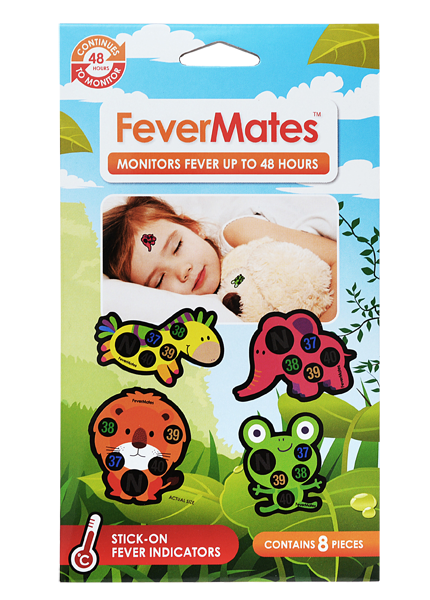
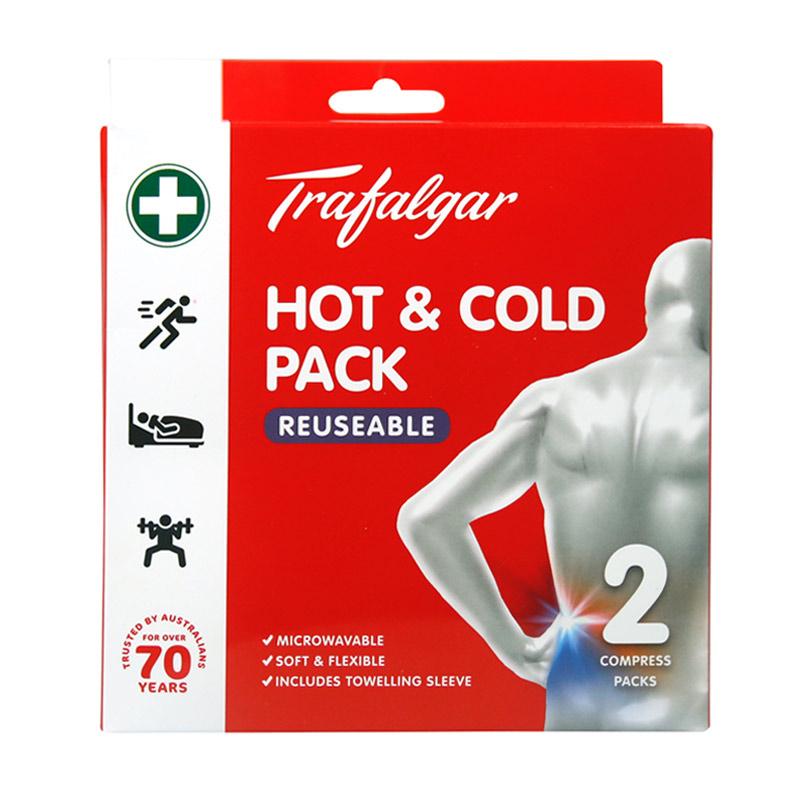
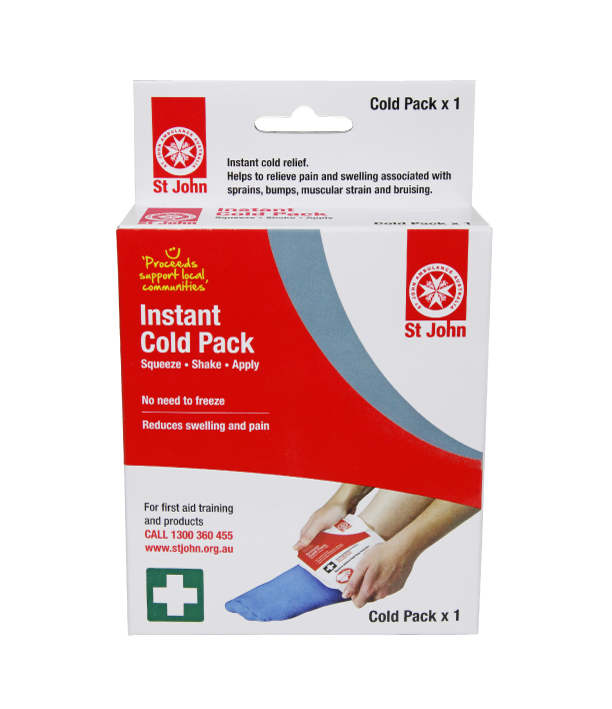
Heat exhaustion is the pre-cursor to heat stroke and anyone suffering should immediately seek rest and shelter from the heat. Cold packs can be used with care to help bring the temperature down and you can monitor temperature using Fevermates stick-on thermometers.
Sun Damage Through Glass
As UVA can penetrate glass, those who work in a sunny window should be aware of the dangers. Office workers in window seats, pilots and drivers are particularly at risk as they spend a lot of time by windows.
Sunscreen is one of the best methods for protecting against the sun when it's too hot to cover up.
Keeping Safe From the Sun
Protecting yourself and your family against the sun is vital in summer but it's also important throughout the year. There are many ways to stay safe from the sun and a mixture is usually the best and most flexible option.
Sunscreen
Sunscreen has been around for decades but as knowledge about the sun's rays has deepened, the formulations have changed. Sunscreen should always be broad-spectrum, protecting against both UVA and UVB rays. Different countries have different labelling laws but it's best to only buy sunscreen that specifically describes protection against both types.
Don't forget to apply sunscreen to these commonly missed spots:
- Lips
- Tops of ears
- Eyebrows
- Backs of hands
- Neck
- Backs of knees
There are two types of topical sunscreen.
Mineral
Mineral sunscreens, also called physical or barrier sunscreens, sit on top of your skin and block the UV. Sometimes called 'zinc' due to the popular zinc oxide content, these sunscreens are very effective. As they're usually quite visible, it's easy to see how good your coverage is and if you've missed any spots.
Mineral sunscreen is great for kids too and can come in bright colours that make it more fun to wear. Mineral sunscreens are good for sports like spearfishing and hiking as they don't tend to wash off as easily as chemical sunscreen.
Chemical
Chemical sunscreens are usually absorbed into the skin to provide comprehensive protection. They'd often preferred by adults as they're invisible. Office workers might look strange with zinc smeared across their cheeks!
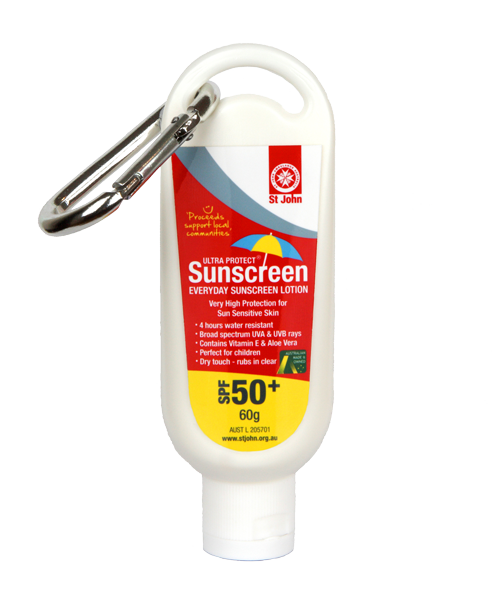
The chemicals in this type of sunscreen work to absorb UV rays rather than reflect them like mineral sunscreen. Keeping a keyring sunscreen on you at all times is a good idea as it doesn't last all day. Apply 30 minutes before you go outdoors and reapply every two hours.
Build Sunscreen Into Your Routine
Many people think that sunscreen is only for days at the beach or in the garden during summer. This comes from outdated knowledge and the idea that the sun only damages skin when it's bright, hot and summery. As we use sunscreen most often in these circumstances, it's too easy to forget to use it every day.
So how do you protect yourself properly? Build it into your morning routine, your snack breaks and mealtime routines. Except for dinner...you probably won't have to reapply it in the evening unless you're spending summer in Sweden.
Keeping sunscreen in your car first aid kit is a good idea too, as you'll always have a back-up.
Check the UV Index
National forecasters usually display the UV Index forecasts along with the weather and keeping an eye out for these is good practice, no matter what time of year. When the UV Index is high, the sun's rays are stronger and you'll burn faster. This means you should take more precautions.
Watch out for UV Reflection
When you're planning the perfect overseas holiday, what are your favourite places? Out on the water somewhere beautiful? Skiing across mountains? Relaxing on a beach?
All these environments reflect a huge proportion of the sun's rays.
Skiers often find this out the hard way when they finish their first day on the mountain and discover red cheeks and white eyes where their goggles were. Snow, sand, water and other surfaces can all reflect UV rays back up at you. While hats are great, your face will still need sunscreen to protect from this reflection.
Seek Shade
Often between 10 am and 2 pm, but varying depending on the location, the hottest time of the day should be spent relaxing indoors or in the shade. This is when the sun's rays are at their strongest. In the tropics though, the sun's rays will be strong throughout the day.
Be Mindful of Windchill
The wind can make a summer's day feel surprisingly chilly and this is a classic time we forget to put sunscreen on. UVA and UVB don't care about the heat though, so neither should you. Always wear sunscreen outdoors, even if the wind makes you feel cool. You can also choose to wear opaque clothing to keep warm and protect your skin from the sun.
Clothing and Sunglasses
UPF clothing is a growing market and is ideal for summer holidays and any time spent outdoors. Normal fabric isn't all that good at protecting from UV rays so it can be a good idea to buy specifically treated clothing.
UPF rash vests and leggings are excellent for swimming if you're not wearing a wetsuit and broad-brimmed hats are essential outdoors-wear.
Sunglasses are also essential as UV damage to eyes has a cumulative effect.
Protect Yourself Against the Sun This Summer and Stay Safe
The sun, like so many things, is good in moderation. Spending time outdoors is great for us all and with the right protection against the sun, there's no reason why you can't spend all summer outside.
Understanding that the sun's rays can cause damage year-round is essential, as is building a sun protection routine into your daily life. From sunscreen and hats to avoiding the hottest times of day and being mindful of reflections, there's plenty you can do to stay safe.
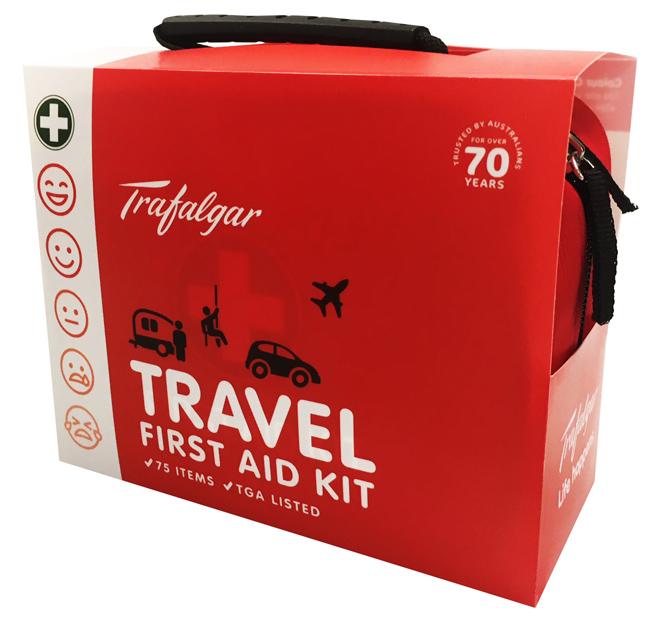
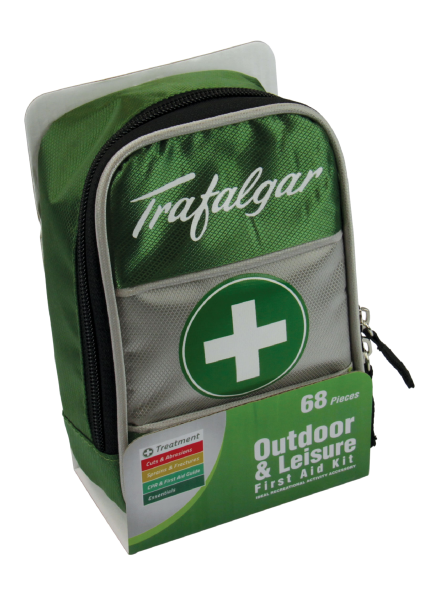
If you're going off into the great outdoors for a holiday this summer, don't forget your safety supplies. Check out our range of travel first aid kits to make sure you're covered and remembered to pop some sunscreen in there too. If you're not sure what you need in a first aid kit, read our easy guide to getting it right.
Sun Safety & Heat Stroke Essentials
Sunscreen, cold packs, thermometers, and travel kits to keep your family safe through summer.