

Part of the excitement of trekking is preparing for your adventure.
While you are looking up locations and getting excited about scenery, spare a thought for safety while trekking.
Trekking and hiking safety should come first when planning a trip. Read our guide to find out how you should prepare to make sure your trip is memorable in all the right ways.
Plan your route
If you’re planning on trekking in a remote environment, it’s essential to plan your route before you go.
Start with deciding where you’re going to leave your vehicle. Plan your stops in advance and mark them on your digital or paper map.
Also, find out if there are any landmarks on the way. They will help you navigate and reduce the chances of you getting lost.
Set a time limit to your adventure. If you haven’t reached your destination by then, head back. Otherwise, you could find yourself getting lost as darkness falls.
Tell someone where you’re going
Once you’re worked out where you’re going, make sure someone at home has a copy of your route.
Include as much information as possible. A copy of your map showing where you will park and the stops you plan to make on the way is a great idea.
You can also give them expected timings for every stage of your trip. This means that someone is ready to raise the alarm should you go missing.
Wear the right clothing
The right clothing will protect you from the elements. Wear long sleeves and trousers to avoid sunburn or water-resistant clothing if there’s a chance of rain.

Your clothing should also be easy to spot in case you get lost. Opt for bright colours or slip on a reflective vest.
You’ll also need well-fitting boots or shoes that support your ankles and have a good grip to them.
Take enough food and water
It’s absolutely essential that you take enough food and water to last your trip.
Drink at least 500ml of water before you even set off on your trek.
Transport your water supply in a regular bottle or use a hydration bladder that can carry more water and will fit into a large pocket.
On some trails, there may be points where you can refill your water bottles. Make sure you know where these are and whether you need to filter the water.
Take some high-energy snacks with you. Choose from:
- Fresh fruit
- Dried fruit
- Nuts
- Energy bars
- Peanut butter and crackers
- Raw veggies and hummus
- Cheese
- Hard-boiled eggs
- Energy balls
- Dark chocolate
Don’t skimp on other equipment
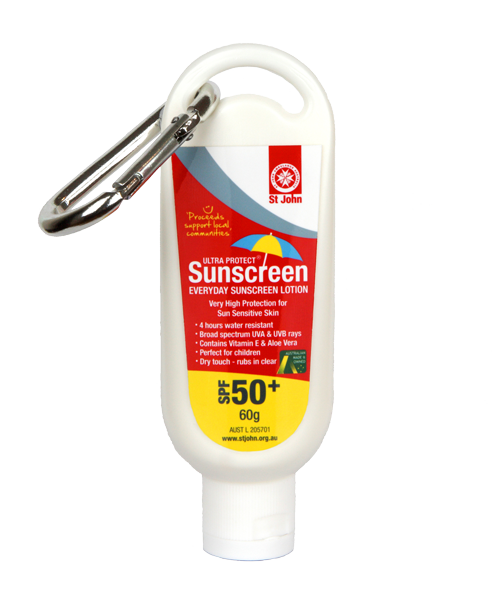
Protect yourself against the sun, even if it’s a cloudy day. Apply sunscreen to any exposed areas of skin and wear a wide-brimmed hat.
Even if you’re planning your trek in daylight, take a wind-up torch.
Pack a light blanket as well. While your day may start out sunny and warm, weather can be changeable. It will also prove invaluable if any of your party has an accident and needs to be kept warm.
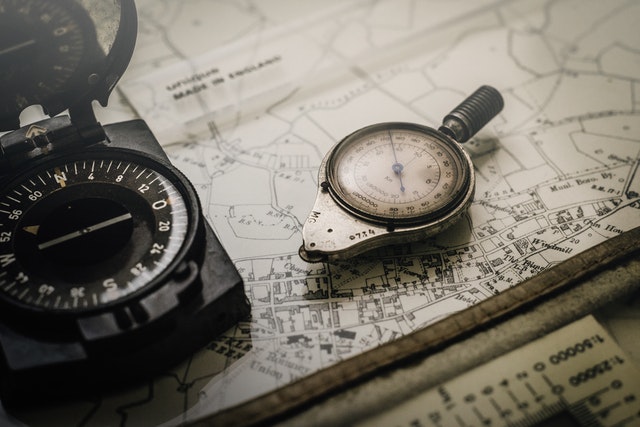
Don’t rely on your phone for directions. Pack an old-fashioned map and compass and know how to use them in case your battery dies.
If you suffer from a chronic condition such as diabetes or epilepsy, wear a medical alert bracelet. In an emergency, it will help you get safe and timely care.
It’s also a good idea to learn a few survival tips before you set off, such as how to start a fire without matches and filter dirty water.
Check the weather forecast
Know the weather forecast before you set out and check for updates on your phone throughout your adventure.
If the weather makes a sudden turn, it pays to be prepared. If you know bad weather is ahead, then you have time to turn back to safety and cut your journey short.
Pack a first aid kit
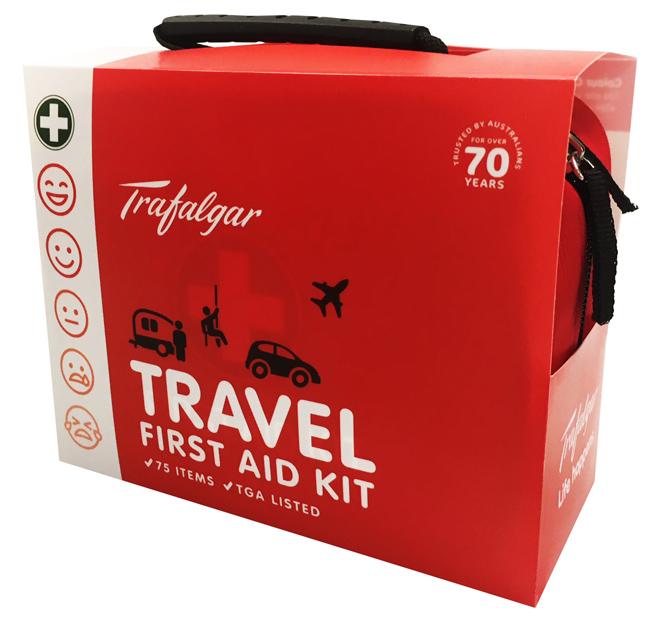
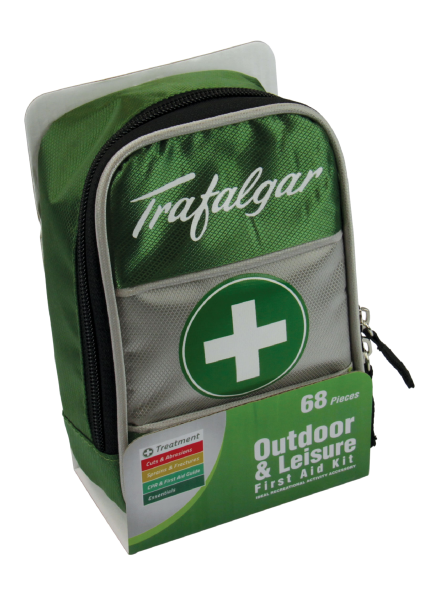
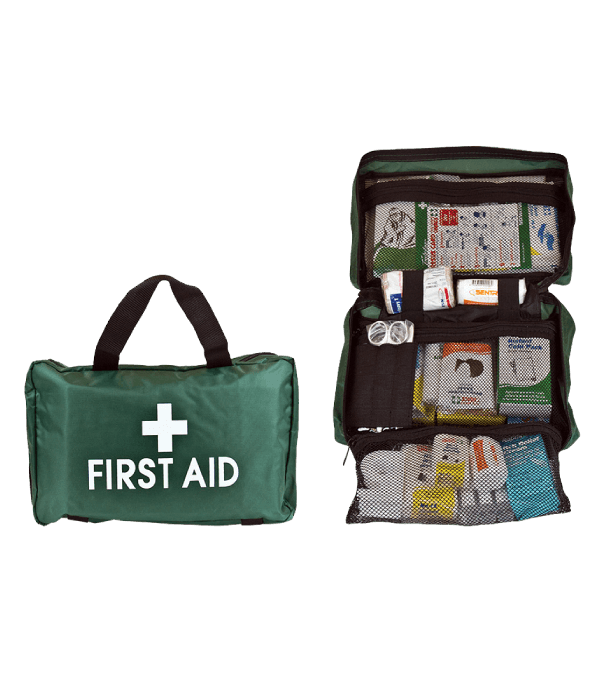
You must include first aid in your planning, even if you are only heading off for a short trip.
A small first aid kit is ideal to take with you on your trek. Waistbag first aid kits are also an excellent choice, freeing up your hands.
Depending on where you are going, you may also want to include a special snake or spider bite kit.
In between trips, make sure your first aid kit is fully refilled. Here’s a basic checklist of what you need to include:
- Sterile dressings
- Waterproof plasters
- Adhesive strips
- Bandages, including a triangular bandage to make a sling
- Antiseptic cream
- Burn dressings
- Disposable gloves
- Eye pad
- Scissors
- Tweezers
- Saline pods for wound cleansing
We believe in safety first
Preparation is key to a successful trekking trip. As you’ve seen from our list, doing some groundwork will ensure that you can enjoy your trek worry-free.
As a leading supplier of first aid kits and fire and safety equipment, the team at MediBC believes in safety first.
Check out our complete range of first aid kits and supplies, and make sure you add them to your planning checklist so you can make the most of your adventure, safely.
Trekking & Outdoor First Aid Kits
Trail-tested kits and outdoor essentials for day treks, weekend hikes, and longer expeditions.