

Do you have older family members who enjoy living independently? While it’s great for them to be self-reliant, you may find yourself worrying about seniors’ safety at home.
That’s why we’ve come up with our seniors home safety checklist. We describe some of the hazards around the home and what you can do to make it safer for your loved ones.
Taking some practical steps will bring peace of mind for them and you.
Identify and remove trip hazards
The government’s healthdirect website says that close to one in three older people have had a fall within the last 12 months. And almost two out of three falls take place in or close to the home.
This makes identifying and removing trip hazards one of the top things to do when considering safety at home for seniors.
This is what you can do to make your loved one’s home safer:
- Remove clutter from around the home
- Make sure rugs are secured to the floor with special grips
- Remove extension cords
- Ensure that your elderly relative wears non-slip footwear at home
- Make sure lighting is adequate
- Identify and repair any uneven surfaces
Protect against fire
This is what you can do to protect against fire:
- Test smoke alarms regularly and change their batteries
- Remove any candles from the home
- Check power cords for damage
- Limit the number of electrical appliances plugged into power strips
- Make sure that any freestanding heaters are placed away from curtains, furniture and bedding
- Don’t leave glass items or mirrors in places where sunlight can hit them directly
- Remind your loved one to unplug electric blankets before they go to sleep
- Make sure they know how to get out of the house safely if there is a fire
Keep emergency numbers handy
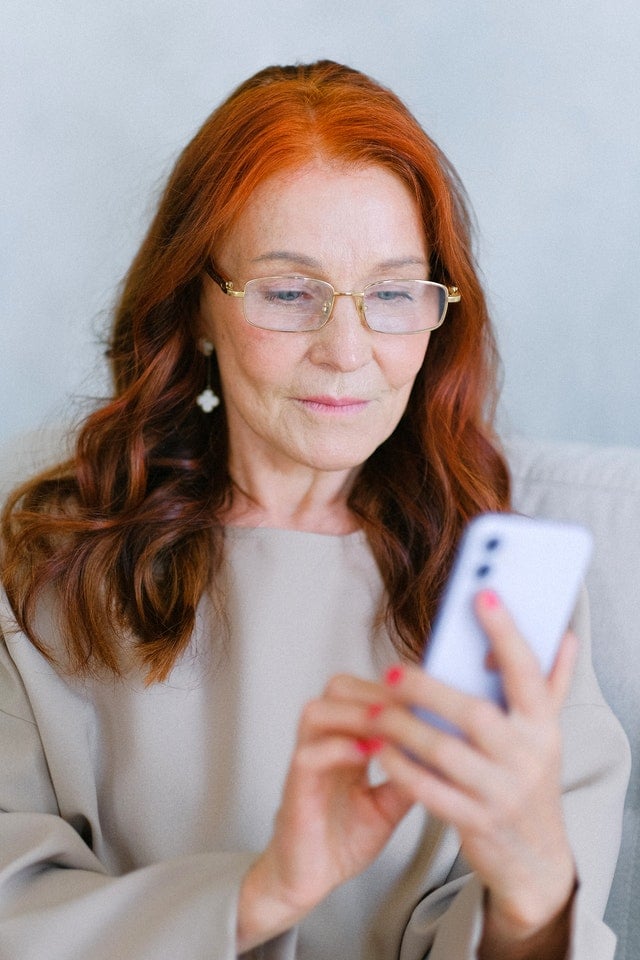
Make it easy for your elderly relative to access emergency numbers. First of all, take a look at what sort of phone they have. You can get phones with large keypads and speed dial options that are easier to use.
Display essential emergency numbers by every phone in the house and stick the list to the back of their mobile phone.
These numbers are useful in an emergency:
- 000 for police, fire or ambulance services
- 112 – the emergency number that can be dialled from mobile phones (000 also works on mobile phones)
- 106 – the text-based emergency call for people with hearing difficulties
- Emergency contacts (family members, neighbours and friends)
- Doctor
- Caregivers
- Plumber
- Electrician
- Gas emergency number
Also, keep your loved one’s address details on the checklist for easy reference.
Kitchen safety
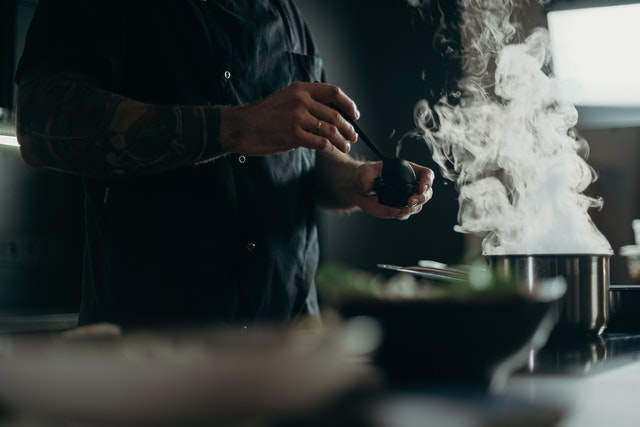
The kitchen is a minefield when it comes to accidents. Here’s what you can do to make your loved one’s kitchen safe:
- Store items at low levels so your family member doesn’t have to struggle to reach them
- Fit fire-resistant material around the stove area
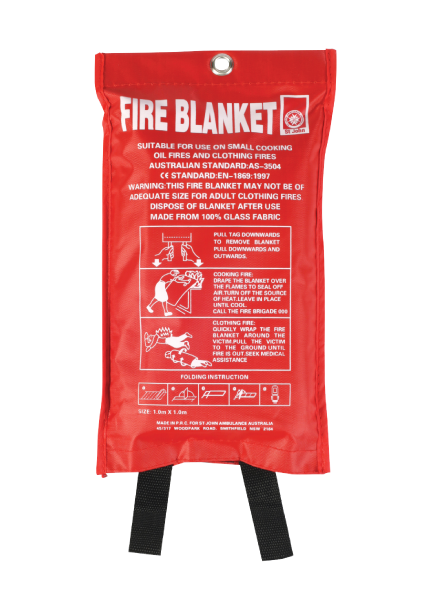
- Make sure there is an easily accessible fire extinguisher or blanket
- For food safety, check your loved one’s fridge regularly. Throw out any out-of-date food and ensure that the fridge runs at between 0 and 4 degrees Celsius
Bathroom safety
Keep your elderly relative safe in the bathroom by:
- Fitting thermostatically controlled taps to reduce the risk of scalding
- Fixing handles to the sides of the bath and shower
- Providing anti-slip bath mats
- Installing an emergency alarm in case they get into difficulty
Gadgets to keep your loved one safe
Technology is great for keeping your loved one safe:
- Stairlifts will help them use the stairs safely
- Wearing an alert necklace will mean they can call for help quickly
- Install video cameras so you can check on them remotely
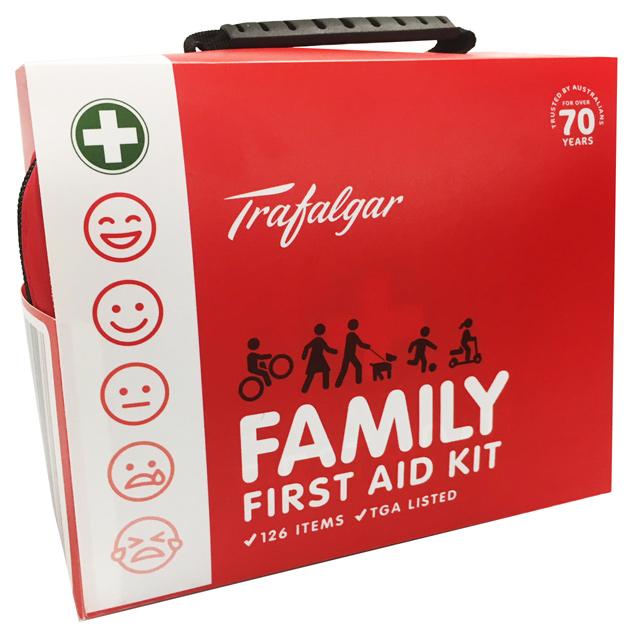
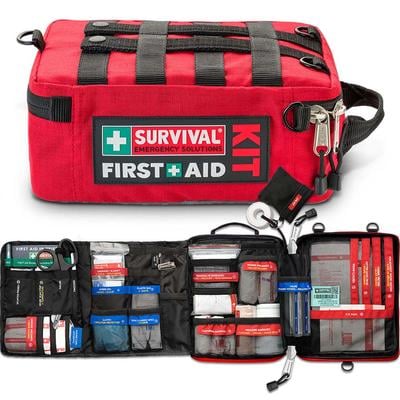
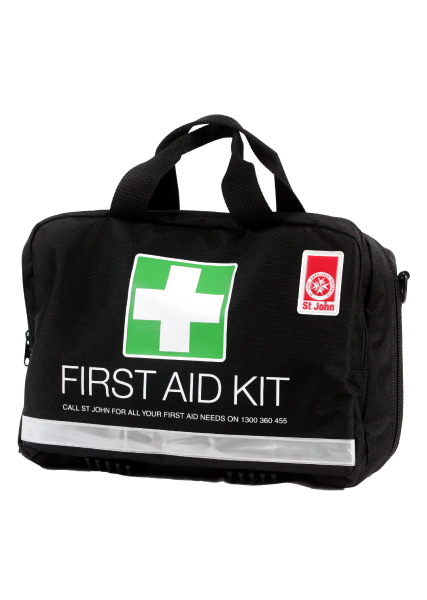
Invest in a first aid kit
First aid kits around the home are a great way to help keep your loved one feel secure, knowing that they can deal with minor medical issues themselves.
You can also teach them or refresh their knowledge of first aid to help them feel more confident.
A general purpose first aid kit is a great place to start. It contains all the basics you need to deal with minor medical issues and can be mounted to the wall for easy storage and access.
It’s also a good idea to keep a first aid guide with the kit, offering easy to follow instructions.
Your loved ones’ safety is our mission
At MediBC, we pride ourselves on making your and your loved ones’ safety our mission.
We are a top supplier of first aid kits and fire and safety equipment and can help you tick off your seniors home safety checklist with our extensive range of safety products.
Check out our complete collection and create a safe and secure environment.
Senior Home Safety Essentials
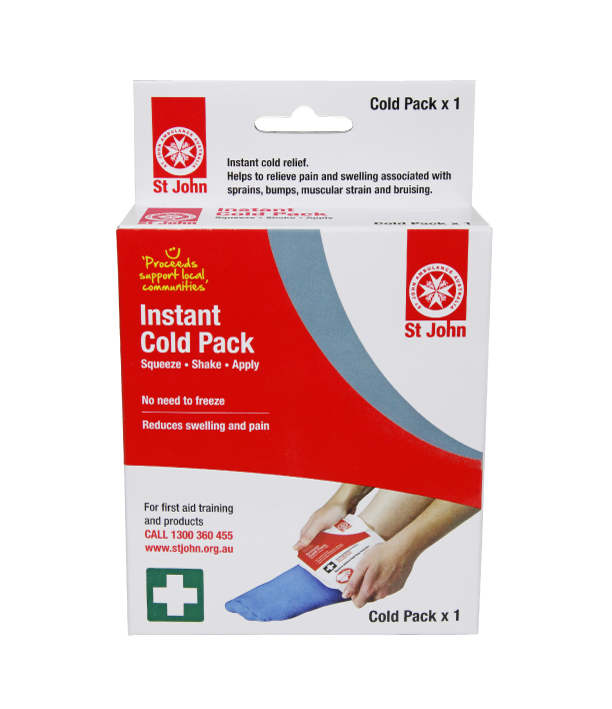
Family kits, fire blankets, cold packs, and easy-to-use guides to keep older relatives safe at home.