


Written by the MediBC First Aid Team · Checked against healthdirect Australia dehydration guidance · Updated October 2026.
This is general first aid information, not medical advice. Severe dehydration needs urgent medical care. For advice any time, call healthdirect on 1800 022 222, and call 000 in an emergency.
Dehydration happens when your body does not have enough fluid to work properly. Your body needs water to keep its temperature stable, move nutrients around and clear waste, and it loses fluid all the time through sweat, breath and urine. In Australia the usual triggers are hot weather, hard work or exercise in the heat, vomiting and diarrhoea, fever and not drinking enough. Babies, young children and older people dehydrate more easily, and severe dehydration can be life-threatening. Knowing the early signs of dehydration lets you act before it becomes serious.
Quick answer: signs of dehydration
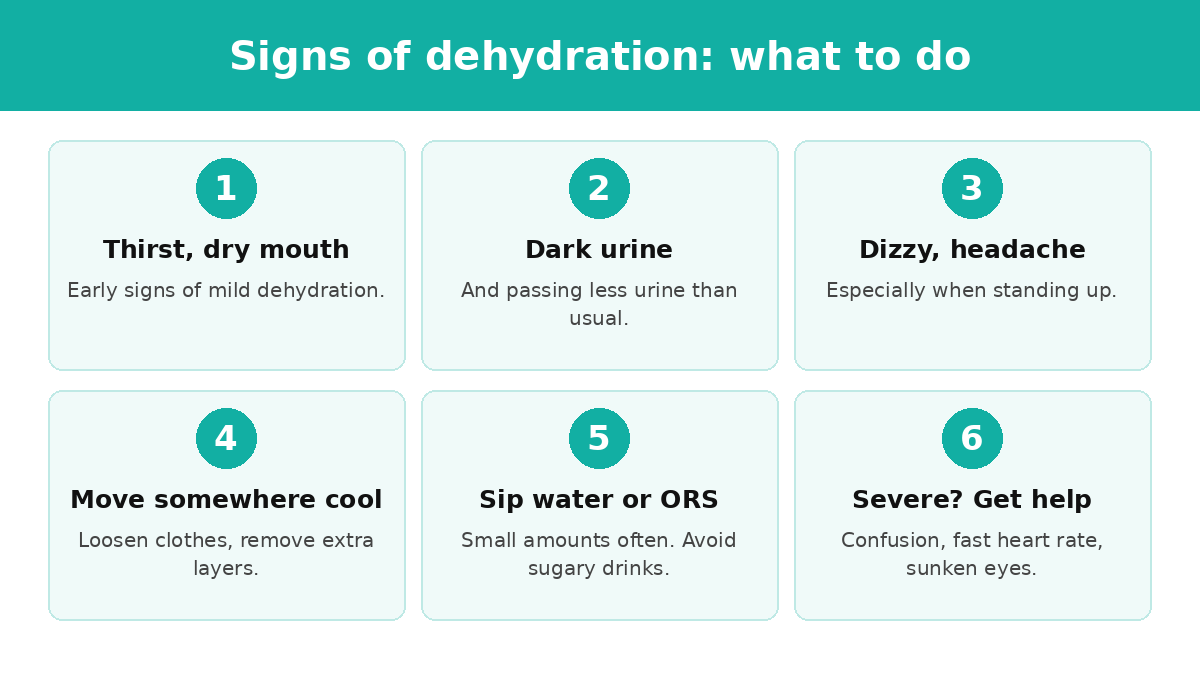
Early signs of dehydration are thirst, a dry mouth, lips and tongue, dizziness or light-headedness when standing, headache, dark urine and passing less urine than usual. Severe dehydration causes extreme thirst, fast breathing and heart rate, confusion or irritability, cold hands and feet, pale skin and sunken eyes, and needs urgent medical care. For mild dehydration, move somewhere cool and drink small amounts of cool water often, or an oral rehydration solution.
Signs of dehydration in adults
healthdirect Australia lists these signs of mild to moderate dehydration:
- thirst
- dry mouth, lips and tongue
- dizziness or light-headedness, particularly when standing up
- headache
- dark urine, and passing less urine than usual
- fever
Checking the colour of your urine is a simple test. healthdirect suggests using a urine colour chart, and dark urine is one of the signs that you need more fluids.
Common causes of dehydration
healthdirect lists these common causes:
- not drinking enough water
- severe vomiting or diarrhoea, for example with gastro
- fever
- drinking too much alcohol
- strenuous exercise, especially in hot weather
- certain medicines, such as diuretics
- diabetes
Several of these often happen together: a child with gastro and a fever, or a worker doing heavy labour on a hot day, can lose fluid much faster than they replace it.
Signs of severe dehydration
Get urgent medical care for anyone with signs of severe dehydration: extreme thirst, fast breathing, a fast heart rate, low blood pressure, irritability, tiredness or confusion, cold hands and feet, pale skin, or sunken eyes. In a baby, a sunken fontanelle (the soft spot on top of the head) is a warning sign. Severe dehydration is treated in hospital, usually with fluids through a drip.
Signs of dehydration in babies and children
Babies and young children can become dehydrated quickly, especially if they are vomiting, have diarrhoea or a fever, are unwell, or are not feeding or drinking enough. Early signs of dehydration in babies and toddlers include fewer wet nappies, or nappies that are not as wet as usual; older children may not go to the toilet as often.
See a doctor as soon as possible if a baby under 6 months shows any signs of dehydration, because young babies can go from mild to severe dehydration very quickly. Children under 6 months should not be given water or dairy milk to drink. Ask your doctor or pharmacist about an oral rehydration solution suitable for your child.
Signs of dehydration in older people
Older people dehydrate more easily because of reduced kidney function, limited mobility and medicines such as diuretics, and they may not feel thirsty even when they need fluids. In older people, dehydration can show up as confusion, constipation and falls, and it can contribute to stroke. If you care for an older person, offer drinks regularly rather than waiting for them to ask.
What to do: how to rehydrate
- Move somewhere cool and out of the sun.
- Loosen tight clothing and remove unnecessary layers.
- Drink small amounts of cool water regularly, rather than gulping a large amount at once.
- Use an oral rehydration solution if you are losing fluid through vomiting or diarrhoea, or feel unwell. They are sold in pharmacies and supermarkets; ask a pharmacist which is best for you or your child.
- Avoid drinks that can make it worse: sugary drinks such as soft drinks and sports drinks, caffeine and alcohol.
- Get help if the signs of dehydration are severe, the person is a young baby, or they cannot keep fluids down.
healthdirect also gives a home recipe for an oral rehydration solution (6 teaspoons of sugar, half a teaspoon of salt and half a teaspoon of sodium bicarbonate in 1 litre of water), but advises checking with your doctor before giving it to a child, and before using it if you have diabetes or are pregnant or breastfeeding.
Preventing dehydration at work and at home
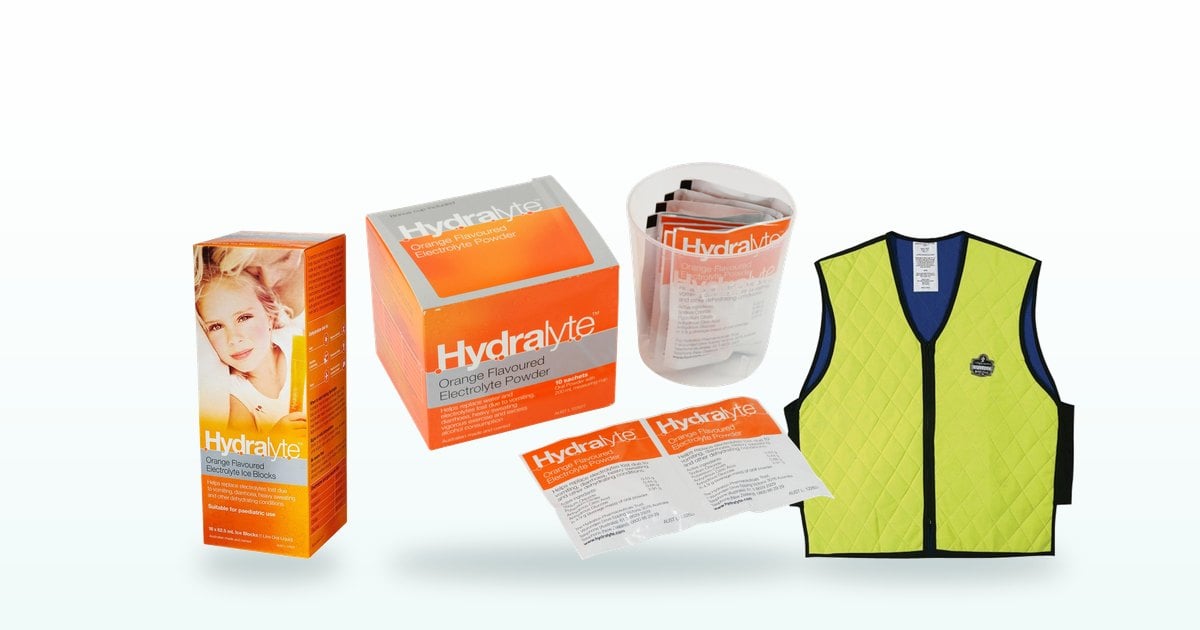
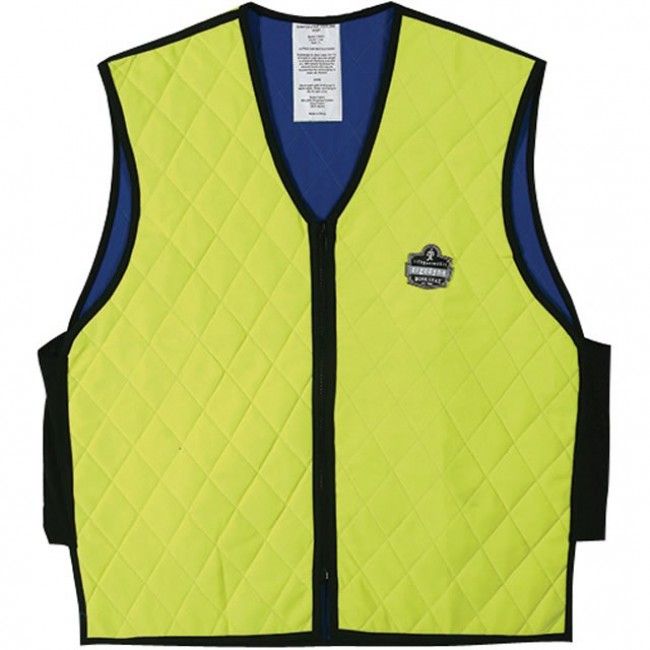
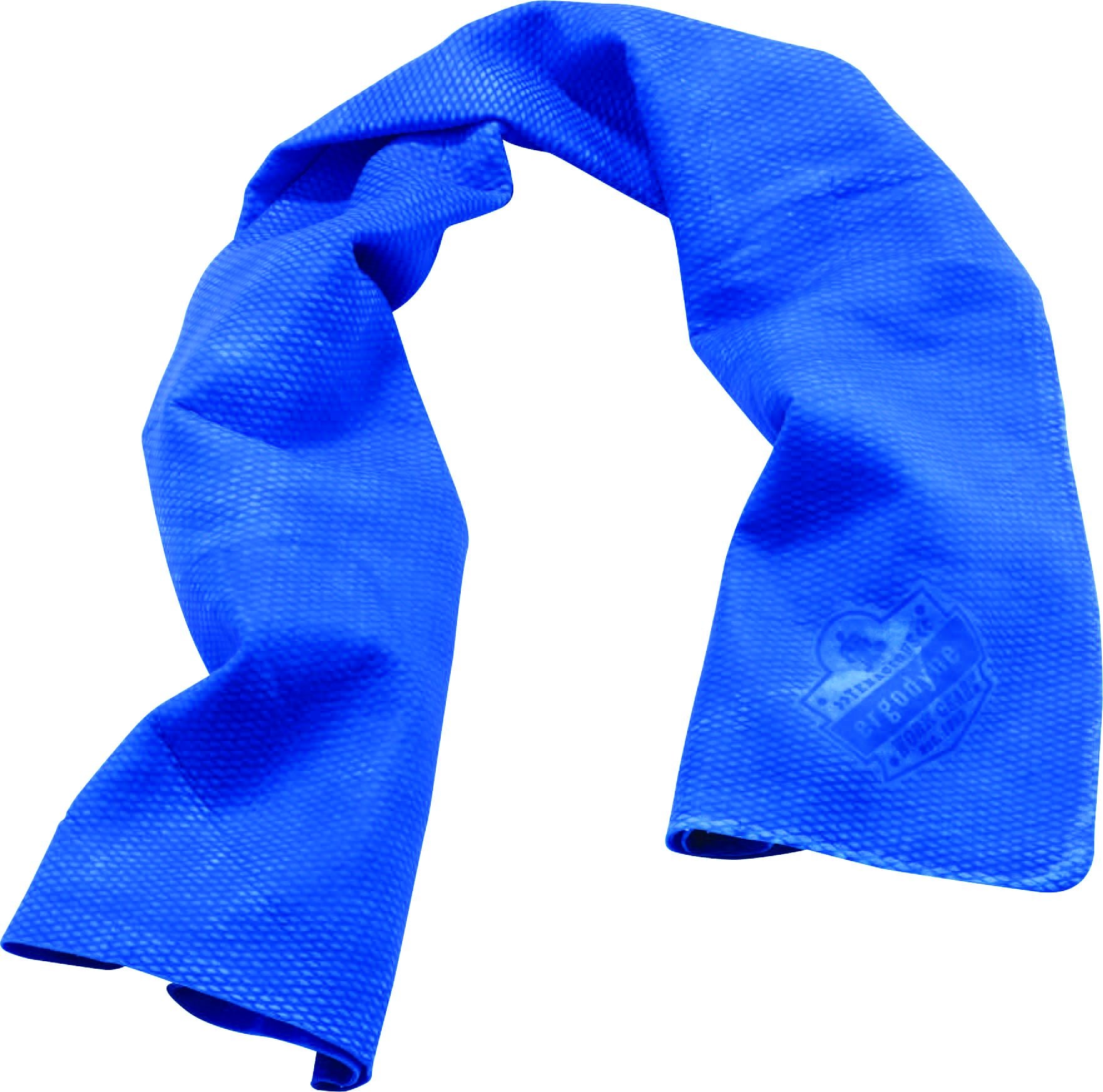
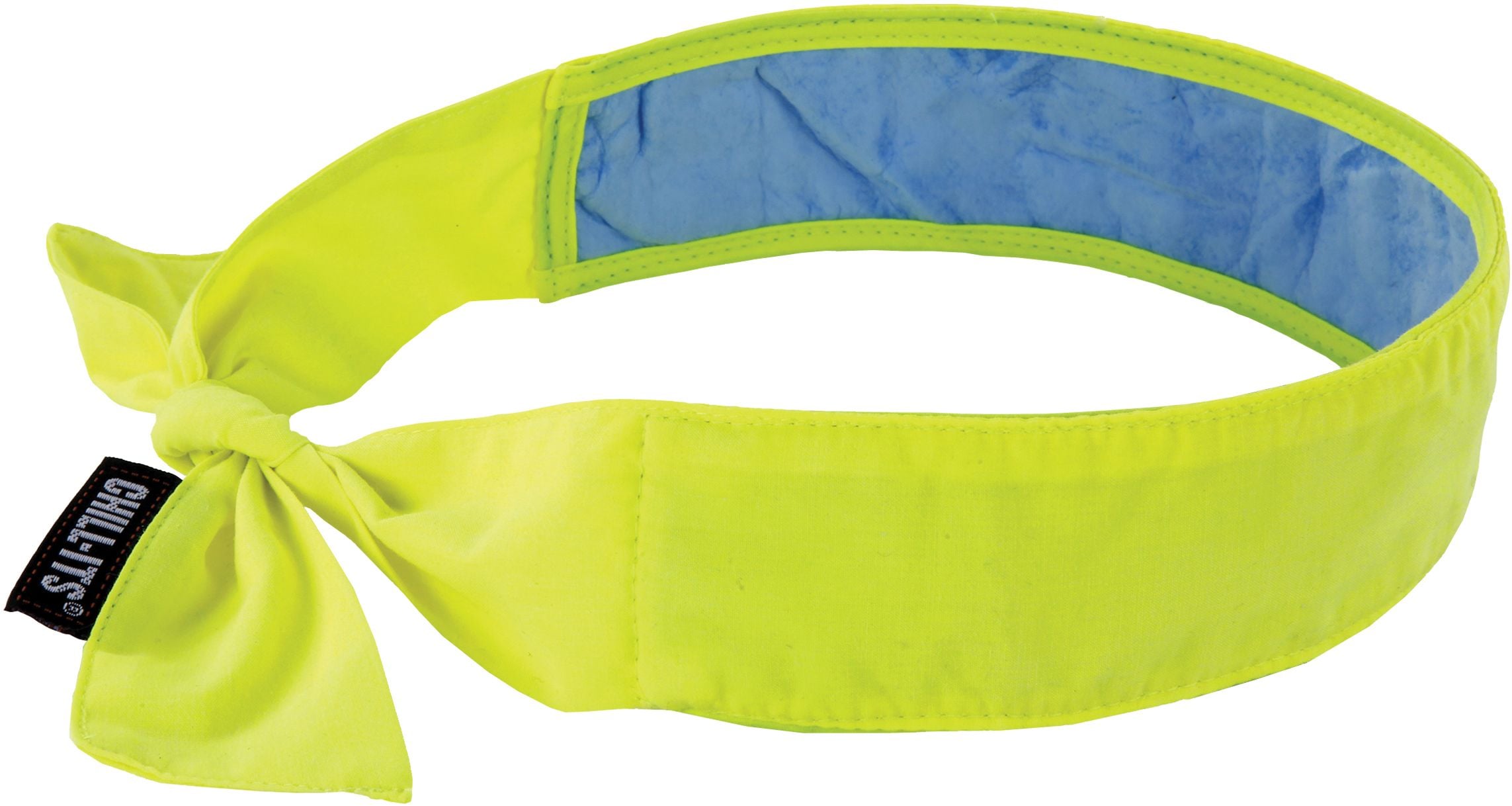
Water is the best drink for staying hydrated. As a general guide, healthdirect suggests children over 1 year drink around 1 to 2 litres a day and adults around 2.1 to 2.6 litres, with more in hot weather, during exercise and when you are sick. On hot worksites, plan regular breaks in the shade, keep water within reach, and follow your workplace heat-stress controls. Cooling gear such as evaporative vests, towels and bandanas can help some workers stay more comfortable, but it does not replace water, rest and shade. Heat illness and dehydration often go together, so read our guides to heat exhaustion and heat stroke and heat rash treatment.
Dehydration first aid supplies
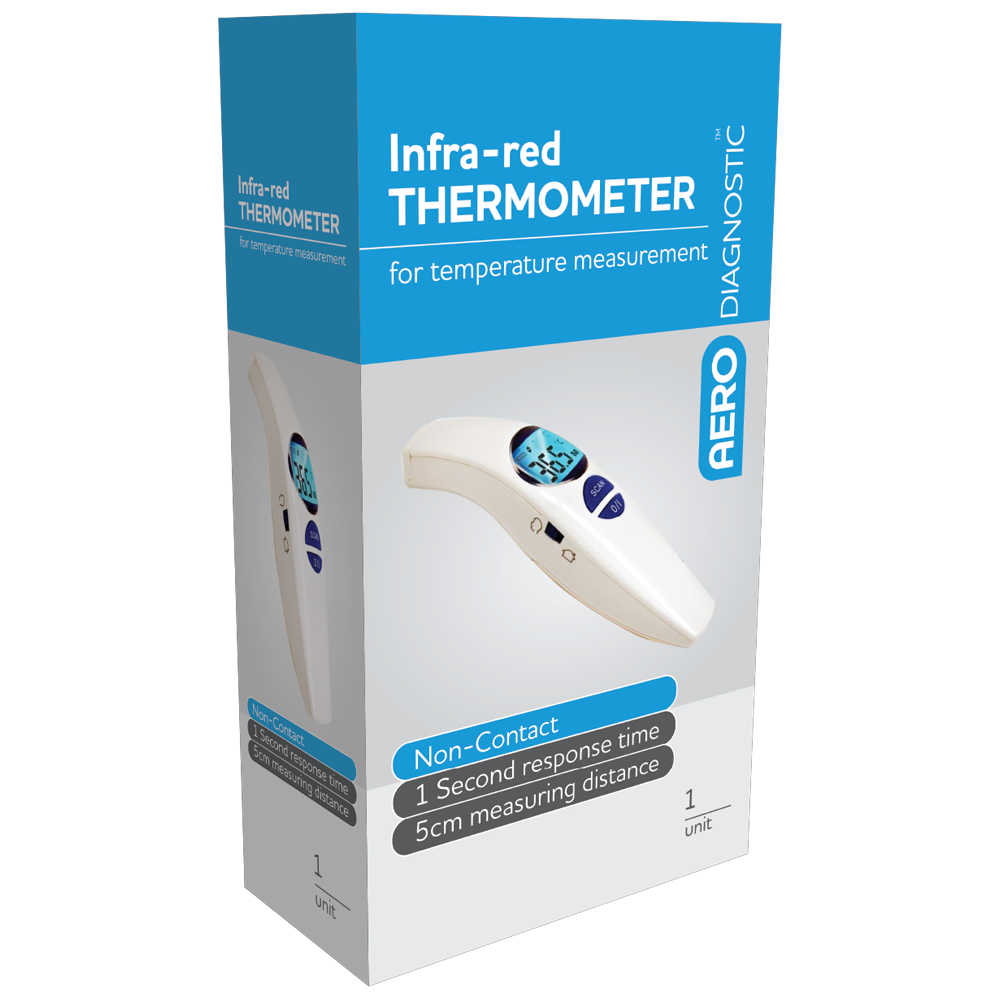
Keep an oral rehydration solution in the home and workplace first aid kit (check the label and expiry date, and do not store it somewhere hot like a parked car), along with a thermometer, as fever is a common cause of dehydration in children. For outdoor and industrial work, cooling gear helps workers manage heat. Browse more everyday care supplies.
Rehydrate and keep cool
Oral rehydration, a thermometer for fever, and cooling gear for hot work.
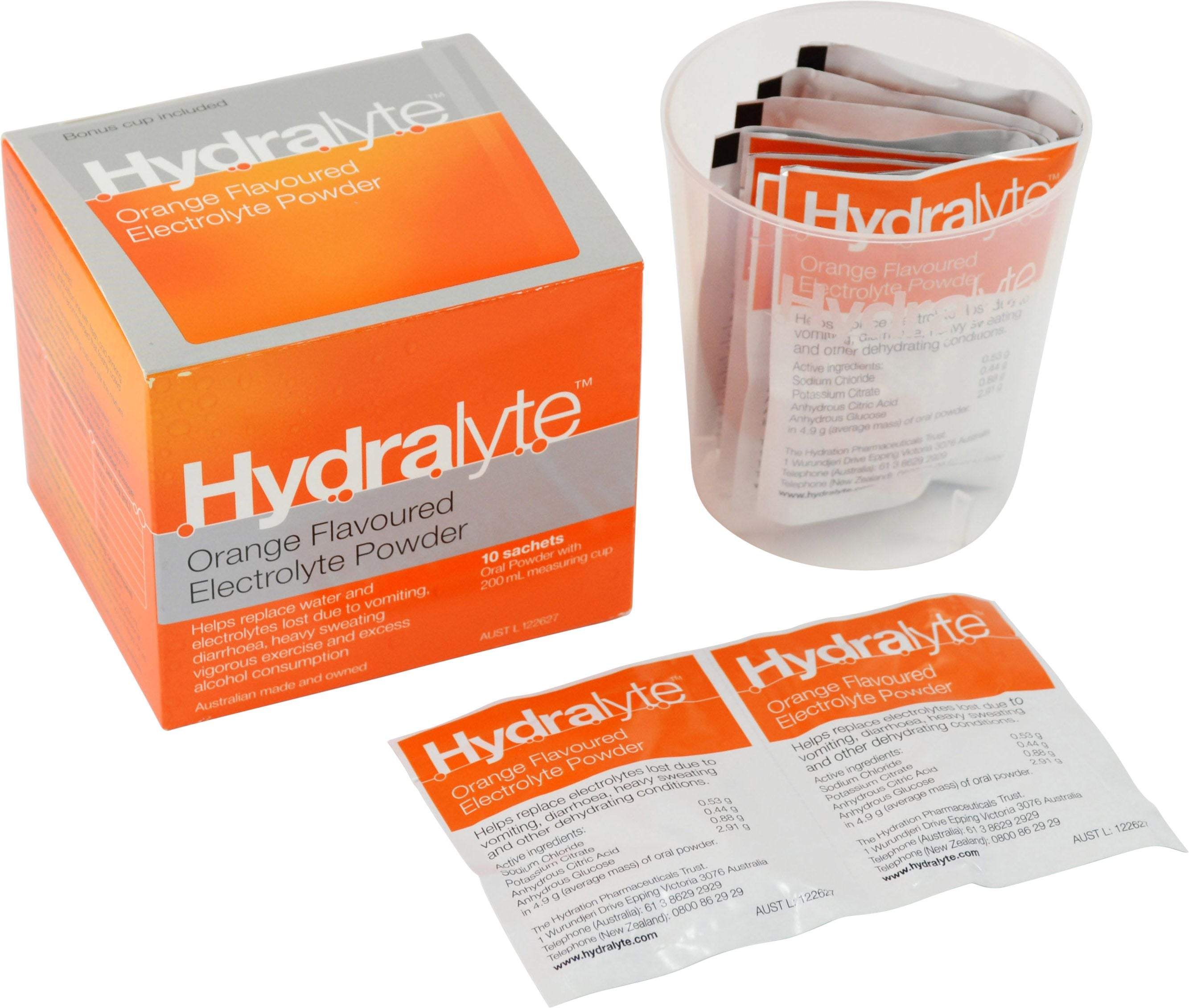
Hydralyte Sachets (10)
Oral rehydration solution sachets to replace fluids and electrolytes.
Shop Now

Hydralyte Ice Blocks (16) Orange
Oral rehydration in an ice block, often easier for children.
Shop Now
Dehydration FAQs
What are the first signs of dehydration?
Thirst, a dry mouth, lips and tongue, dizziness when standing, headache, dark urine and passing less urine than usual.
How do I know if my baby is dehydrated?
Look for fewer wet nappies, or nappies that are not as wet as usual. A sunken fontanelle is a sign of severe dehydration. See a doctor as soon as possible if a baby under 6 months has any signs.
Does coffee dehydrate you?
Coffee does contain fluid, but healthdirect advises avoiding caffeine, alcohol and sugary drinks such as soft drinks and sports drinks when you are already dehydrated. Water is the best drink for staying hydrated.
Can dehydration cause nausea?
Nausea often comes with the illnesses and heat exposure that cause dehydration, and vomiting itself can quickly dehydrate you. If vomiting continues or you cannot keep fluids down, get medical advice.
Is fainting a sign of dehydration?
Dizziness or light-headedness, especially when standing up, is a listed sign of dehydration, but fainting has many possible causes. Call 000 if someone collapses and does not recover quickly, cannot be roused or stays confused.
Are sports drinks good for dehydration?
healthdirect advises avoiding sugary drinks such as sports drinks when dehydrated. Use small sips of water, or an oral rehydration solution if you are losing fluid through vomiting or diarrhoea.
Can I make my own rehydration drink?
healthdirect gives a recipe of 6 teaspoons of sugar, half a teaspoon of salt and half a teaspoon of sodium bicarbonate in 1 litre of water. Check with your doctor first before giving it to a child, or if you have diabetes or are pregnant or breastfeeding.
How much water should I drink a day?
As a general guide, adults need around 2.1 to 2.6 litres of fluid a day and children over 1 around 1 to 2 litres, with more in hot weather, during exercise and when sick.
Related first aid guides
Keep reading: heat exhaustion and heat stroke, what to do when food poisoning strikes, heat rash treatment and workplace thermometers.