


Written by the MediBC First Aid Team · Checked against healthdirect Australia heat rash guidance · Updated October 2026.
This is general first aid information, not medical advice. Heatstroke is a medical emergency: call 000 for suspected heatstroke, especially if someone who is overheated becomes confused, collapses or has a seizure. Sweating does not rule it out. For advice any time, call healthdirect on 1800 022 222.
Heat rash is one of the most common skin problems of an Australian summer. It is also called prickly heat, sweat rash or miliaria, and it happens when sweat ducts get blocked and sweat is trapped under the skin. It shows up where sweat collects: the neck and upper chest, under the breasts and arms, in skin folds, the groin and around the waist, and in babies on the face and nappy area. The good news is that most heat rash clears up on its own. Good heat rash treatment is mostly about cooling the skin, keeping it dry and stopping the itch while it settles.
Quick answer: heat rash treatment
Move somewhere cool and well ventilated, take a cool bath or shower, and change into loose cotton clothing. Keep the skin dry with an absorbent powder, and soothe itching with calamine lotion and a gentle moisturiser if the skin is dry. See a doctor if the rash has not improved after a few days somewhere cooler, covers a large area or keeps coming back, and get urgent care for signs of infection or heatstroke.
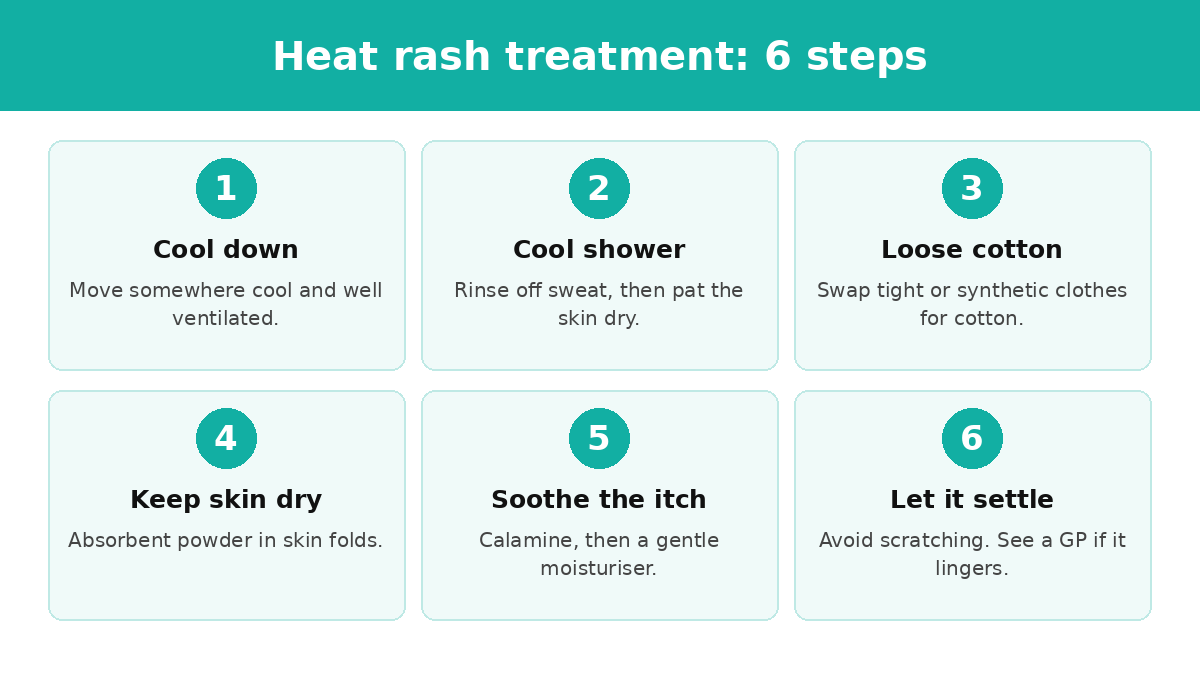
Heat rash treatment at home, step by step
healthdirect Australia advises that most heat rash gets better with simple self-care. These steps follow that advice.
- Cool down. Move to a cool, well-ventilated place with air conditioning or a fan, and get out of the heat and humidity that caused the rash.
- Take a cool bath or shower. Washing off sweat and bacteria helps. Pat the skin dry rather than rubbing it.
- Wear loose cotton. Change out of tight or synthetic clothing, which traps heat and sweat against the skin.
- Keep the skin dry. A light dusting of cornstarch or an absorbent powder helps keep skin folds dry. For babies, never shake powder near the face where it can be breathed in.
- Soothe the itch. A calamine lotion can cool and soothe itchy skin, and a gentle moisturiser helps if the skin becomes dry.
- Let it settle. Avoid scratching, which can break the skin.
What does heat rash look like?
Heat rash looks different depending on how deep in the skin the sweat is trapped. healthdirect describes three common appearances:
- tiny, clear blisters that break easily
- small red spots or bumps that may feel itchy or prickly
- deeper red or white lumps that feel prickly but are usually not itchy
It appears where sweat collects and skin rubs or is covered. If a rash looks different from a typical heat rash, spreads to areas that are not hot or sweaty, or comes with a fever, get it checked, as other conditions can look similar.
How long does heat rash last?
This is the most searched heat rash question in Australia. Most heat rash gets better on its own once the skin is kept cool and dry, often within a few days. healthdirect advises seeing a doctor if the rash does not get better after a few days in a cooler place, covers a large area, looks different from usual, or keeps coming back. Repeated heat exposure may be contributing, so look at clothing, bedding and work conditions, but see a doctor if the rash keeps coming back.
Heat rash treatment for babies and newborns
Babies get heat rash easily because their sweat glands are not fully developed, and bundling or wrapping them in too many layers makes it more likely. healthdirect suggests:
- moving them to a cooler room or shaded area
- changing sweaty clothes and wet nappies regularly
- removing extra layers and blankets, and dressing them in loose, light cotton
- keeping their skin clean and dry
- applying a soothing lotion such as calamine, followed by a gentle moisturiser, if the skin is irritated
Watch a baby with heat rash for signs of overheating. A baby who is hot, unusually drowsy, floppy, not feeding or has a fever needs to see a doctor urgently.
When heat rash needs a doctor or urgent care
Seek urgent care if you or your baby show signs of infection, such as lumps filled with pus, spreading redness around the rash, or a high temperature. Heat rash over a large area of the body can also lead to heatstroke. Call 000 if someone has signs of heatstroke such as confusion, collapse or seizures, move them somewhere cool and start cooling them while you wait, and do not give drinks to anyone who is confused or drowsy. Our guide to heat exhaustion and heat stroke covers what to do while you wait.
For itchy or painful rashes that do not settle, a doctor or pharmacist may suggest antibacterial products if infection is a risk, or a prescribed corticosteroid cream for severe rashes that do not improve with other treatment. Ask before using medicated creams on babies.
How to prevent heat rash
- Keep cool to avoid heavy sweating, and avoid heat and humidity where you can.
- Stay in air conditioning, near a fan or in a well-ventilated space.
- Wear loose cotton clothing and avoid fabrics that irritate your skin.
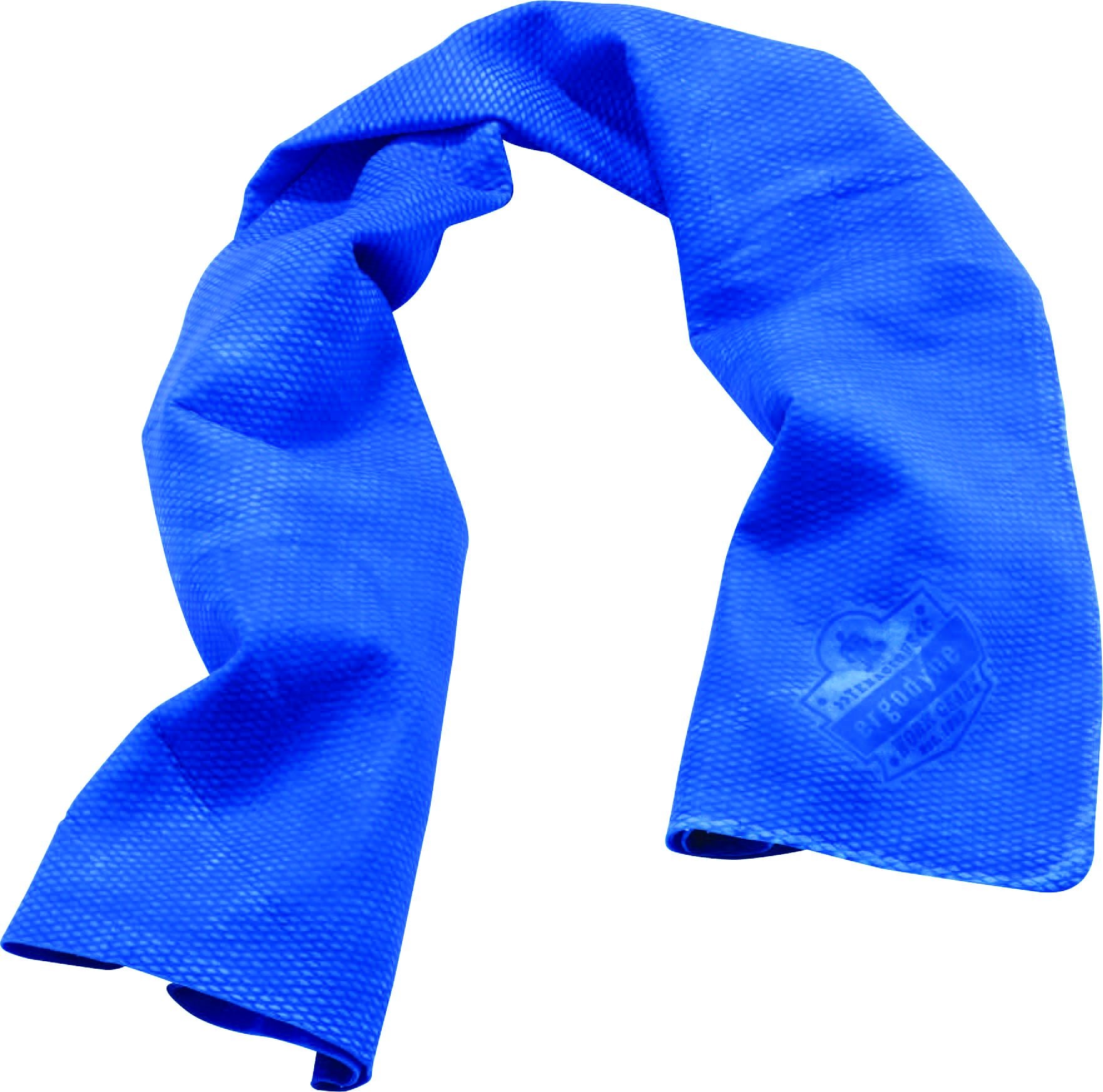
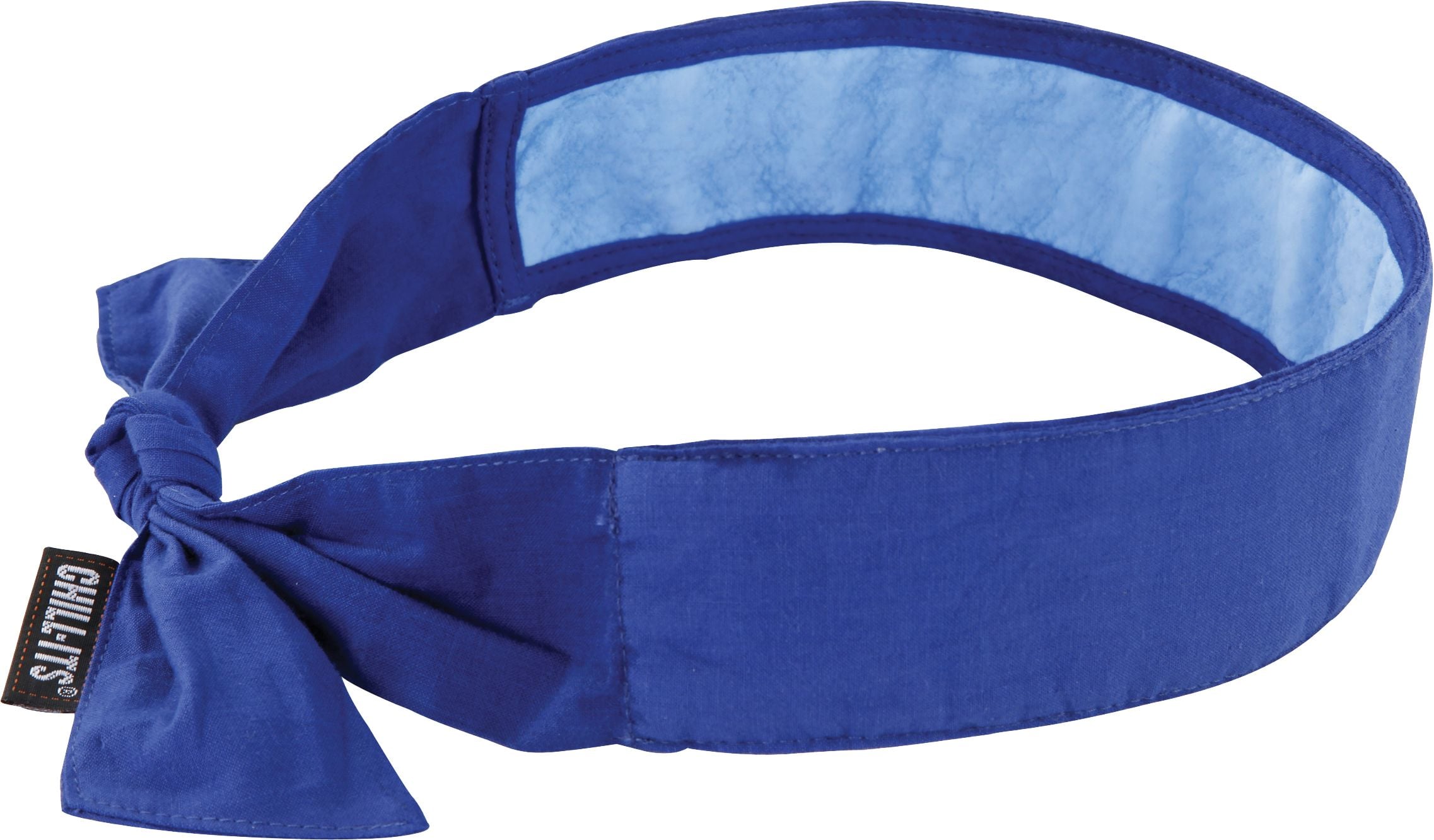
- For outdoor workers, plan breaks in the shade and use cooling gear such as an evaporative cooling towel or bandana.
Sunburn also raises the chance of heat rash, so protect your skin outdoors; see our guide on how to treat sunburn.
What to keep on hand for heat rash treatment
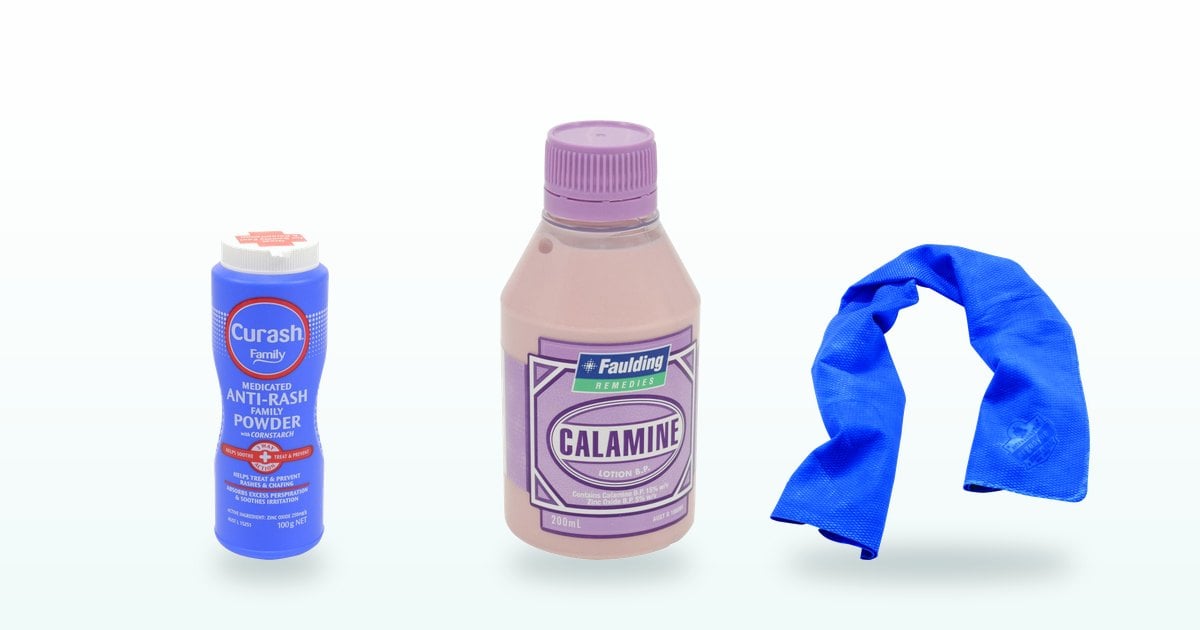
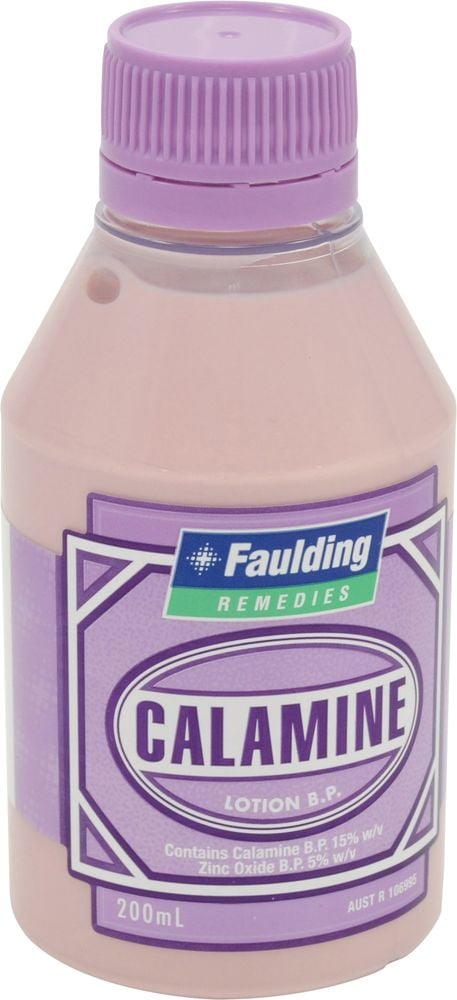
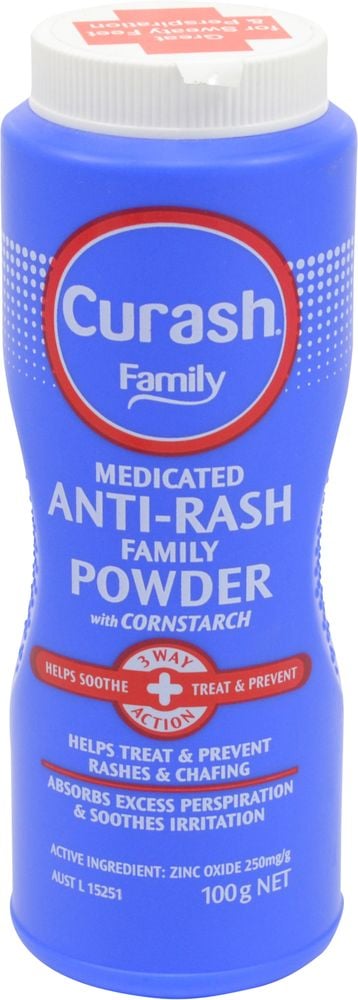
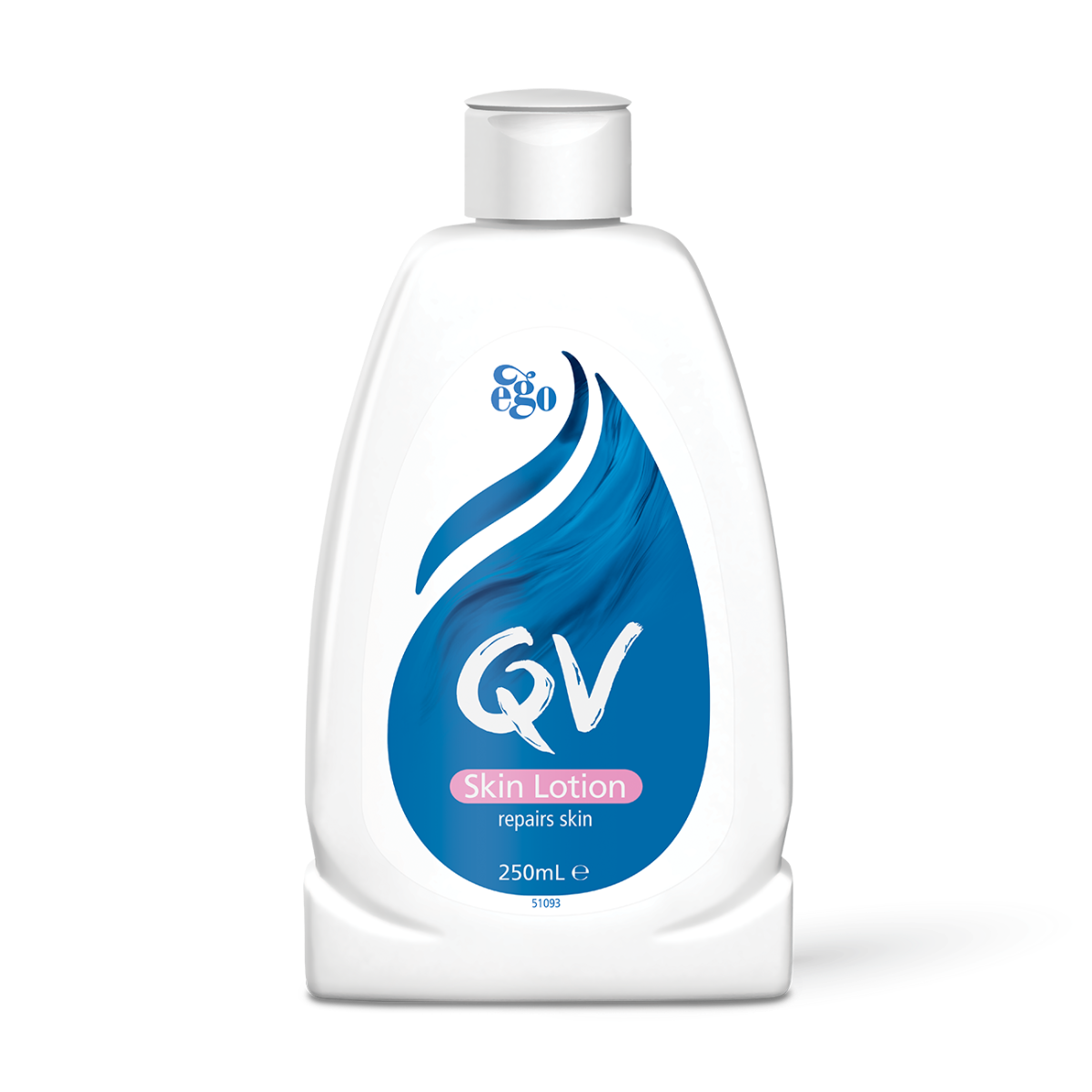
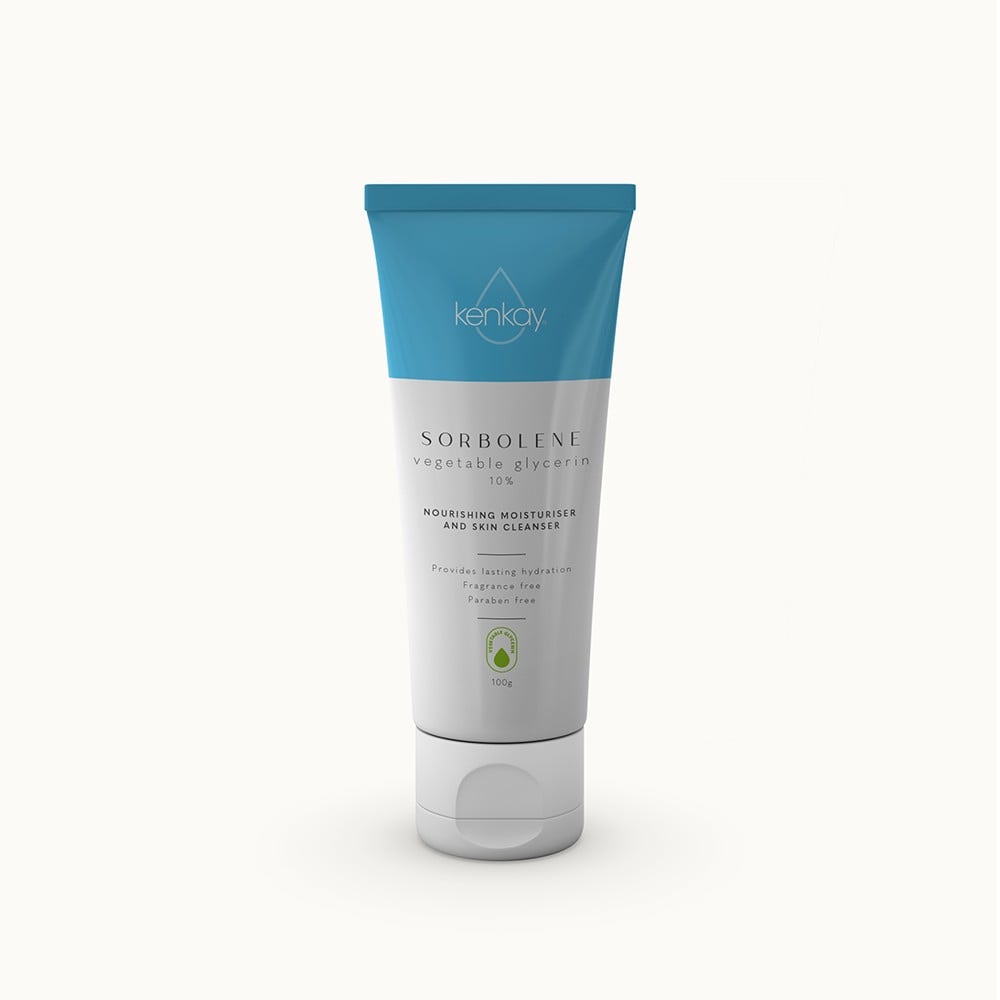
A few simple products cover the steps above for home, childcare and outdoor work; check labels, and ask a pharmacist before using medicated products on babies. Having them ready means heat rash treatment can start as soon as the rash appears, rather than after a trip to the shops in the heat. You can browse more skin care and everyday supplies in our range.
Heat rash relief essentials
Soothe the itch, keep skin dry and stay cool, as recommended in the steps above.
Heat Rash FAQs
How long does heat rash last?
Most heat rash gets better on its own within a few days once the skin is kept cool and dry. See a doctor if it has not improved after a few days in a cooler place, covers a large area or keeps coming back.
What is the fastest heat rash treatment?
Cool the skin: move somewhere cool, take a cool shower, change into loose cotton and keep the area dry. Calamine lotion can soothe itching while it settles.
Is prickly heat the same as heat rash?
Yes. Prickly heat, sweat rash and miliaria are all names for heat rash, which happens when sweat is trapped under the skin.
How do I treat heat rash on my baby?
Move them somewhere cooler, remove extra layers, dress them in loose cotton, change sweaty clothes and wet nappies, and keep the skin clean and dry. See a doctor urgently if your baby has a fever, pus-filled spots or seems unwell.
Should I put cream on heat rash?
A soothing lotion such as calamine can help itching, and a gentle moisturiser helps dry skin. Ask a pharmacist before using medicated creams.
How can I prevent prickly heat?
Keep cool, avoid heat and humidity, use air conditioning or a fan, and wear loose cotton clothing instead of tight or synthetic fabrics.
Related first aid guides
Keep reading: heat exhaustion and heat stroke, how to treat sunburn, signs of dehydration and first aid kits for babies and children.