

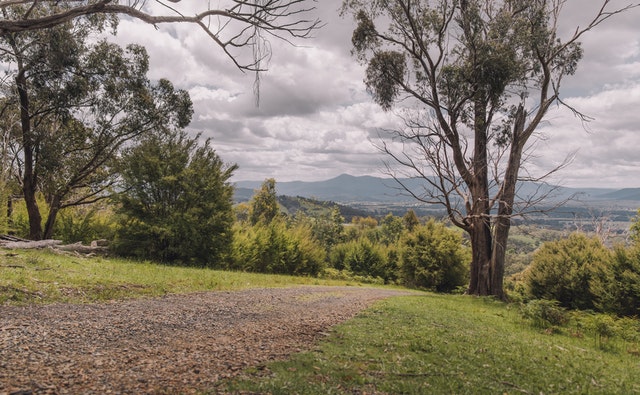
If you like an adventure and are planning a trip to the outback, you’ve probably already heard all the outback survival stories. But not all have a happy ending — so, how can you be prepared for your big trip?
Keep safe while exploring some of Australia’s most remote and spectacular scenery by being prepared.
We’ve put together some essential outback survival tips to help you plan for your biggest adventure yet!
Plan every detail
You can never do too much planning when it comes to visiting remote areas. Have your route mapped out and find out where shops, visitor centres and petrol stations are situated, marking them on your map.
Leave a copy of your route with someone back home and let them know when you’ll be setting off and when you expect to be back. That way, they can raise the alarm should you go missing and provide vital information to your whereabouts.
You’ll also need to know the weather forecast before you go and keep up with any changes in conditions to help you explore safely.
Stay charged up and keep connected
Ensure your mobile phone is fully charged and that your car charger is working. Many remote areas don’t have good mobile coverage, so it’s best to hire a satellite phone to take with you as well.
You should also consider taking a personal locator beacon (PLB), available to hire at many national parks. PLBs use satellite technology to send out distress calls, so it’s like calling the emergency services without the need for a phone.
Download the Emergency+ app, too. It uses GPS to help you provide location details when you dial Triple Zero. It’s a vital piece of outback survival gear that could help save your life.
Be vehicle-ready
Survival in the outback depends as much on your choice of vehicle as anything else. It’s inadvisable to take anything other than a four-wheel drive vehicle. That’s because a two-wheel drive simply won’t be capable of managing flooded paths or challenging terrain.
Before you set out, make sure your vehicle is in good condition and topped up with fuel. Have spare tyres and tools available, too. You should know how to do basic repairs, such as changing a tyre, so brush up on your skills before your trip.
Take care to drive in full daylight when you will be most alert and able to spot hazards. There are more likely to be animals on the road at dawn and dusk, and driving in the darkness of night is not recommended.
In the event of an emergency, stay with your vehicle. You are likely to get lost if you wander off into the outback, so stay where you can be easily spotted by other explorers. The emergency services will also be able to locate you much easier from the air if you’re in your vehicle. Put your bonnet up while you wait to make your vehicle more visible.
A torch and a whistle are useful items to keep in your vehicle, and use them to draw attention to yourself if you’re lost.
Dress appropriately
Wear a long-sleeved shirt to protect you from mosquitoes and other biting insects, a hat that protects your face from the sun and comfortable, sturdy footwear.
Don’t forget to slap on the sunscreen on a regular basis to prevent you from getting burned.
Food and drink essentials
It goes without saying that a plentiful supply of food and drink is essential to the success of your trip. Take more water than you think you’ll need and plenty of food, too. Pack high-energy snacks such as dried fruit, nuts and bananas.
If you’re intending to cook your own food, firstly check whether there are any fire bans in operation. Pack a supply of your own firewood or take a fuel stove, taking care not to use it in a confined space.
Pack a first aid kit
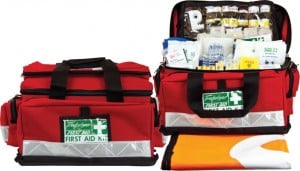
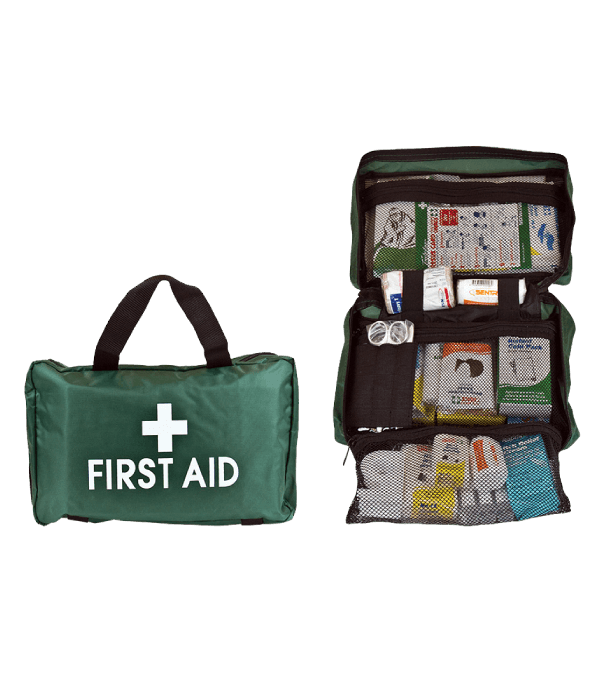
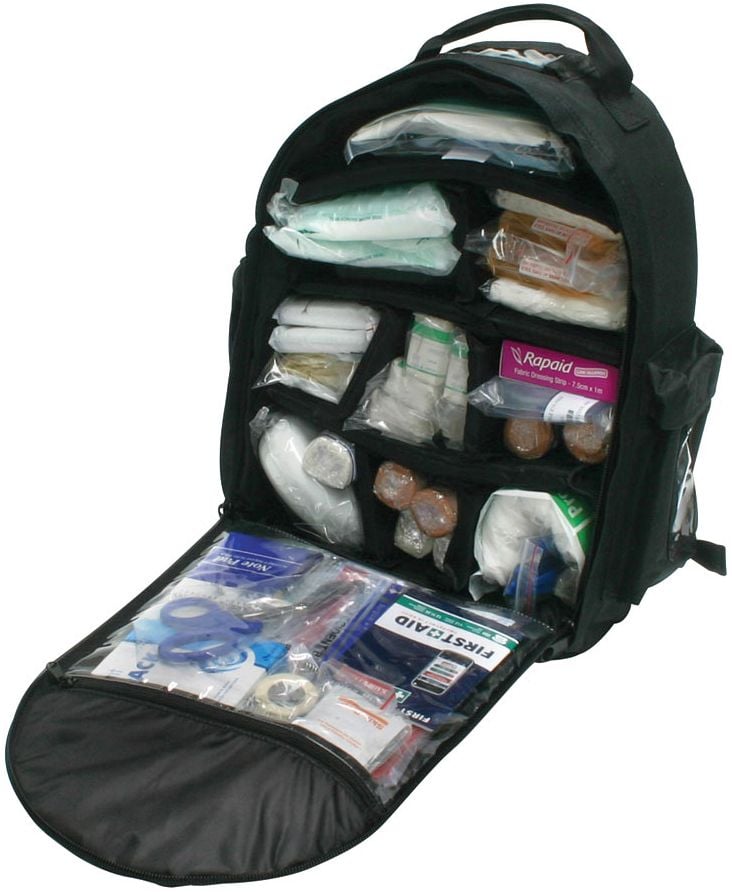
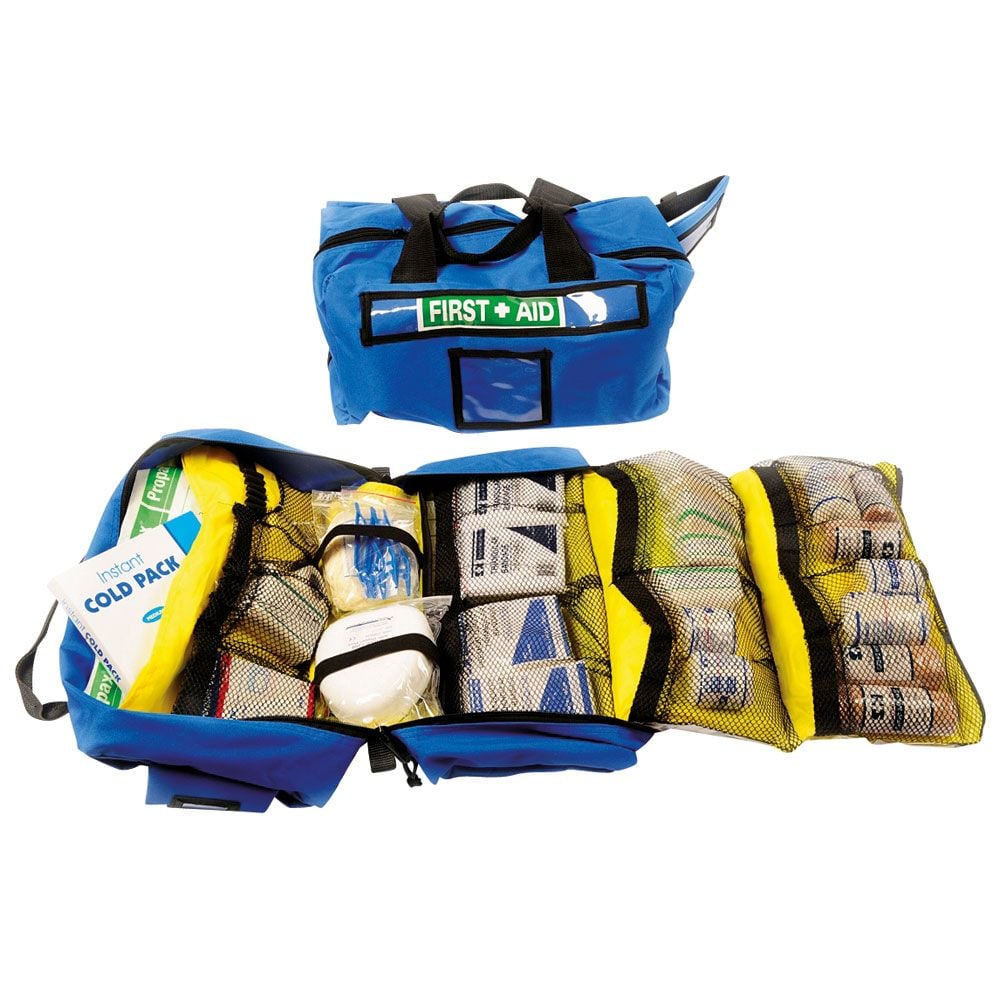
Sourcing a trekking, travel and camping first aid kit is an essential part of your planning.
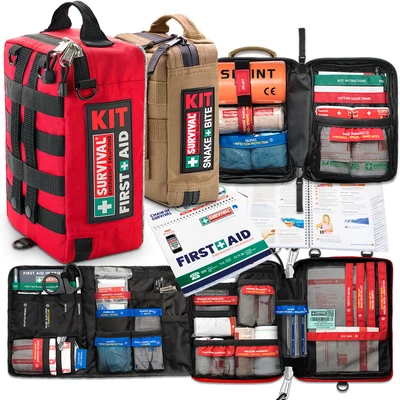
Choose one that’s been designed for outdoor adventures and will prepare you for most types of emergency. An outdoor bundle that includes a regular first aid kit, a snakebite first aid kit and a first aid handbook is an excellent choice. The kits are easy to carry if you’re trekking and contain everything you need.
Remember that your outback first aid kit list should include the usual first aid supplies, like bandages and antiseptic wipes, as well as more specialist items like burn gel and snakebite treatment. If you already have a kit, make sure it’s topped up with supplies.
Grab your outback adventure first aid supplies
There’s no such thing as too much preparation when it comes to planning for a trip to the outback.
And one thing you shouldn’t skimp on is your first aid kit and supplies. Browse the MediBC range to find a kit with all the essentials, giving you peace of mind when you set out on your big adventure.
Your safety is our priority, so you’ll be sure to find the right kit for all your exploring needs!
Outback Survival First Aid Kits
Trauma-grade and remote kits built for serious emergencies in the Australian outback.