

According to the Australian Bureau of Statistics, injury at home is a big risk. In fact, you are more likely to hurt yourself at home than anywhere else.
To understand how to make your home a safer place, you need to know the most common hazards found there and how you can eliminate them or at least avoid injury.
In this article, we’re going to list the most common home hazards you’ll come across and give you practical tips on how to avoid injuries caused by them or remove them altogether. Follow our guidelines and feel assured that your home is the safest place it can be!
Fire
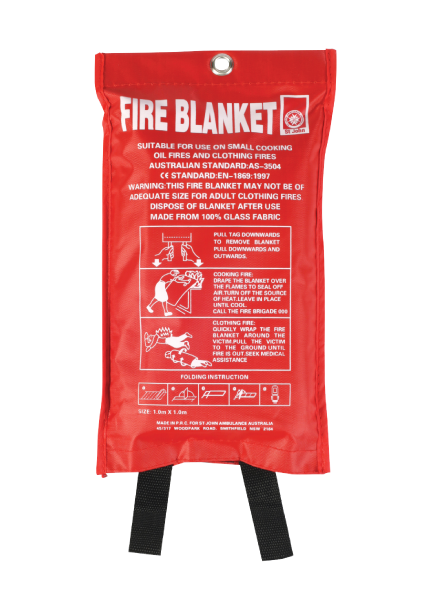
As well as being one of the most common hazards found at home, fire can also do the most damage to people and property. This is what you can do to reduce the risk of fire starting in your home:
- Keep your home clutter-free.
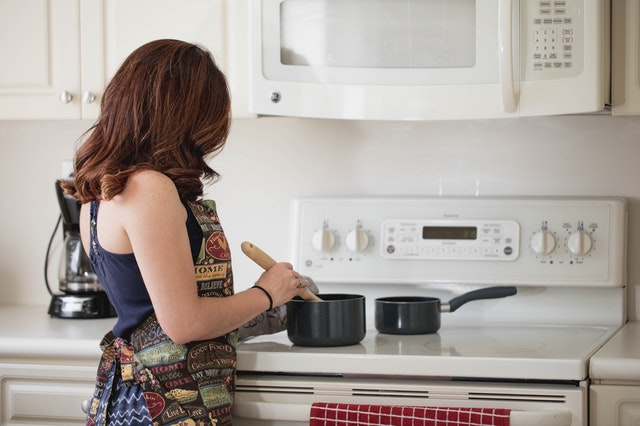
- Don’t leave cooking unattended.
- Make sure your fireplaces and chimneys are cleaned and maintained regularly.
- If you have an open fire, use a fireguard to stop sparks from escaping and to protect children from coming into contact with flames.
- Ensure that your electrical systems are up-to-date.
It’s also important to have smoke alarms installed on every storey of your house. Ensure they are in good working order by checking the test button once a month. Keep them clean and dust-free. And make sure you replace any batteries once a year.
Poisoning
Many household products can be poisonous, and children under five are the most vulnerable. These are our tips on avoiding poisoning in the home:
- Don’t leave children unattended near household cleaning products.
- When they are not in use, keep cleaning products and chemicals out of reach of children and locked away.
- Keep products in their original containers.
- Dispose of cleaning products and chemicals you no longer use safely.
- Don’t mix products – this can cause dangerous gases to escape.
You should also know about the risk of carbon monoxide poisoning in the home. Carbon monoxide may leak from poorly maintained appliances that use gas or other fossil fuels, such as boilers.
Because you can’t smell, taste or see carbon monoxide, you may be completely unaware that it is building up in your home.
That’s why it’s so important to have your fossil fuel appliances maintained regularly and fit carbon monoxide detectors in your home.
Water
Drowning at home is a real risk for young children. You can prevent this by:
- Never leaving your child in the bath unattended. They can drown quickly even in a shallow bath.
- Don’t leave children unsupervised near any body of water in the house or garden. This includes paddling pools, water butts and garden ponds.
- If you have a swimming pool, hot tub, pond or other water feature in your garden, make sure it is fenced off and secured with a safety gate.
Another risk posed by water is scalding. Avoid this by:
- Never leaving a child alone in the kitchen where they could tip over a pan or kettle of water
- Fitting anti-scald valves to your taps to prevent the release of water that is too hot
- Taking care when using your steam iron
Falls
The elderly are particularly vulnerable to falls. Avoid them by:
- Keeping your home free of clutter
- Fitting handrails on stairs and in bathrooms if a family member needs extra support
- Ensuring that your home is well-lit
- Keeping cables tidied away
- Encouraging elderly household members to practise exercises for strength and balance
Choking
Choking can happen to anyone, but it is more common in the very young and the elderly. This is what you can do to minimise the risk:
- Cut up food for small children into very small pieces.
- Never let them eat unsupervised.
- Ensure children sit down to eat.
- Keep small objects like beads, coins and batteries out of the reach of children.
If an older person has difficulty swallowing, offer them foods like soup, yogurt, smoothies and soft fish. They should also consult their doctor who will be able to assess their condition and offer support.
What else can I do to keep my home safe?
There are lots of steps you can take to minimise or remove hazards in the home. But if the worst happens and someone has an accident, make sure you can deal with it by being prepared.
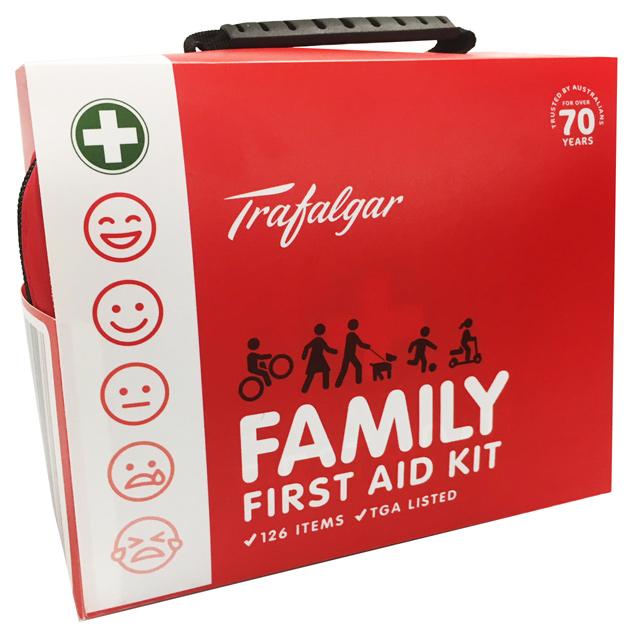
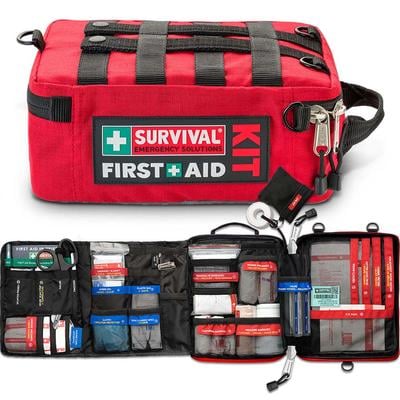
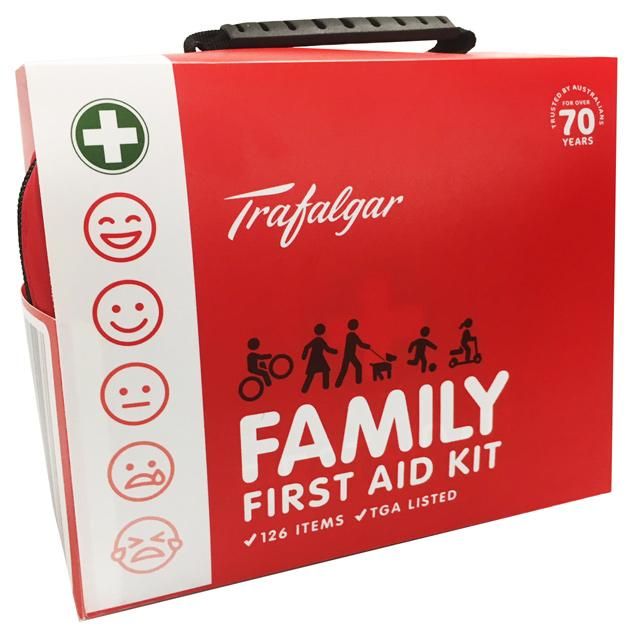
Invest in a family first aid kit packed full of everything you need to manage minor injuries at home. Keep it in a central location so you can grab it quickly in the event of an emergency.
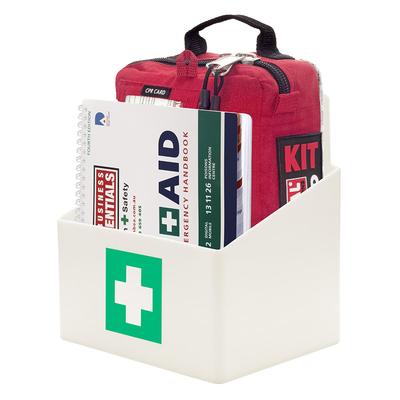
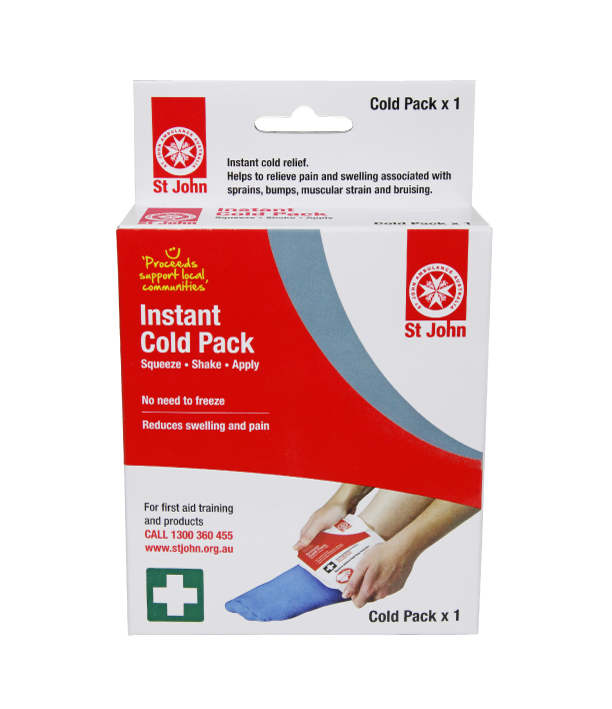
Or try a wall-mounted box, packed with home first aid kit essentials such as bandages, cold packs, dressings, adhesive strips and Burnaid sachets and more.
For the best home first aid kits in Australia, browse the MediBC range. Find the perfect first aid kit for your home in our collection where you’ll also find all the first aid supplies you need to keep it fully stocked.
We’re always adding to our range of high-quality safety products, giving you the widest choice of first aid supplies. They are delivered quickly with great customer service, too!
Home Safety & First Aid Essentials
Family kits, fire blankets, cold packs, and easy-to-follow guides for the most common home hazards.