


Reviewed by the Medibc First Aid Team — last updated May 2026.
An advanced first aid course covers a wide range of advanced skills for the competent first aider.
These are invaluable skills that could save a life, especially if you are in a remote area where help could take time to arrive or the patient has suffered severe injuries.
We look closer at what this type of first aid training involves and who should enrol on an advanced first aid skills course.
The difference between basic first aid and advanced first aid
First aid is a vast subject area, and so you can expect there to be a wide variety in the types of courses you can undertake.
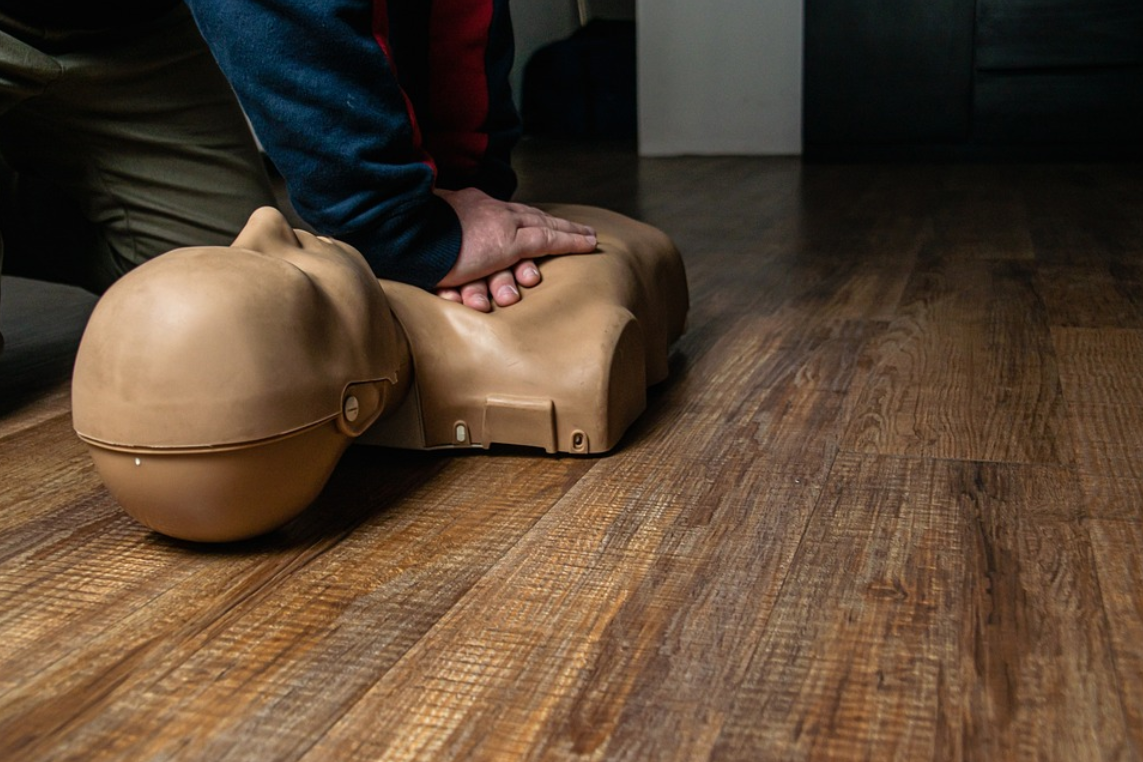
If you’re just starting out in first aid, then it makes sense to enrol on a basic course, which may take place over a few hours or a day. This will teach you skills like:
- Cardiopulmonary resuscitation (CPR)
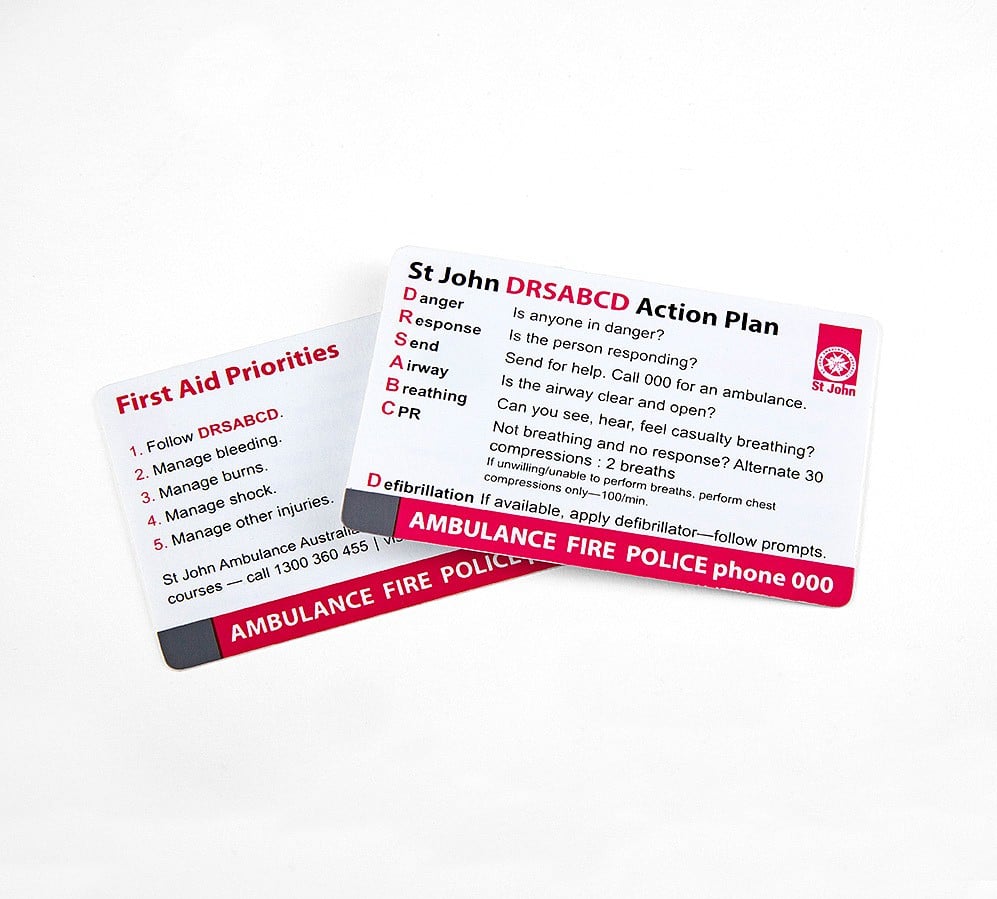
- DRSABCD action plan
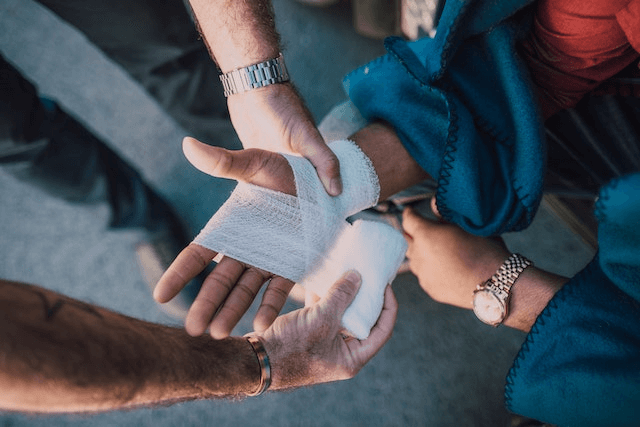
- Treating bleeding and wound care
- Treating burns and scalds
- Treating sprains and strains
- Dealing with choking
- Treating shock
- Setting a splint for broken bones
- Spotting the signs of head trauma
- Helping someone having a seizure
- Helping someone having an asthma attack
- Helping someone experiencing anaphylaxis
Once you’ve covered the basics, you can progress to an advanced first aid course. This will include more specialist skills like:
- Managing a medical emergency incident — this includes assessing the scene, getting help, communicating information and handing over to emergency services
- Multiple-casualty incidents, for example, multi-vehicle road accidents, incidents at concerts or sports events, or even shooting incidents
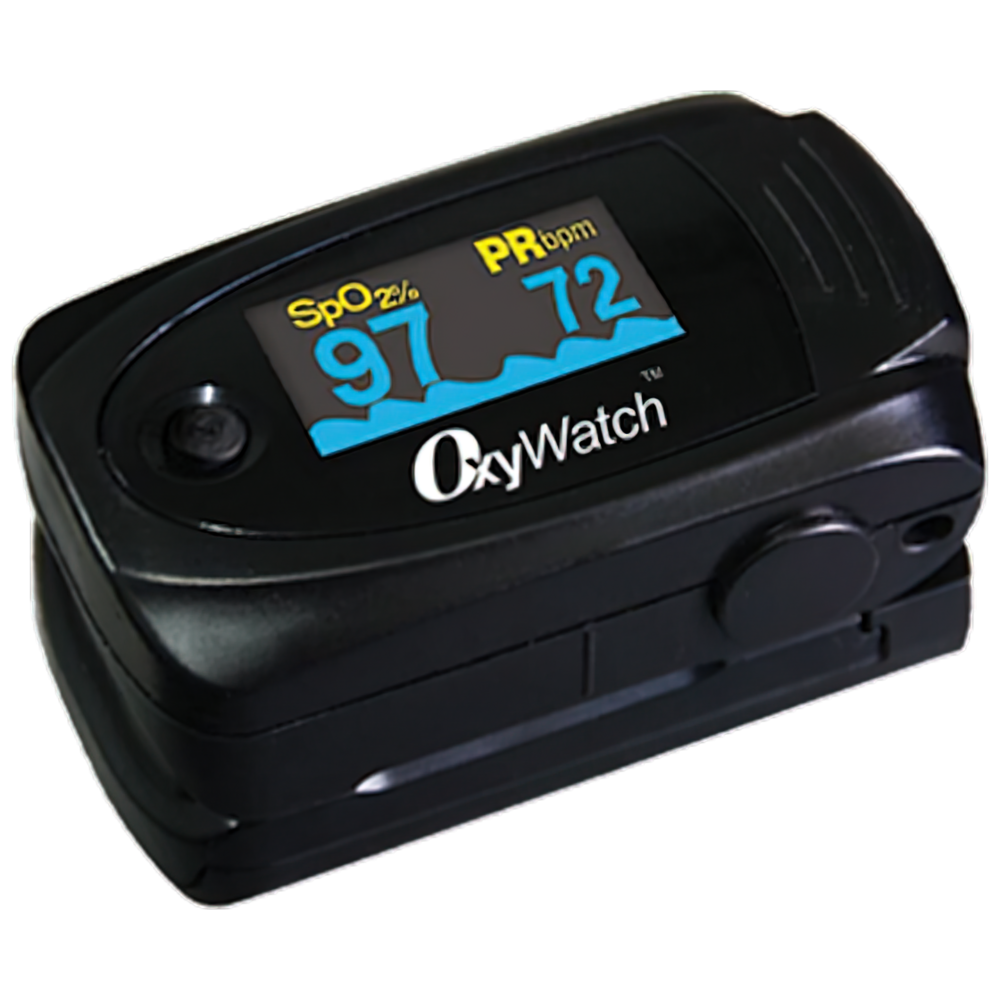
- Clinical observation skills such as breathing, temperature, pulse oximetry and blood pressure
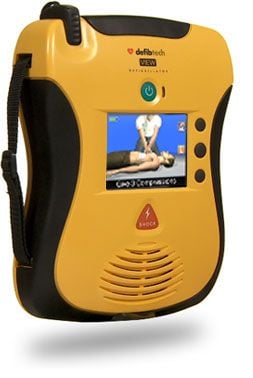
- Emergency life support, including correct use of equipment, including defibrillators and oxygen and resuscitation equipment
- Managing catastrophic bleeding, for example, through the use of tourniquets or haemostatics (medication that stops blood flow within blood vessels)
- Managing poisoning — this could be poisoning due to a snake or spider bite or chemical poisoning
- Pregnancy and labour — this covers medical emergencies during pregnancy and labour itself
More about advanced first aid
As you can see, while both basic and advanced first aid aim to provide immediate care in an emergency, the advanced option is a higher level of training that includes the use of specialist equipment and more complex skills.
Advanced first aid can also help prevent complications in serious medical emergencies and is used in situations where delay in treating the casualty could result in long-term effects or even death.
An advanced first aid course will include essential basic skills and build on and add to them as necessary. The ultimate aim is to provide you with the skills and confidence to potentially save a life.
Who needs to do an advanced first aid course?
An advanced first aid course is suitable for:
- Workplace first aid officers
- Anyone who manages other first aiders
- Lifeguards and pool attendants
- Security guards
- People working or living remotely where it may take time for medical help to come
- People working in high-risk occupations, for example, in construction, farming and mining
What else do I need to know about advanced first aid?
As well as building on existing first aid skills and learning new ones, advanced first aid is also about the equipment you need to carry out your duties properly.
Make sure that you have a first aid kit that’s suitable for your work or home environment. For example, if you live rurally, you might opt for a remote area kit that includes snake bite equipment.
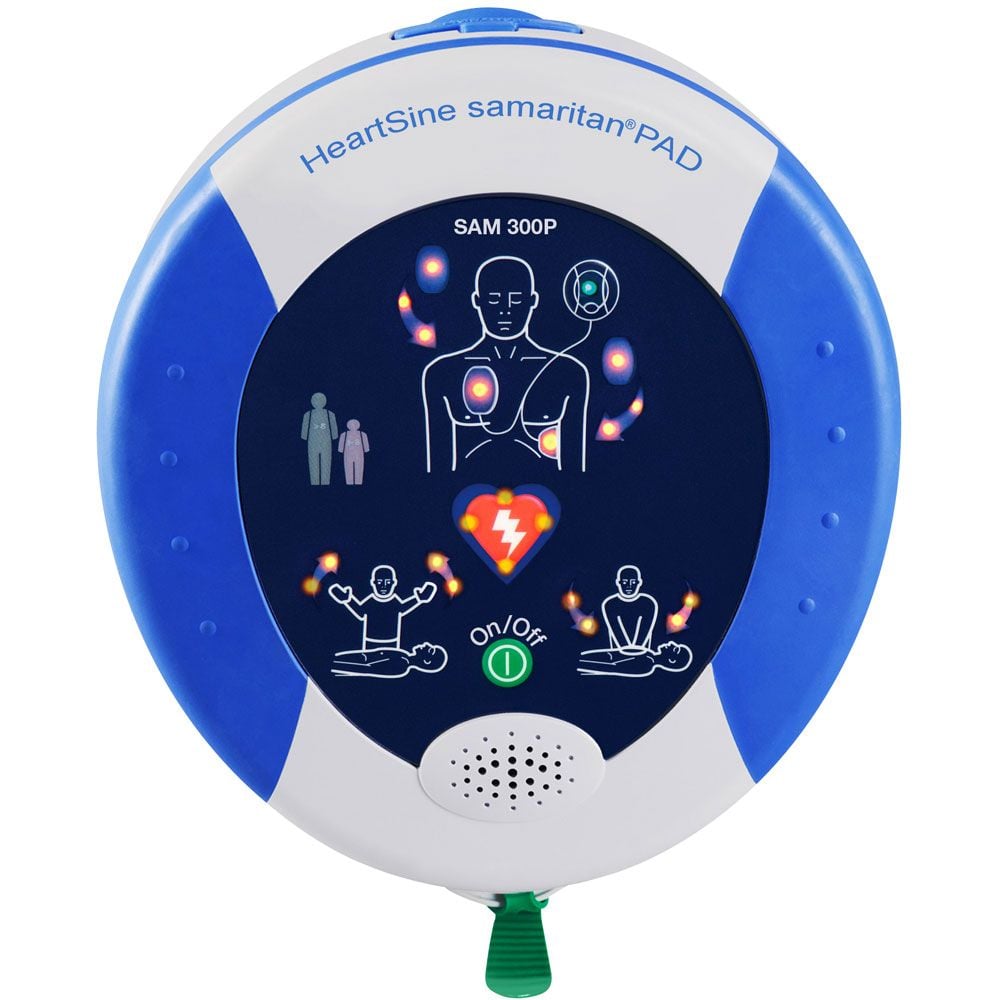
You could also invest in a defibrillator, which could save a life if a person is in cardiac arrest or an oximeter to measure a patient’s oxygen saturation.
You should also know that many aspects of first aid training require refreshing regularly; for example, CPR skills should be refreshed annually.
In fact, updating all your first aid skills, whether basic or advanced, every year is a great habit to get into. So keep a record of when you do your training, and be sure to get that refresher course in the diary!
Be prepared — whatever the emergency!
Undoubtedly, enrolling on an advanced first aid course is an excellent idea for anyone in a position of responsibility.
Not only will it grow your skills but also your confidence.
If you’re looking for advanced first aid courses in Australia, check out the St John Ambulance website for details on their nationally recognised training schemes.
And to ensure that your first aid kit has everything you need, browse the MediBC collection. We offer a wide range of first aid kits for all types of settings, from the home through to the workplace and even remote locations.
We also stock essential equipment, such as defibrillators and more, to ensure that you are prepared for even the most serious emergencies.
It’s time to get your advanced first aid training course booked and stock up on all those kit essentials so that you’re prepared — whatever the emergency!
Advanced First Aid Course Kit
Defibrillators, advanced CPR aids, and pulse oximeters for graduates of advanced first aid courses.

Equip for advanced first aid
Advanced first aiders and higher-risk workplaces need more than a basic kit. Stock a comprehensive workplace first aid kit or remote-area kit, set up first aid room equipment, and add a defibrillator (AED) for cardiac emergencies. See also the DRSABCD action plan.
Frequently asked questions
What is the difference between basic first aid (HLTAID011) and advanced first aid (HLTAID014)?
HLTAID011 'Provide first aid' is the standard Australian workplace certification - covers DRSABCD, basic CPR, AED use, common injuries, asthma and anaphylaxis. HLTAID014 'Provide advanced first aid' includes everything in HLTAID011 plus advanced casualty management, multi-casualty triage, oxygen administration, advanced bleeding control, and managing emergencies for extended periods until professional help arrives. HLTAID014 typically takes 2 days (vs 1 day for HLTAID011).
Who needs an advanced first aid certificate in Australia?
Advanced first aid is required for: remote area workers (mining, agriculture, construction), workplace first aid officers in high-risk industries, outdoor education leaders, marine and offshore workers, security personnel, and anyone designated as a primary workplace first aider where emergency response time exceeds 30 minutes. Some workplaces require it under their WHS first aid risk assessment.
How long is an advanced first aid certificate valid in Australia?
HLTAID014 advanced first aid is valid for 3 years from the date of completion. However, the CPR component (covered separately by HLTAID009) must be refreshed every 12 months. Most Australian workplaces require the full HLTAID014 to be renewed every 3 years and CPR annually to maintain workplace first aid officer status.
Sources: Australian and New Zealand Committee on Resuscitation (ANZCOR), Safe Work Australia — First aid in the workplace, healthdirect.gov.au — First aid, Australian Red Cross — First Aid Training.