What is DRSABCD?
You may have seen the acronym DRSABCD (pronounced “Doctors A, B, C and D”) and know that it has something to do with administering first aid or emergency medical treatment.

But you may also be wondering, what exactly does DRSABCD stand for?
In this article, we’re going to take you through the DRSABCD steps and expand on each of the individual stages. Read on if you have an interest in first aid and want to know more.
More about DRSABCD steps
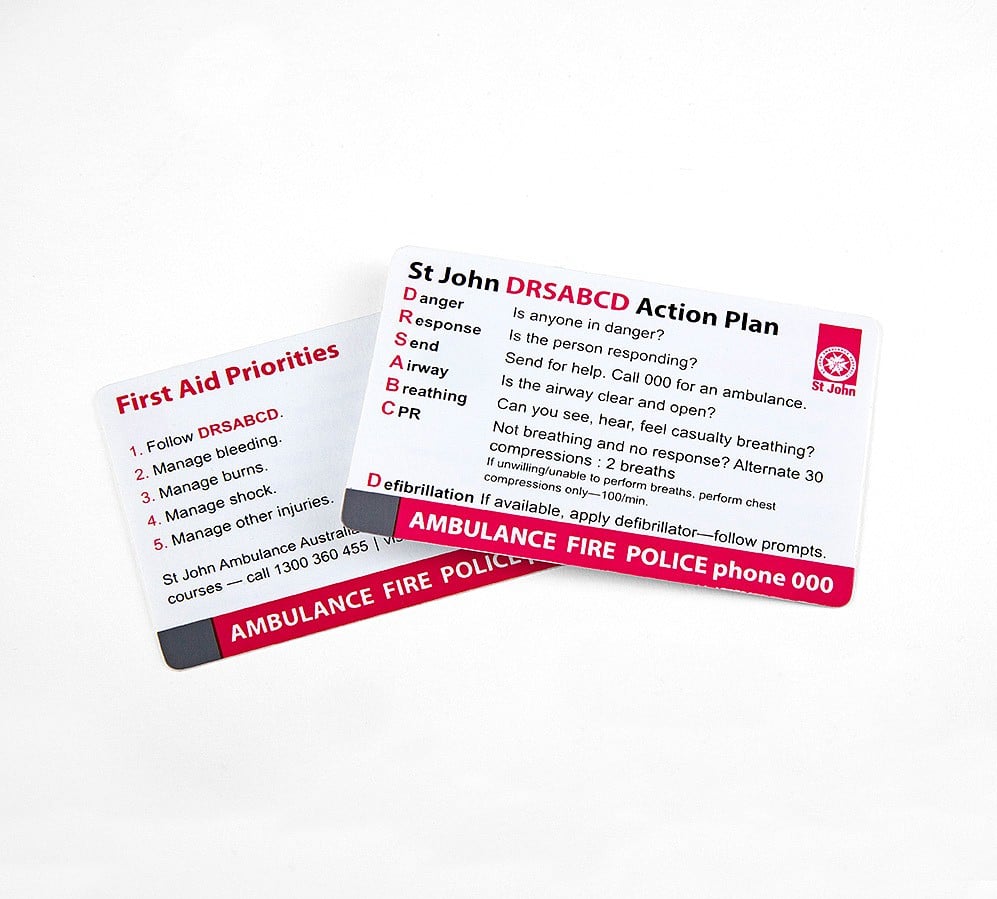
The first thing you need to know is that DRSABCD stands for:
- Danger
- Response
- Send
- Airway
- Breathing
- CPR
- Defibrillation
The acronym is a handy reminder for the sequence of steps a first aid provider or emergency care professional needs to go through when treating an injured or sick person.
Let’s look at each of the steps in more detail.
Danger
When treating a sick or injured person, your first task is to check for danger. In emergency situations, a dangerous situation or item may be responsible for your patient’s sickness or injury. Check the immediate environment for signs of threats like fire, water, chemicals, poison, live electricity, challenging weather conditions, falling debris or a dangerous animal, for example.
Do what you can to take the danger out of the situation, and move your casualty and anyone else away or take shelter.
Response
Next, you need to check whether your casualty responds to you. You can use another handy acronym — “COWS” — to do this:
- Can you hear me?
- Open your eyes?
- What is your name?
- Squeeze my hand
If they are responsive and conscious, you can try to probe them for further information by asking them what happened, whether they are experiencing pain and if they have a medical condition.
If they are unresponsive and unconscious you can check for any medical alert ID that the patient might be wearing that can provide vital information about their health status and any medication they are taking.
Send
Now that you’ve established the basic circumstances, it’s time to send for help.
Get someone with you to dial triple zero (000) or shout for help if you are alone.
If there is no one else around, you can call the emergency services for help yourself, putting the phone on speaker so that you can act on any instructions.
If you don’t have a phone available, you may need to put the casualty on their side in the recovery position and run to find assistance.
Airway
The next step is to check the casualty’s airway. Open their mouth and see whether food or fluids (including vomit) or even their own tongue is blocking their airway. If you can see anything, roll the casualty on their side so that any liquids can drain away.
Clear any blockages gently with your finger, as long as you are confident that you won’t make the obstruction any worse.
If the airway is already clear, ensure that the casualty is lying on their back then tilt their head back to open up the airway.
Breathing
You can check that the casualty is breathing by observing whether their chest is rising and falling. You can also listen for their breath by placing your ear close to their mouth for at least 10 seconds.
If the patient is breathing, place them on their side in the recovery position.
If they are not, ensure triple zero (000) has already been called then start CPR.
CPR
If you are on the phone with the emergency services, they may talk you through giving CPR (cardiopulmonary resuscitation).
You may already be familiar with this process, which involves giving a series of chest compressions and breaths blown in through the casualty’s mouth.
This is a technique that is best learnt on an in-person first aid course.
Try to keep going until assistance comes or the casualty starts breathing again.
Defibrillation
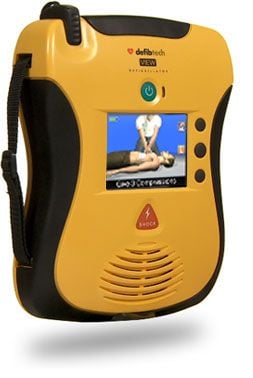
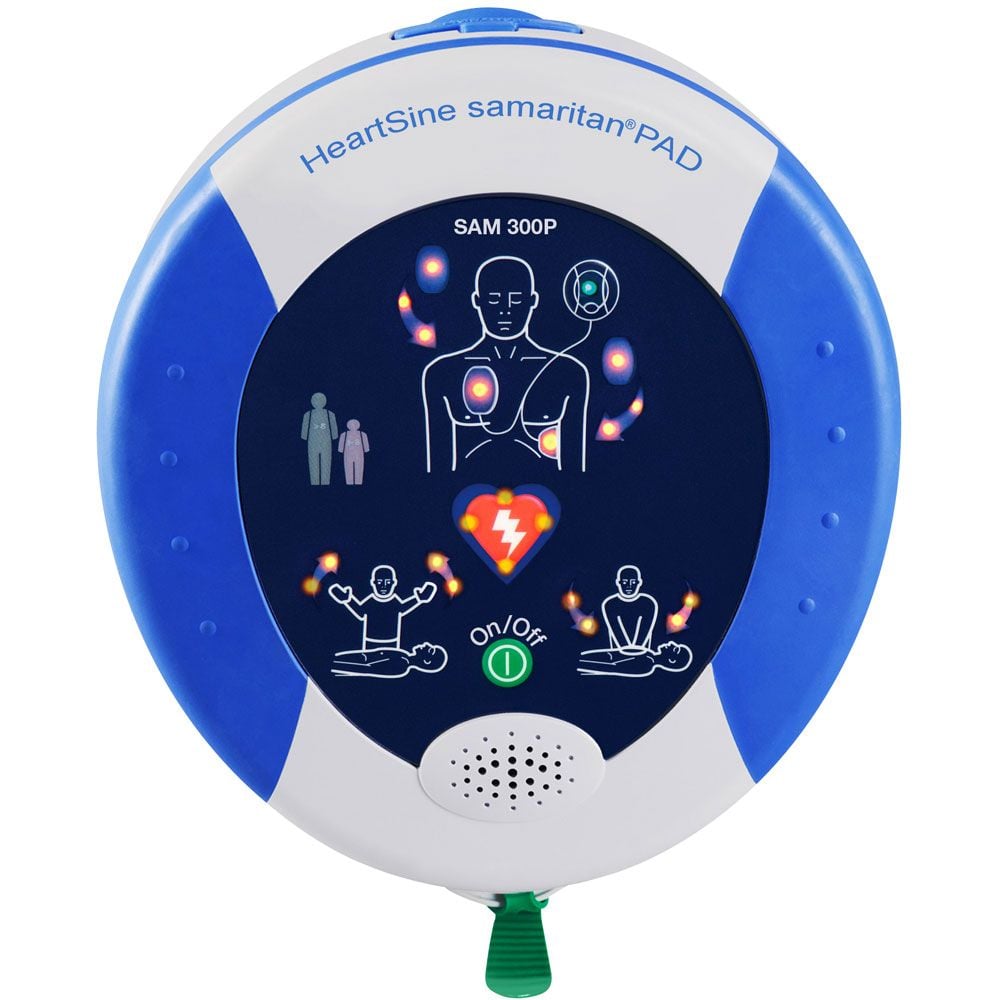
If the casualty is still unconscious and not breathing, you can use an automated defibrillator (also known as an AED) if there is one available.
The defibrillator will deliver an electric shock to restore the heart’s natural rhythm. It will come with instructions, which means it’s straightforward to use, even by the inexperienced.
You will find defibrillators in many public places in Australia, and taking note of where they are when you are outside the home is a good habit to have.
DRSABCD and first aid
This is just a brief guide to DRSABCD to give you a basic understanding of what the steps mean.
If you have an interest in first aid, then it’s a good idea to go on a course to learn these skills in more depth.
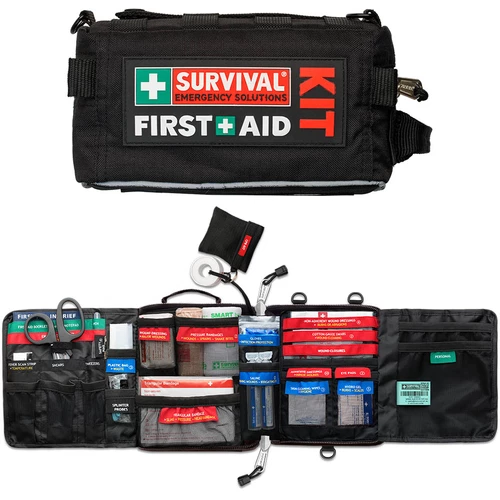
Now is also a good time to update your home first aid kit. Ensure that it is fully stocked up and order any refills you need.
Make sure that you also have an up-to-date first aid kit in your car so that you are prepared even when you are on the go.
You’ll find a full range of first aid kits, refills and defibrillators in our extensive online shop, bringing together everything you need under one roof.
With good, old-fashioned customers service and swift delivery Australia-wide, we’ve got all your first aid needs covered!
DRSABCD: CPR & AED Essentials
Pocket CPR shields, AEDs, and DRSABCD reference cards for everyone trained in basic life support.