

Camping is a great way to get out with the family and immerse yourself in Australia's gorgeous wilderness. Having the correct medical supplies with and being prepared ensures the whole family will have a good time. We've put together eight safety tips to keep in mind next time you go camping. This way, everyone will get the peace of mind that comes with knowing you're prepared for your next trip.
Pack the Right Supplies, Food, Clothing and Be Aware of Allergies
First up is making sure that you pack everything you need for a camping trip. Depending on where you camp, you may not be able to get to a store easily if you forget something. Making a list of all of your necessary supplies is essential to packing success. It's also important that you be aware of any allergies anyone in your party has and prepare accordingly. You'll need:
| Campsite | Clothing | Hygiene and Health | Personal Items |
| Tent Sleeping Bags/Blankets Sleeping Pads Camping Pillow Flashlights and Batteries Lantern Extra Cord Multi-Tool Mallet or Hammer Hatchet Camp Grill Food Storage Containers Coolers Chairs/Table Firewood Food Water Water Bottles |
Moisture-Wicking T-Shirt Quick-Drying Pants/Shorts Long-Sleeved Shirts Lightweight Fleece Boots or Shoes Socks Sleepwear Rain Gear Insulated Vest or Jacket Swimsuits Water Shoes Bandana (optional) |
Toilet Paper Hand Sanitiser Toothbrush/Toothpaste Toiletry Kit Quick Dry Towel Menstrual Products Sunscreen Prescription Medications Allergy Medications/EpiPen Sunscreen Sunglasses Lip Balm Insect Repellent Brush/Comb Mirror Spare Eyeglasses/Contacts First Aid Kit |
Credit Card Cash Cellphone ID Reservation |
Be Prepared for a Medical Emergency
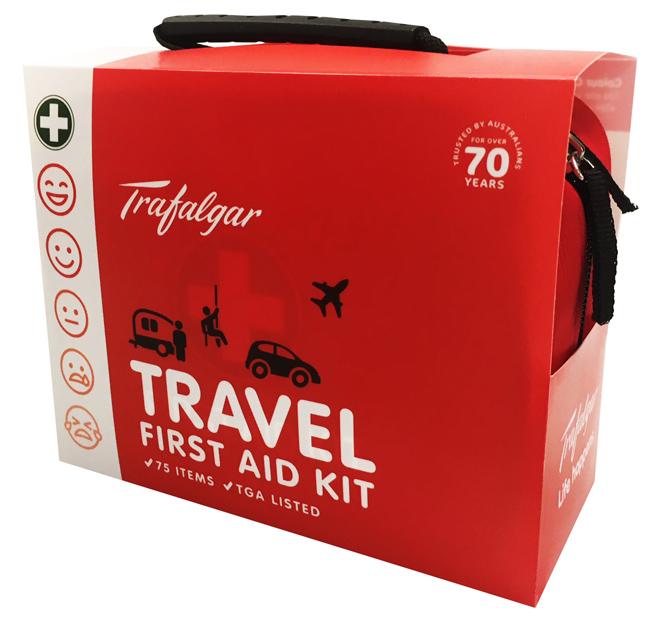
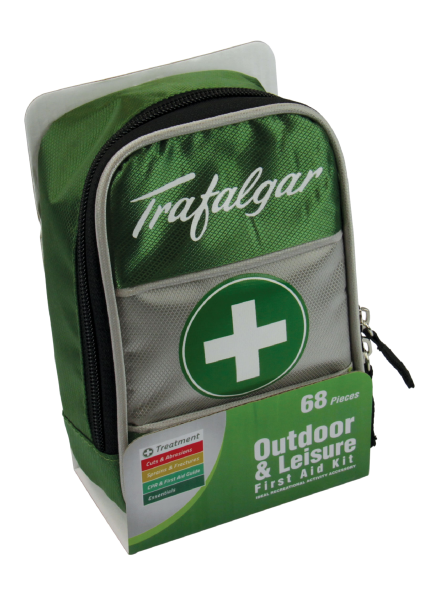
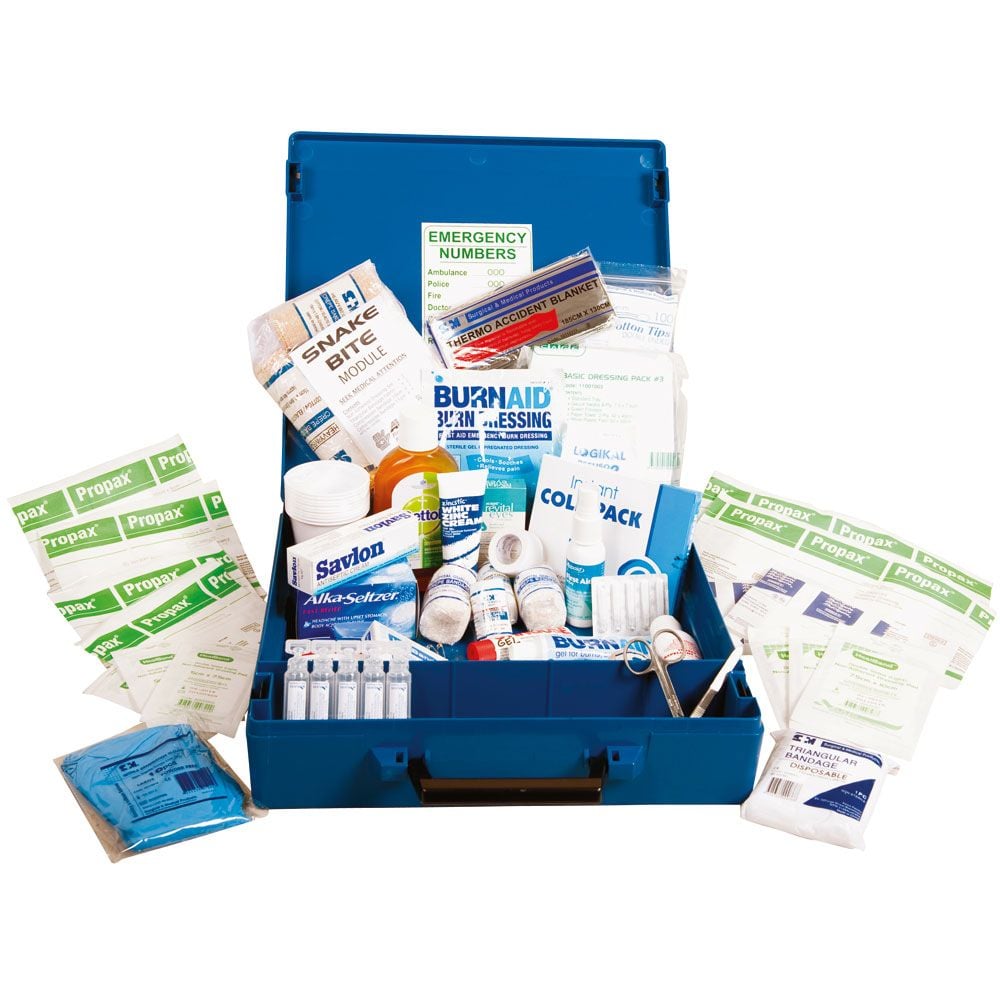
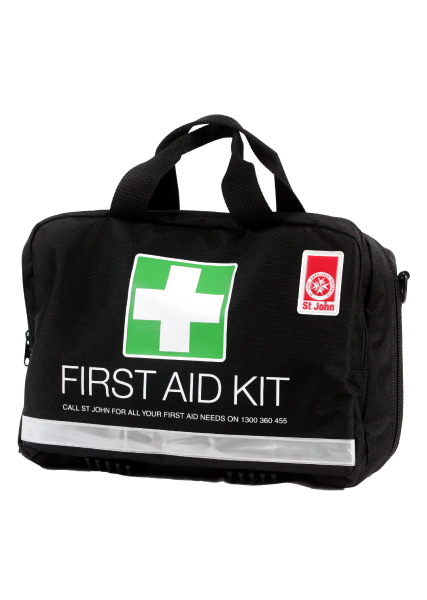
The last thing you want is to go camping out in the middle of nowhere and have a medical emergency. However, it happens. This is where having the best first aid kit possible comes in. You want to refresh your medical supplies before you go camping. This will help ensure that you have everything you need in the event of an emergency. Your first aid supplies may vary from kit to kit, and you may need a larger kit for bigger groups.
If someone in your party has allergies, they should have something to identify the allergies, such as a medical-alert wrist band or bracelet. No matter the size of your kit, it should contain the following at a minimum:
- Adhesive Plastic Strips
- Alcohol Swabs
- Antiseptic Wipes
- Aspirin
- Assorted Safety Pins
- Burnaid Sachet
- Combination Dressing
- CPR Face Shield Mask without Valve
- Crepe Bandage (assorted sizes)
- Emergency/Accident Blanket
- Epi-Pen/Allergy Medications
- Eye Pad
- Gauze Swabs
- Hypoallergenic Tape
- Itch Relief Sachet
- Nitrile Gloves (large or assorted)
- Non-Adherent Dressing
- Note Pad
- Pencil or Pen
- Saline Eye and Wound Irrigation
- Sharp, Stainless Steel Forceps
- Sharp-Blunt Stainless Steel Scissors
- Triangular Bandages
Stay Hydrated
Staying hydrated is important any day, but it's especially important when you're camping. The Nutrient Reference Values advise that adult men should drink 2.6 litres of water every day. Women should drink 2.1 litres per day. Children under 10 should drink between 1.0 and 1.6 litres per day, and children over 10 should drink 1.4 to 1.9 litres every day.
If you exercise or hike around, you'll start to sweat more. When this happens, you have to replenish the water you lose. If you don't, you have the risk of becoming dehydrated. This can be extremely bad out in the middle of nowhere.
Choose the Correct Location
Your location is everything when you camp. You don't want to be too exposed to the elements, but you don't want to box yourself in either. You should be very picky about your location. If you're trying to decide between a few locations, keep the following in mind:
- The campsite should face the sun. Your tent should face the east to take advantage of the morning light.
- It's important that you prioritise water. Camp at least 60 feet from your water source. This will reduce the time you spend hauling it.
- Avoid camping around hazards. Avoid dead or dying trees, where rockfall debris collects or in ditches or creek beds, which are at risk of flash flooding.
Keep Your Site Clean
It's essential that you keep your entire campsite clean the whole time you're there. Dirty dishes, leftover food or rubbish, can be irresistible to the local wildlife. Leaving it out is an open invitation for these animals to come right into your campsite. This increases the chances of someone getting hurt. Make a point to put any leftover food away in containers and coolers, move your rubbish away from your campsite and clean up as you go.
Bring a Map
We've all gotten used to having GPS built right into our phones. The ability to pull a map up with a tap of your finger is convenient. However, it may not be practical when you're camping. Cell phone reception can be spotty, and you don't want to be without a map. Bring a map with your campsite clearly marked. You want to note any other campsites, water features and trails.
Be Wary of Poisonous Plants and Animals
Australia is home to over 100 species of venomous snakes, insects and plants. You have to be able to identify these species if you happen to walk up on one or two. If you have kids, keep a close eye on them and make sure they don't accidentally touch anything that can hurt them.
Since you're most likely not close to a hospital, preventing any accidents involving poisonous elements is necessary. You might not have enough time to get to help if something were to happen.
Avoid Danger from Propane
Having an extra stove at your campsite can be useful, but has the potential to be dangerous. Follow the manufacturer's directions if you've never used it before, and never leave it idle when you have the propane on.
Only have the propane on when you light the burner. Look at the ignition dial and have it on low to avoid possible burns or fireballs. Keep all of your body parts away from your propane stove when you light it. When you light it, use the ignition whenever you can to keep the spark contained.
Medibc Has First Aid Kits Available!
Restock your first aid kit with high-quality medical supplies from Medibc! Browse our first aid supplies and contact us with any questions or concerns you may have!
First Aid Kits for Camping, Trekking & Travel
Build a campsite ready for snake bites, scrapes, and surprise emergencies with these top-picked outdoor kits.