

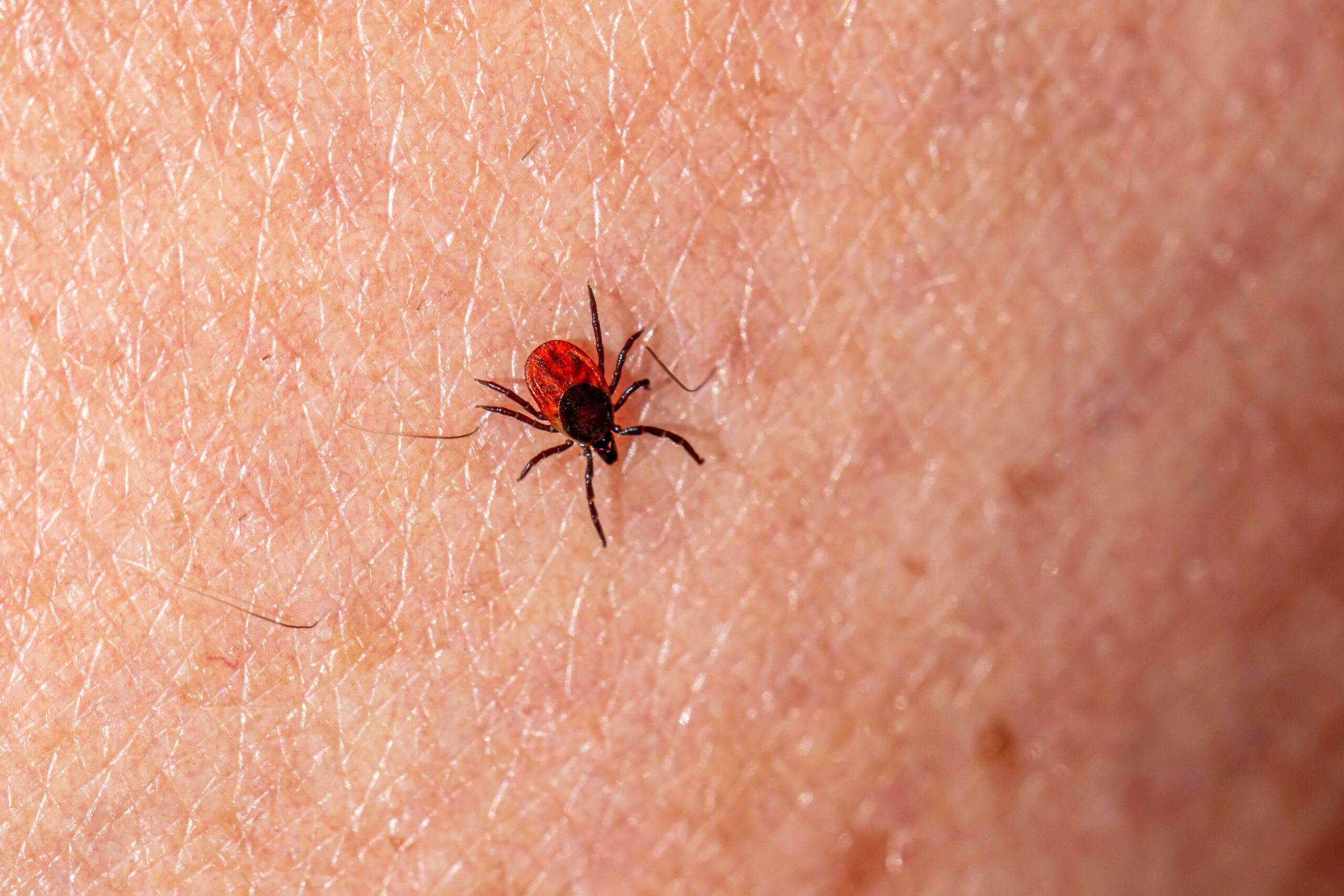
Living in Australia means we have to share our space with all kinds of different creatures that can deliver a nasty nip. So it’s useful to know how to treat bites and stings and give first aid when necessary.
Take a look at our guide to identifying different bites and stings and knowing how to treat them successfully.
DRSABCD
Before we start, you should know about DRSABCD — it’s a series of steps that can help in first aid emergencies.
These are the steps to take:
- Danger: Check for danger and ensure that you, the patient and any bystanders are safe.
- Response: Call the patient’s name and squeeze their shoulders. If they respond, make them comfortable and give first aid. If they don’t respond, call for help.
- Airway: Open the patient’s mouth and check that their airway is clear. If it’s blocked, roll them onto their side and remove the blockage.
- Breathing: Check whether the patient is breathing. If not, call for help and start CPR (cardiopulmonary resuscitation).
- CPR: Give 30 chest compressions followed by 2 breaths. Keep giving CPR until help arrives.
- Defibrillate: If the patient is in cardiac arrest and you can locate a defibrillator, follow the instructions.
You can learn more about DRSABCD on the St John Ambulance website.
Snake bites
Call triple zero (000) for help if someone has been bitten by a snake. All snake bites should be treated as possibly life-threatening.
Snake bites are described as 'dry' if no venom has been injected into the patient’s body or venomous if the snake has injected venom.
The effects of the venom will be different according to which type of snake has bitten the patient, which means there is a range of symptoms to look out for. These include:
- Paralysis
- Severe pain
- Problems with the heart and/or lungs
- Severe allergic reaction (anaphylaxis)
You may notice puncture marks, redness, swelling or bruising around the area that has been bitten or bleeding from the bite itself.
This is what to do if someone is bitten by a snake:
- Get them away from the snake.
- Help them to get comfortable and stay calm.
- Follow DRSABCD.
- Call triple zero (000) and ask for an ambulance.
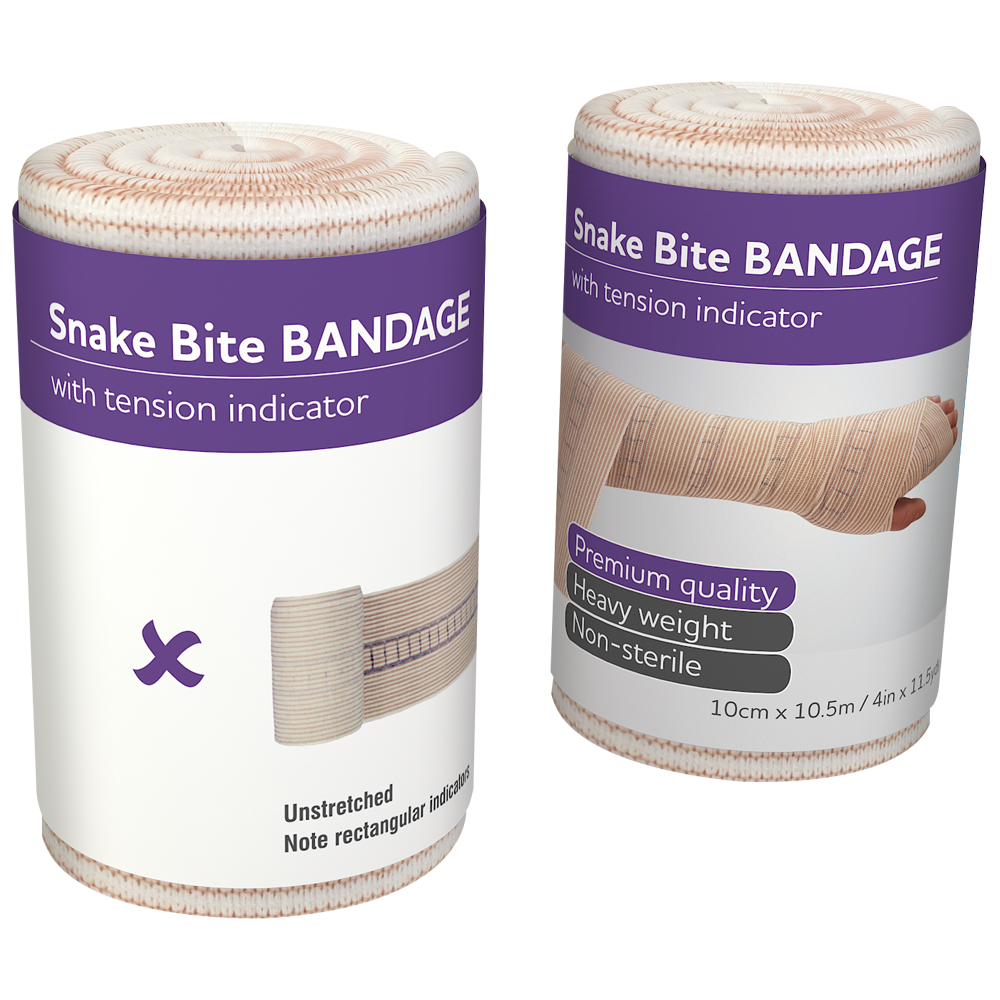
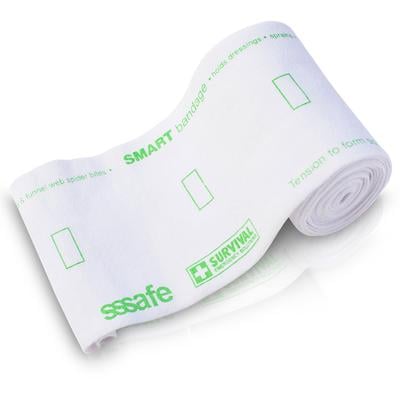
- Apply a pressure bandage. Use a special snake bandage that’s easy to use and shows you when optimal tension has been reached.
If the patient is experiencing anaphylaxis, use an adrenaline auto-injector (EpiPen) if available and call triple zero (000) for help.
Spider bites
Most spider bites are not serious. However, you need to be aware that bites from funnel-web spiders and other big black spiders can be life-threatening. Check out this spider identification chart to learn more about Australian spiders.
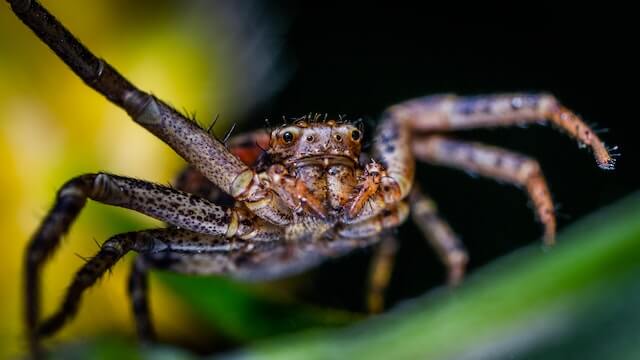
A bite from a funnel-web spider can cause the following symptoms:
- Severe pain
- Sweating
- Nausea and vomiting
- Difficulty breathing
- Drooling
If you notice these symptoms or suspect that the patient has been bitten by a funnel-web spider, call triple zero (000) for help. Then:
- Lay the patient down.
- Take a photo of the bitten area or mark it out on the skin with a pen.
- Apply a pressure bandage.
- Use a splint to keep the affected limb still to slow the course of venom around the body.
With non-life-threatening spider bites, you may notice redness or swelling around the site. To treat this type of bite, you can apply a cold compress to the skin for relief.
Wasp and bee stings
With a wasp or bee sting, you may feel a sharp pain and then notice swelling and redness around the site.
Some people have an allergic reaction to insect bites and stings, which means the affected area swells up and is painful. In some cases, they may experience anaphylaxis.
To treat a bee sting:
- If the stinger remains in the skin, try to gently remove it by scraping and flicking it out with a credit card or fingernail. Do not use tweezers, as they may cause more venom to be released
- Wash and dry the area
Wasps and other insects like ants don’t tend to leave stingers in the skin. Simply wash and dry the area. You can use a cold compress to soothe the area and antihistamines to reduce symptoms.
Mosquito bites
Probably the first thing you’ll notice if you’ve been bitten by a mosquito will be that the bite and surrounding area is red and itchy.
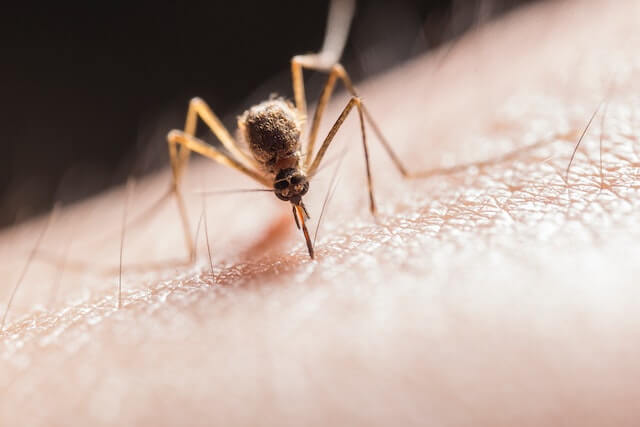
You may also experience swelling around the site.
To treat mosquito bites, wash the area and apply a cold pack to relieve itching.
Most mosquito bites are harmless, but you should be aware that sometimes they can lead to diseases such as dengue fever, Japanese encephalitis, malaria and Murray Valley encephalitis.
Consult a doctor if you have been bitten by a mosquito and have any of the following symptoms:
- Rash
- Fever
- Chills
- Headache
- Joint or muscle pain
- Fatigue
- Depression
- Feeling generally unwell
Tick bites
Ticks are small insects that feed on animal and human blood. If you’ve been bitten by a tick, the area may be sore and red, and you may notice the tick still embedded in your skin.
If this is the case, don’t try to remove it by yourself, as squeezing the tick may cause it to release toxic saliva. Instead, you should either seek medical assistance or treat it with a spray containing ether (ask your pharmacist for help). This will kill it and allow it to drop off naturally.
Then wash the area and apply antiseptic cream.
Know that ticks can carry diseases such as Flinders Island spotted fever (FISF) and Queensland tick typhus. Seek medical help if you experience:
- Weakness
- Poor balance
- Slurred speech
- Loss of appetite
- Dilated pupils
- Lethargy
Tick bites may also trigger an allergic reaction. Seek medical assistance if this happens.
Be prepared for bites and stings
Living alongside a variety of animals is part and parcel of Australian life. So it pays to know how to treat bites and stings yourself and when to seek medical assistance.
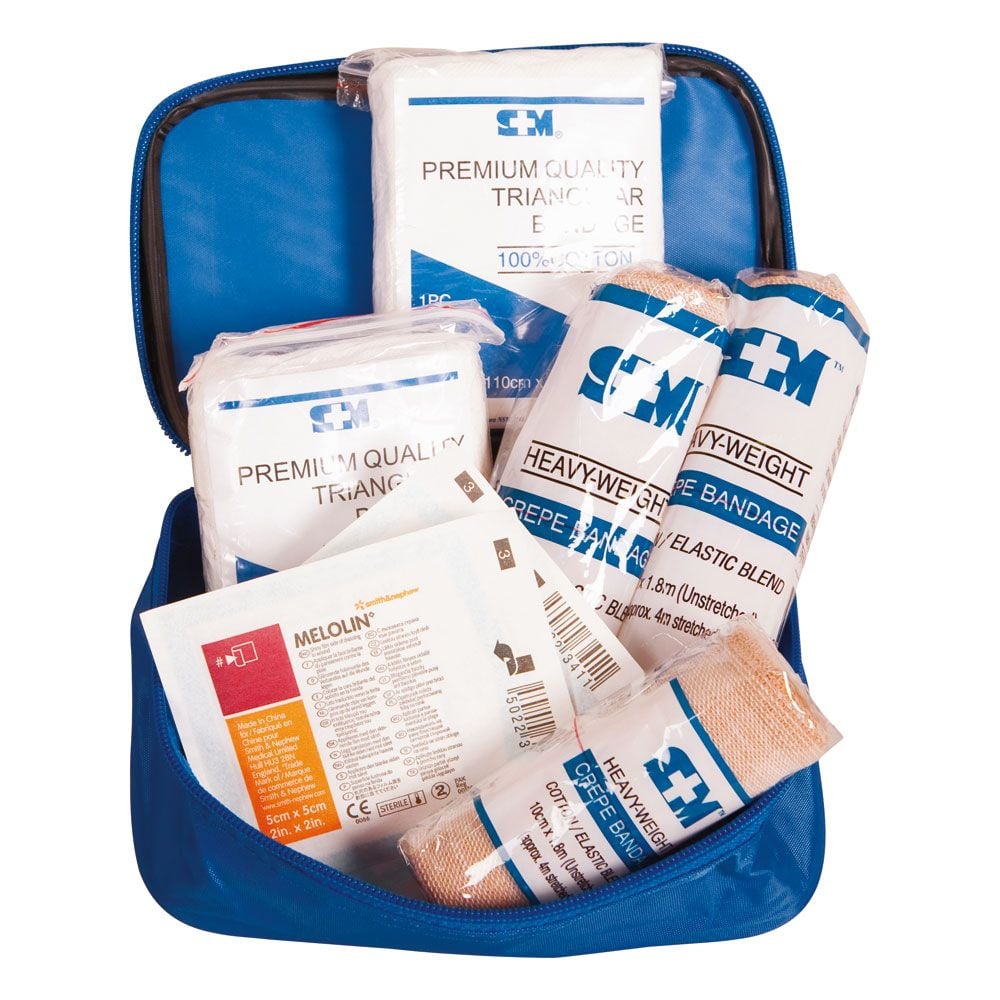
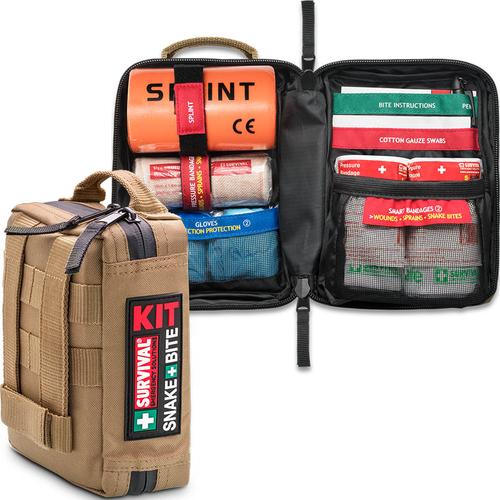
Make sure you’re prepared by keeping a fully stocked first aid kit at home and in your vehicle — check out the MediBC range today.
Bites & Stings First Aid Essentials
Snake bite kits, pressure bandages, and cold packs to treat Australian bites and stings.