

Setting sail on a boat is a fun and usually a safe way to enjoy the beauty of the ocean. But accidents can happen, so it’s best to be prepared.
That’s why we’ve put together this guide to first aid at sea and on the water to keep you safe on the ocean waves.
We’re going to take a look at some common first aid scenarios and also include some tips on keeping safe while on the water.
Sunburn, heat exhaustion and sunstroke
One of the most common first aid issues you may have to deal with is the effects of the sun.
Sunburn can be identified by redness and possibly swelling, blisters and pain in the area of the burn.
To treat sunburn:
- Take a cool shower or bath if possible or apply a wet towel to the affected area
- Take paracetamol or ibuprofen for pain relief
- Apply aftersun cream to soothe burns
- Do not pop blisters if they appear
- Drink lots of water to rehydrate
Heat exhaustion is caused when you lose an excessive amount of water and salt from your body. Symptoms include weakness, sweating, nausea and vomiting.
To treat heat exhaustion:
- Move the affected person to a shaded area
- Take off clothing
- Offer them a cool shower or use ice packs or a wet sponge to cool them
- Ensure the patient can rest
- Get them to drink water or a rehydration solution
- Get help from a healthcare professional if vomiting is persistent or you are worried about the patient
Heat stroke is caused by your body overheating and is a medical emergency. Symptoms include a body temperature above 40 degrees Celsius, a rapid pulse and confusion.
If someone you are with shows signs of heat stroke, you should:
- Move them to a shaded area
- Remove any excess clothing
- Cool them down by helping them take a cool shower, sponging them down or using ice packs
- Because heat stroke can be serious, you should head for the shore and dial triple zero (000) for help
Fish hook injuries
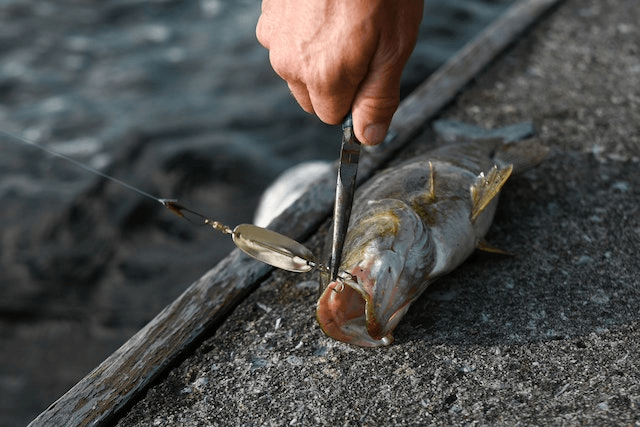
While fishing is usually a low-risk activity, injury from fish hooks can occur. If this happens:
- Do not try to remove a fish hook near a vulnerable area such as the eyes or in a muscle or joint
- If the hook is not deeply embedded, tie a short length of fishing line to the midpoint of the bend in the hook
- Push the shank (long part) of the hook against the skin
- Then pull on the hook while maintaining pressure on the shank
- When the hook has been removed, clean and dress the wound
Bleeding
If someone is bleeding after an injury, here’s what to do:
- Get the patient to lie down and cut their clothes if necessary to access the wound
- Apply pressure over and around the wound with a clean gauze dressing
- Squeeze the edges of the wound together if you can
- Raise the area above the level of the patient’s heart and support it
- Apply a gauze pad over the wound and keep it in place with a bandage
- If blood seeps through the bandage don’t remove it. Instead, put another pad and bandage on top
- Monitor the bleeding and seek medical help as soon as you can. If the bleeding is severe, get help straight away
Staying safe on the water
Of course, prevention is always better than cure, so it makes sense to keep these safety tips in mind before you set sail.
Staying safe in the sun
To avoid sunburn and other problems caused by the sun:
- Slip on clothing that covers you up
- Slop on SPF 30 or above water resistant and broad spectrum suncream
- Slap on a hat that covers your face, neck and ears
- Seek shade
- Slide on sunglasses
- Don’t forget to drink non-alcoholic liquids frequently to keep hydrated
Avoiding drowning
One of the most obvious risks when it comes to spending time near water is drowning.
Here’s what you can do to prevent drowning:
- Ensure everyone on the boat is wearing life jackets
- Check for and remove any trip hazards in your boat
- If you see someone in difficulty in the water, throw a flotation device to them
- Don’t attempt to get into the water to save them yourself, instead, call triple zero (000)
Have first aid equipment to hand
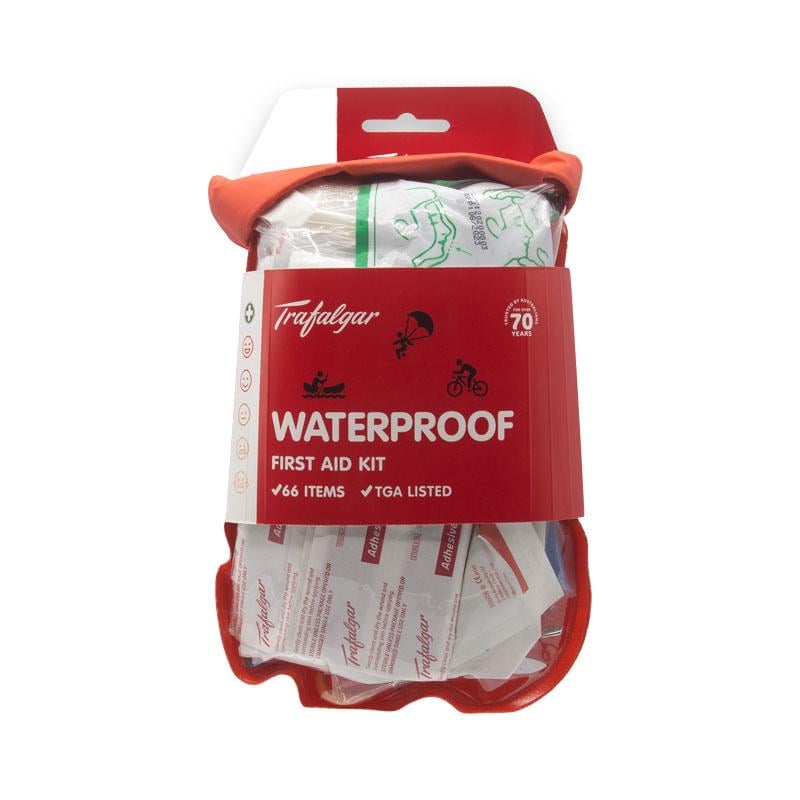
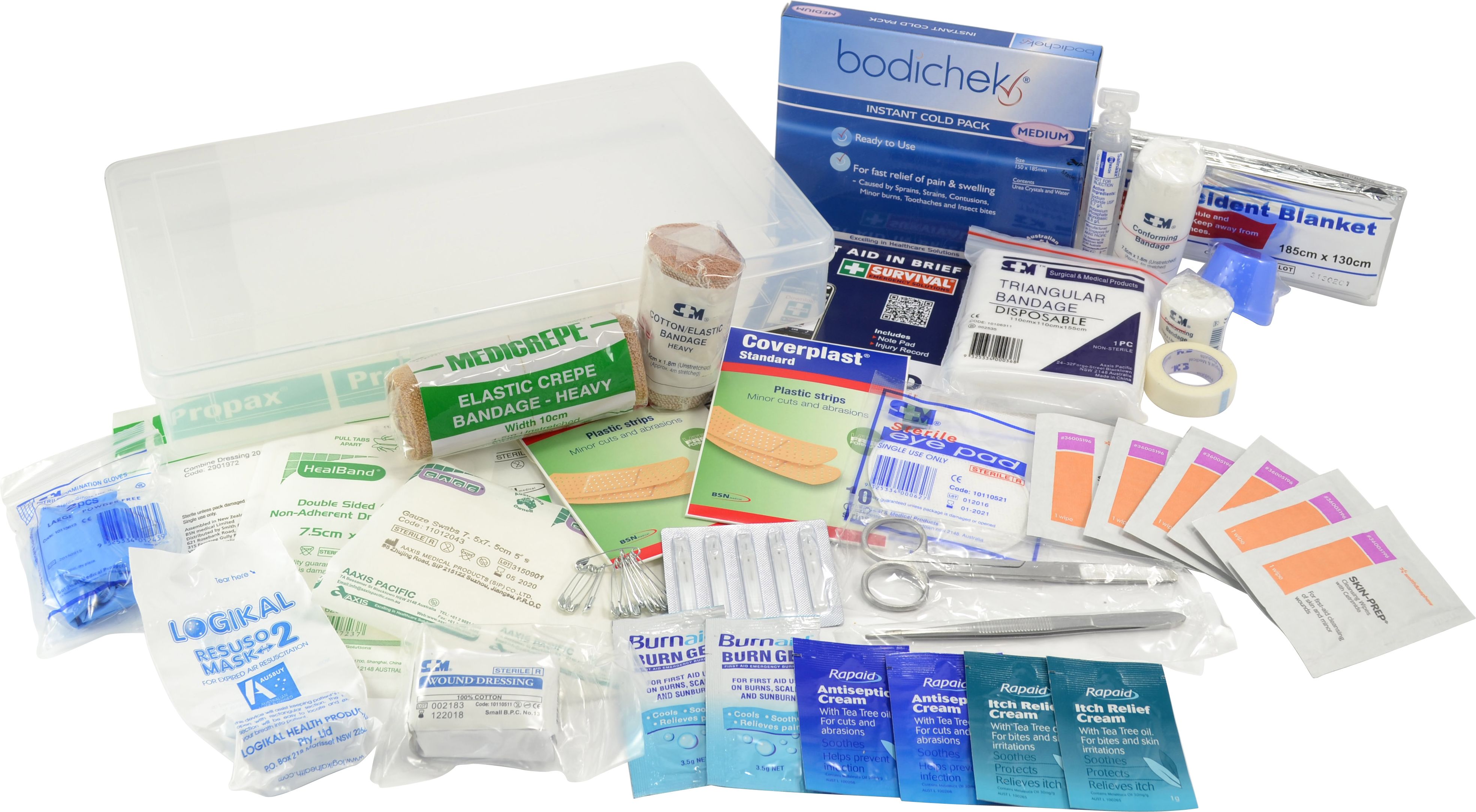
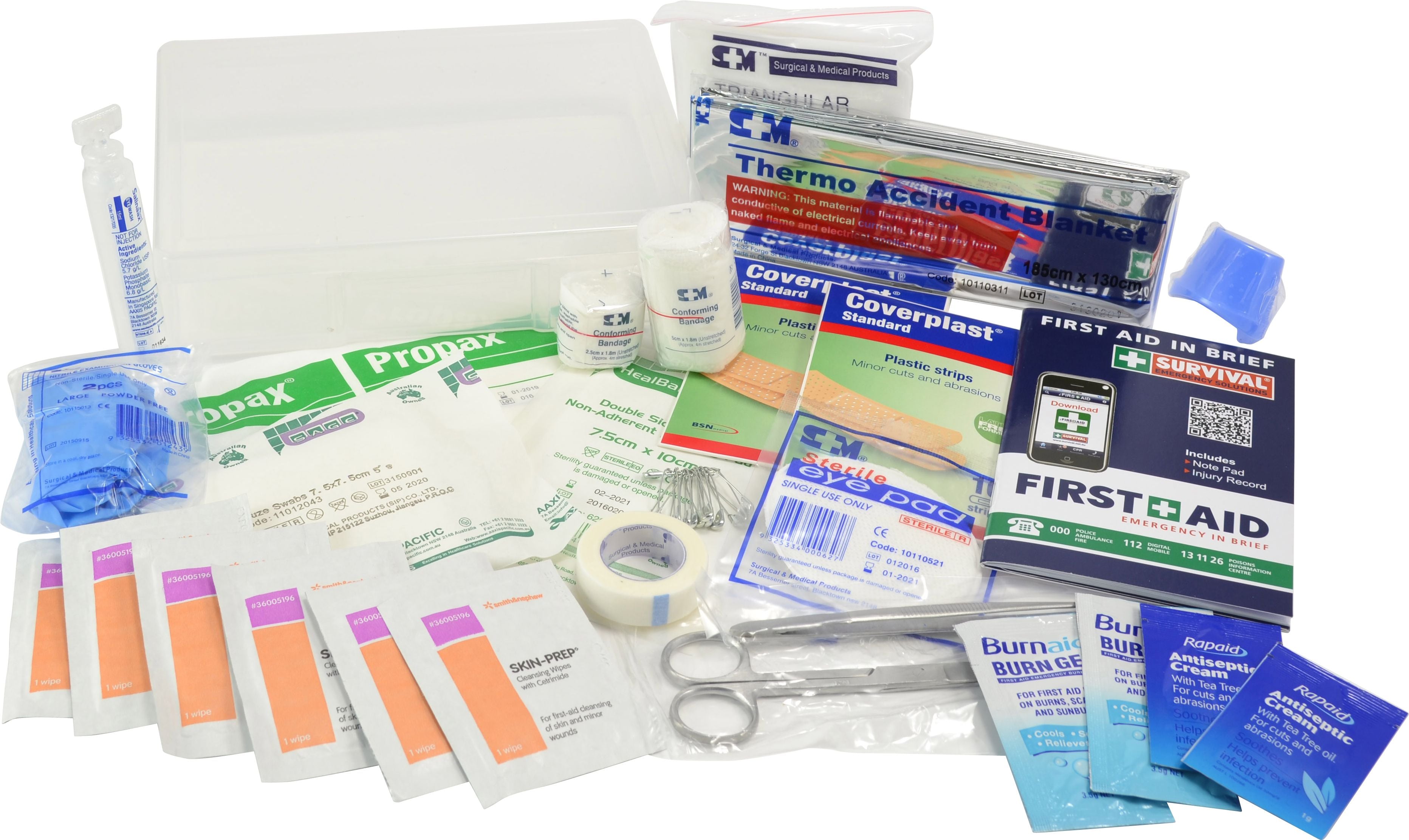
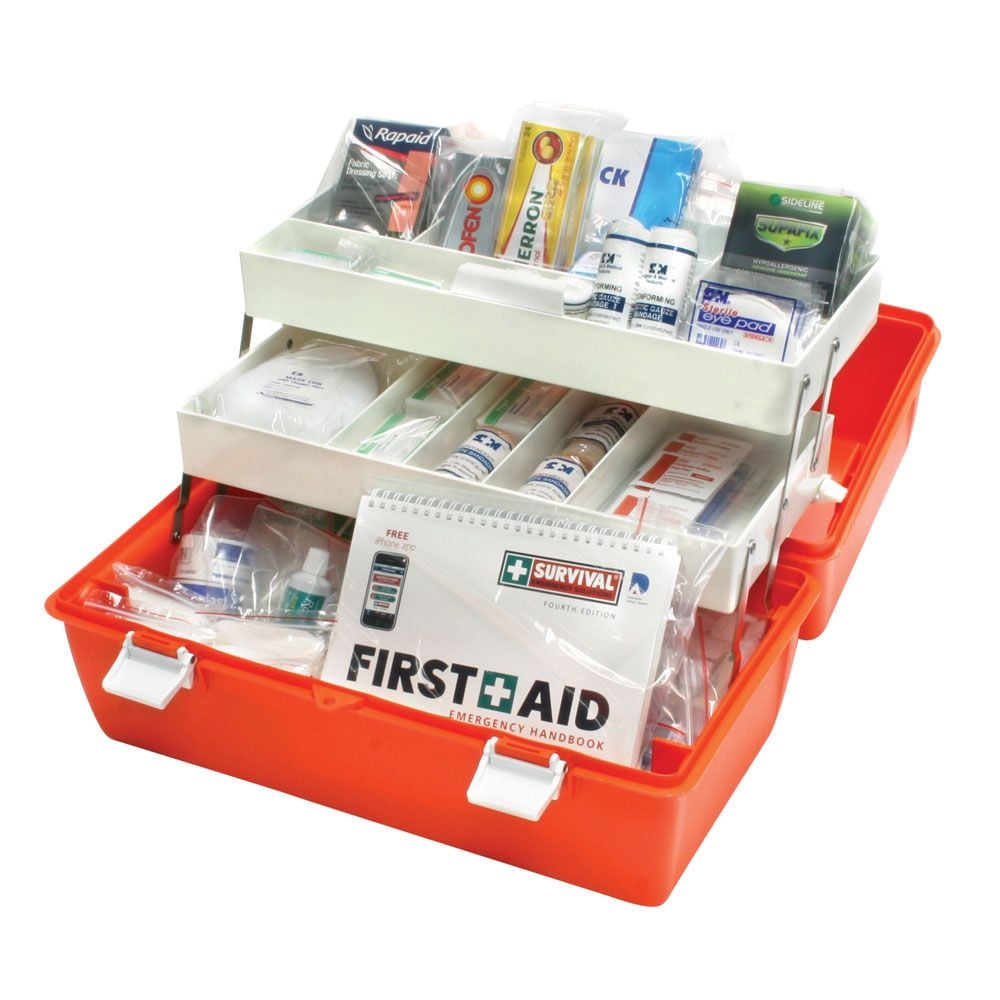
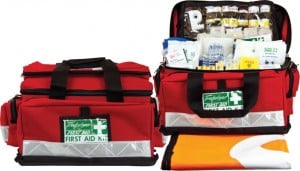
Have a first aid kit at sea to hand to help you deal with any minor incidents and injuries.
You can find first aid kits designed specifically for marine, boating and fishing activities in the MediBC collection, packed with everything you need in a sturdy, waterproof case.
Know that we also stock supplies for your first aid kit and other items like defibrillators too, to help keep you fully prepared for your next excursion.
It’s also a great idea to know some basic first aid systems and techniques, for example, DRSABCD. Contact your local first aid provider to know more about hands-on courses for beginners or refresher courses if you already have experience.
Get prepared for your next boating adventure
Australia is blessed with a wonderful coastline and open water for everyone to enjoy.
Make sure you enjoy it safely by preparing for your next excursion and keeping a first aid kit to hand — browse the MediBC collection to select one that’s just right for you.
Then go out and enjoy your adventure, knowing that you’re prepared for anything that could happen!
Marine, Boating & Ocean First Aid Kits
Waterproof and AMSA-compliant kits for boating, sailing, and day trips on the water.