

Going on a vacation is a wonderful prospect and something that many of us look forward to for months or even years. You get to try new food, meet new people, see amazing sights of the world, and immerse yourself in another culture. But before you ever step on a plane, you need to know how to do your travel planning.
Travel planning takes a lot of organization and preparation, but it can help make sure your trip goes as smoothly as possible. If you’re traveling with a medical condition, this is especially important. Read on to learn more about the steps you need to take to plan your next trip.
Set Your Budget
The first step in planning a vacation checklist is to set your budget for your trip. For most of us, an overseas vacation will require some careful planning, saving, and budgeting. The length and type of trip you take will depend on how much money you have to spend on the vacation.
When you’ve decided how much money you want to spend, start allocating it out for different things. Start with the cost of the airfare, then of the hotel. Figure out a daily meal allowance and the cost for any attractions you want to visit while you’re traveling. And don’t forget to set aside some money for souvenirs and some extra cash in case anything goes wrong.
Get a Passport and Currency

If you don’t have one already, you’re going to need to get a passport. This process can take weeks or even months, so it’s a good idea to apply for your passport as soon as you start to plan a vacation. If you do have a passport, check it and make sure it’s still in date and will remain so until you get home from your trip.
You’re also going to need some of the currency for the place you’re visiting. Credit is wonderful, but not everywhere will take plastic, especially overseas, and you need cash on hand for emergencies. Visit your bank and request at least a few hundred dollars in the currency of the place you’re visiting.
Get Your Shots

Depending on where you’re going and when you last had immunizations, you may need to get some shots before you plan a trip. Different diseases are more prevalent in some areas of the world. Other countries require you to have specific vaccines before you can enter their borders.
Check the Department of Health website to determine which shots you need to get before you travel. You can also talk to your doctor about this.
While you’re talking to your doctor, this is a good time to make your health travel planning. If you have any chronic conditions, ask if your doctor would recommend getting a MediBC medical alert bracelet. You should also ask them what you should keep in your first aid kit.
Study the Customs

Every culture has different customs, and if you’re going to get along well in that country, it’s a good idea to be well-versed in them. For example, in Italy, it’s a good idea for women to get a pair of dark sunglasses to avoid men catching their gaze and construing that as interest. In other cultures, gestures we use every day like the thumbs up may be considered extremely rude.
Do your research into the place you’re planning on visiting. Read advice from other people who have traveled there, and learn some about the culture. The more you know about the local customs before you touch down, the smoother your trip will go.
Learn Some Lingo
In addition to learning the customs, it’s very important to learn some key phrases in the language of the area you’re visiting. Things like “which way” and “how much” can help you get along well, and the locals will appreciate your attempt at learning their language. Knowing a little bit of the language could even save your life.
Let’s say you’re asthmatic and while you’re out one day, you start having an asthma attack. Being able to say, “My inhaler is in the first aid kit,” could save you a trip to the hospital at least and maybe even your life. Think about which phrases will be most important for you to know, and start practicing.
Pack a First Aid Kit
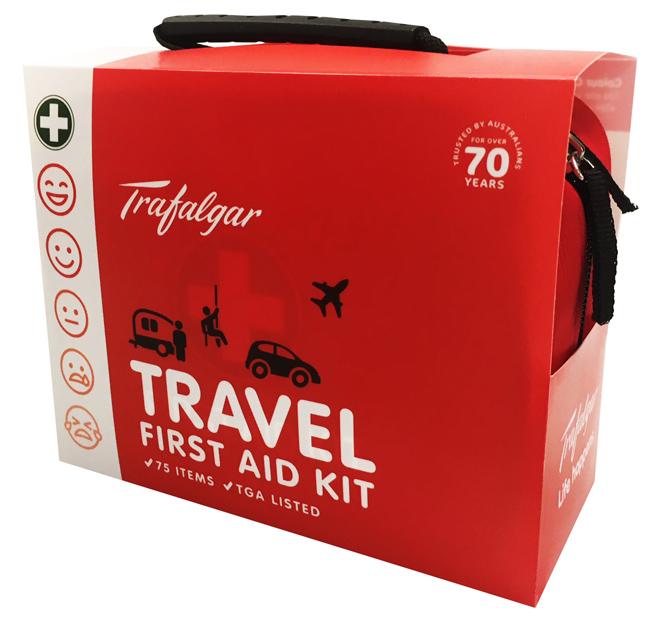
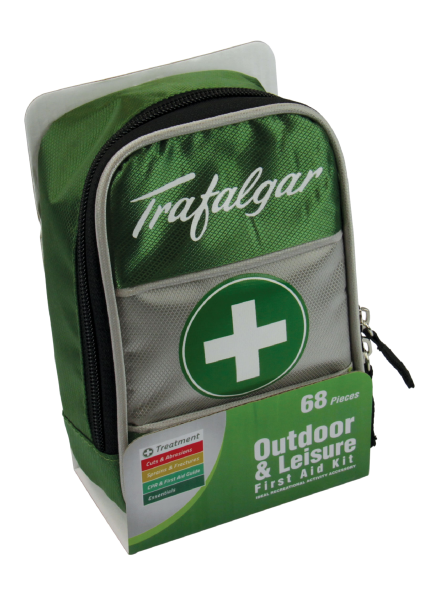
Having a first aid kit in your luggage is a smart move when you’re traveling internationally. Something as simple as a twisted ankle can become a major hassle if you’re somewhere that doesn’t have a drug store convenient. If you already have bandages, you’ll be able to move on with your trip with no hassle.
But if you’re traveling overseas with a medical condition, having a MedicBC first aid kit is crucial. You may need to have some extra medications on hand, not to mention a card listing all your medication and your doctor’s information. And always be sure to wear a medical alert bracelet to let international emergency services know they should be looking for that information if something happens.
Pack for the Plane
The day before you leave for your trip, start packing for the plane. In addition to everything in your main suitcase, you should have a carryon with a change of clothes, any medications you take, your passport, some cash, and a MediBC first aid kit. That way if your luggage goes missing, you won’t be stranded without the essentials for too long.
Your passport should be in your carryon, but be sure to put a photocopy of it in your suitcase as well. Put some chargers in your carryon, and be sure to wear your MedicBC medical alert bracelet the day you leave for your trip.
Learn More About Travel Planning
Traveling overseas is exciting, and knowing how to plan a vacation can help your trip go smoothly. Make sure you have enough currency and a current passport, study up on the customs and lingo, and get your healthcare squared away before you leave. Being organized in your travel planning will keep you from having to worry if something goes wrong on your trip.
If you’d like to get supplies to prepare for your trip, check out the rest of our site at MediBC. We offer first aid kids and medical alert bracelets to keep you safe and healthy abroad and at home. Check out our first aid kits designed specifically for travelers today, and get prepared for your next adventure.
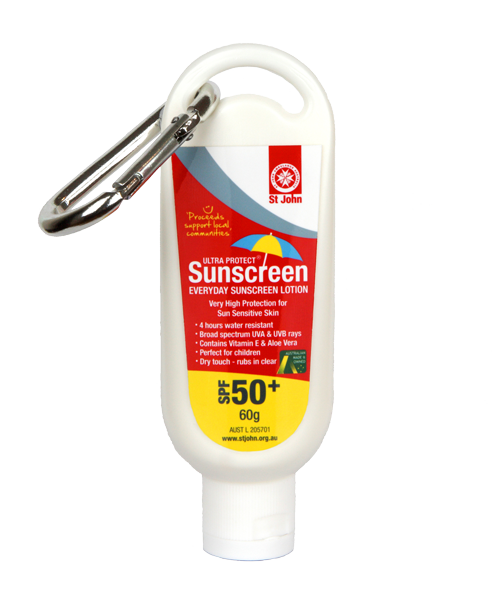
Travel & Holiday First Aid Kits
Compact, pack-light kits for overseas trips, hikes, and holiday adventures.