

The latest stats from Safe Work Australia show that there were over 120,000 serious claims for injuries at work in 2019-20.

Sadly, some of these injuries could have been avoided with the right safety measures in place.
In this article, we take a look at all aspects of work-related injuries in Australia, including how you can avoid them and make your workplace safer.
What are the most common work-related injuries?
Information published also by Safe Work Australia quotes traumatic joint/ligament and muscle/tendon injury as the most common work-related injury. This type of injury is often caused by 'body stressing', the damage caused by strenuous, repetitive work, or could be the result of slips, trips and falls.
In second place is musculoskeletal and connective tissue disease, which may also be rooted in repetitive stress to the body or accidents.
Wounds, lacerations, amputations and internal organ damage are the next most common work-related injuries. Failure to train employees and use equipment safely is often behind these types of injuries.
Fractures make up the next category of work-related injuries, which can often be the result of slips or falls.
Other types of injuries quoted include mental health conditions, digestive system diseases, burns, nervous system and sense organ diseases and intracranial injuries (injuries to the brain caused by trauma, such as an object hitting the head).
More about causes of work-related injuries
There are many other causes of work-related injuries. They include:
- Being struck by moving objects
- Mental stress
- Hitting objects with the body
- Accidents involving vehicles
- Injuries caused by heat, electricity and other environmental causes
- Chemical injuries
How to avoid work-related injuries
People want to feel protected from injury when they go to work. Let’s find out what you can do to make your workplace safer.
Identify hazards
Work with your employees to identify anything that could harm them or their colleagues. Examples of hazards can include how dangerous substances like chemicals are used and stored and the nature of certain work tasks like lifting heavy items.
Carry out a risk assessment
Once you’ve found the hazards in your workplace, you need to assess how dangerous they are, whether you have adequate safety measures in place and what other actions you need to take to control or eliminate the risk of employees being harmed.
Put safety measures in place
Your risk assessment will highlight any further safety measures to put in place or the need to increase the controls you already have.
Know what to do when someone is injured
If the worst happens and someone is injured at work, employees should know what to do.
In the event of a serious injury, dial triple zero (000) for urgent medical help. Make sure your employees know this and have easy access to a phone.
Your risk assessment will help you decide how many first aiders you need at your workplace. These will be people who are trained in giving first aid at work. To help keep their skills up to date, ensure that their training is refreshed once a year.
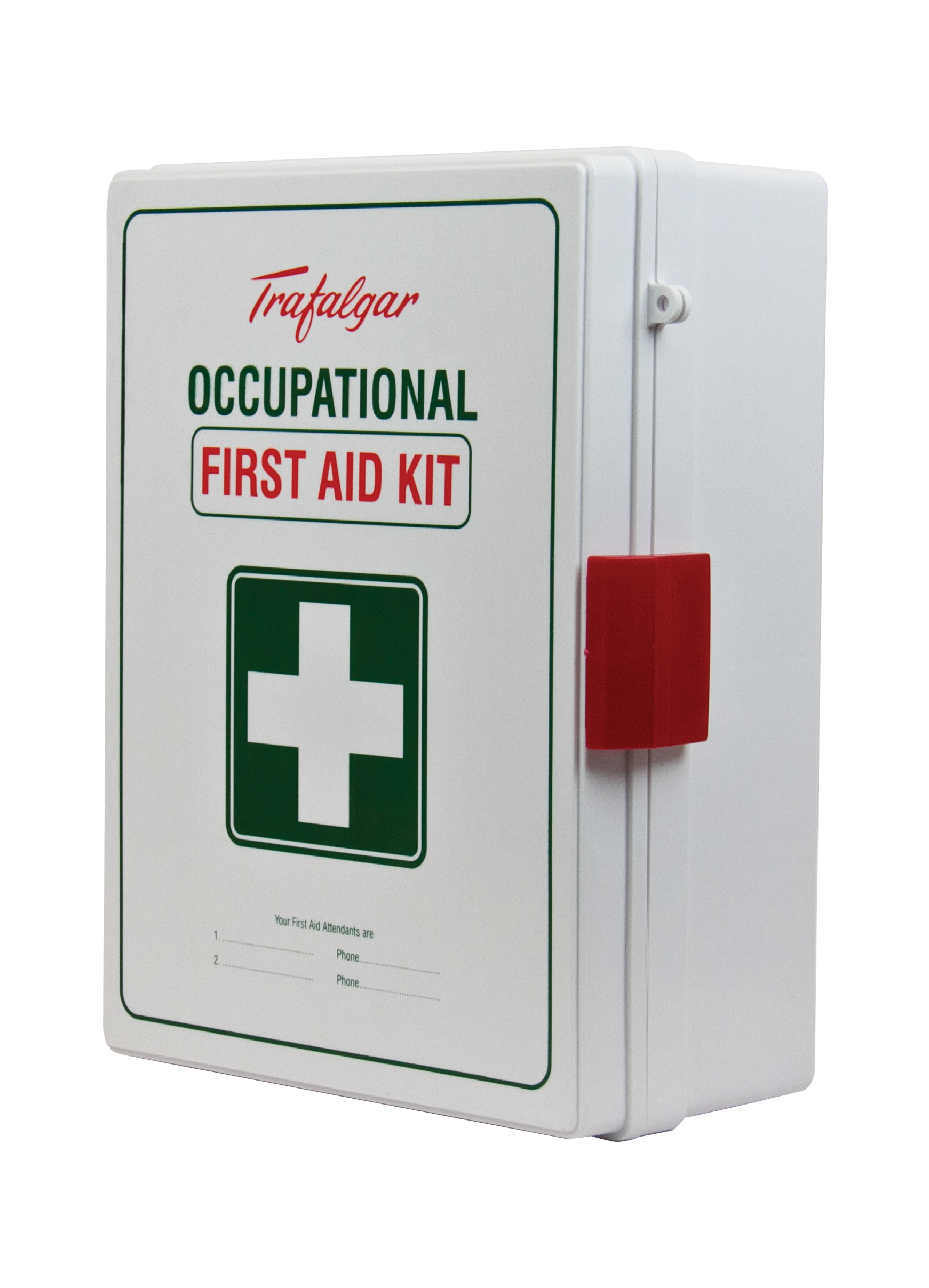
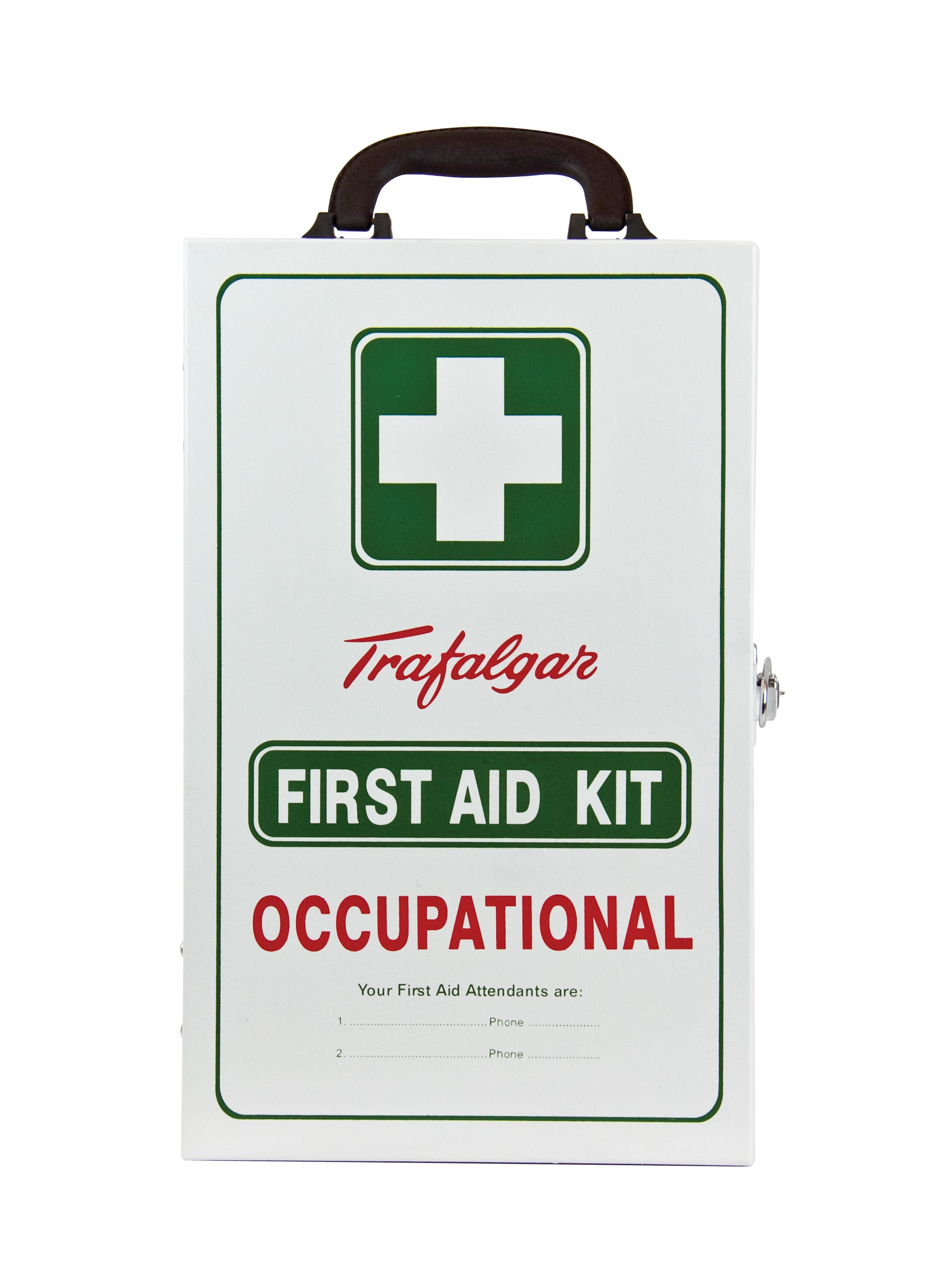
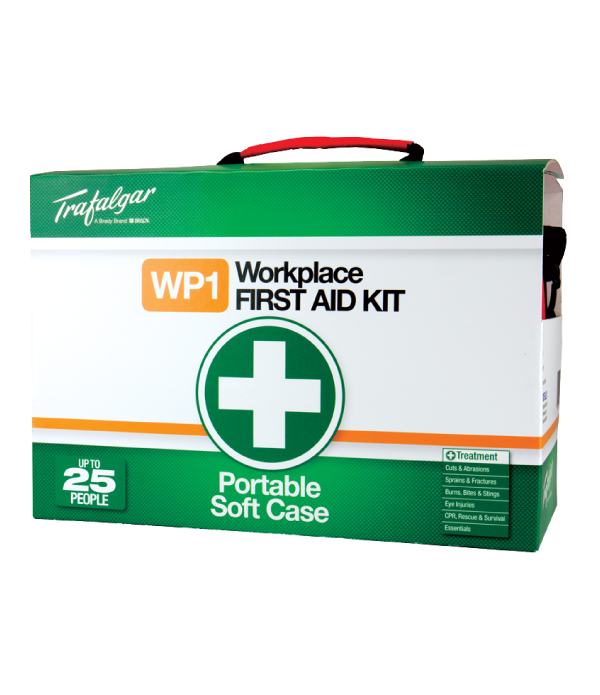
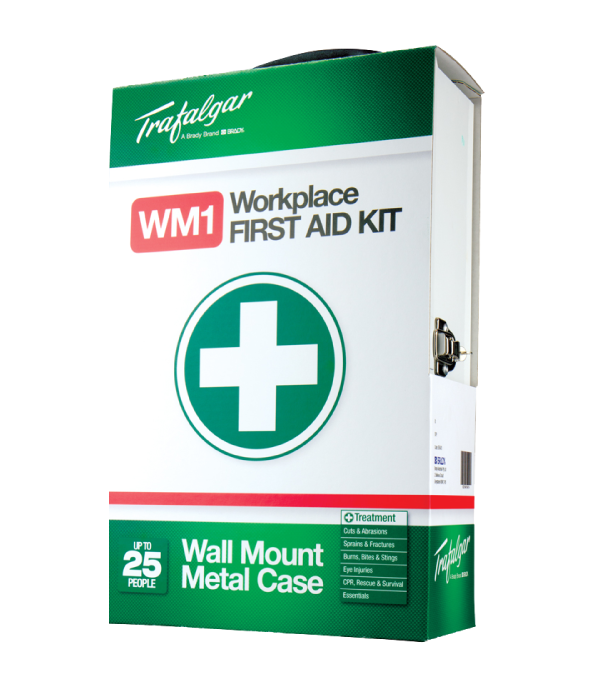
You should also make sure that your workplace is provided with one or more first aid kits. Opt for a workplace first aid kit packed with all the items you need to treat minor injuries and illnesses.
A wall mount first aid kit is highly visible, makes a great addition to any workplace and contains compartments and shelving for easy storage and access to first aid items.
You may also want to invest in a portable first aid kit that contains everything you need and can be taken anywhere within your workplace.
What else do I need to know about work-related injuries?
All employers have responsibilities around health and safety in the workplace. We have touched on some of them before, and they include:
- Having a plan for incidents
- Providing first aid equipment
- Ensuring workers know what to do in an emergency
- Reporting notifiable incidents to your territory or state regulator
- Recording incidents in a log
You can find out more about your obligations on the government’s Business website.
Check out our workplace first aid kits
Fortunately, if you know your responsibilities as an employer and plan accordingly, many workplace injuries can be avoided.
If you’re looking to increase or update your first aid kits, now that you’ve read this article and understood your obligations is the perfect time to do it.
Check out our complete range of workplace first aid kits from the MediBC range. We stock refills too…so you will never be without everything you need to treat minor injuries at work.
Know that we also offer speedy delivery throughout Australia, and our dedicated customer service team is happy to help with any queries you may have about the best first aid kits and supplies to make your workplace safer.
Workplace First Aid Kits for Common Injuries
Wall-mounted, portable, and soft-case workplace kits to handle the most common work-related injuries.