


Reviewed by the Medibc First Aid Team — last updated May 2026.
One in five Australian workplace fatalities involves drugs or alcohol — and a single failed breathalyser test on a forklift, scaffolding rig, or delivery run can cause a fatal incident. Safe Work Australia requires every employer to manage alcohol and drug risks under WHS law, and high-risk industries (mining, construction, transport, healthcare, aviation) are legally required to test.
This guide explains the three breathalyser technologies on the market, when to choose each, the Australian Standards governing workplace testing, how to write a defensible Drug and Alcohol Policy, and the calibration / record-keeping that keeps your tests legally usable.
Why workplace breathalysers matter
The WHS legal duty
Under each state's Work Health and Safety Act, employers must do "everything reasonably practicable" to ensure worker and visitor safety. For workplaces where impairment could cause harm — driving, machinery, working at height, healthcare procedures — a breathalyser-backed Drug and Alcohol Policy is now considered baseline due diligence. healthdirect.gov.au publishes free worker-facing alcohol education resources you can distribute alongside the policy.
The cost of NOT testing
Workers Compensation, employer civil liability, and (in transport/mining) Category 1 WHS criminal liability can all attach to incidents where impairment was a factor and the employer had no testing regime. The cost of one device + annual calibration is under $2000; the cost of a fatal-incident lawsuit is in the millions.
Where breathalysers are mandatory
Mining (Mining WHS Act + state codes), commercial transport (Heavy Vehicle National Law), aviation (CASA), maritime (AMSA), rail (RSNL), construction (state WHS codes), healthcare during patient care, and most government workplaces. Office workplaces have discretion but should still have a policy covering reasonable-suspicion testing.
Three breathalyser technologies
Semi-conductor sensors (entry-level)
The cheapest sensor type ($50-200 retail). Detects ethanol via a heated tin-oxide film whose conductivity changes in the presence of alcohol vapour. Pros: cheap, fast result. Cons: drifts with temperature/humidity, gives false positives near mouthwash and some foods, accuracy +/- 0.01-0.02 BAC, needs 6-monthly calibration. Suitable for: personal use, social-event screening, household awareness, low-risk workplace screening where evidence-grade accuracy isn't required.
Fuel-cell sensors (evidence-grade)
Electro-chemical sensor — ethanol oxidises at a platinum electrode and generates current proportional to alcohol concentration. Highly specific to ethanol (won't false-positive on mouthwash, paint thinner, ketones). Accuracy +/- 0.005 BAC. The same technology used in Australian police roadside RBT units. Pros: legally defensible, stable accuracy, long sensor life (5-10 years). Cons: higher cost ($300-1500), annual calibration required. Suitable for: workplace evidence-grade testing, transport, mining, construction.
Infrared spectroscopy (clinical / forensic)
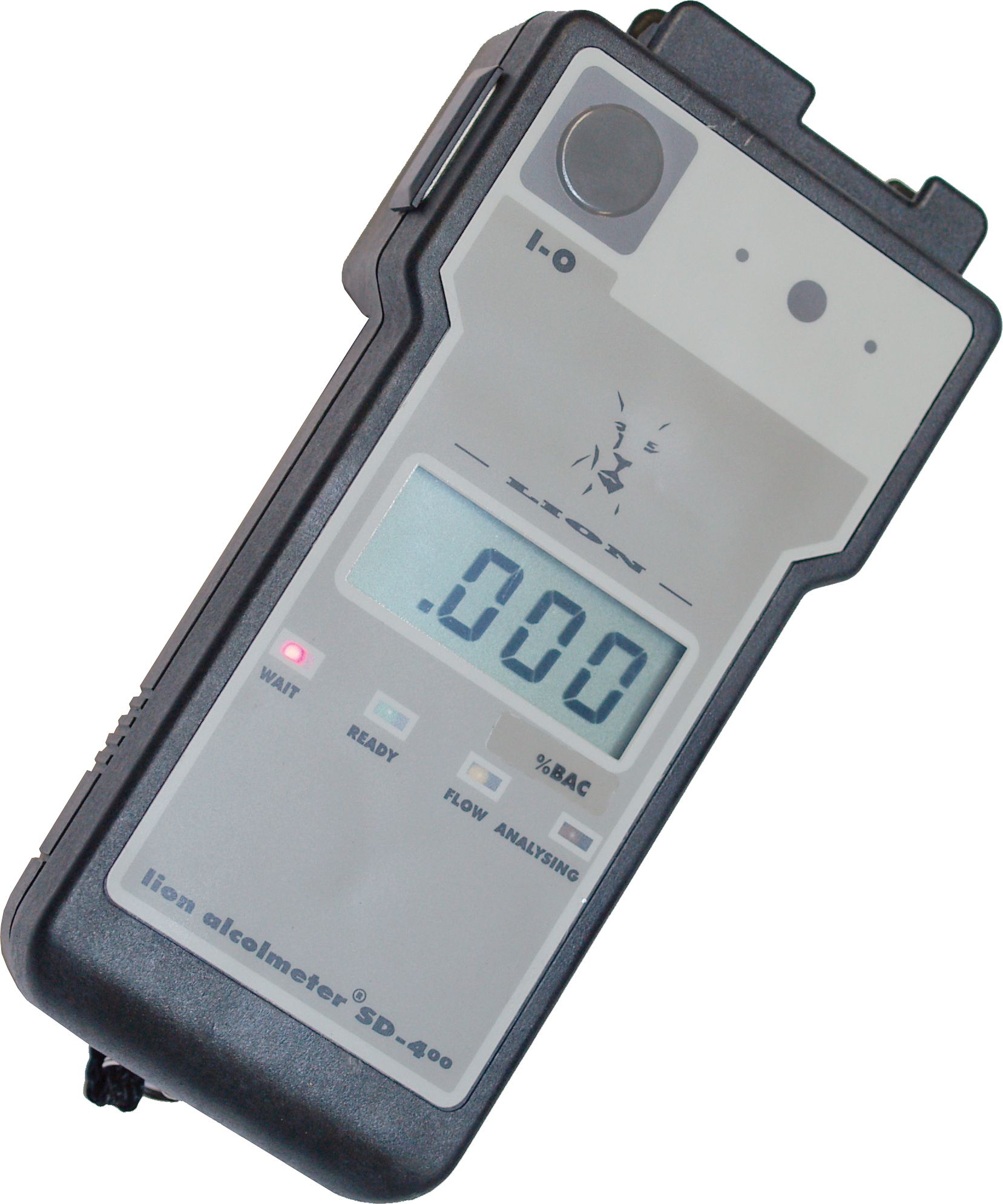
Lab and police evidence-grade analysis — reads the IR absorption spectrum of breath to confirm ethanol presence and concentration. The technology behind the Lion Alcometer SD400 dual-mode units used in some workplaces. Pros: definitive, forensic-grade. Cons: $1500-5000, larger device, must be operated by trained user. Suitable for: post-incident forensic testing, court-admissible evidence, large-scale fleet operations.
Hand-held vs wall-mounted breathalysers
Hand-held units
Portable battery-powered units that travel between testing locations — site office, depot, vehicle. Pros: flexible, low cost per test, suits multi-site workplaces, can be carried into the field. Cons: easy to lose or damage, battery management, single test at a time. Best for: small/medium workplaces, mobile fleets, construction site offices. The Alcolizer Melcorp HH1 is a popular Australian workplace hand-held.
Wall-mounted units
Permanent fixtures at site entrances, depots, or operations control rooms. Workers blow into the unit as part of pre-shift check-in. Some models integrate with door access (no pass = no entry). Pros: high throughput, automated record-keeping, deterrence effect. Cons: fixed location, higher initial cost ($2000-5000+), needs power and (sometimes) network. Best for: mining sites, large warehouses, transport depots, high-risk industries.
Self-test personal devices
Small key-ring or wallet-sized devices a worker can self-test before driving home. Useful for: shift-end check before driving, social events, transport workers checking their own pre-shift status. Note: NOT for legal evidence — only for personal awareness.
Australian Standards and certification
AS 3547 — breathalyser type approval
The Australian/New Zealand Standard for personal and workplace breathalysers. Specifies: sensor accuracy tolerance, calibration interval, environmental operating range, sample-handling, and audit-trail requirements. Devices certified to AS 3547 carry the cert mark on the body. Buying a non-AS-3547 device for workplace use is a WHS audit failure waiting to happen.
TGA registration
Workplace and medical breathalysers must be listed on the Australian Register of Therapeutic Goods (ARTG). Check the ARTG number on the box before purchase. Personal-use devices may have a lower registration class but still need TGA listing if marketed for health-related purposes.
Industry-specific codes
Mining (state Mining WHS Acts + industry codes), aviation (CASA), heavy vehicle transport (Heavy Vehicle National Law), rail (RSNL), maritime (AMSA) each have their own breathalyser specifications. Procurement should consult the relevant industry code before bulk-buying.
Writing a workplace Drug and Alcohol Policy
Required policy elements
A legally defensible policy must include:
- Scope — which workers covered (including contractors), which work areas, which times of day
- Tested substances — alcohol BAC limit (typically 0.00 for safety-critical roles), specific drug classes if drug testing also applies
- When tests occur — pre-employment, random (with stated frequency), pre-shift, post-incident, reasonable suspicion
- Testing method — breathalyser brand and type, secondary confirmatory test, refusal-to-test consequence
- Result handling — chain of custody, confirmatory testing pathway, employee assistance program (EAP) referral, return-to-work plan
- Disciplinary outcomes — first failed test, second failed test, refusal, fraudulent sample (e.g., adulterated urine)
- Worker consent — signed acknowledgment during onboarding
Sample BAC limits by industry
0.00 BAC (zero tolerance): mining, aviation, heavy vehicle transport, healthcare during patient care, school/childcare during work hours. 0.02 BAC (low limit): light commercial driving, some construction non-machinery roles. 0.05 BAC (general driving): not applicable as a workplace limit — this is the AUSTRALIAN ROAD limit, not WHS. Office workplaces typically don't set a numeric limit but reserve the right to test on reasonable suspicion.
Post-incident testing
Most policies require breathalyser testing after any workplace incident involving injury, near-miss, vehicle accident, or property damage above a stated threshold. Test as soon as practicable after the incident (alcohol clears at 0.015 BAC per hour). Document the chain of custody.
Drug testing — what breathalysers don't catch
Breathalyser = ETHANOL only
A breathalyser detects alcohol exhaled in breath. It does NOT detect cannabis (THC), amphetamines, cocaine, opiates, benzodiazepines, methamphetamine, or prescription medications. To detect these you need a separate drug test.
Urine drug testing (most common)
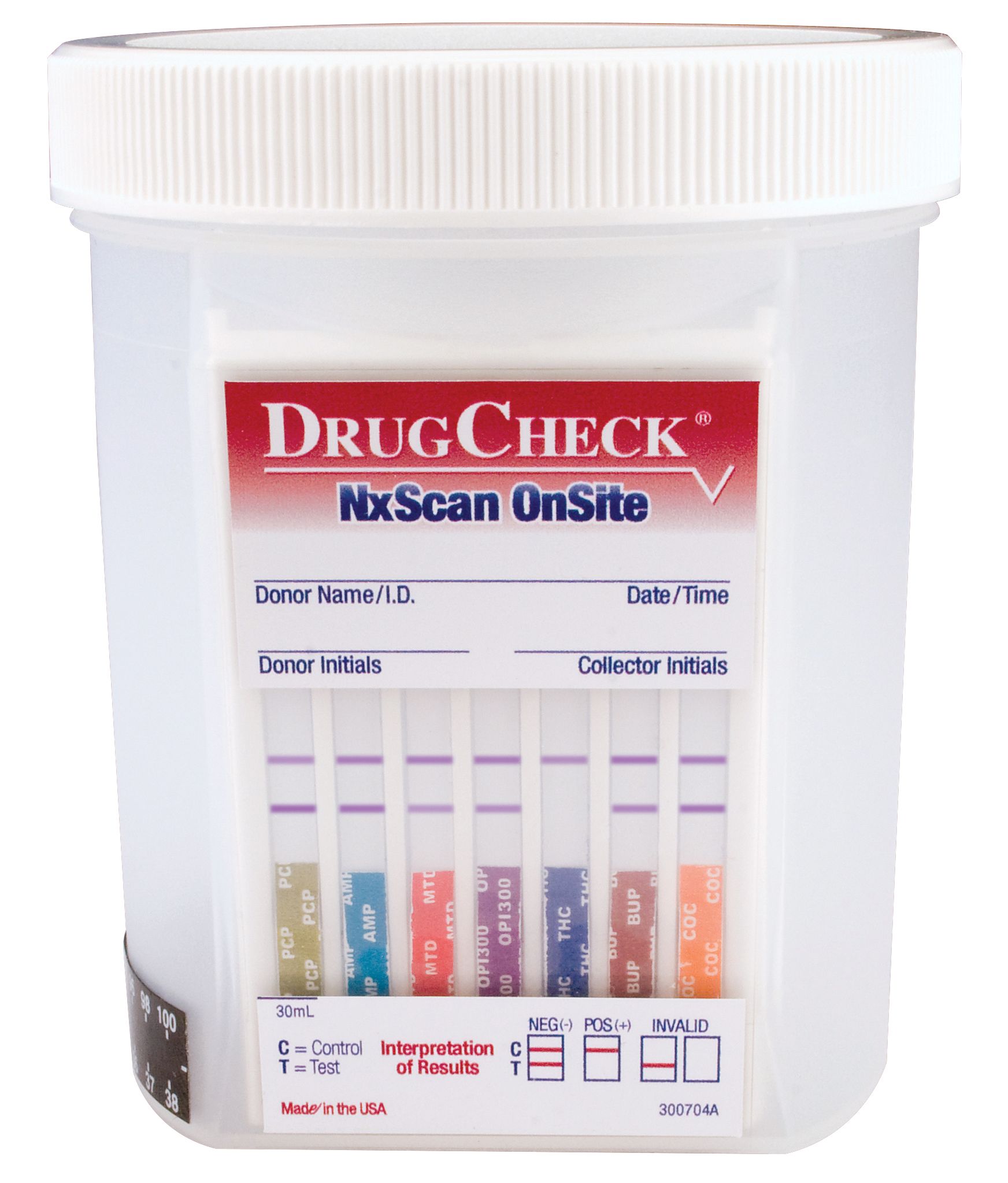
Multi-panel urine test cards detect 5-10 drug classes from a single sample, with adulterant testing (creatinine, pH, oxidants) to catch attempts to dilute or replace the sample. The Drugcheck NxScan 6-Panel + Adulterants is a typical workplace test — covers THC, cocaine, opiates, amphetamines, benzodiazepines, methamphetamine. Detection window: hours to days depending on substance.
Oral fluid (saliva) testing
Less invasive than urine, gives a shorter detection window (hours, not days) — so better suited to "recent use" tests at site entry or post-incident. Used in Australian police drug-driving operations. Workplace saliva test panels are available alongside urine.
Drug testing chain of custody
Confirmation testing in a NATA-accredited lab is needed for legally-defensible results. Initial workplace test = screen; positive screen triggers lab confirmation via GC-MS or LC-MS. Never disciplinary action on initial screen alone.
How to use a workplace breathalyser correctly
Pre-test preparation
- 15-minute wait after the worker's last drink, food, or smoking (mouth alcohol gives false positives)
- Worker rinses mouth with water (optional but recommended)
- Check the device is within its certification window
- Use a NEW disposable mouthpiece for each test
- Read the unit's operating temperature range — some units require warm-up
The test itself
- Power on, wait for "ready" display
- Insert disposable mouthpiece
- Worker takes a deep breath, exhales steadily into the mouthpiece for 4-6 seconds until the device beeps or shows result
- Record the BAC reading immediately
- Discard the mouthpiece (clinical waste)
Result documentation
Workplace breathalyser tests need: date, time, location, worker name (or anonymised ID for random testing), tester name, device serial number, BAC reading, witness signature (if relevant), follow-up action taken. Keep records for 7 years (WHS audit requirement).
Calibration and maintenance
Calibration schedule
Fuel-cell devices: annually (or every 1000 tests, whichever comes first). Semi-conductor devices: every 6 months. Calibration is done by accredited service centres — you cannot DIY. The certificate shows the calibration date and the next-due date. Using an out-of-calibration device for a workplace test means the result has no legal weight.
Battery and storage
Most workplace breathalysers run on AA or 9V batteries — check before each shift. Store the device at room temperature (15-30 degrees Celsius), away from direct sunlight, in its case. Do not expose to extreme heat or cold — sensor accuracy drifts.
Mouthpiece supply
Stock at minimum 100 disposable mouthpieces per device. For wall-mounted units serving 100+ workers per day, calculate weekly consumption + 30% buffer. Mouthpieces are inexpensive but running out mid-shift stops the testing programme.
Industry-specific notes
Mining
State Mining WHS Acts mandate alcohol and drug testing at site entry. Wall-mounted breathalyser at the main gate + random hand-held testing throughout the shift. Zero BAC tolerance. Annual fitness-for-work assessment.
Construction
State Construction Codes of Practice cover testing. Hand-held breathalyser at the site office, applied to all workers (including contractors) on a defined random and post-incident schedule. Zero BAC for plant operators and working-at-height.
Transport (heavy vehicle, courier)
Heavy Vehicle National Law mandates zero BAC for heavy-vehicle drivers. Pre-shift breath test for all drivers. Document chain-of-custody for any positive result. Light commercial vehicles: 0.02 BAC limit, similar test cadence.
Aviation
CASA regulates breath testing for pilots, cabin crew, ATC and ground crew. Zero BAC. Pre-flight test required. Audit by CASA inspectors.
Office workplaces
No legal mandate, but office workplaces commonly include: post-incident testing, reasonable-suspicion testing, voluntary annual training, and an Employee Assistance Programme (EAP) for workers seeking help.
Frequently asked questions
Is a workplace allowed to breathalyse staff in Australia?
Yes - workplaces can require breathalyser testing under WHS law if it's documented in the workplace Drug and Alcohol Policy AND the worker signs the policy on hire. High-risk industries (mining, construction, transport, healthcare, aviation) are commonly required to test under industry codes. Low-risk office workplaces typically test only after an incident or based on reasonable suspicion. Always have written consent in the employment contract before testing; refusing a properly-policy-authorised test is grounds for disciplinary action.
What's the difference between semi-conductor and fuel-cell breathalysers?
Semi-conductor sensors are cheaper (under $200) and suit personal use, social settings, or 'screening' workplace tests where high accuracy isn't legally required. They drift with temperature/humidity and need re-calibration every 6-12 months. Fuel-cell sensors (the same technology Australian police use - 'Lion Alcometer SD400' style) are highly accurate and used for evidence-grade workplace and forensic testing. Required for legally-defensible workplace tests, sample $500-1500 range. Calibration annually.
What is the legal blood alcohol limit at work in Australia?
Most non-driving Australian workplaces set 0.00 BAC (zero tolerance) in their Drug and Alcohol Policy. High-risk industries are legally required at 0.00: mining (Mining WHS Act), aviation (CASA rules), commercial transport (heavy vehicle 0.00, light commercial 0.02), maritime, rail, healthcare during patient care. General office work may permit social-event consumption with a written cap, but the law allows employers to set any limit they choose including 0.00. Check your industry's WHS Code.
How often should workplace breathalysers be calibrated?
Australian Standard AS 3547 (breathalyser type-approval) requires periodic calibration to maintain accuracy. Manufacturer schedules vary: most fuel-cell devices need annual calibration (some after 1000+ tests, whichever comes first). Semi-conductor devices need 6-monthly calibration. Calibration is performed by accredited service centres - you cannot DIY a calibration. Keep calibration certificates on file for WHS audit. Use the unit only WITHIN the certified date window or the test result has no legal weight.
Do you need a separate device for drug testing on top of breathalyser?
Yes - breathalysers detect ETHANOL only. Other drugs (THC/cannabis, amphetamines, cocaine, opiates, benzodiazepines) require separate test kits. Workplace drug testing typically uses urine or oral fluid (saliva) tests with multi-panel cards that detect 5-10 drug classes from a single sample. The 'Drugcheck NxScan 6 Panel + Adulterants' detects the most common workplace drug classes plus adulterants that could be added to fool the test. Use breathalyser + drug test together for complete WHS coverage.
Workplace Breathalysers & Drug Testing
AS 3547-compliant breathalysers (hand-held, wall-mount, fuel cell) plus multi-panel drug testing for full WHS coverage.
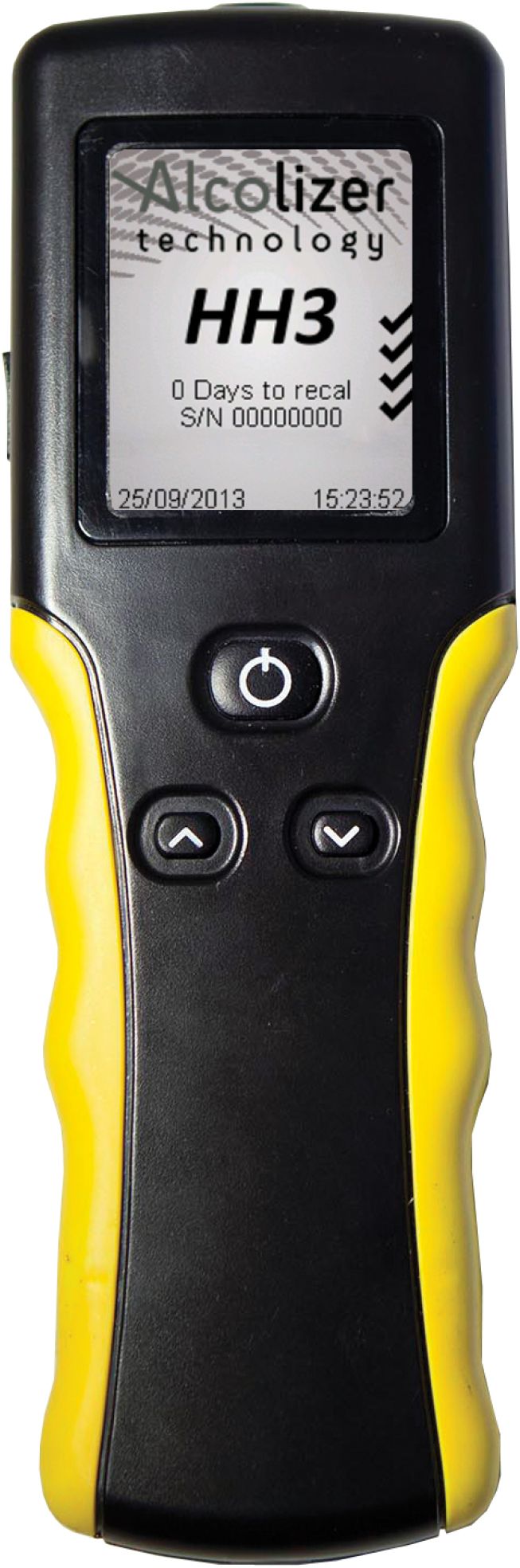
Alcolizer Melcorp HH1 Hand-Held Breathalyser
Professional hand-held breathalyser for workplace screening.
Shop Now
AlcoCheck FC300E Fuel Cell Breathalyser
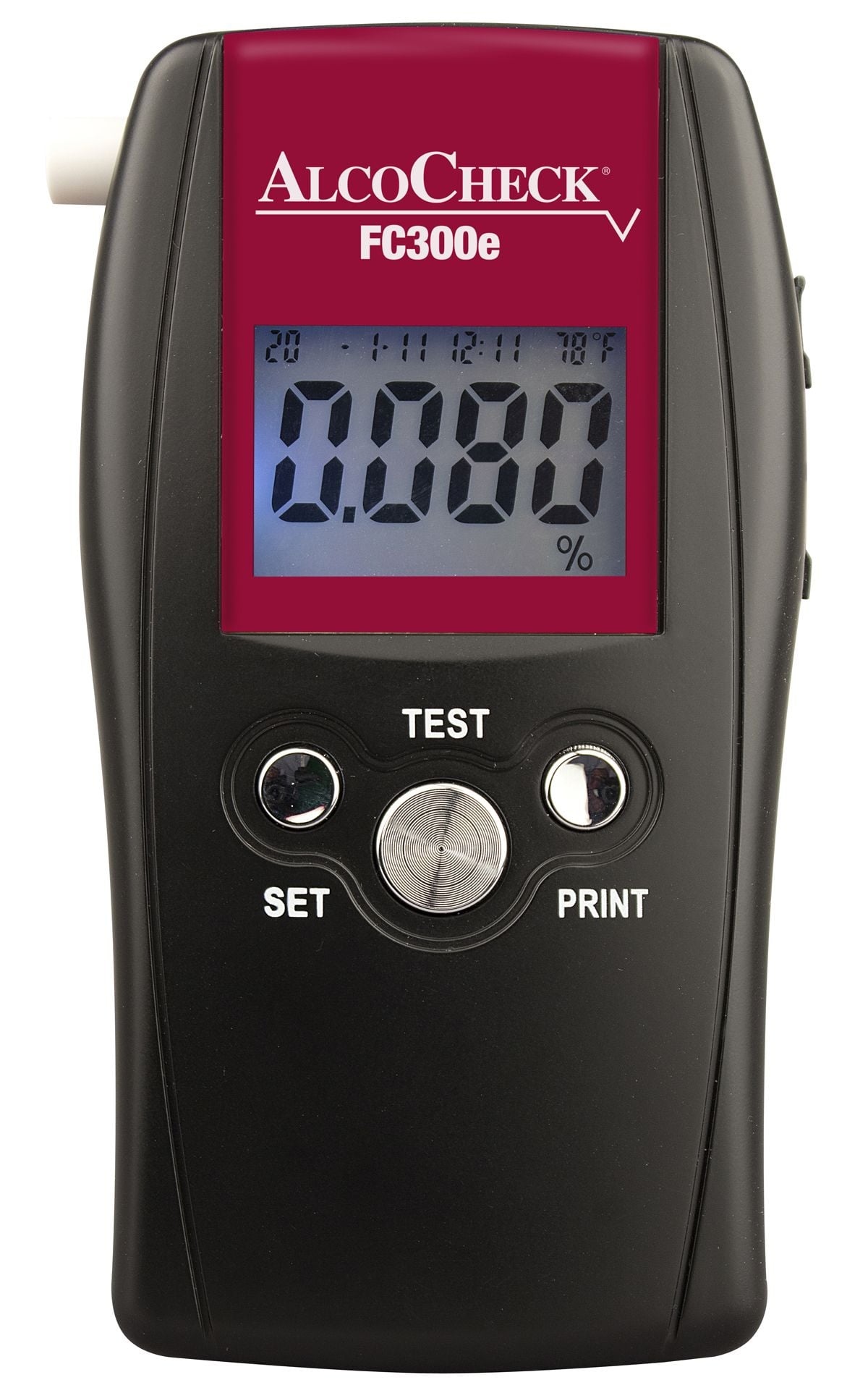
Fuel-cell hand-held, evidence-grade accuracy for WHS testing.
Shop Now
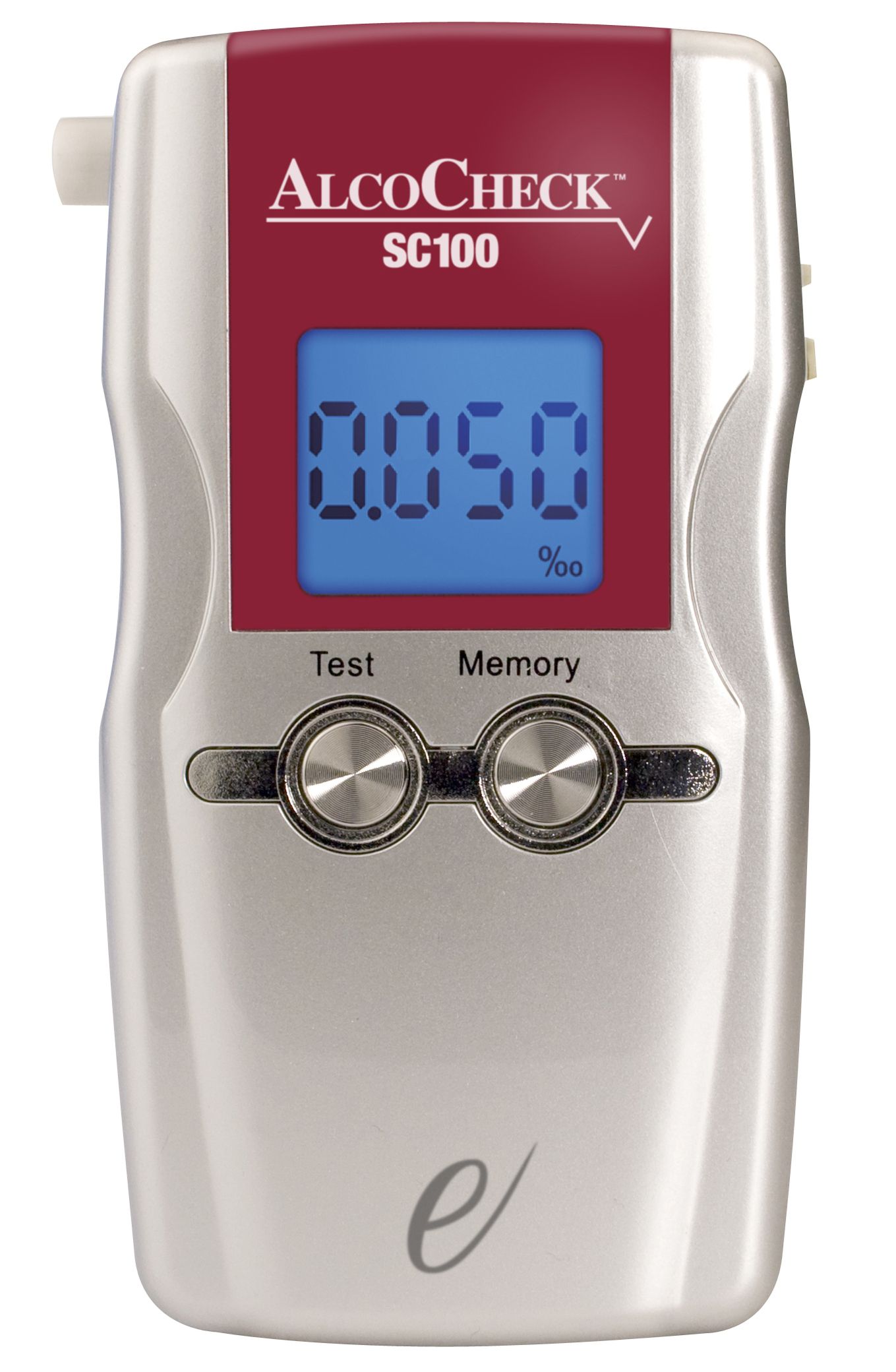
AlcoCheck SC100 Semi-Conductor Breathalyser
Compact semi-conductor for personal & social-event screening.
Shop Now
Alcolizer Melcorp Wall-Mounted Breathalyser
Permanent wall-mount unit for site entrances & depots.
Shop Now
Sources: Safe Work Australia — First aid in the workplace, healthdirect.gov.au — Alcohol, Therapeutic Goods Administration, Australian and New Zealand Committee on Resuscitation (ANZCOR).