

ABN Manual Blood Pressure Cuff - Economy Aneroid, Adult 2-Tube
Blood Pressure Aneroids
$91.26
Secure checkout
VISA
Mastercard
Apple Pay
Google Pay
Also accepted
AMEX
Afterpay
Zip
Klarna
PayPal
In stock
Only 1000 left
SKU
400310
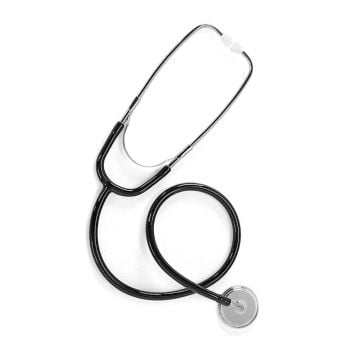
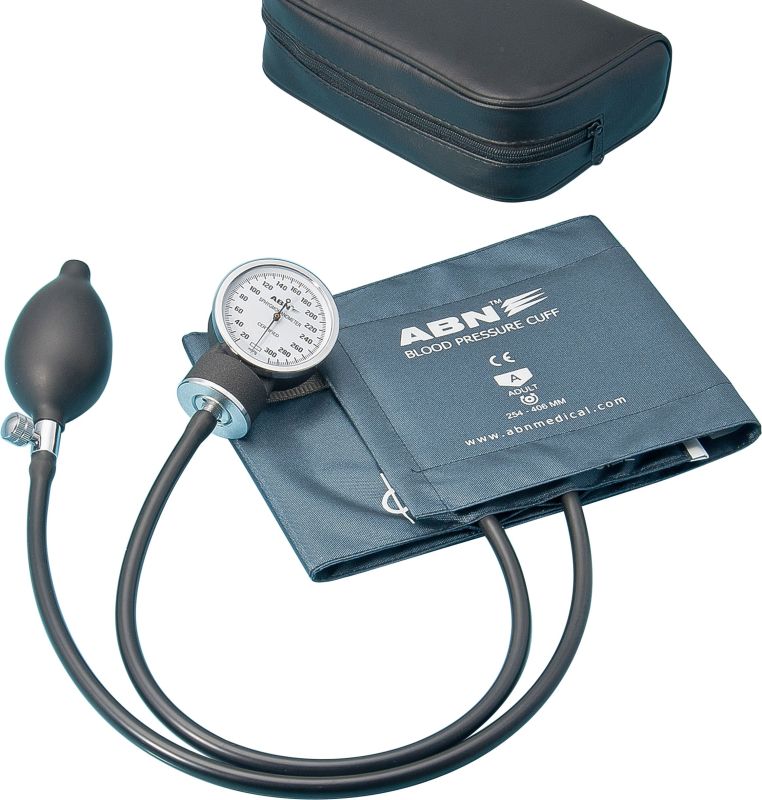
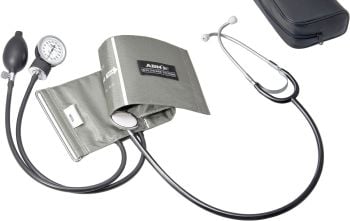
This ABN manual blood pressure cuff is an economy aneroid sphygmomanometer built for clinics, training rooms, first aid teams and paramedics who take readings by hand. The adult cuff fits arm circumferences from 254 to 406mm, and the 300 mmHg manometer is paired with a two-tube bladder, an inflation bulb and a chrome-plated release valve. It is supplied in a zippered leatherette storage case. A stethoscope is not included, so pair it with one if you are taking readings by the auscultatory method. Our Littmann stethoscope is a dual-head option with a tunable diaphragm.
Features
- 300 mmHg aneroid manometer with no pin stop mechanism
- Nylon adult cuff with hook-and-loop closure, marked for arm circumferences of 254 to 406mm
- Two-tube inflation bladder with bulb and chrome-plated release valve for controlled deflation
- Zippered leatherette storage case included
- CE marked
- Supplied without a stethoscope
Specifications
- Brand: ABN
- Type: Aneroid sphygmomanometer, manual
- Manometer: 300 mmHg, no pin stop
- Cuff: Adult, nylon, hook-and-loop, 254 to 406mm arm circumference
- Tubing: Two-tube configuration
- Included: Cuff, bulb, valve, manometer, zippered case
- Not included: Stethoscope
Why choose a manual blood pressure cuff?
An automatic monitor gives a number; a manual blood pressure cuff lets a trained clinician hear the Korotkoff sounds and judge the reading themselves. That matters when an automated result looks implausible, when a patient has an irregular pulse that confuses an oscillometric device, or when you are teaching technique. There are no batteries to flatten and no display to fail, which is why aneroid units stay in first aid rooms and training kits long after the digital monitor has been retired. The trade-off is that it requires training and a stethoscope to use properly.
Common uses
Routine observations in general practice, clinics and aged care; nursing and first aid training where students need to learn the auscultatory method; workplace health checks; and as a manual backup alongside an automatic monitor. Because this unit ships without one, most buyers add a stethoscope at the same time. Compare the rest of the range in blood pressure monitors at MediBC.
Manual Blood Pressure Cuff FAQs
How do you read a blood pressure cuff?
Inflate the cuff above the expected systolic pressure, then release the valve slowly and watch the needle. The reading where you first hear a pulse through the stethoscope is the systolic pressure, and the point where the sound disappears is the diastolic pressure. Reading an aneroid gauge accurately takes training and practice.
How do you use a blood pressure cuff?
Seat the patient with the arm supported at heart height, wrap the cuff around the upper arm, and place the stethoscope over the brachial artery. Inflate with the bulb, then use the chrome-plated valve to deflate at a slow, steady rate while you listen and watch the dial.
Where do you place a blood pressure cuff?
On the bare upper arm, with the lower edge sitting roughly 2 to 3cm above the elbow crease and the bladder centred over the brachial artery. Placing it over clothing or using a cuff that does not match the arm size will affect the reading.
Does this unit include a stethoscope?
No. This model is supplied as cuff, bulb, valve and manometer in a zippered case only. A stethoscope is needed to take a conventional manual reading and is sold separately.
What arm size does the adult cuff fit?
The cuff is marked for arm circumferences of 254 to 406mm, which is 25.4 to 40.6cm. Measure the mid-upper arm before ordering, because a cuff that is too small or too large will bias the result.
Frequently bought together