

Eye Bath
Miscellaneous
$1.91
Secure checkout
VISA
Mastercard
Apple Pay
Google Pay
Also accepted
AMEX
Afterpay
Zip
Klarna
PayPal
In stock
Only 998 left
SKU
412
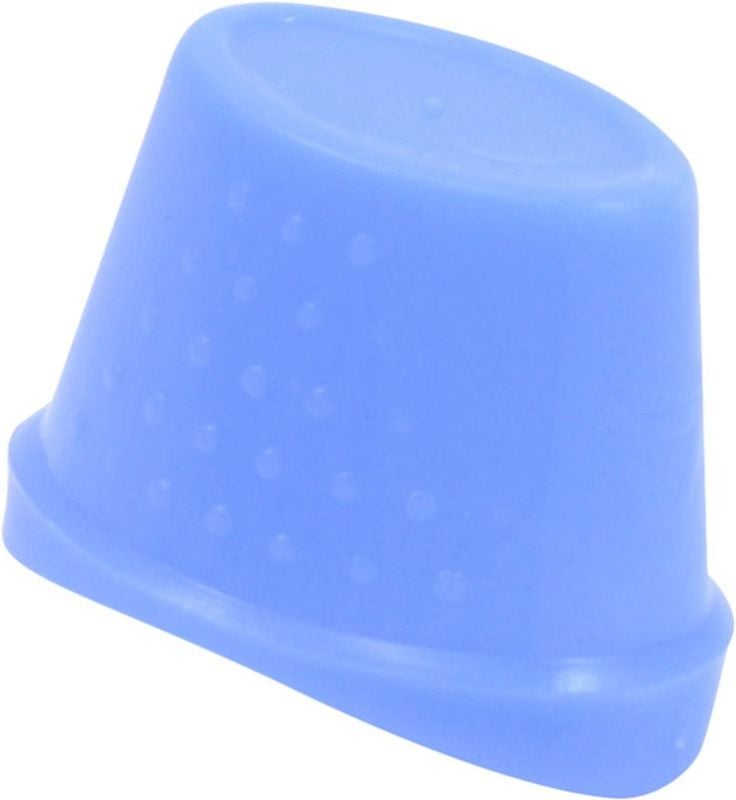
An eye bath cup for flushing a foreign body from the eye or applying an eye solution. Moulded to sit against the eye socket so solution stays where it is meant to. 40 x 30 x 30mm.
What an eye bath is for
Three jobs: rinsing out dust, grit or an eyelash; applying an eyewash or cleansing solution to soothe dry, tired or irritated eyes; and holding solution against the eye long enough to actually do something, which pouring from a bottle does not.
The advantage over squeezing a bottle at your face is control. The cup seals against the orbital bone, so you can open the eye and roll it around in the solution rather than blinking most of it away.
How to use an eye bath
Wash your hands and rinse the cup first. Fill it about half full with the eyewash or sterile solution you are using. Lean forward, press the cup over the eye against the bone, then tilt your head back. Open the eye and roll it around so the solution reaches the whole surface. Repeat with a clean cup of solution for the other eye.
Use it with sterile saline, or browse first aid supplies for eyewash and irrigation stock.
An eye bath is not the right tool for a chemical splash. That needs immediate, continuous irrigation for 15 to 20 minutes under running fluid and urgent medical attention, not a small cup. Never use one on an eye with something embedded in it, a penetrating injury, or after a blow that has affected vision. Do not share a cup between people, and rinse and dry it after every use.
When the eye needs a doctor instead
Get medical attention for pain that persists after flushing, any change in vision, light sensitivity, a visible object on the coloured part of the eye, or anything that arrived at speed such as a grinding or hammering fragment. A high-velocity particle can penetrate the eye with surprisingly little pain, which is exactly why those injuries get underestimated.
Specifications
| Type | Eye bath cup |
| Dimensions | 40 x 30 x 30mm |
| Use | Flushing foreign bodies, applying eye solutions |
| Reusable | Yes, rinse and dry between uses |
| Sharing | Single person, do not share |
Eye bath FAQs
What is an eye bath used for?
Rinsing dust, grit or an eyelash from the eye, and applying eyewash or cleansing solution to soothe irritated, dry or tired eyes. The cup holds solution against the eye so it works rather than running down your face.
How do I use one properly?
Clean hands, rinse the cup, half fill it with solution. Lean forward, press it over the eye against the bone, tilt your head back, open the eye and roll it around. Use fresh solution and a clean cup for the second eye.
What solution should I put in it?
A sterile eyewash or sterile saline. Tap water is not sterile and stings more. Never put anything in it that is not intended for use in the eye.
Can I use it for a chemical splash?
No. A chemical splash needs continuous irrigation for 15 to 20 minutes and urgent medical help. A small cup cannot deliver that. Start flushing immediately with whatever clean fluid you have and get help on the way.
Can two people share one?
No. Eye infections transfer easily. Assign a cup to one person, and rinse and dry it after each use. In a workplace kit, keep spares rather than sharing one.
When should I see a doctor instead of flushing?
Persistent pain after flushing, any vision change, light sensitivity, a visible object on the coloured part of the eye, or anything from grinding, hammering or machinery. High-speed fragments can penetrate the eye with little pain.
Seek urgent medical attention for chemical splashes, penetrating eye injuries, embedded foreign bodies and any change in vision. This information is a general guide and is not medical advice.
Frequently bought together