

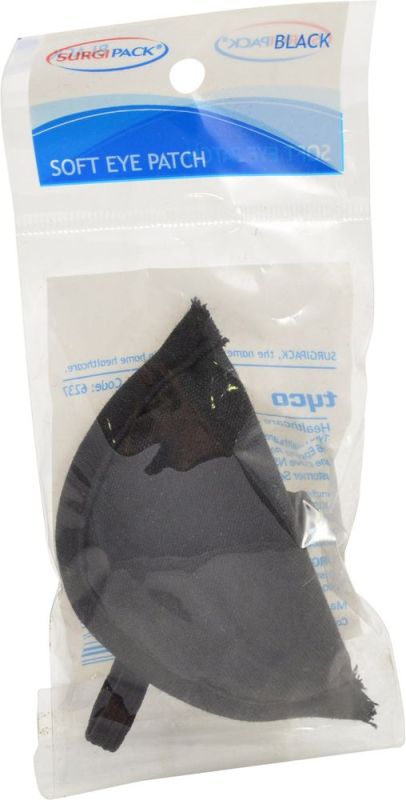
Eye Patch Soft Padded Black - Single, for Injured Eye
Fabric Dressings | Plastic Plasters
$7.79
Secure checkout
VISA
Mastercard
Apple Pay
Google Pay
Also accepted
AMEX
Afterpay
Zip
Klarna
PayPal
In stock
Only 1000 left
SKU
99116
A soft padded eye patch in black, supplied as a single patch. It covers and shields an injured or recovering eye without pressing on it, which is the main thing an eye cover has to get right - protection from light, dust and accidental contact, with nothing loading the globe itself.
Features
- Soft padded construction that shields without pressing on the eye
- Black finish, blocking light to the covered eye
- Lightweight and breathable for extended wear
- Supplied as a single patch
Specifications
- Colour: Black
- Construction: Soft padded
- Supplied: Single patch
When an eye patch is the right choice
The common clinical reasons for covering an eye are protecting a healing surface after an injury or procedure, resting an eye that is painful in light, and keeping a dressing in place. Occlusion therapy for amblyopia in children is a different thing again and is prescribed and timed by an optometrist or ophthalmologist - patching without that direction can do harm, so follow the clinician's instructions rather than a general rule. Two situations need care: never apply pressure to an eye with a suspected penetrating injury or embedded object, and do not use a patch to hide symptoms that need assessment. Sudden vision loss, significant pain, or an injury from something travelling at speed needs urgent medical attention, not a patch.
Common uses
First aid rooms, general practice, optometry and ophthalmology, aged care, and home use while an eye recovers. For a sterile pad against the eye itself, see the eye pad. Keep it alongside sterile dressings and gauze, or browse the wider first aid supplies range at MediBC.
Eye Patch FAQs
What is an eye patch used for?
Covering and protecting an injured or recovering eye, shielding it from light and dust, and holding a dressing in place. It is also used for prescribed occlusion therapy in children, but only under an optometrist or ophthalmologist's direction.
How long should you wear an eye patch?
For an injury or after a procedure, follow the time your clinician gives you. For prescribed patching in children the schedule is set by the eye specialist. Do not extend or shorten it on your own judgement.
Should you patch an eye with something stuck in it?
No. Never press anything onto an eye with a suspected penetrating injury or an embedded object. Shield it without contact or pressure and seek urgent medical help.
Is a padded patch better than a plain cover?
Padding lets the patch bridge over the eye rather than resting on the lid, which is more comfortable for extended wear and avoids loading a healing surface. A flat cover can press directly on the eyelid.
Can an eye patch be reused?
Treat it as a single-patient item and replace it when it becomes soiled, damp or misshapen. Do not share a patch between people.
Frequently bought together