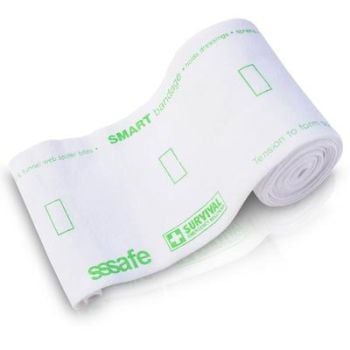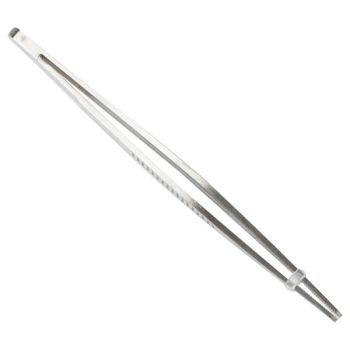


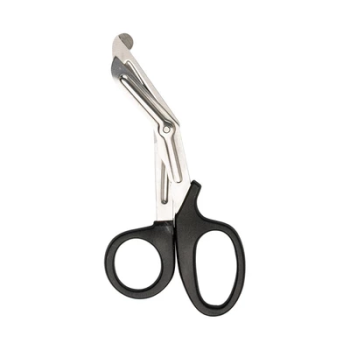
Bandage Shears (small)
$3.62
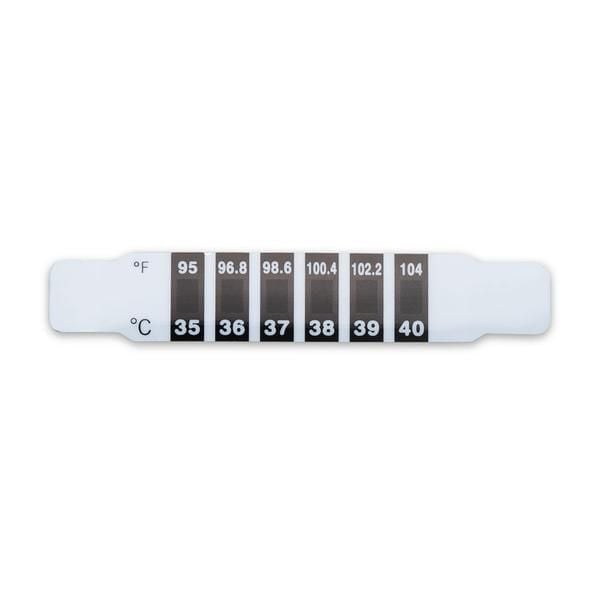
The fever scan strip is a forehead thermometer that uses temperature-sensitive colour indicators to give a quick, approximate body temperature. It reads from 35 to 40 degrees C (95 to 104 degrees F) in one-degree steps: press it flat against the forehead and the window matching the skin temperature changes colour. There is nothing to switch on, no batteries and no glass, which is why a fever scan strip is a common low-cost item in first aid kits, childcare kits and travel kits.
| Type | Forehead fever scan strip (liquid crystal) |
| Range | 35-40 degrees C / 95-104 degrees F |
| Steps | 1 degree C |
| Power | None required |
When someone feels hot and unwell, a quick check helps you decide what to do next - and a strip is easier to use on a restless child than a thermometer under the tongue. The strip gives that first look in seconds. It is best thought of as a screening tool: it helps you notice that someone may be running warm, so you can confirm with a more accurate thermometer and decide whether they need medical advice.
Less accurate than a digital thermometer, and it is important to know that. A review by the Oxford Centre for Evidence-Based Medicine found forehead strip readings can be out by 1.5 degrees C or more, and UK NICE guidance says forehead chemical thermometers are unreliable and should not be used by health professionals for children under 5. Skin temperature also changes with sweating, a cold room or a fan. Use the strip as a quick first check, confirm any concerning reading with a digital thermometer, and always judge by how the person is - a very unwell person needs medical help whatever the strip shows.
Dry the forehead first and move the person out of direct sun, wind or air conditioning for a few minutes, because skin temperature reacts quickly to the environment. Hold the strip flat with even contact - edges lifting off the skin give a low reading. Read it in good light while it is still in place, and wipe it clean before returning it to the kit. Store strips flat and away from heat, as a hot car can affect the colour indicators. Replace any strip that is creased, faded or no longer changes colour clearly or evenly when tested.
Quick temperature checks in home, school, childcare, workplace and travel first aid kits. Keep fluids such as Hydralyte sachets on hand for someone who is unwell, and browse first aid supplies to restock your kit, or choose a complete first aid kit.
Liquid crystal indicators change colour with skin temperature, showing an approximate reading in the matching window.
35 to 40 degrees C (95 to 104 degrees F), in one-degree steps.
Hold it flat and firmly against a dry forehead for the time stated on the pack, then read the window that has changed colour.
No. Readings can be out by 1.5 degrees C or more. Confirm any concerning reading with a digital thermometer.
For young children, especially babies, use a digital thermometer and seek medical advice if you are worried.