


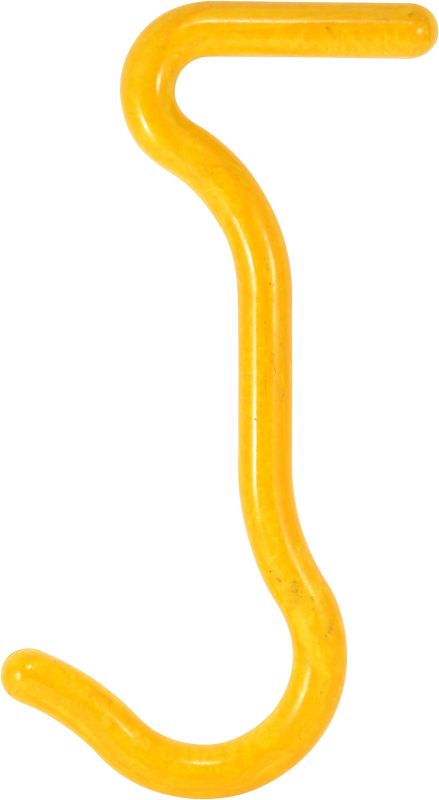
Low Voltage Rescue Hook - Insulated, High Visibility Yellow
Miscellaneous
$108.86
Secure checkout
VISA
Mastercard
Apple Pay
Google Pay
Also accepted
AMEX
Afterpay
Zip
Klarna
PayPal
In stock
Only 1000 left
SKU
400543
An insulated rescue hook in high-visibility yellow, part of low voltage rescue equipment, used to move a casualty or a cable clear of a live low-voltage hazard where the supply cannot be isolated immediately. The colour is deliberate - it has to be identified instantly on a wall or in a cabinet, by someone who is not thinking clearly.
Features
- Insulated construction for low voltage rescue
- High-visibility yellow finish, found fast under pressure
- Hooked end for moving a cable or drawing a casualty clear
- Wall or cabinet mounted alongside other rescue equipment
Specifications
- Type: Low voltage rescue hook
- Finish: High-visibility yellow
- Construction: Insulated
- Use: Low voltage rescue only
Where a hook fits in a low voltage rescue
It is not the first step, and treating it as one gets rescuers killed. The sequence is: recognise the electrical danger and do not touch the casualty, the cable, the equipment or any conductive surface near them. Isolate the supply - the emergency stop, the switchboard, the isolator - because a de-energised circuit removes the hazard entirely and nothing else does. Call emergency services and start your site's response. Only where isolation cannot be achieved immediately, and where you are trained and authorised and the equipment is rated for it, does a hook come into it. Two limits worth stating plainly: a yellow handle and the word insulated do not by themselves establish a voltage rating, so use it only where the product markings, manufacturer documentation and your site procedure confirm it is suitable, and inspect it before use. And this is low voltage equipment only - high voltage can arc across an air gap, and no hook makes it safe to approach. Once the person is clear and confirmed disconnected, assess and treat, and get them medically assessed even if the injury looks minor.
Common uses
Switchrooms and electrical cabinets, construction and industrial sites, workshops, utilities and facilities maintenance, mounted with the rescue kit and rescue signage. Browse related fire and safety equipment, or see the wider first aid supplies range at MediBC.
Low Voltage Rescue FAQs
What is a low voltage rescue hook used for?
Moving a casualty or a cable clear of a live low-voltage hazard where the supply cannot be isolated immediately, by someone trained and authorised to do so under their site rescue procedure.
Should you use a rescue hook before switching off the power?
No. Isolating the supply is always the priority, because it removes the hazard rather than working around it. A hook is for when isolation cannot be achieved immediately.
Can it be used on high voltage?
No. This is low voltage equipment. High voltage can arc across an air gap without contact, so keep well clear, evacuate the area and contact emergency services and the network operator.
Does yellow and insulated mean it is rated for any voltage?
No. Colour and the word insulated do not establish a rating. Use it only where the markings on the product, the manufacturer documentation and your site procedure confirm suitability, and inspect it before use.
What happens after the casualty is clear?
Confirm they are disconnected from the source, then assess responsiveness and breathing and begin resuscitation if needed. Anyone who has taken an electric shock needs medical assessment even if they look unharmed.