


Pocket Mask CPR in Hard Case - Rescue Breathing Barrier
Oxygen & Resuscitation Equipment
$47.75
Secure checkout
VISA
Mastercard
Apple Pay
Google Pay
Also accepted
AMEX
Afterpay
Zip
Klarna
PayPal
In stock
Only 1000 left
SKU
9951
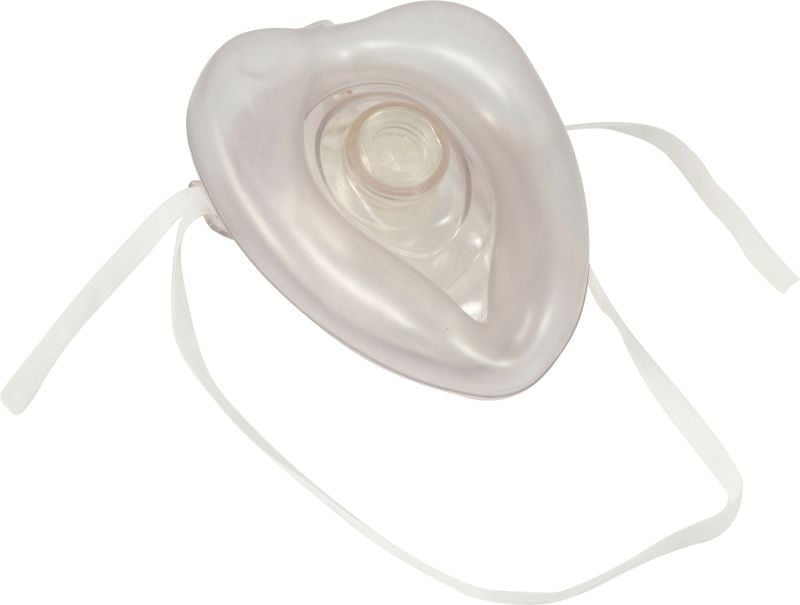
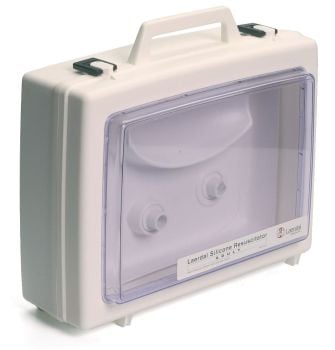
A CPR pocket mask supplied in a rigid protective case. It creates a barrier between rescuer and patient during rescue breathing, with a one-way valve so that air travels to the patient and expired air and fluids do not return to the rescuer. The hard case keeps it clean and intact at the bottom of a kit, which is where it will spend almost all of its life. For a flat, single-use alternative, see the AEROSHIELD disposable CPR face shield.
Features
- Barrier for mouth-to-mask rescue breathing
- One-way valve directing airflow to the patient
- Transparent dome so the rescuer can see the mouth and any fluids
- Supplied in a hard protective case
- Compact enough for a kit, glovebox or response bag
Specifications
- Type: CPR pocket mask with one-way valve
- Supplied: In a hard protective case
- Use: Rescue breathing during resuscitation
Why a pocket mask rather than mouth to mouth
Two reasons, and the second is the one that changes outcomes. The obvious benefit is the barrier: a one-way valve means the rescuer is not in direct contact with the patient's mouth or expired air, which removes the hesitation that stops some people starting at all. The less obvious one is technique. A mask held with two hands lets a rescuer maintain a proper seal and a head-tilt chin-lift at the same time, which is genuinely difficult mouth-to-mouth, and a better seal means the breath actually reaches the lungs rather than escaping around the face. Keep it where CPR would happen rather than in a cupboard, check the valve and the seal periodically, and replace it after any use. Most importantly, the mask supports training rather than replacing it - current resuscitation guidance prioritises early, continuous chest compressions and early defibrillation, so follow the protocol you were taught.
Common uses
Workplace and site first aid kits, vehicles, sports clubs, gyms, schools, aged care and community response bags. Keep it beside an AED and mark the location with an AED sign, or browse more resuscitation equipment at MediBC.
Pocket Mask FAQs
What is a CPR pocket mask used for?
Giving rescue breaths with a barrier between rescuer and patient. A one-way valve sends air to the patient while stopping expired air and fluids returning to the rescuer.
Does a pocket mask improve technique?
Yes. Holding a mask with two hands lets you maintain a seal and a head-tilt chin-lift together, which is hard to do mouth-to-mouth. A better seal means more of the breath reaches the lungs.
Is it reusable?
Replace it after any use. Between times, check the valve and the mask seal periodically and replace anything cracked, perished or missing from the case.
Where should it be kept?
Where CPR would actually happen - with the first aid kit, beside the AED, or in the vehicle. A mask in a locked cupboard is a mask nobody will retrieve in time.
Does it replace CPR training?
No. Current guidance prioritises early, continuous chest compressions and early defibrillation. The mask supports the breathing element of whatever protocol you have been trained in.
Frequently bought together
You may also need