AU
AU  EU
EU  NZ
NZ  UK
UK  US
US 



How to use a defibrillator (AED): step-by-step and how it works

Reviewed by the MediBC First Aid Team — June 2026. Aligned with Australian Resuscitation Council (ANZCOR) guidance.
Most of us know roughly what a defibrillator is, but far fewer would know how to use one when seconds count. The good news: a modern AED is built so that anyone can use it, with or without first aid training. This MediBC guide explains what a defibrillator is, how it works, when to use it, and the exact steps to follow in an emergency in Australia.
What is a defibrillator?
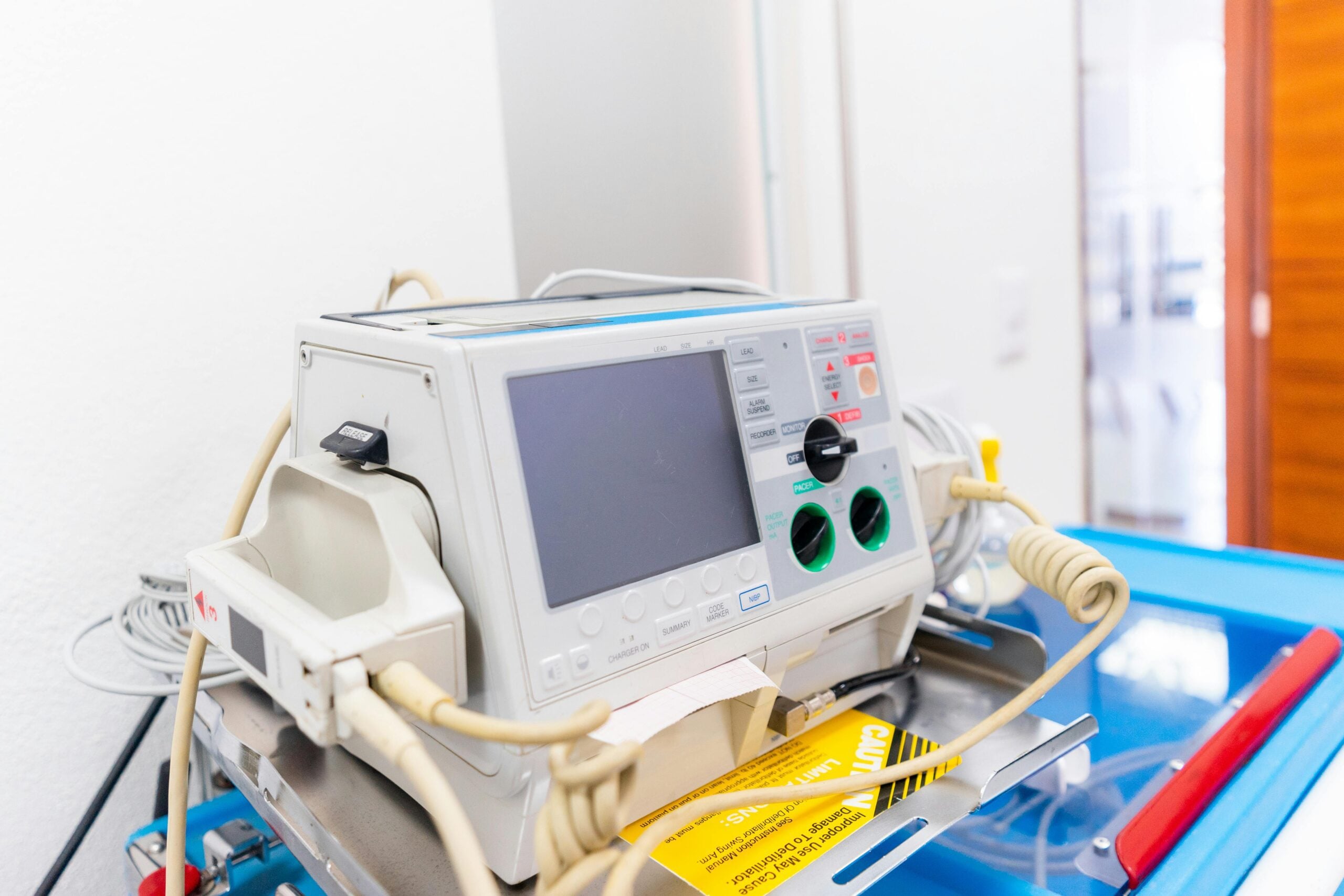
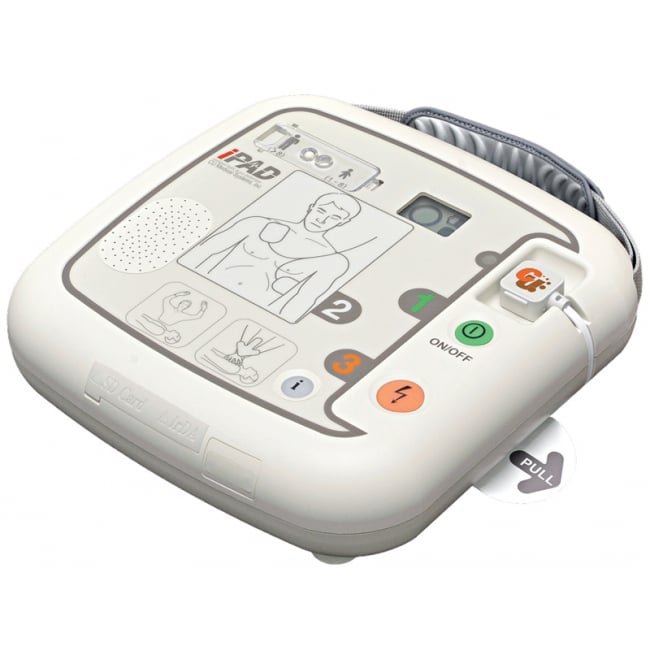
A defibrillator is a device that uses a controlled electric shock to reset the heart's rhythm during a cardiac arrest. The type found in workplaces, gyms, shopping centres and public spaces is an AED — an automated external defibrillator. It reads the heart's rhythm automatically and will only allow a shock if the rhythm is one that a shock can correct.
Cardiac arrest happens when the heart's electrical system malfunctions and it suddenly stops pumping. Early CPR plus early defibrillation give the person the best possible chance of survival — every minute without them lowers the odds.
What does a defibrillator do?
A defibrillator delivers a measured electric current across the heart to stop a chaotic, ineffective rhythm (such as ventricular fibrillation) so the heart's natural pacemaker can re-establish a normal beat. It does not "jump-start" a heart with no electrical activity — it corrects a shockable rhythm, which is why it is paired with CPR.
How does a defibrillator work?
An AED analyses the heart through adhesive pads placed on the chest. If it detects a shockable rhythm, it charges and either prompts you to press a button (semi-automatic) or delivers the shock itself (fully automatic). The shock briefly stops all electrical activity so the heart can restart in a coordinated rhythm. Between shocks the AED prompts you to continue CPR.
When should you use a defibrillator?
Use an AED as soon as possible on an adult or child who:
- has suddenly collapsed
- is unresponsive
- is not breathing normally
Send someone to call triple zero (000) and start CPR immediately. Apply the AED the moment it arrives — do not wait for the ambulance. If you are alone, call 000 first (put it on speaker), then begin.
How do you use a defibrillator? Step by step
Using an AED does not require experience — the machine talks you through every step. Here is the sequence:
- Send someone to call triple zero (000) for an ambulance immediately, and to find the nearest AED.
- Turn the AED on and follow the voice prompts.
- Remove or cut away clothing from the chest. Dry a wet chest and quickly shave very hairy areas — a razor and shears are in the kit.
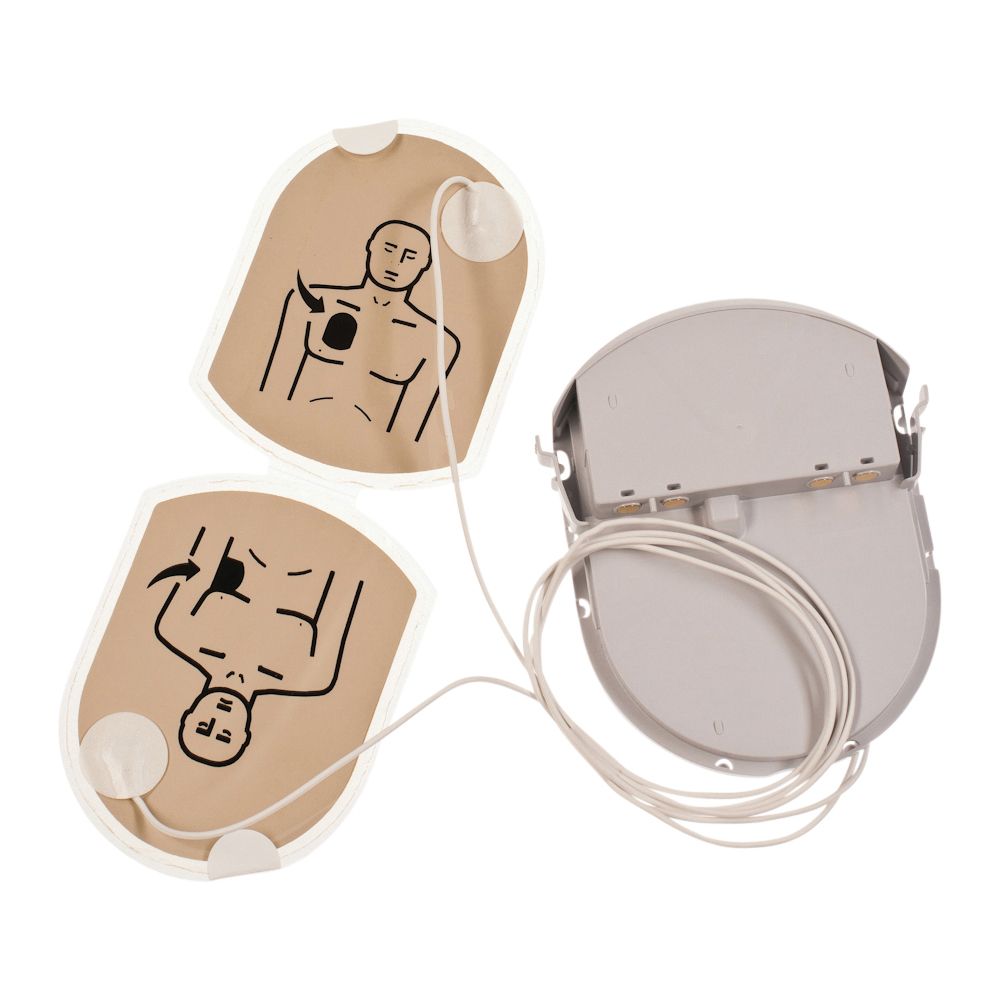
- Take out the adhesive pads and attach them to the bare chest exactly as shown on the pads or screen.
- Make sure no one is touching the person while the AED analyses the heart rhythm.
- If a shock is advised, the AED will tell everyone to stand clear.
- Check no one is in contact, then press the flashing shock button (fully automatic units shock on their own).
- The AED confirms the shock has been delivered.
- Immediately start or resume CPR — push hard and fast in the centre of the chest — following the prompts.
- Leave the pads on and keep following the prompts; further shocks may be advised until help arrives.
Where do you place defibrillator pads?
For an adult, place one pad on the upper-right chest, just below the collarbone, and the other on the left side of the chest, below the armpit. The pads themselves are printed with a diagram — follow it.
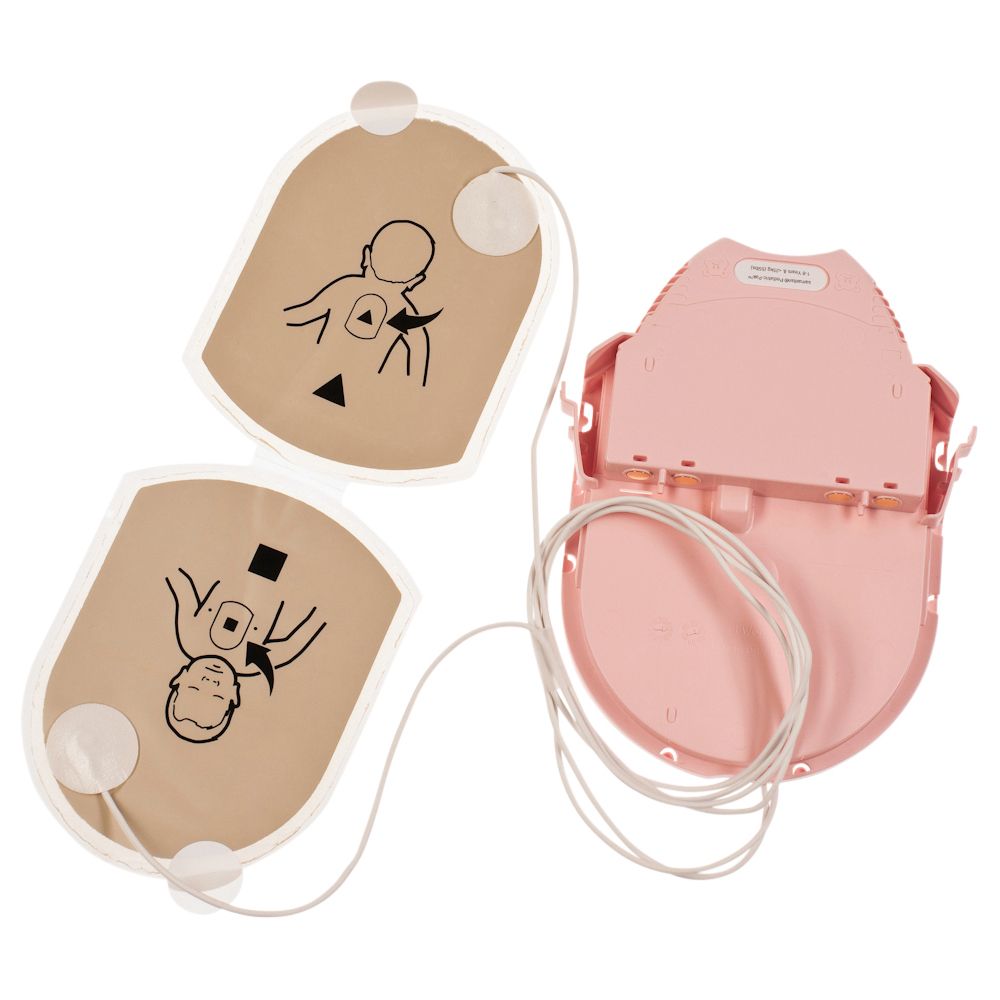
- Infants and children under about 8 years (or under 25 kg): use paediatric pads if available. If only adult pads are present, use them — one on the centre of the chest and one on the centre of the back (front-and-back placement) so the pads do not touch.
- Pacemaker or implanted device: place the pad a few centimetres clear of the visible lump or scar.
- Medication patches or jewellery: remove patches and wipe the area; move pads clear of necklaces or piercings.
Who is at higher risk of cardiac arrest?
Cardiac arrest can strike without warning, but risk is higher for people who have coronary heart disease, heart rhythm abnormalities, diseased heart valves, high blood pressure, or a family or personal history of heart disease. Smoking, inactivity, obesity and substance misuse all add to the risk, which also rises with age. If you think you are at risk, see your doctor — early assessment and lifestyle changes lower it.
What else should you know about defibrillators?
- An AED will only deliver a shock if the heart rhythm needs one — you cannot harm someone by attaching it to a person who does not need a shock.
- The person giving the shock will not be shocked themselves, provided no one is touching the patient when the button is pressed.
- You can use an AED on someone with a pacemaker — just keep the pad clear of the device.
- AEDs are designed for untrained bystanders. Doing something is far better than doing nothing.
How can you find a defibrillator near you?
Public-access defibrillators are signposted in workplaces, shopping centres, gyms, sporting clubs, transport hubs and hospitals. Get into the habit of noting where they are in the places you visit. You can also locate the nearest registered AED through the free Resuscitate app from St John Ambulance Australia. To learn the laws on where workplaces must provide one, see our guide to workplace defibrillator requirements in Australia.
Buying or stocking a defibrillator
If this guide has prompted you to put an AED in your workplace, club or home, compare models, pads and accessories in our buying guide rather than guessing. As an Australian supplier of first aid kits and medical equipment, MediBC stocks AEDs designed for untrained users alongside replacement pads, batteries and first aid supplies.
Compare AEDs & defibrillators → Shop all defibrillators Pads & batteries
It also pairs with the first aid basics: learn the DRSABCD action plan and the chain of survival so the whole response — call, CPR, defibrillate — works together.
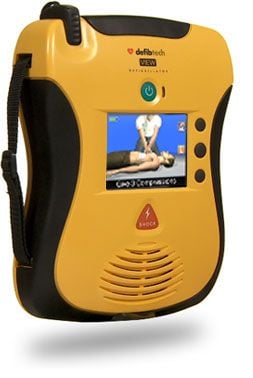
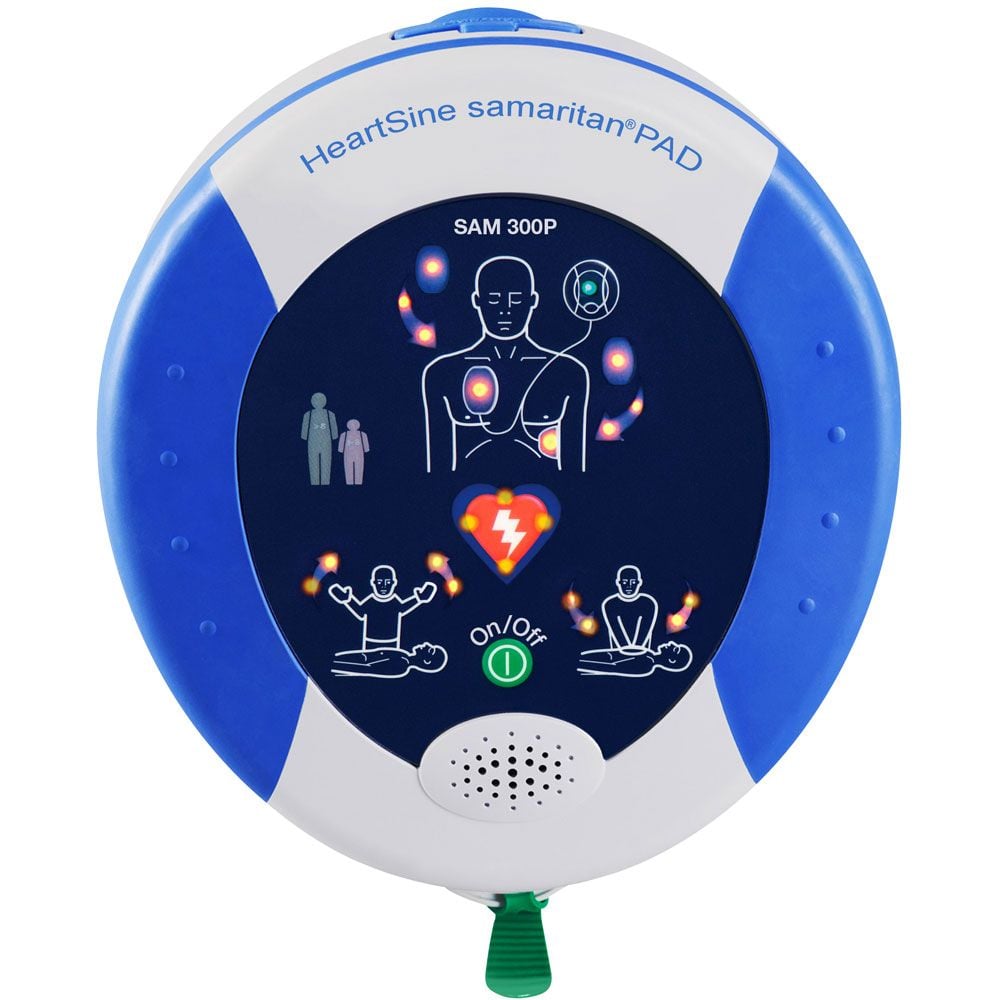
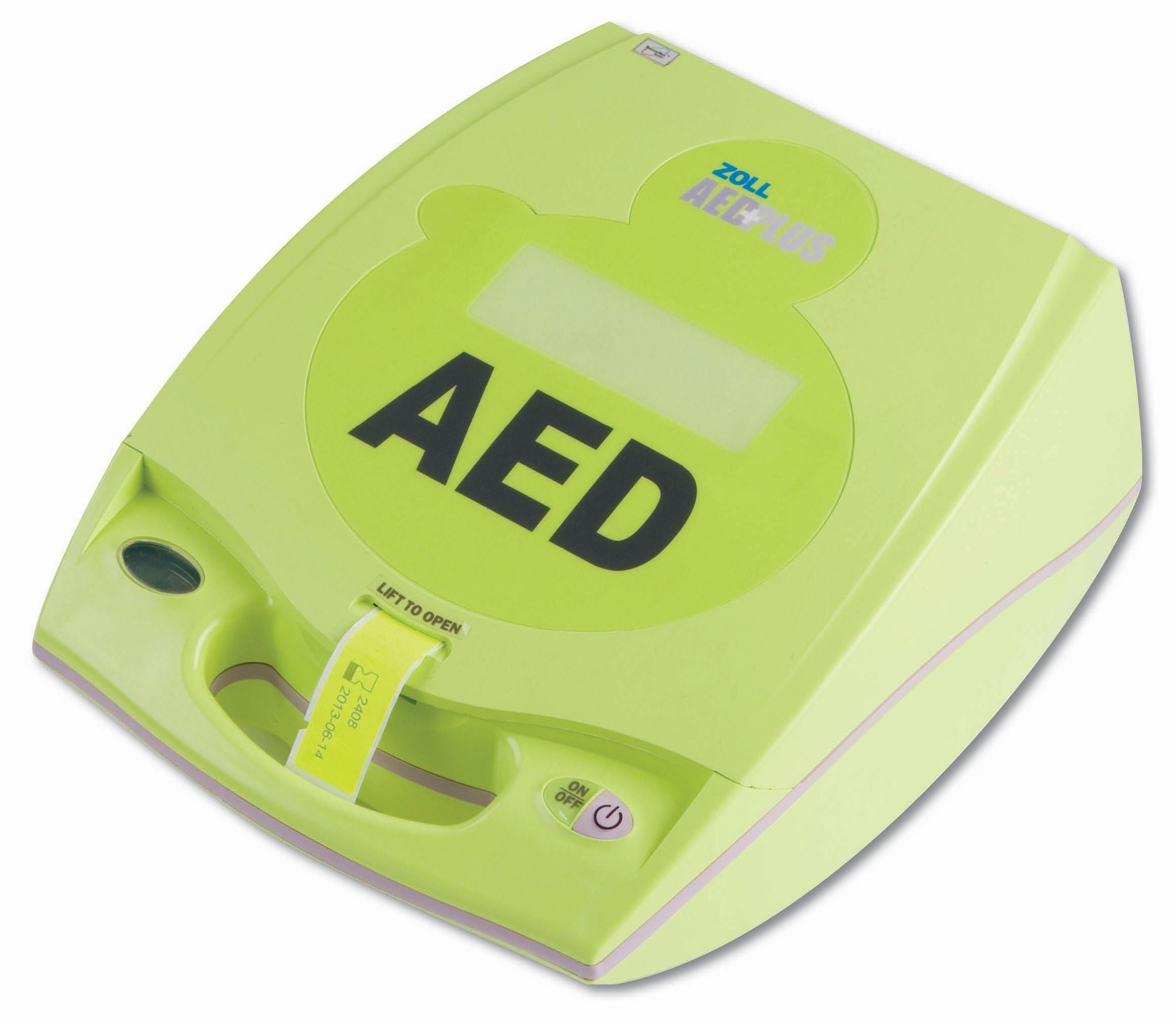
Defibrillators (AEDs) & Replacement Pads
Easy-to-use AEDs and replacement pads for workplaces, sports clubs, and public spaces.
Frequently asked questions
How do you use a defibrillator?
Turn the AED on and follow the spoken prompts. Send someone to call 000, bare and dry the chest, attach the pads as pictured, and stand clear while it analyses. If a shock is advised, make sure no one is touching the person and press the flashing button, then start CPR. The AED only shocks a heart that needs it.
Where do you place defibrillator pads?
On an adult, one pad goes on the upper-right chest below the collarbone and the other on the left side below the armpit, following the diagram on the pads. For infants and children under about 8 years, use paediatric pads, or place adult pads front-and-back so they do not touch.
How does a defibrillator work?
It reads the heart rhythm through chest pads and, if the rhythm is shockable, delivers a controlled electric current that briefly stops all activity so the heart can restart in a coordinated beat. Between shocks it prompts you to continue CPR.
When should you use a defibrillator?
Use an AED as soon as possible on anyone who has collapsed, is unresponsive and is not breathing normally. Call 000 and start CPR straight away, and apply the AED the moment it is available.
Can you hurt someone by using an AED?
No. An AED analyses the heart and will only allow a shock if the rhythm needs one, so you cannot shock a person who does not need it. Doing nothing is the greater risk.
Sources
Australian Resuscitation Council (ANZCOR) Guideline 9.2.1 — Automated External Defibrillation; Heart Foundation Australia; St John Ambulance Australia. Information is general first aid guidance, not a substitute for accredited training or medical advice.