


Written by the MediBC First Aid Team · Checked against healthdirect Australia concussion guidance and the Australian Sports Commission concussion position statement · Updated October 2026.
If someone is confused or unconscious after a knock to the head, call 000. Handle the head and neck gently. If they are unresponsive but breathing normally, ANZCOR advises the recovery position, as the airway comes first; if they are not breathing normally, start CPR. This page is general first aid information, not a substitute for medical assessment.
Concussion is a brain injury caused by a knock or blow to the head, face or neck, or a sudden jolt that shakes the brain inside the skull. It is common in contact sport, falls and car accidents, and it can happen without any loss of consciousness. Most adults recover within about 2 weeks, but concussion is now taken far more seriously than it once was, because a second injury before the first has healed can be dangerous. Knowing the concussion symptoms means you can recognise it early, keep the person safe and get them assessed.
Quick answer: concussion symptoms
Watch for confusion, memory problems, balance problems, headache or pressure in the head, nausea or vomiting, dizziness, blurred vision, difficulty concentrating and sensitivity to light or noise. Anyone with suspected concussion should stop the activity, be watched by another adult and see a doctor. Call 000 for loss of consciousness, seizures, vomiting, a worsening headache, weakness or tingling in the limbs, neck pain, or if they become more drowsy or agitated.
Common concussion symptoms
healthdirect Australia lists these as the most obvious concussion symptoms:
- confusion
- memory problems, such as not remembering the event
- seizures or jerky movements
- balance problems or being unsteady on their feet
More subtle signs include a headache or pressure in the head, neck pain, nausea or vomiting, dizziness, blurred vision, difficulty concentrating and sensitivity to noise or light. Concussion does not usually cause unconsciousness, so a person who never blacked out can still be concussed. Concussion symptoms can also appear or worsen over the hours after the injury, which is why the person should not be left alone.
Red flag concussion symptoms: call 000
Go to the nearest emergency department or call 000 if, after a head knock, the person has any of the following:
- loss of consciousness, or becoming less awake and aware
- seizures
- neck pain or tenderness
- double vision
- weakness or tingling in the arms or legs
- vomiting or a bad headache
- increasing restlessness, agitation or aggression
- a change in the shape of the skull
If they are unresponsive but breathing normally, place them in the recovery position, handling the head and neck gently, and follow DRSABCD until help arrives. If they are not breathing normally, call 000, start CPR and use an AED if one is available.
What to do if you suspect concussion
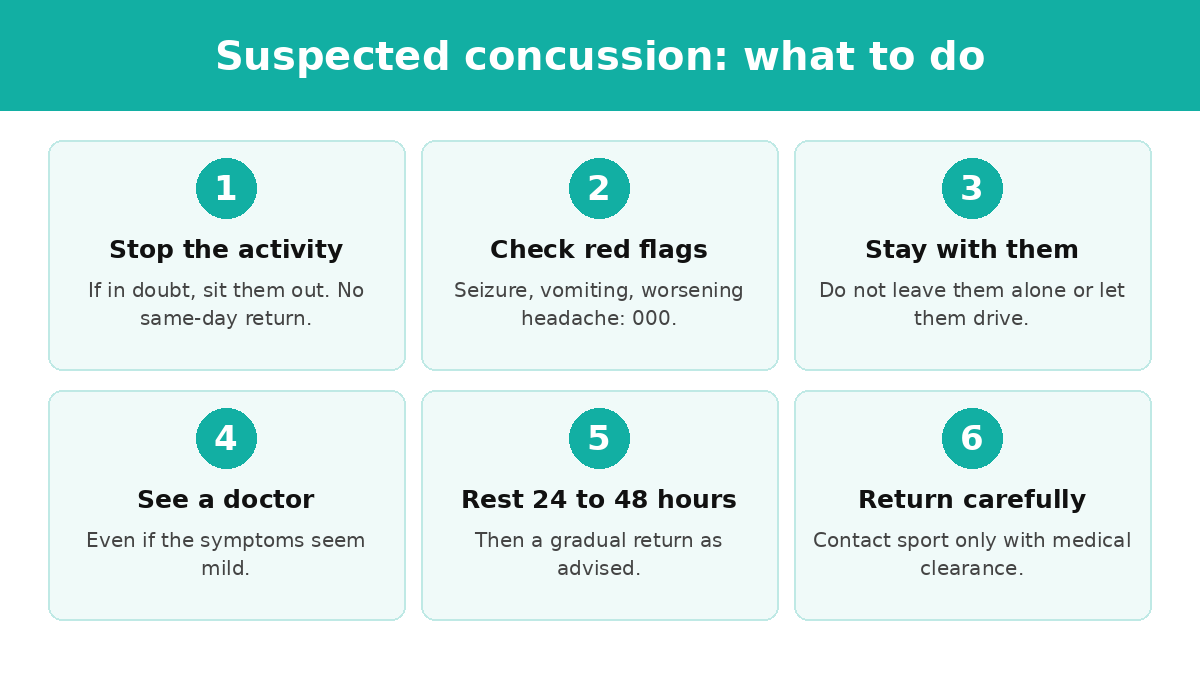
- Stop the activity. The Australian Sports Commission message is simple: if in doubt, sit them out. There is no same-day return to play.
- Check for red flags and call 000 if any are present.
- Do not leave them alone. Someone should stay with them, and they should not drive.
- See a doctor for assessment, even if the symptoms seem mild. If footage of the incident already exists, show it to the doctor.
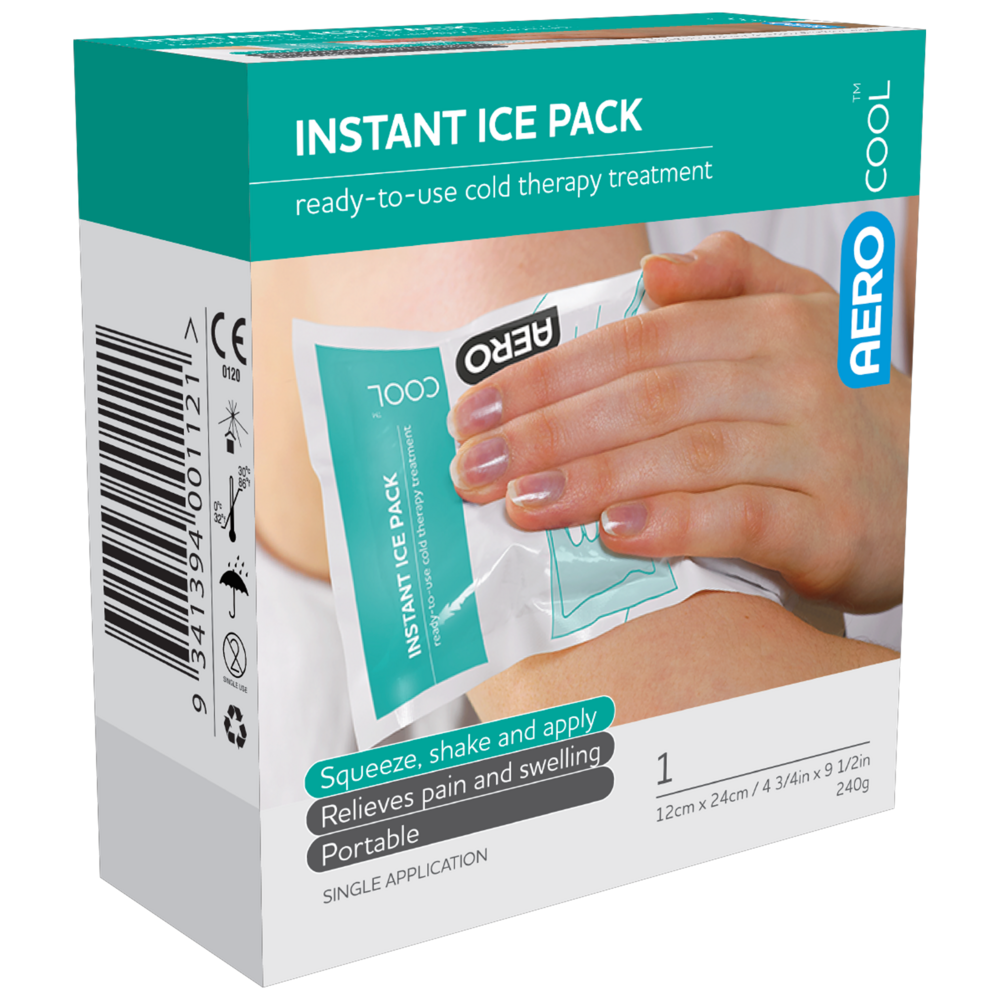
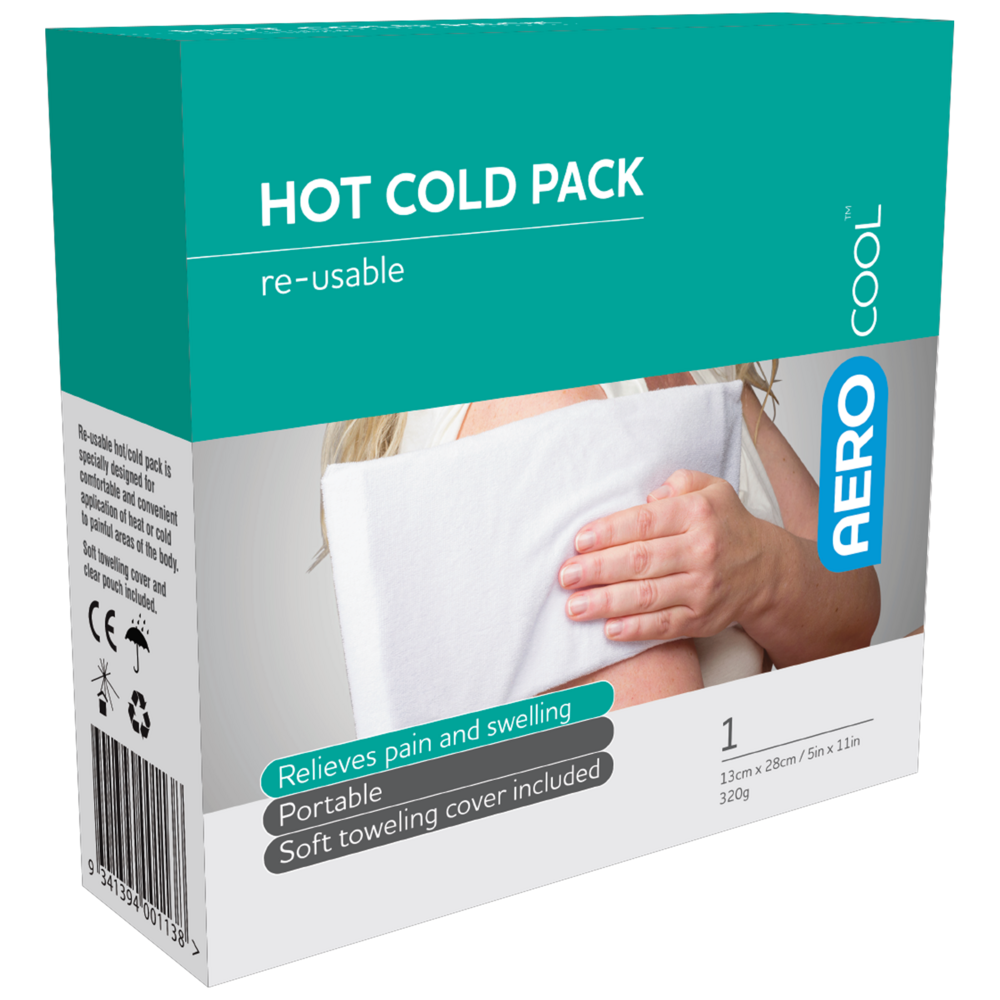
- Treat bumps and bruises. A cold pack wrapped in a cloth can ease swelling over a bump, but it does not treat the concussion itself.
- Rest, then return gradually under medical advice.
Concussion recovery: the first days and weeks
healthdirect advises resting for the first 24 to 48 hours to give the brain a chance to heal. During recovery:
- do not drive, operate machinery or drink alcohol until your doctor says it is safe
- limit screen time
- take time off work or study if needed
- do gentle exercise, like walking, as advised
Your doctor may suggest avoiding aspirin, anti-inflammatory medicines such as ibuprofen, sleeping pills and sedating pain relief. Most adults feel better within about 2 weeks, although recovery varies, and children usually take longer. Some people develop persistent post-concussion symptoms that last weeks or months, so see your doctor if symptoms get worse or do not settle.
How long do concussion symptoms last?
For most adults, concussion symptoms settle within about 2 weeks. Children and teenagers usually take longer. Symptoms that continue for weeks or months are called persistent post-concussive symptoms and need ongoing medical care. A second concussion before the first has healed can cause a rare but life-threatening condition called second impact syndrome, which is why a careful, graded return matters.
Concussion in children and teenagers
Children and teenagers usually take longer to recover from concussion than adults, and they may find it harder to describe how they feel. Watch them closely for the symptoms above, and for anything that seems unusual for them. Any child with a suspected concussion should see a doctor, and the doctor will advise when they can return to school and when they can start exercising again. For young athletes, the Australian rules for under 19s are deliberately more conservative than for adults, so check with the club and the doctor before any return to training.
Returning to sport after concussion
| Group | Guidance |
|---|---|
| Adults | healthdirect advises resuming contact sport only 14 days after all symptoms have gone, with your doctor's clearance. |
| Under 19s | The Australian Sports Commission position statement (2024) recommends at least 14 days symptom-free at rest before contact training, and no return to competitive contact sport before 21 days, within a graded, medically guided return. |
| Everyone | No same-day return, a graded return to activity, and medical clearance before contact sport. |
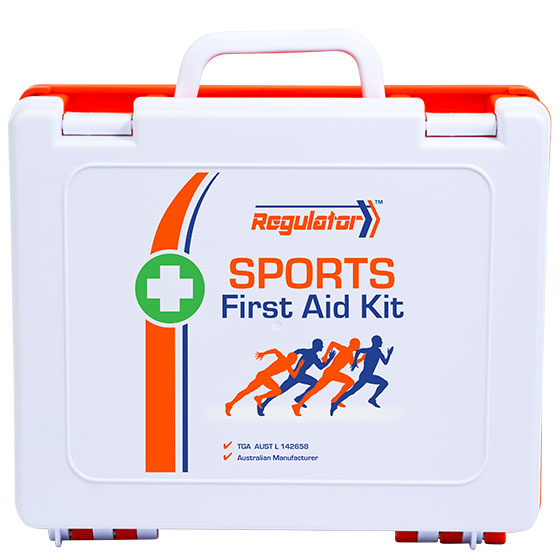
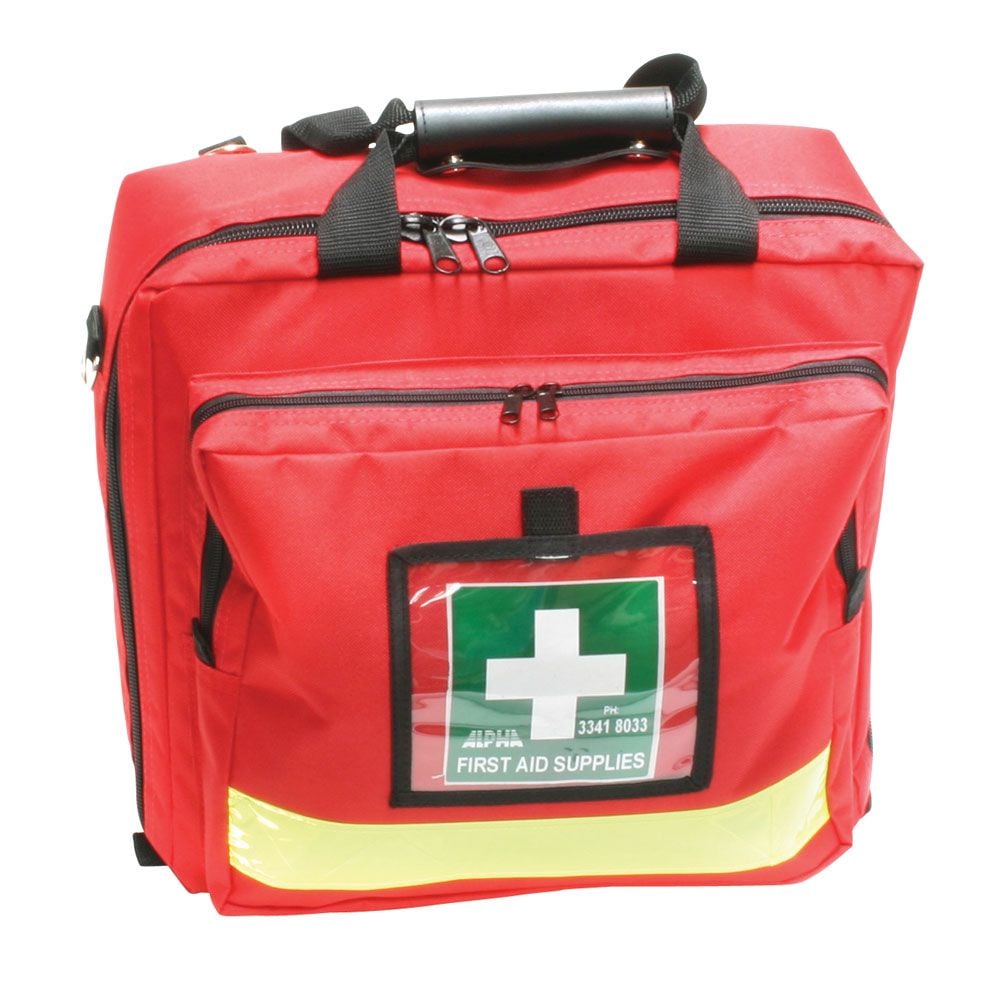
A sports first aid kit for head knocks
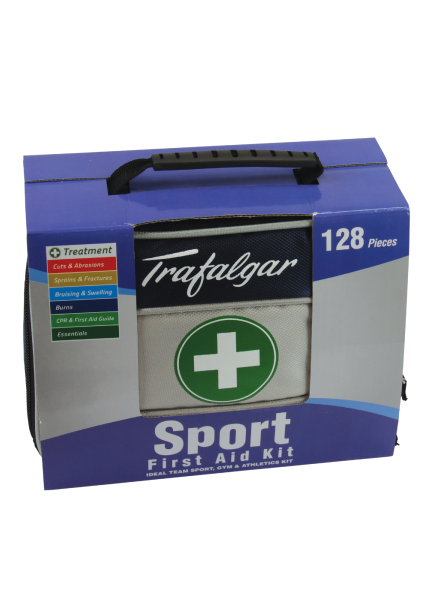
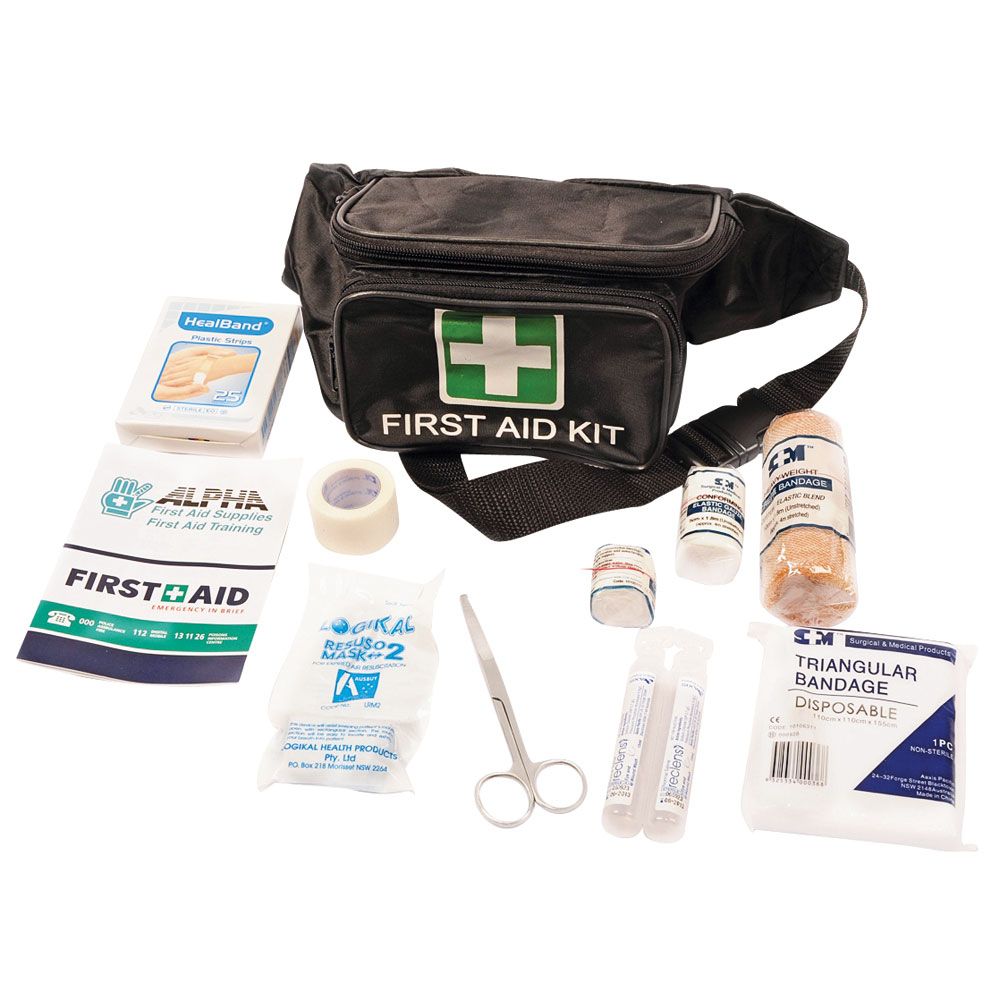
Clubs, schools and coaches need to recognise concussion symptoms quickly and have the basics on the sideline. A sports first aid kit, instant cold packs for bumps and bruises, and a trained first aider make a real difference. See our guides to essential items for your sports first aid kit and how to get rid of bruises.
Sideline first aid essentials
For bumps, bruises and the rest of the match day. Cold packs ease swelling but do not treat concussion.
Concussion FAQs
What are the first signs of concussion?
Confusion, memory problems, unsteadiness, headache or pressure in the head, nausea, dizziness, blurred vision and sensitivity to light or noise. Symptoms can appear or worsen over the hours after the injury.
Can you have concussion without losing consciousness?
Yes. Concussion does not usually cause unconsciousness, so a person who never blacked out can still have concussion and should be assessed.
How long does concussion last?
Most adults recover within about 2 weeks; children usually take longer. See a doctor if symptoms get worse or last longer, as some people have persistent symptoms.
Should you let someone sleep after a head injury?
Sleep is not automatically off limits, but they should not be left alone. Have someone stay with them and check on them as the doctor advises, and call 000 if they are hard to wake, confused, vomiting or have a worsening headache.
How can you tell if someone has concussion?
There is no reliable home or sideline test. Look for the symptoms above after a knock to the head, remove them from the activity, check for red flags, and have them assessed by a doctor rather than trying to diagnose it yourself.
How is concussion treated?
Rest for the first 24 to 48 hours, then a gradual return to normal activities as your doctor advises. Avoid driving, alcohol and contact sport until cleared.
When can I go back to sport after concussion?
Adults should wait until 14 days after all symptoms have gone, with medical clearance. For under 19s the recommendation is at least 14 symptom-free days before contact training and 21 days before competition.
Related first aid guides
Keep reading: the recovery position, the DRSABCD action plan, sports first aid kits and falls prevention and treatment.