


Written by the MediBC First Aid Team · Checked against ANZCOR Guidelines 3 and 4 and St John Ambulance Australia first aid guidance · Updated October 2026.
Call 000 for anyone who is unresponsive. If they are unresponsive and not breathing normally, start CPR on their back and use an AED if one is available. Only roll them onto their side briefly if vomit or fluid is blocking the airway, then clear it. This page is general information and does not replace a first aid course.
The recovery position is a way of lying someone on their side so their airway stays open and any vomit or fluid can drain out of the mouth instead of blocking their breathing. It is an important first aid skill, because an unconscious person lying on their back can have their airway blocked by their own tongue or by vomit. ANZCOR, which sets resuscitation guidelines for Australia and New Zealand, recommends placing an unresponsive person who is breathing normally into a side-lying recovery position rather than leaving them on their back.
Quick answer: the recovery position
Use it for someone who is unresponsive but breathing normally. Kneel beside them, place their far arm out from the body and their near arm across the chest, bend their near knee, and roll them away from you onto their side while supporting the head and neck. Keep the top knee bent on the ground and place their hand under the chin to keep the airway open. Call 000 and keep checking their breathing.
When to use the recovery position
Follow the DRSABCD action plan: check for danger, check for a response, send for help, open the airway and check breathing. Then:
| The person is | What to do |
|---|---|
| Unresponsive and breathing normally | Place them in the recovery position, call 000 and keep monitoring |
| Unresponsive and not breathing normally | Call 000, start CPR (30 compressions to 2 breaths) and use an AED |
| Responsive | Assess the problem and give first aid for it; help them into a comfortable position only if that will not worsen an injury |
ANZCOR also says not to leave an unconscious person sitting in a chair or to put their head between their knees. Help them down to the ground and onto their side instead.
How to put someone in the recovery position (adults and children over 1)
These steps follow the St John Ambulance Australia fact sheet.
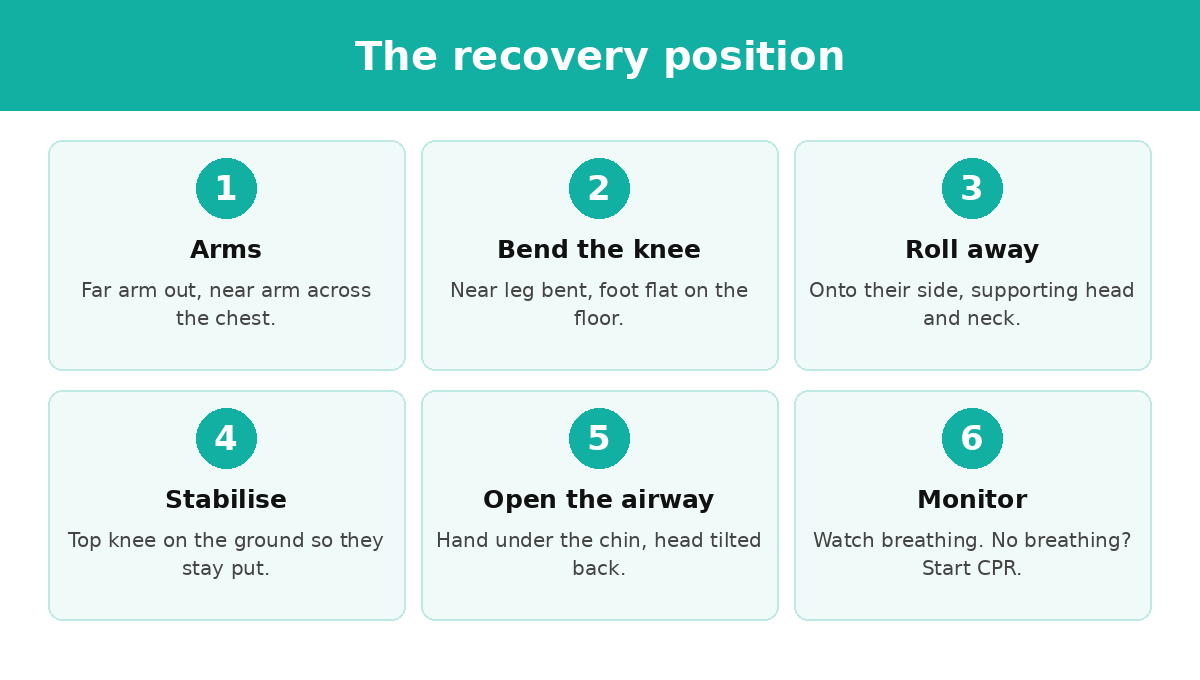
- Position the arms. With the person on their back, kneel beside them. Place their furthest arm directly out from their body, and their nearest arm across their chest.
- Bend the near leg. Lift their nearest leg at the knee and place their foot flat on the floor so the leg is bent.
- Roll them away from you onto their side, carefully supporting their head and neck the whole time.
- Stabilise them. Keep the top leg bent with the knee touching the ground, so they cannot roll onto their face.
- Open the airway. Place their hand under their chin to stop the head tilting forward and to keep the airway open.
- Monitor. Stay with them, continuously watch their breathing and airway, and be ready to roll them onto their back and start CPR if breathing stops or becomes abnormal.
Recovery position for babies under 1
An infant is too small for the adult technique. St John Ambulance Australia advises lying the infant face down along your forearm and supporting their head with your hand. This keeps the airway clear and lets fluid drain. Keep holding and supporting the baby; never leave an infant face down on a surface or unattended. ANZCOR notes that an infant's airway is easily blocked, and that tilting a baby's head too far back can actually narrow it, so keep the head in a neutral position. Call 000 and keep checking the baby's breathing.
Why lying on the side works
When someone is unconscious, the muscles relax and the tongue can fall back against the throat. Lying on the back also means any vomit or blood can run back into the airway. Turning the person onto their side, with the head tilted back and the chin lifted in adults and children (babies keep a neutral head position), keeps the tongue forward and lets fluid drain from the mouth. ANZCOR advises that if the airway becomes blocked by vomit or fluid, the person should be promptly rolled onto their side so visible material can be cleared from the mouth. If they are then not breathing normally, roll them onto their back and start CPR without delay.
Common mistakes to avoid
- Rolling the person towards you instead of away: St John advises rolling them away from you onto their side.
- Leaving an unconscious person sitting up in a chair, or putting their head between their knees, which ANZCOR advises against.
- Forgetting to bend the top knee, which lets them roll onto their face.
- Walking away. Someone needs to stay and keep checking their breathing until help arrives.
What about a suspected spinal injury?
ANZCOR is clear that for an unconscious person who is breathing, care of the airway takes priority over any injury, including a possible spinal injury. Handle them gently and avoid twisting or bending the head and spine, keeping the head, neck and body moving together as you roll them, but do not leave an unconscious person on their back with a compromised airway because you are worried about their neck.
While you wait for the ambulance
- Watch their breathing continuously.
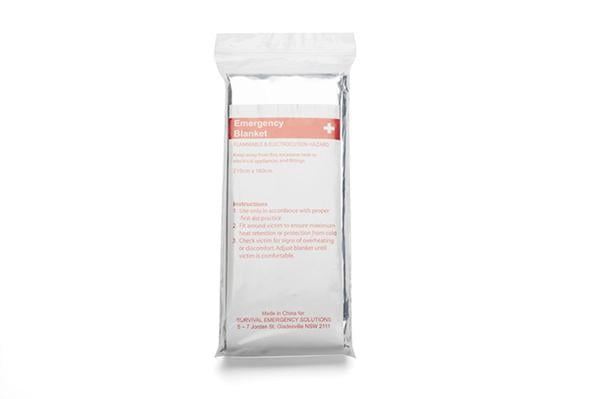
- Keep them warm with a blanket; an emergency blanket helps reduce heat loss outdoors. See our guide to hypothermia.
- Stop any bleeding with firm pressure; see how to stop bleeding quickly.
- Do not give them anything to eat or drink.
- If they stop breathing normally, roll them onto their back and start CPR.
Head knocks are a common reason for someone to be unresponsive; our guide to concussion symptoms explains the warning signs.
Learn it before you need it
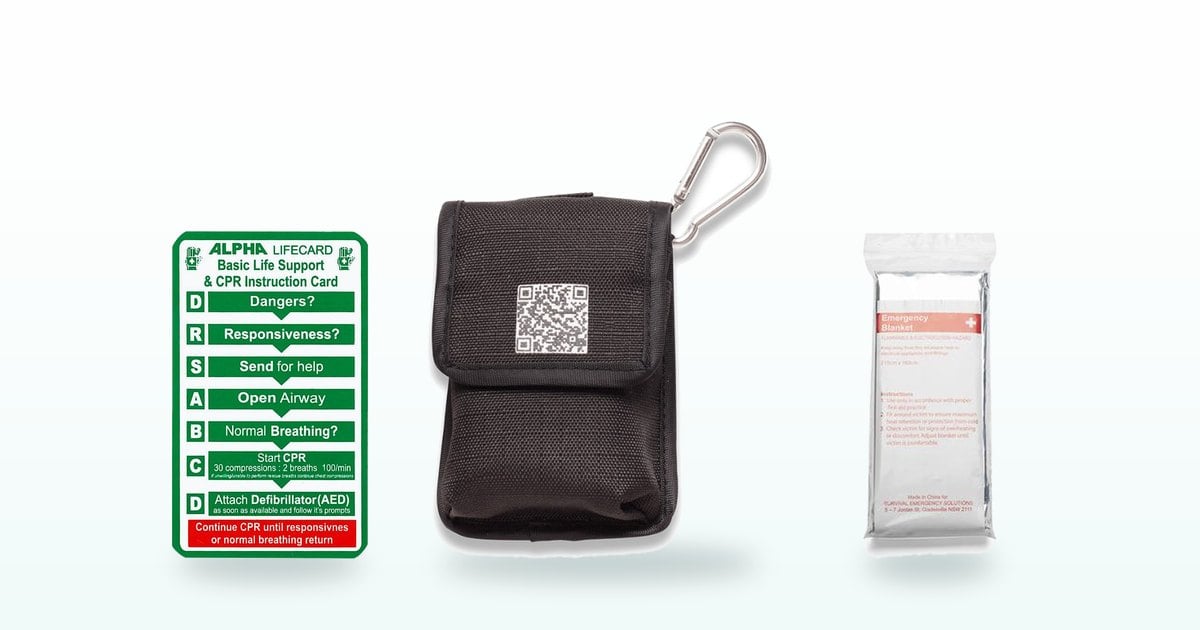
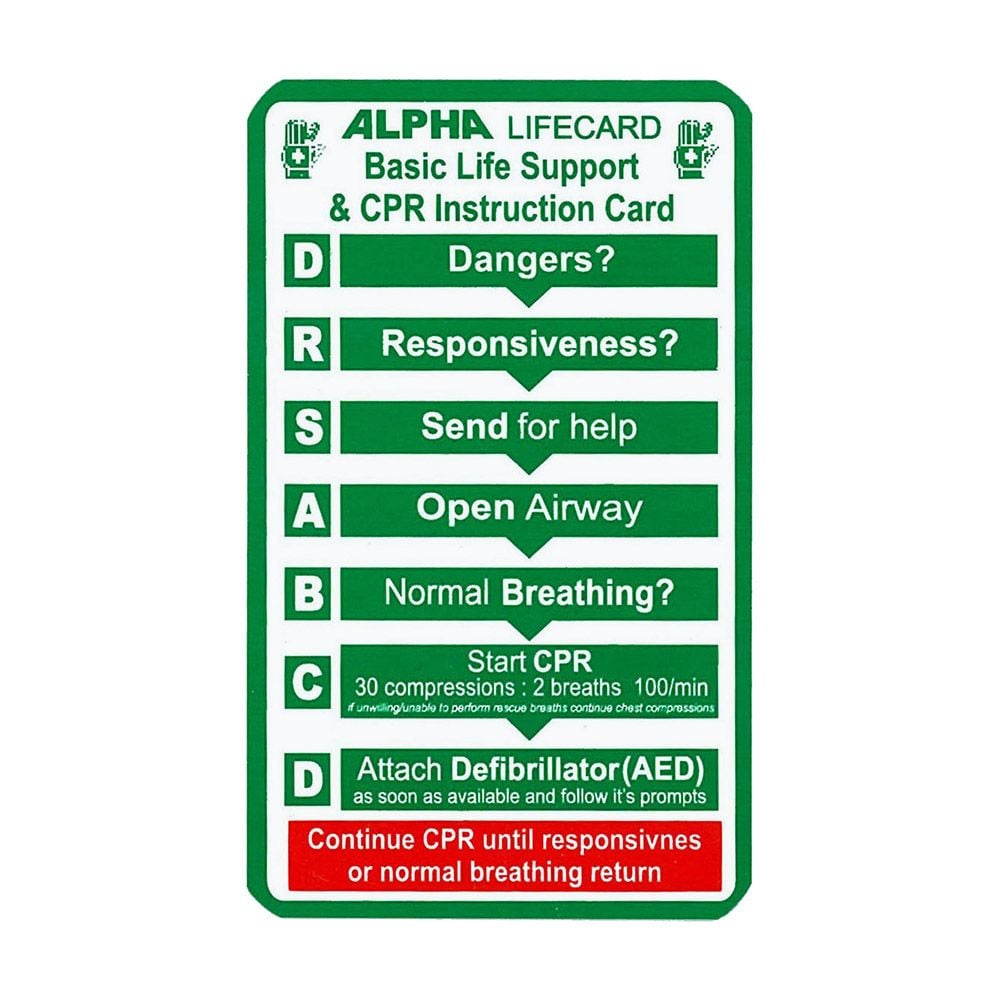
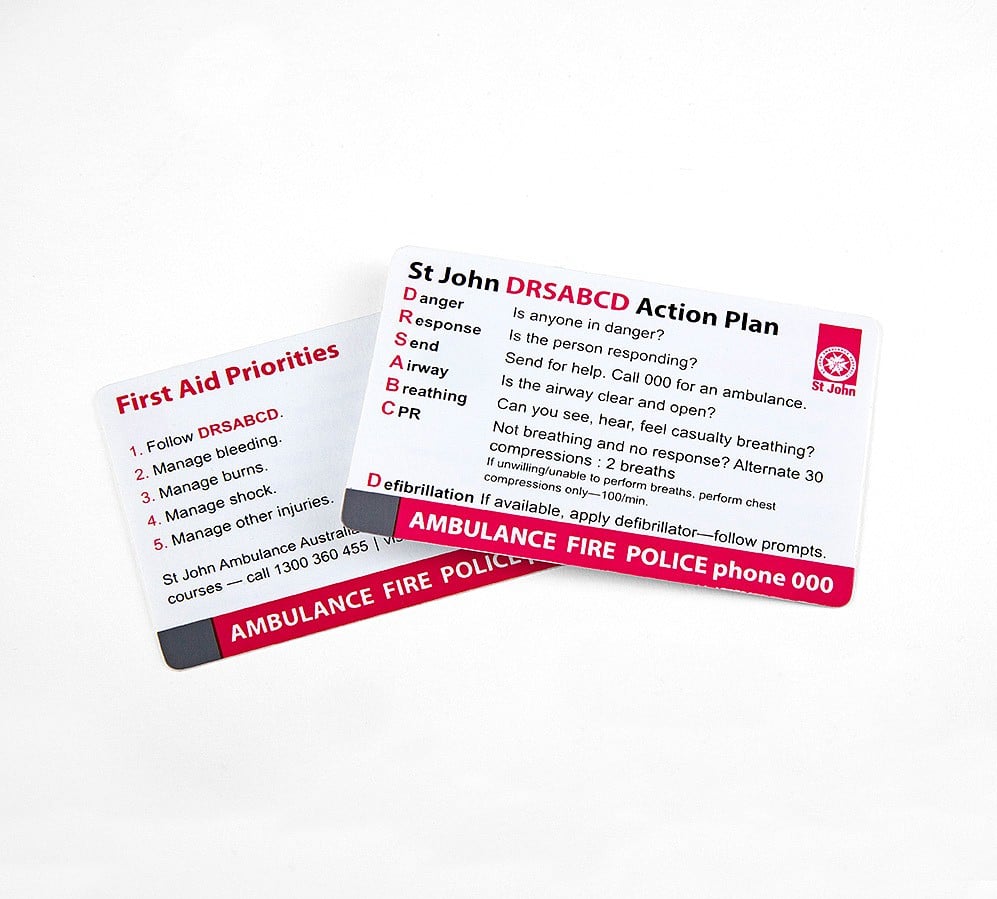
Reading the steps helps, but practising it in a first aid course is what makes it automatic in an emergency. Keeping a wallet card in your purse, car or kit gives you a prompt when adrenaline takes over. Browse our first aid supplies for more.
Be ready to help
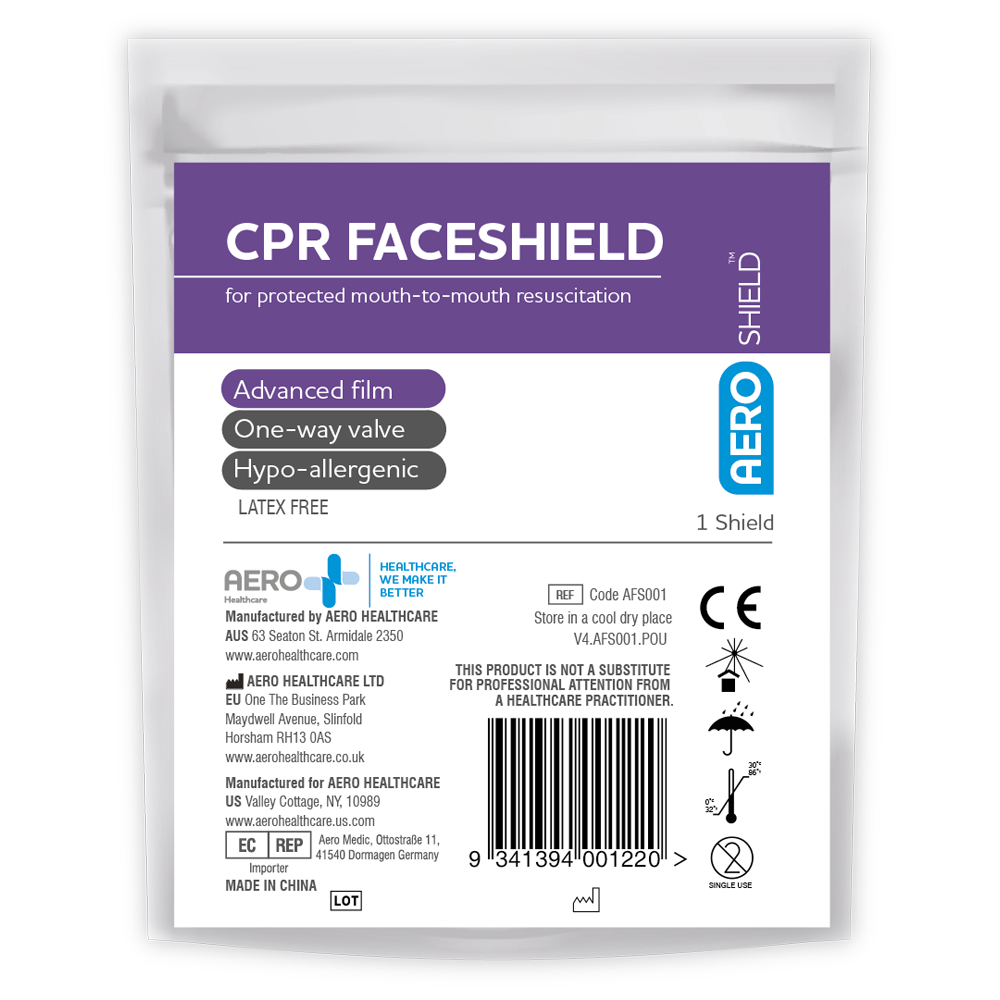
Prompt cards, rescue breathing barriers and an emergency blanket for the minutes before the ambulance arrives.

Recovery Position FAQs
What is the recovery position?
It is a way of lying an unresponsive person who is breathing normally on their side, so their airway stays open and fluid can drain from the mouth.
When should you put someone in the recovery position?
When they are unresponsive but breathing normally. If they are not breathing normally, call 000 and start CPR instead.
How do you put someone in the recovery position?
Kneel beside them, put their far arm out and near arm across the chest, bend the near knee, roll them away from you onto their side while supporting the head, keep the top knee on the ground and place their hand under the chin.
What is its main purpose?
To help keep the airway open and let vomit or fluid drain, reducing the risk of the airway becoming blocked while you wait for help.
Can you put a pregnant woman in the recovery position?
Yes. If she is unresponsive and breathing normally, place her on her side to protect her airway and call 000. Ask your first aid trainer about positioning in later pregnancy.
How do you put a baby in the recovery position?
Lie the baby face down along your forearm and support their head with your hand, keeping the head in a neutral position. Call 000 and keep checking their breathing.
Do you put someone having a seizure in the recovery position?
Not while they are fitting: do not restrain them or put anything in their mouth. Once the seizure has stopped, if they are unresponsive but breathing normally, place them on their side. See our seizure first aid guide for the full steps.
Related first aid guides
Keep reading: the DRSABCD action plan, helping someone having a seizure, CPR and resuscitation equipment and concussion symptoms.