



Quick answer
The chain of survival is the sequence of actions that gives someone in sudden cardiac arrest the best chance of survival. Each link depends on the one before it.
- Early recognition and call 000 — spot cardiac arrest and get help on the way.
- Early CPR — start chest compressions to keep blood flowing.
- Early defibrillation — use an AED as soon as one is available.
- Early advanced care — paramedics and hospital teams take over with advanced life support and post-resuscitation care.
The cardiac Chain of Survival is a series of steps that can improve the chances of survival of someone having a sudden cardiac arrest.
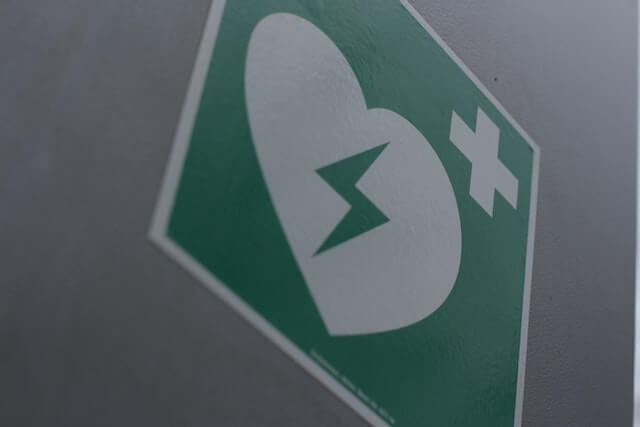
According to Heart Research Australia, 55 people experience cardiac arrest every single day. Unfortunately, if this does not occur in a hospital setting then they only have an 8% chance of survival.
That’s why it’s so important to know what to do to help someone having a cardiac arrest. Read on to understand the Chain of Survival steps and learn more about cardiac arrest.
What is cardiac arrest?
First of all, it helps to understand what cardiac arrest is — it’s when something goes wrong with the heart’s electrical system (arrhythmia) and the heart suddenly stops pumping.
It’s important to know the difference between cardiac arrest and heart attack. A heart attack is when a blockage stops blood flowing to the heart. This is usually because of a blood clot.
Cardiac arrest is caused by an arrhythmia. This is a heartbeat that’s too slow, too fast, or irregular.
People who already have heart problems are more at risk of cardiac arrest. These include:
- Coronary heart disease
- A pre-existing arrhythmia like atrial fibrillation
- A congenital heart defect (one that you’re born with) or other problems to do with the structure of the heart
- Damage to the heart — for example, inflammation caused by an infection
- Heart failure
Signs of cardiac arrest

Signs leading up to and of cardiac arrest include:
- Feeling faint or unsteady
- Chest pain
- Fatigue
- Palpitations
- Difficulty breathing
- Collapse/sudden loss of consciousness
What is the Chain of Survival?
The Chain of Survival refers to four crucial steps you can take to improve the chances of survival of the person experiencing cardiac arrest.
If you know the steps in the Chain of Survival, you will feel more confident and prepared if you ever have to help someone having a cardiac arrest.
Cardiac Chain of Survival steps
These are the four steps in the Chain of Survival:
- Early access to emergency services. You can aid early access to the emergency services by recognising cardiac arrest and dialling triple 0 (000) for help. Take a look at the signs listed above to know how to recognise cardiac arrest. You should also be aware that people without any known heart issues can experience cardiac arrest. If you suspect cardiac arrest, call 000 for help immediately.
- Early CPR (cardiopulmonary resuscitation). You can learn how to do CPR on a first aid course. But even if you have no prior knowledge of it, you can still carry out CPR. Place the heel of your hand in the centre of the patient’s chest. Press down firmly to the tune of “Stayin’ Alive” by the Bee Gees. Keep going until you can use a defibrillator or the emergency services arrive. If you are connected to an emergency call handler, they can talk you through the steps.
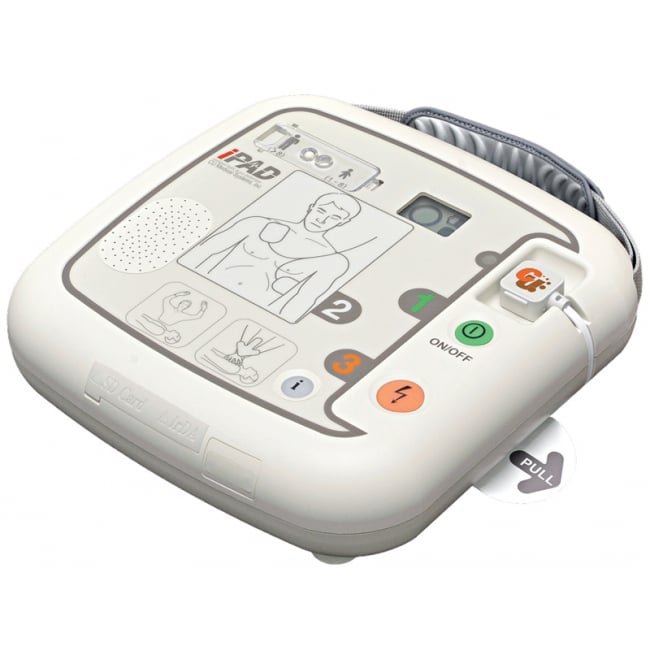
- Early defibrillation. A defibrillator — also known as an automated external defibrillator or AED — gives an electric shock to restore a normal heartbeat. Defibrillators are available in public spaces like shopping malls and workplaces, are easy to use, and have step-by-step instructions to help you. If you’re in a position of responsibility — for example, a manager or a community leader — you should consider keeping a defibrillator at your workplace or shared space. Check out the MediBC range of defibrillators to find one for you.
- Early advanced care. This is about the patient having access to highly trained emergency healthcare workers or paramedics who can offer care before the patient attends the hospital. This care may include medication and using techniques to open up the airways.
To have the maximum chances of survival, a patient needs to receive these four steps as soon as possible after their cardiac arrest.
The difference that could save a life
Knowing these steps and how to apply them means you could make the difference that could save a life.
To know more about first aid for cardiac arrest, you could take a first aid course or watch online training videos.
You should also consider getting a defibrillator for your community or workplace. MediBC offers a wide range of defibrillators, along with other medical supplies and first aid kits, to help you in the event of an emergency.
Check out our full range of health and well-being products to ensure you’re always prepared — from emergencies like cardiac arrest all the way to everyday injuries and illnesses.
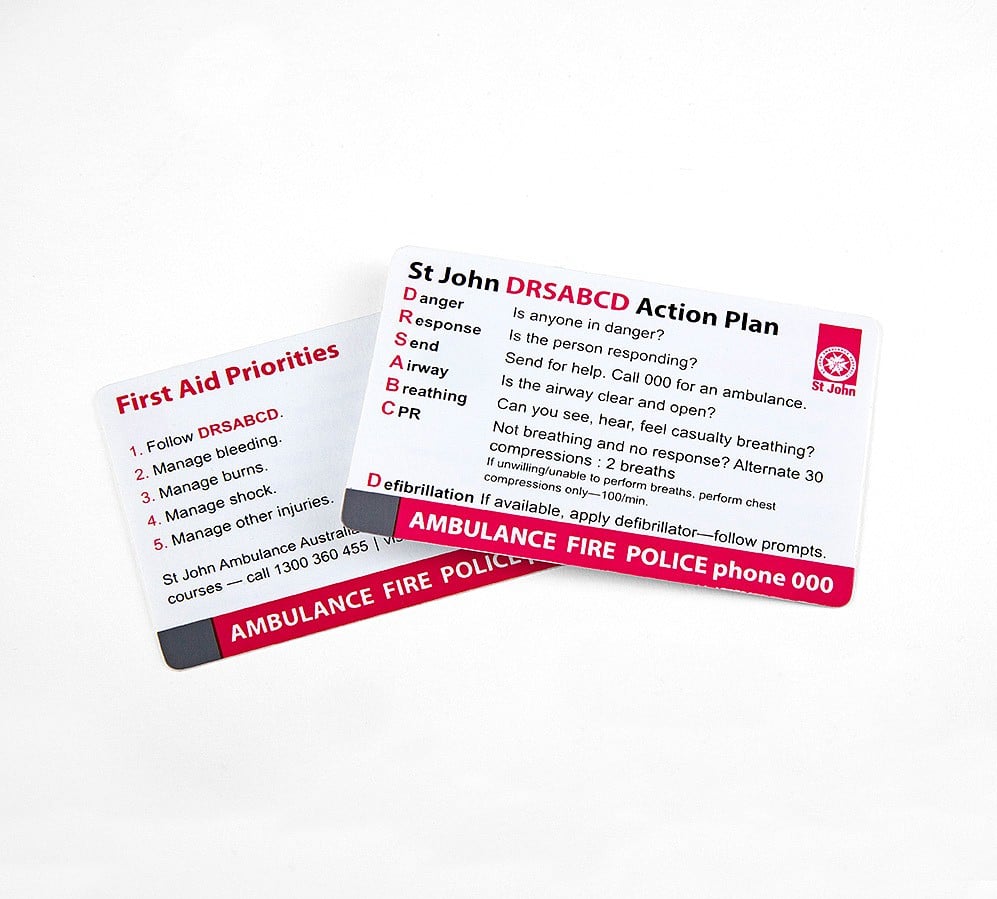
Read next: The chain of survival starts with the DRSABCD action plan — every link in the chain (early CPR, early defibrillation) begins from these seven steps.
Chain of Survival: AED & CPR Essentials
Easy-to-use AEDs and CPR aids that help bystanders save lives within the critical first minutes.
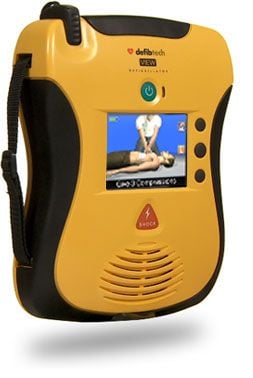
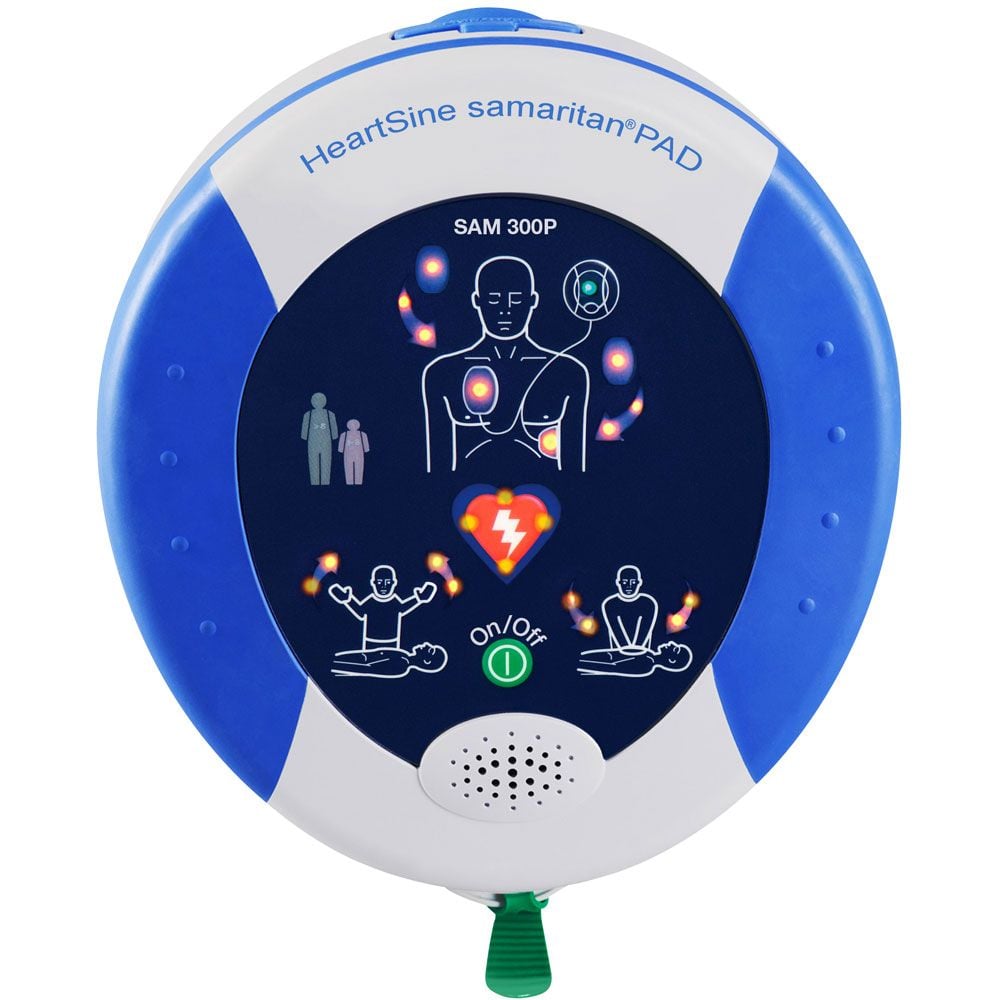
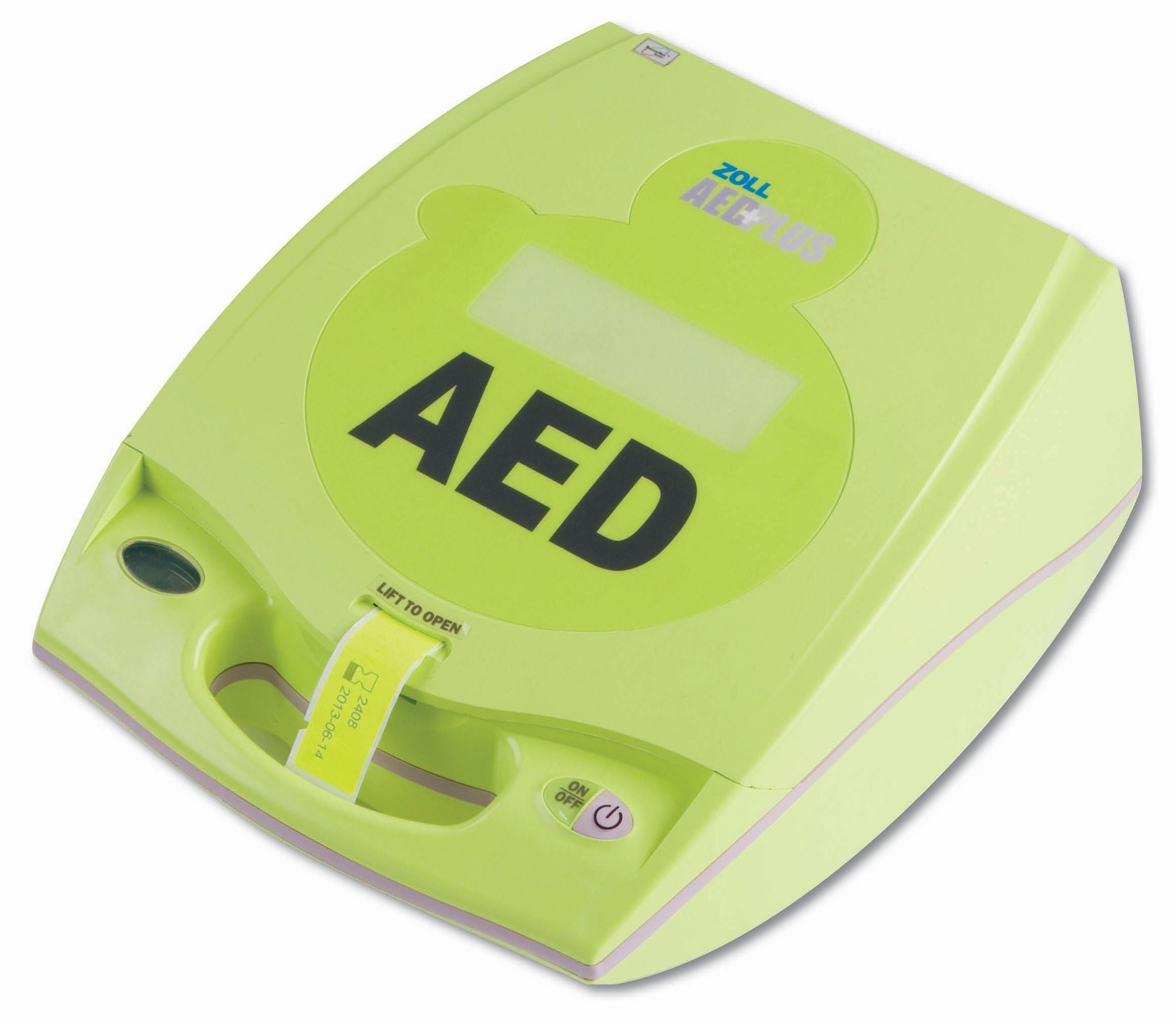
Be ready for a cardiac emergency
Every link in the chain matters. Keep a defibrillator (AED) accessible — early defibrillation is a critical link — and make sure people know the DRSABCD action plan and basic first aid. See our CPR & resuscitation equipment.
Chain of survival — common questions
What is the chain of survival?
The chain of survival is the sequence of linked actions that gives someone in sudden cardiac arrest the best chance of survival: early recognition and calling 000, early CPR, early defibrillation, and early advanced care. Each link depends on the one before it.
What are the steps in the chain of survival?
Recognise cardiac arrest and call 000, start CPR with chest compressions, use a defibrillator (AED) as soon as one is available, then hand over to paramedics for advanced life support and post-resuscitation care.
How many links are in the chain of survival?
The Australian Resuscitation Council describes four links: early recognition and call for help, early CPR, early defibrillation, and early advanced care.
What is the first link in the chain of survival?
The first link is early recognition of cardiac arrest and calling 000 (triple zero) so help is on the way as quickly as possible.
How does the chain of survival relate to CPR and DRSABCD?
CPR is the second link and using an AED is the third. The DRSABCD action plan guides you through the first response, including when to start CPR and use a defibrillator.
Related first aid guides: the DRSABCD action plan, choosing a defibrillator (AED buying guide), and defibrillators and AEDs. · triage categories, colours and triage tags