

From 2013-2014, 45% of hospitalised burn injuries were due to contact with heat and hot substances (such as hot drinks, hot food, and cooking oils).
Now extrapolate that to other types of kitchen injuries, add a few years, and you'll get a stunning amount of injuries due to a kitchen hazard. Considering the space is full of cooking hazards (like sharp objects and high temperatures), it's really not too much of a surprise.
The reality is, in addition to the basic work health and safety requirements, you need to stock up on the proper equipment and supplies to handle all possible kitchen safety hazards.
In this article, we'll show you how you can avoid any kitchen hazard with the aid of MediBC.
Cuts
The knives in your kitchen are incredibly sharp; all it takes is one wrong move, and you'll end up slicing yourself. Because of this, you should ensure that all members of your kitchen crew know how to use knives properly.
But even when you know the right cutting methods and are experienced, there are always going to be slipups. And in these cases, you want to be prepared.
For small cuts, you should have some plasters in your first aid kit. These should be enough to control the bleeding and keep your foods safe from contamination.
For bigger cuts that require more medical attention, adhesive fabric strips are a must. That way, you can keep the bleeding under control while your employee waits for emergency services to arrive. Or if they choose to leave work and go to the hospital on their own, it can also keep their injury minimised while they're on their way.
Scrapes
As far as safety hazards in the kitchen go, scrapes are probably one of the most common and possibly unavoidable injuries. From a run-in with a door to a hand caught on a food tray, there are tons of scenarios in which your employees can get scraped up.
Thankfully, these are very minor accidents, which means they won't hinder anyone too much from doing their jobs. By having something like a workplace wall first aid kit, anyone who gets a scrape can immediately access some bandages or plasters. They can then quickly patch up and continue on with their work, all without missing a beat.
Burns
When you're dealing with stoves, heat, grease, and oil, fires and burns are bound to happen. Make sure that every staff member you hire is properly trained to handle hazardous items, such as boiling water and hot cooking oil. This can significantly reduce the number of incidents in your commercial kitchen.
They should also be trained in how to handle burns and fires, should they occur.
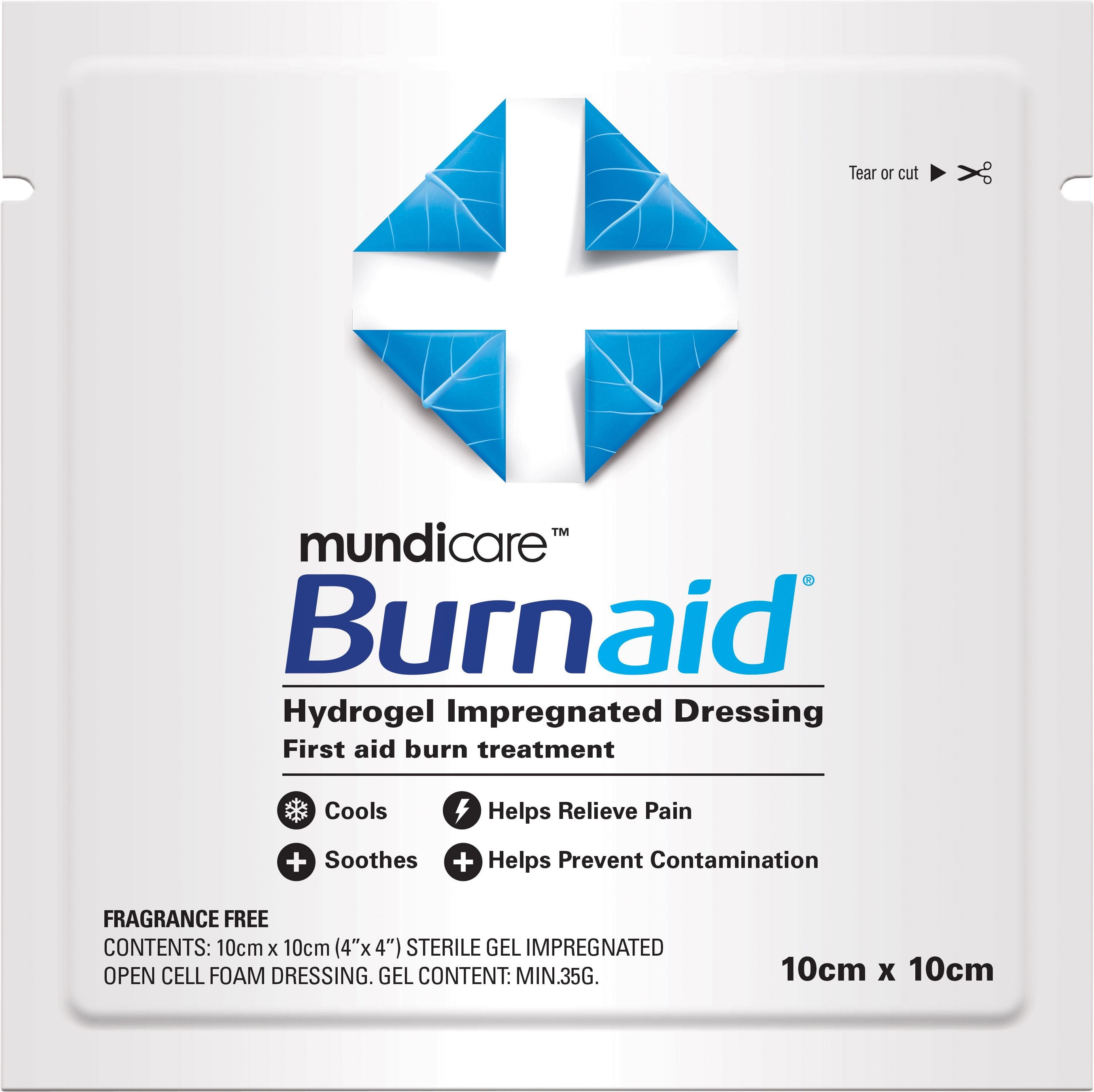
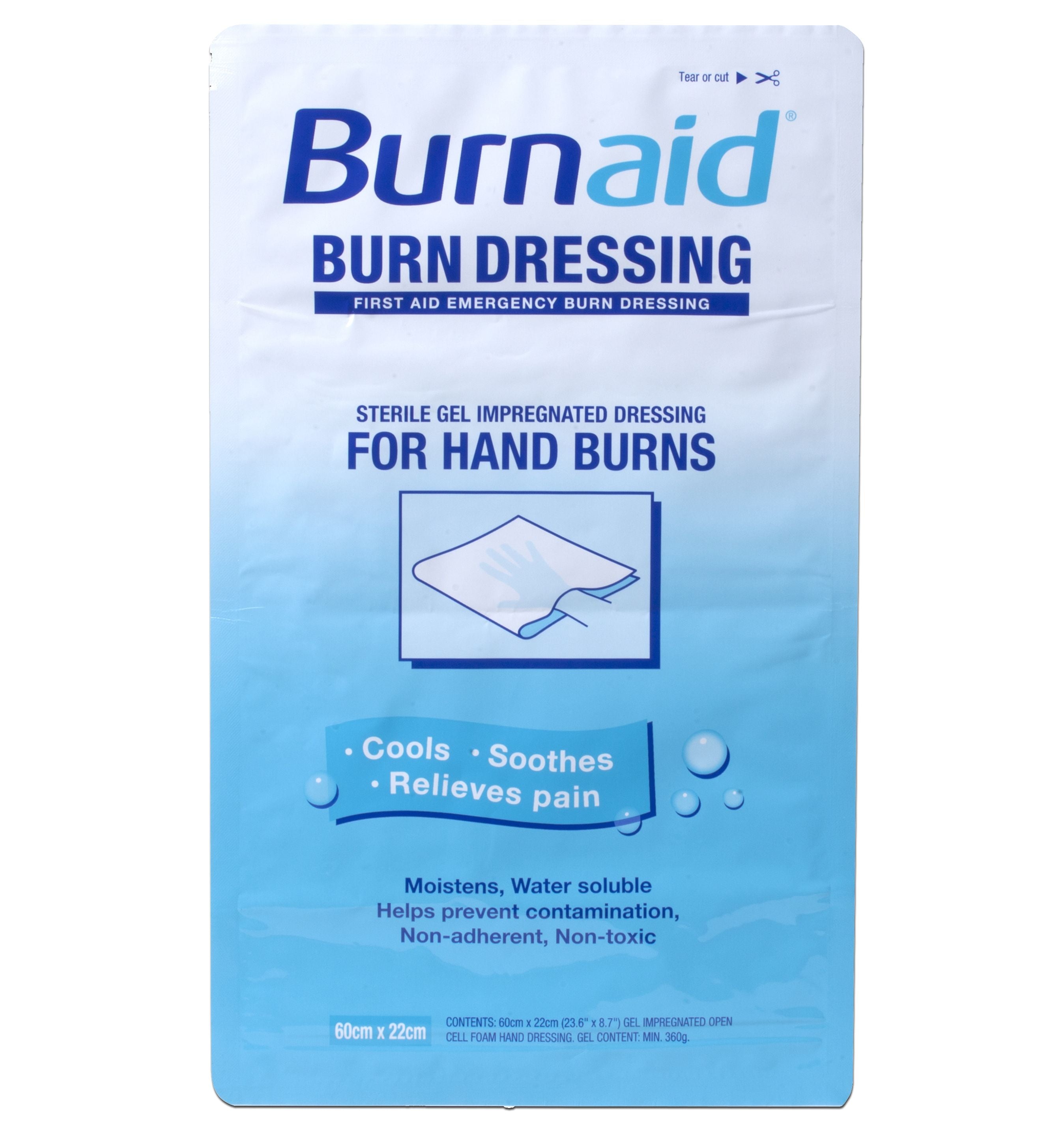
With burns, they can be as serious as third-degree burns, which can be quite serious. No matter how serious the injury is, your employees should run the affected area under cold water for at least 10 minutes and avoid the use of ice or extremely cold water. While waiting for professional medical attention, the worker should apply a wet sterile dressing to help keep the injury cooler.
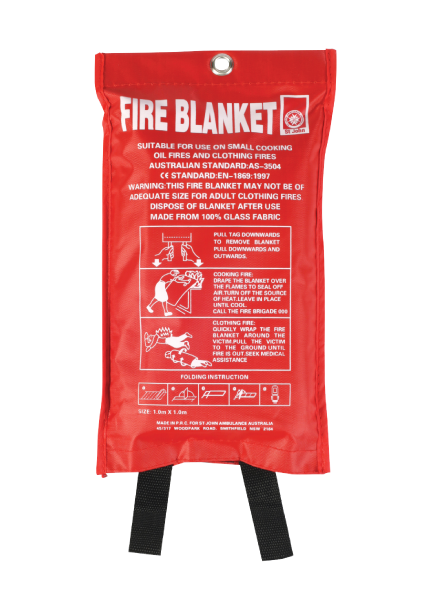
When handling grease and cooking oil, you may inadvertently start a kitchen fire as well. To keep these well-contained, not only do you need a working fire extinguisher, but you also need a fire blanket. With this item, you can grab it and quickly smother any small fires before they become bigger and uncontainable.
Matter in the Eye
Your eye is a delicate organ, and if you're not careful with how you handle things in the kitchen, you may irreparably damage it. From just plain water at room temperature to scalding hot cooking oil, there are many liquids in the workspace that may accidentally make their way into your eyes.
A great way to prevent this from happening is to develop more efficient ways of performing tasks. For example, if soup needs to be transferred, you can reduce the chances of splattering by making it company policy to transport it in lidded containers. This can also reduce the chances of contamination.
Should matter get in the eye, your workers should know the proper way to get it out. Rinse with cool water for at least 15 minutes; contacts must be taken out. You'll then want to call poison control to see if your employees need to go to the ER.
If there are some tasks that are particularly hazardous and your employees keep finding themselves being splashed in the eyes, you might want to consider getting safety glasses. These can both protect your employees' health and save you time, as they won't have to keep pausing to rinse their eyes out.
Slips and Falls
A kitchen can become quite messy, especially during particularly busy hours. Liquids may end up on the floor, and people can slip and fall.
Prevent this from happening by purchasing rubber workstation mats and having good practices at work. For example, if any employees grab things from the freezer to defrost, they should put the food in a larger container so any condensation doesn't end up on the floor.
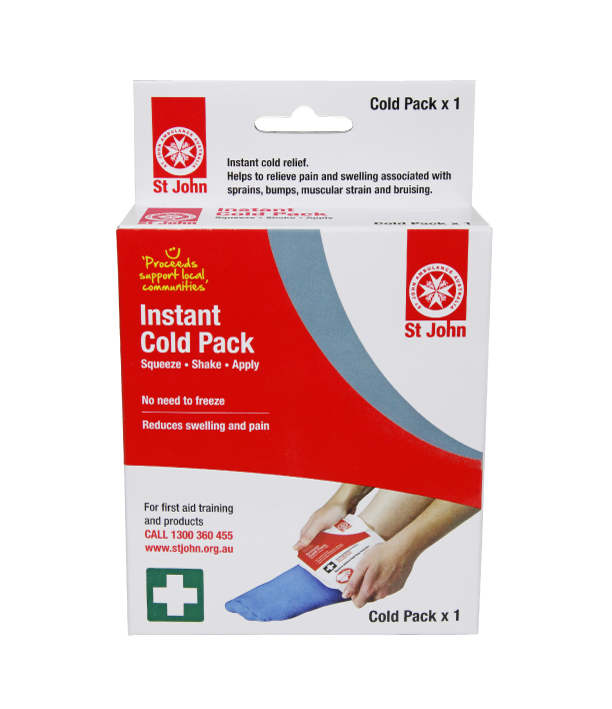
Should any slips and falls occur at work, a MediBC first aid kit can help straight away. An instant cold pack can reduce and prevent additional swelling immediately. And bandages can immobilise and prevent further swelling and bruising from occurring.
Use MediBC Products to Fight Any Kitchen Hazard
The kitchen can be a place where you can't avoid any danger. But with the help of MediBC, you can make any kitchen hazard something simple to take care of. Help keep your employees safe at work with MediBC products.
So take a look at our first aid kits and other kitchen safety supplies. With these on hand, you can ensure your kitchen is a place where all workers are looked after properly.
Kitchen Safety Essentials
Fire blankets, burn dressings, and family kits to handle kitchen fires, cuts, and burns.