


Written by the MediBC First Aid Team · Based on ANZCOR Guideline 9.1.1 (First Aid for Management of Bleeding) and healthdirect wound guidance · Updated September 2026.
Severe bleeding is an emergency. If blood is spurting, soaking through dressings, or the person is pale, sweaty or confused, call 000 and keep firm pressure on the wound while you wait. This page is general first aid information and does not replace an accredited first aid course.
Most bleeding stops with one simple action done well: firm, direct pressure over the wound, held without letting go. Knowing how to stop bleeding quickly matters most in the first minute, when people tend to panic, dab at the wound or keep lifting the pad to check. This guide covers minor cuts you can manage at home, severe bleeding that needs an ambulance, and the tools, such as arterial tourniquets and haemostatic dressings, that current Australian guidelines recommend when pressure alone is not enough.
Quick answer: how to stop bleeding quickly
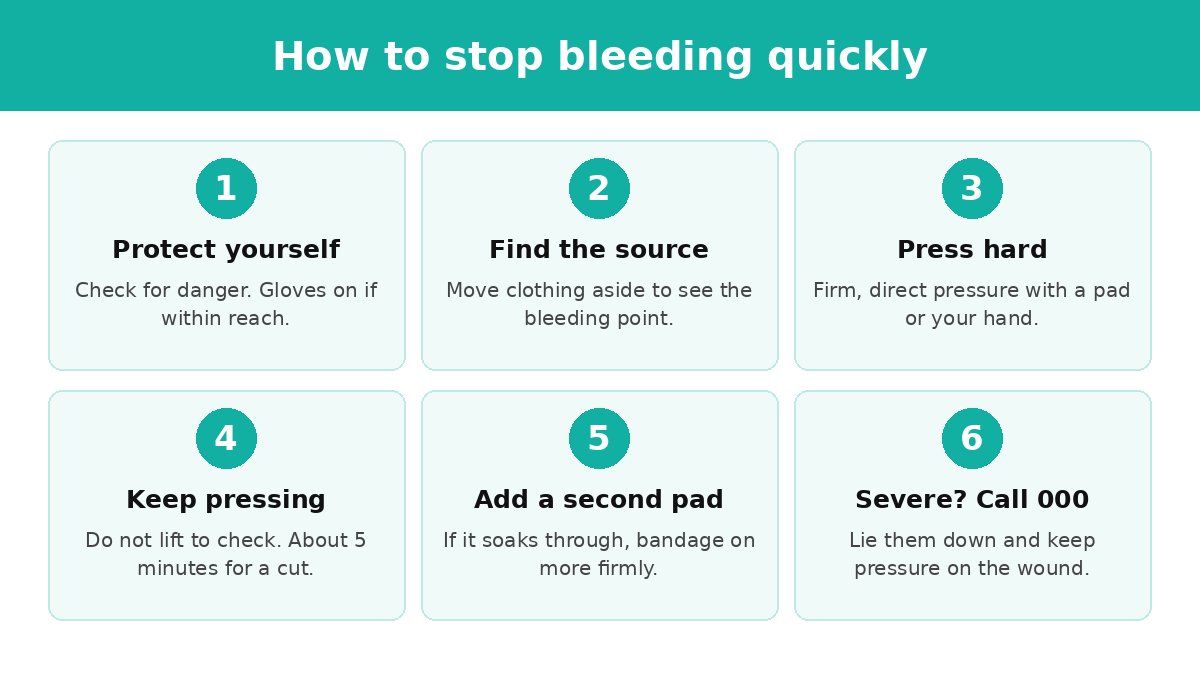
Put on gloves if you have them, then press firmly on the wound with a pad or your hand and keep pressing. If blood soaks through, add a second pad and bandage it on more firmly, making sure the pressure sits directly over the bleeding point. For severe bleeding, lie the person down, keep pressure on and call 000. Use an arterial tourniquet only for life-threatening bleeding from an arm or leg that pressure does not control.
How to stop bleeding quickly: the first minute
ANZCOR, the body that sets first aid guidelines for Australia and New Zealand, states that firm pressure on or around the wound is the most effective way to stop most bleeding. The steps below follow that guideline.
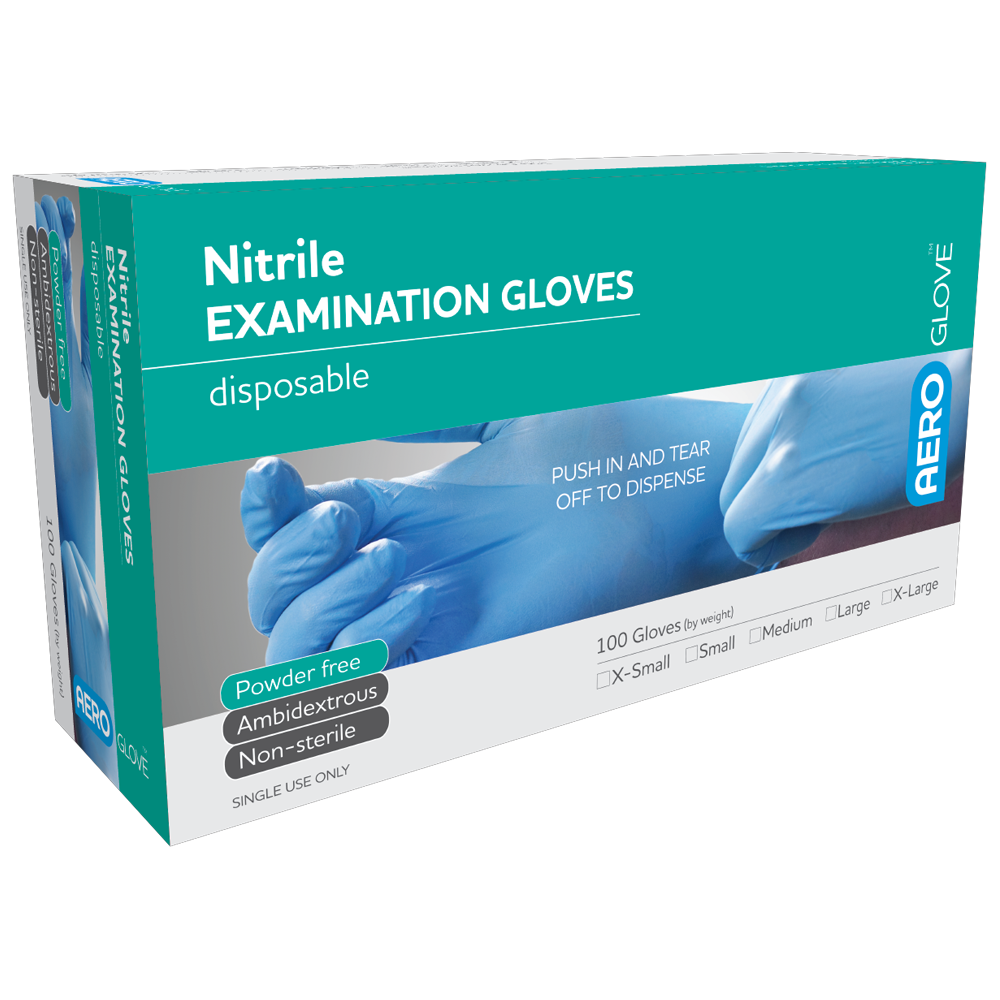
- Protect yourself. Check for danger, and put on disposable gloves if they are within reach. Do not delay pressure on a severe bleed to hunt for gloves.
- Find the bleeding point. Move clothing aside so you can see where the blood is coming from.
- Press hard, directly on it. Use a sterile pad, a clean cloth or your hand. The injured person can press on the wound themselves if they are able.
- Keep the pressure on. Do not lift the pad to look. For a minor cut, press for about 5 minutes or until it stops.
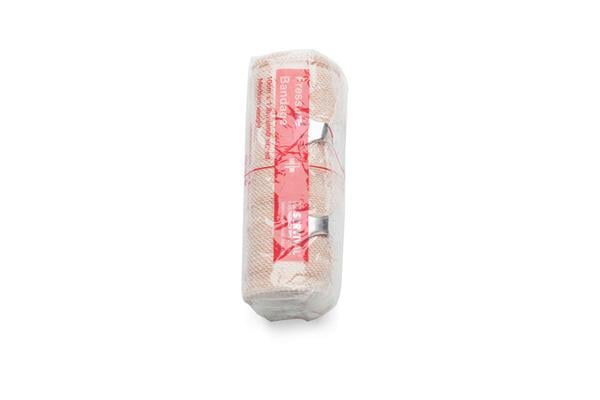
- If blood soaks through, add a second pad and a firmer bandage. Firm pressure through one or two pads over a small area works better than piling on more layers.
- Still bleeding? Check the pad is actually over the bleeding point. You may need to remove it to find a bleeding point you missed, then press again.
Minor cuts: stop, clean and cover
For small cuts and grazes, how to stop bleeding quickly is simple, and you can usually manage the whole thing at home:
- Press firmly with a clean cloth or bandage for about 5 minutes, or until the bleeding stops.
- Wash your hands, then rinse the wound with clean water or saline. Gently remove dirt with tweezers or clean gauze, not cotton wool, which leaves fibres behind.
- Pat the surrounding skin dry and cover the wound with a non-stick dressing or an adhesive strip.
- Keep it clean and dry, and change the dressing every few days or if it gets wet or dirty.
healthdirect notes that antiseptic creams are not needed for most minor wounds; clean water or saline does the job. Our wound care guide to bandages, dressings and gauze explains which dressing suits which wound.
Severe bleeding: what to do while you wait for the ambulance
The priorities for how to stop bleeding quickly shift when a bleed is severe. Treat bleeding as severe and life-threatening if:
- it is not controlled by firm local pressure
- a limb has been fully or partly amputated above the wrist or ankle
- there are signs of shock: pale, cold, sweaty skin, a fast pulse, or drowsiness and confusion
In life-threatening bleeding, controlling the bleeding takes priority over airway and breathing. Lie the person down, press hard on the wound and get someone to call 000. If you are alone, call 000 on speaker and keep pressing. Keep the person warm and do not give them anything to eat or drink. If they become unresponsive or stop breathing normally, follow DRSABCD and start CPR, keeping bleeding controlled if someone else can help.
Wounds to the chest, abdomen, neck or groin need emergency assessment even when little blood is visible, because bleeding may be internal. Never press on an injured eye: cover it loosely and get emergency care.
When to use a tourniquet
An arterial tourniquet is for life-threatening bleeding from an arm or leg that direct pressure has not controlled. It is not for everyday cuts. ANZCOR guidance for first aiders:
- Use a commercially made windlass-style tourniquet if you can. These are more effective than improvised ones.
- Apply it following the manufacturer's instructions, or about 5 cm above the bleeding point if there are none, ideally not over a joint or the wound.
- Tighten it until the bleeding stops, even though it will hurt. If bleeding continues, check the position and apply a second tourniquet above the first.
- Do not cover it with clothing or bandages. Note the time it went on and tell the paramedics.
- Do not remove it. It stays on until the person reaches specialist care.
Buying a tourniquet? Check the type. The stretchy strap tourniquets with a push-button buckle are venous tourniquets, made for raising a vein before a blood test or drip. ANZCOR is clear that these are not suitable for controlling bleeding. For a first aid kit you need an arterial tourniquet, such as a windlass or ratchet design. Training makes a real difference to how well they are applied, so consider a first aid course that covers them.
You may see older fact sheets that say never to use a tourniquet, or to raise a bleeding limb above the heart. The current ANZCOR guideline recommends a tourniquet for life-threatening limb bleeding, and says there is no evidence that raising a bleeding limb helps control it, with a risk of causing more pain or injury.
Haemostatic dressings for bleeding a tourniquet cannot reach
Haemostatic dressings are gauze impregnated with an agent, such as kaolin or chitosan, that helps blood clot. ANZCOR suggests them for trained first aiders when severe, life-threatening bleeding is from a wound site where a tourniquet cannot be used (for example the neck, torso or groin), or when a tourniquet has not stopped a limb bleed. They are for trained first aiders and must never delay calling 000 or applying firm direct pressure. Pack or press the dressing as close as possible to the bleeding point, hold firm pressure, bandage it in place if you can and leave it for the hospital team to remove.
Objects stuck in a wound
If something is sticking out of the wound, such as glass, metal or a stick, do not pull it out. It may be plugging the wound and limiting the bleeding. Press on either side of the object, place pads around it and bandage over the padding without pushing on the object itself. Call 000 for a large or deeply embedded object, severe bleeding, or an object in the eye, neck, chest or abdomen; otherwise get prompt medical care to have it removed safely.
When a cut needs a doctor
See a doctor, an urgent care clinic or an emergency department if:
- bleeding does not stop with firm pressure
- the wound is more than a few millimetres deep, or gaping so the edges do not sit together (it may need stitches, glue or staples)
- the wound was caused by an animal or human bite, or is dirty and you cannot clean it
- you are not sure your tetanus vaccination is up to date
- the person takes blood-thinning medicine and a deep wound will not stop bleeding
- there are signs of infection later: spreading redness, warmth, swelling, pus or fever
Nosebleeds follow different first aid: see how to stop a nosebleed. People with a known bleeding disorder should also read first aid for bleeding disorders.
What to keep in your bleeding control kit
Being ready is most of knowing how to stop bleeding quickly. A standard first aid kit covers minor cuts. Where a risk assessment shows a higher chance of serious injury, such as some construction, farming or workshop settings, consider adding an arterial tourniquet, large combine dressings and a haemostatic dressing, along with training in how to use them. Our guide to trauma kits for high-risk workplaces goes into more detail, and you can browse our tourniquets and stop bleeding products.
Bleeding control essentials
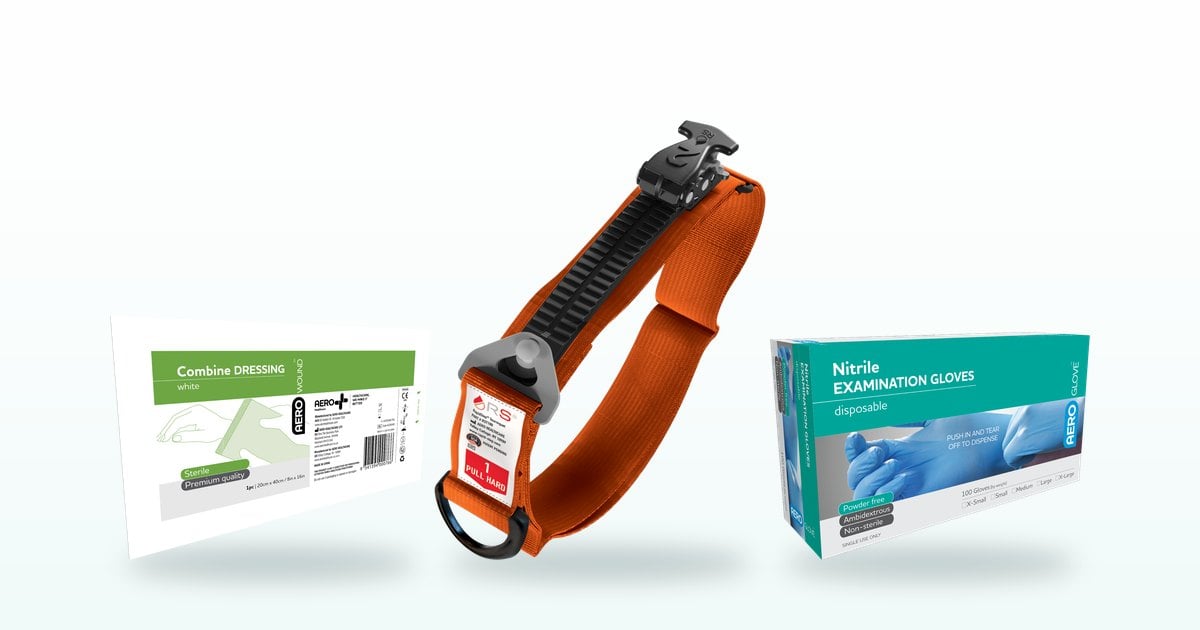
The items this guide recommends, from gloves and pressure dressings to an arterial tourniquet.
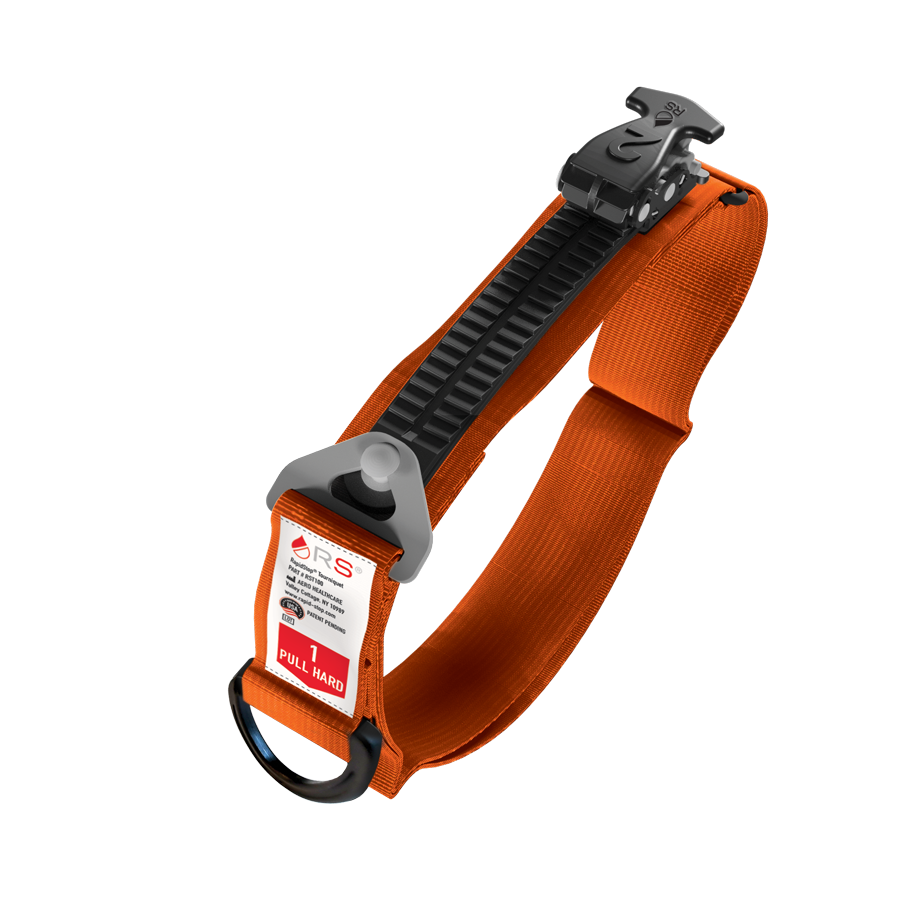
RapidStop Civilian Tourniquet (Orange)
Arterial tourniquet designed for one-handed self-application on arms and legs.
Shop Now
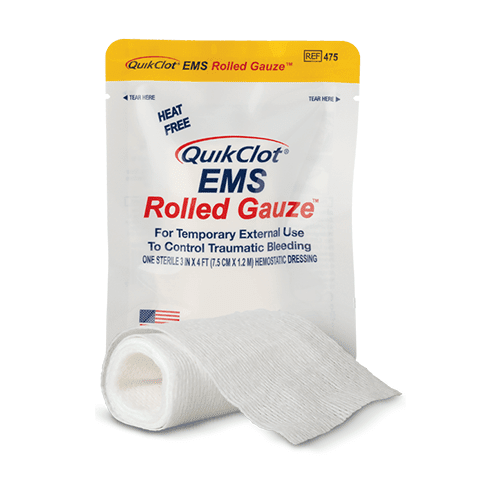
QuikClot Haemostatic EMS Roll 7.5cm x 1.2m
Kaolin-impregnated gauze for severe bleeding where a tourniquet will not fit.
Shop Now
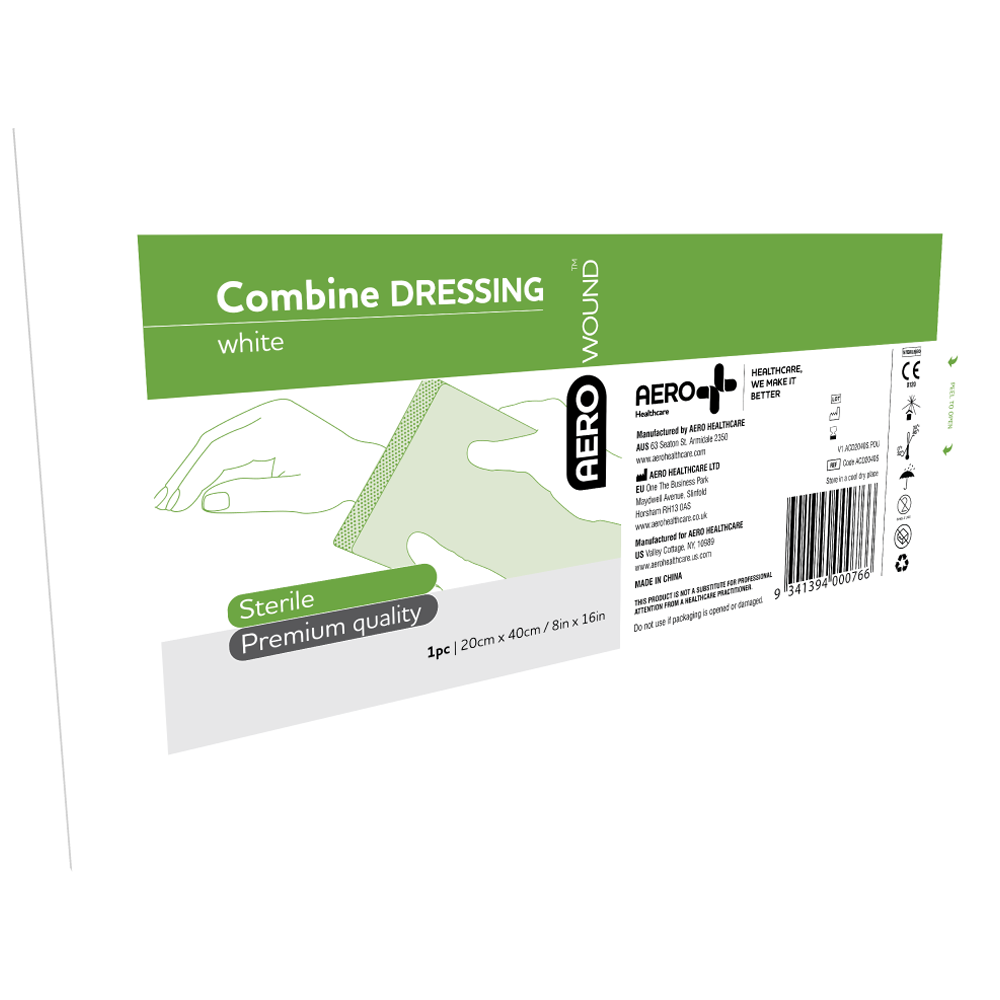
AEROWOUND Combine Dressing 20 x 40cm
Large, highly absorbent pad for heavy bleeding from bigger wounds.
Shop Now
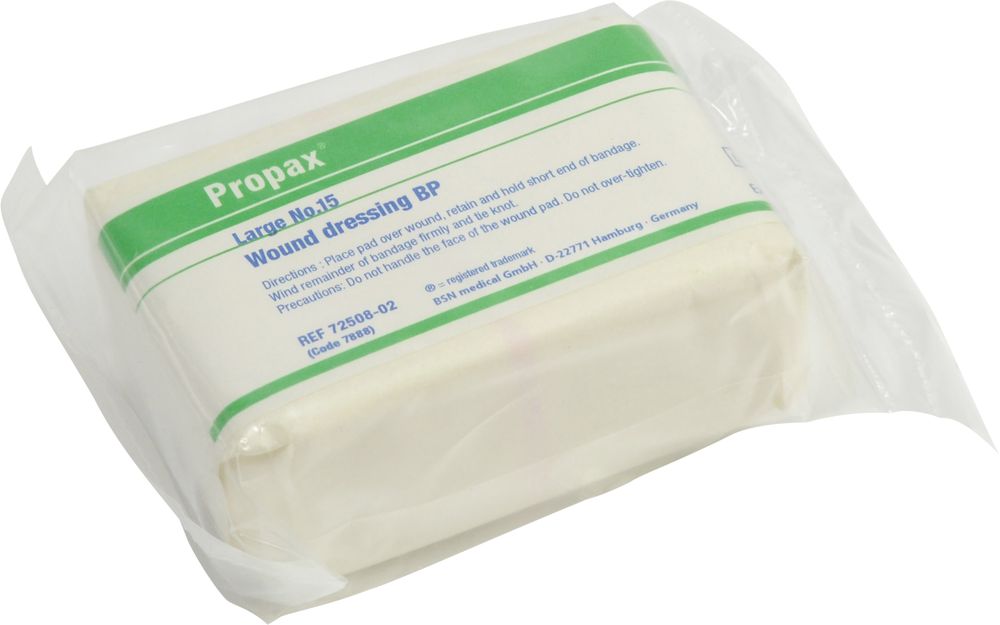
Wound Dressing No 15 Pad and Bandage
Sterile pad already attached to a bandage for fast, firm pressure.
Shop Now
Bleeding first aid FAQs
How do you stop bleeding quickly?
Press firmly and directly on the wound with a pad, a clean cloth or your hand, and keep pressing without lifting to check. Add a second pad and bandage it firmly if blood soaks through. Call 000 for severe bleeding.
How long should you apply pressure to a cut?
For a minor cut, press firmly for about 5 minutes or until the bleeding stops. For severe bleeding, keep pressure on continuously until paramedics take over.
Should you raise a bleeding arm or leg?
Current ANZCOR guidelines say there is no evidence that raising a bleeding limb helps control bleeding, and it can cause more pain or injury. Focus on firm direct pressure instead.
Should you remove a blood-soaked dressing?
Generally no: add a second pad on top and bandage more firmly. If bleeding still continues, check the pad is over the bleeding point, as you may need to remove it to find a point you missed.
When should you use a tourniquet?
Only for life-threatening bleeding from an arm or leg that firm direct pressure has not controlled. Use a commercial arterial tourniquet, note the time and leave it on until paramedics or hospital staff take over.
When does a cut need stitches?
See a doctor if a cut is more than a few millimetres deep, gapes open, will not stop bleeding, or was caused by a bite. Many urgent care clinics can close small wounds with stitches or glue.
Related first aid guides
Keep reading: how to stop a nosebleed, wound care: bandages, dressings and gauze, trauma kits for high-risk workplaces and the DRSABCD action plan.