


Reviewed by the Medibc First Aid Team — last updated May 2026.
While electric shocks and injuries are rare, they can be distressing for the victim and bystanders.
It’s important to know how to help in the event of these happening, as well as keep yourself and the patient safe as there could be a risk of injury from touching the affected person.
In this article, we’re going to take you through how to treat electric shock, first aid for electric injuries and more so you feel confident in this area of first aid.
What are electric shock and electric injuries?
Because the human body conducts electricity, if it is in contact with live electricity, the current can travel through tissues and cause an electric shock. These can involve electric injuries such as:
- Burns to the skin
- Burns to internal tissues
- Damage to the heart, which may cause it to stop beating or beat irregularly
- Muscle spasms
- Seizures
- The patient may also lose consciousness
How to treat electric shock and electric injuries
The first thing to know is that you should call triple zero (000) for an ambulance if somebody has had an electric shock and has trouble breathing, has lost consciousness or has a slow or fast heartbeat.
Even if the patient does not appear to be affected, they will still need to see a healthcare professional who can assess whether there has been any internal damage.
While you are waiting for an ambulance or before you take the patient to seek medical attention, this is what you should do:
- Assess the situation without touching the patient. If they are still in contact with the source of electricity and you touch them, you could also receive an electric shock.
- Turn off the electricity supply at the mains, remove fuses, switch off power points and unplug all appliances before you go near the patient.
- If you can’t do this, stand on dry, non-conductive material like a wooden board or newspaper and use a dry, non-conductive object like a wooden broom handle to get the patient away from the source of electricity.
- Be careful if the patient is in contact with water, which can carry electricity.
- If a power line is down, keep at least 6 metres away from any cable.
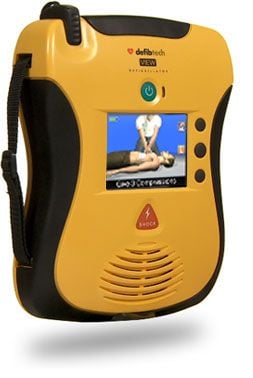
- When it is safe to approach the patient, check to see whether they are conscious and breathing. You may need to start CPR (cardiopulmonary resuscitation) and/or use a defibrillator.
For burns
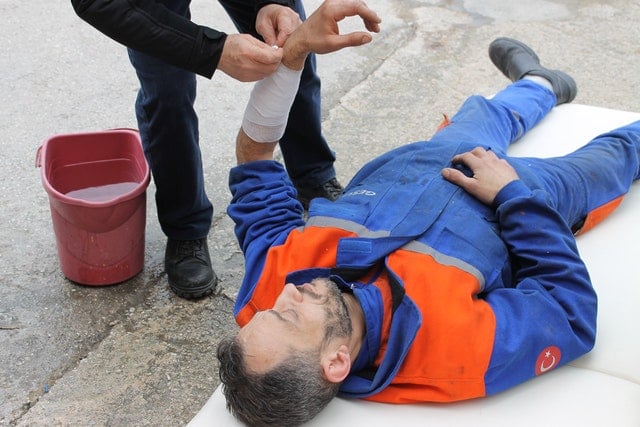
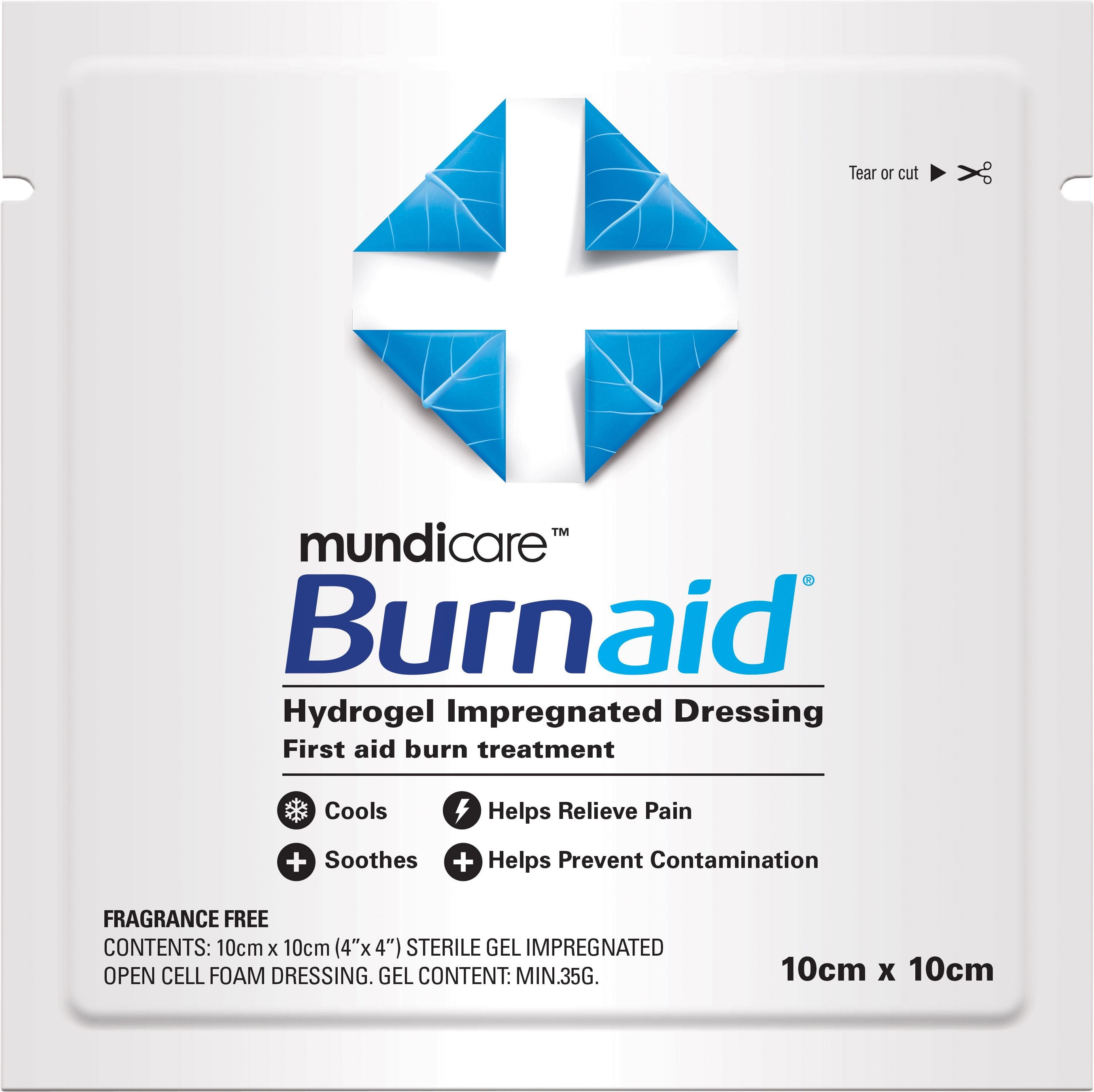
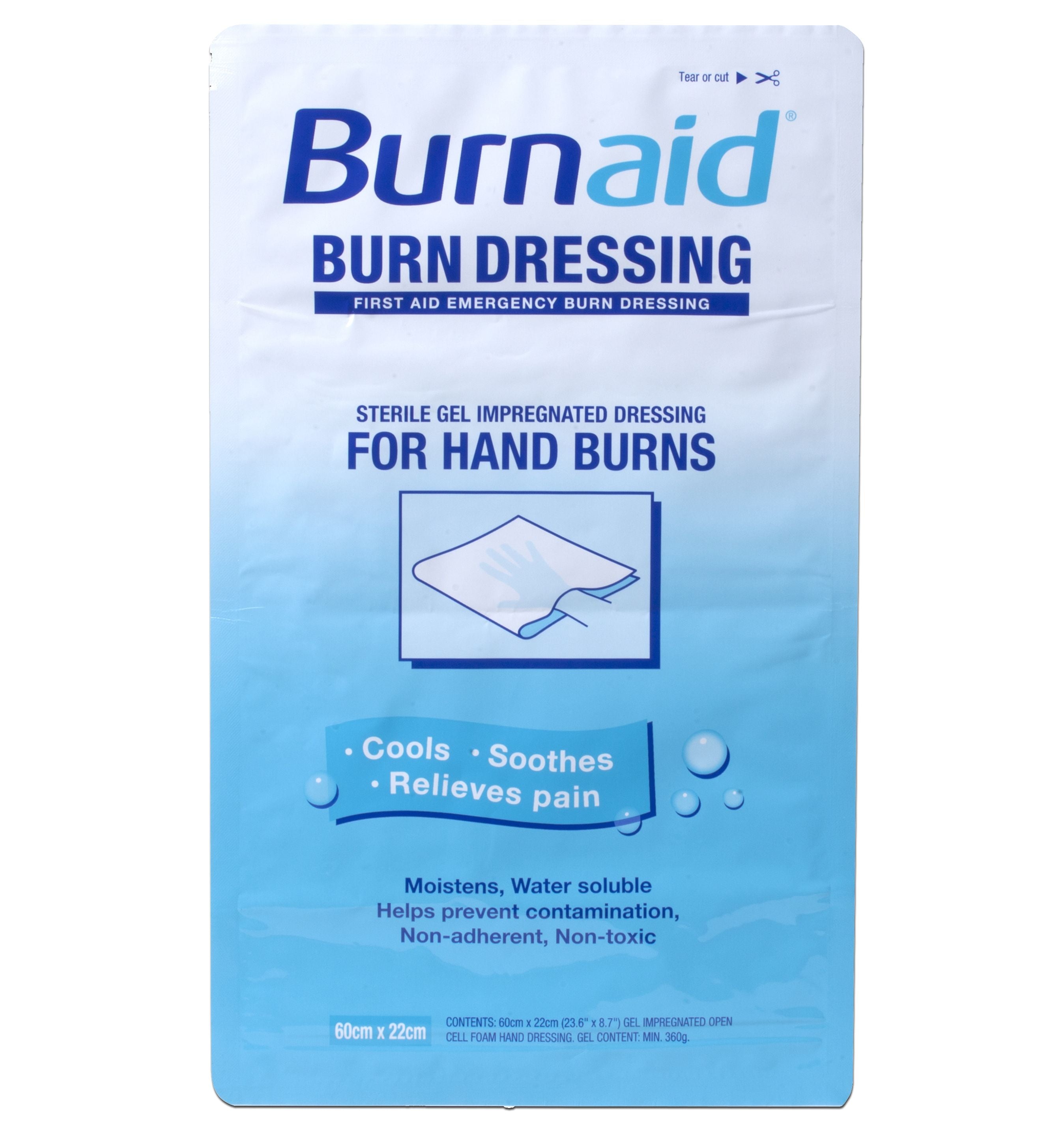
If the patient has burns, put the affected area under tepid running water for 20 minutes minimum and cover with a sterile gauze bandage or clean material.
For bleeding
If the patient is bleeding, apply pressure to the wound with a sterile pad or clean material and elevate it if an arm or leg is affected.
For fractures
If the patient has fallen and you suspect they may have sustained a fracture, you should:
- Try to stop bleeding by applying pressure with a sterile or clean material
- Immobilise the affected area
- Apply ice wrapped in a towel to the area to reduce swelling and pain
For seizures
If the patient appears to be having a seizure:
- Do not leave them unattended.
- Time the seizure. Most seizures resolve after three minutes.
- Try to prevent the patient from injuring themselves.
- If they have liquid, food or vomit in their mouth, roll them to one side.
- You should also roll them to one side once the seizure finishes.
- Monitor their breathing.
- Stay with them while they recover.
How else can I be prepared?
It’s always good to know how to treat an electric shock victim, but for more detailed instructions, sign up for a recognised first aid course to cover this area and other aspects of emergency care in more depth.
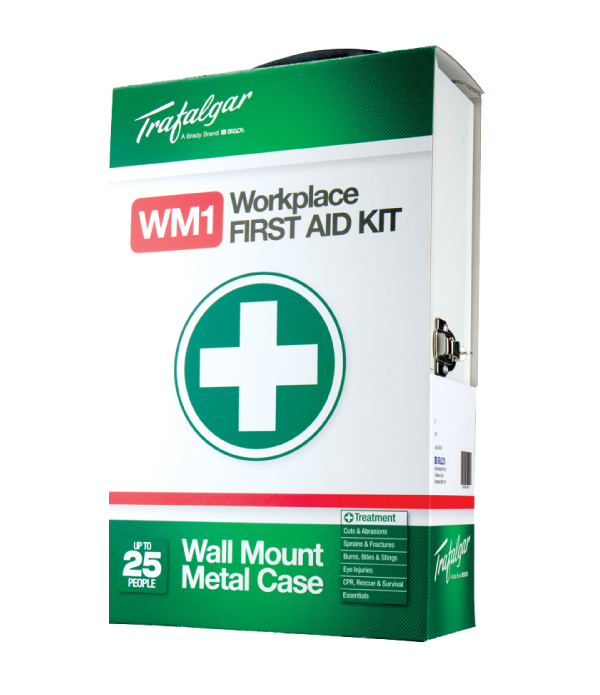
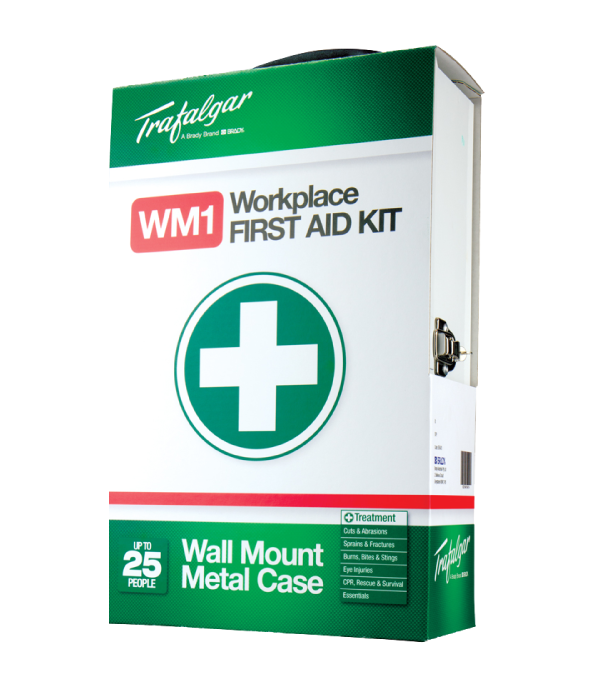
You should also keep a first aid kit readily available in your home or workplace so you can treat burns or other injuries swiftly.
Check it regularly to ensure that you have everything you need, and order first aid supplies before you run out of anything.
If there is a risk of electric shock in your workplace, know how you can keep employees safe. Read the Safe Work Australia guidelines on electrical safety to understand your responsibilities.
Be prepared with a fully stocked first aid kit
Thankfully, electric shocks and injuries are a rare occurrence. But it’s so important to know how to deal with someone affected to keep them and others around safe.
Now that you’ve read our guide, we hope you feel ready to help should someone suffer an electric shock at home or in your workplace.
Be prepared by having a fully stocked first aid kit to hand so that you can treat any injuries straight away.
Browse the MediBC collection of first aid kits and supplies to find what you need. We pride ourselves on stocking high-quality products so that you’re ready and confident in an emergency. With swift delivery throughout Australia and dedicated customer service, we’re the medical supplies company you can count on!
Electric Shock & Burn First Aid Essentials
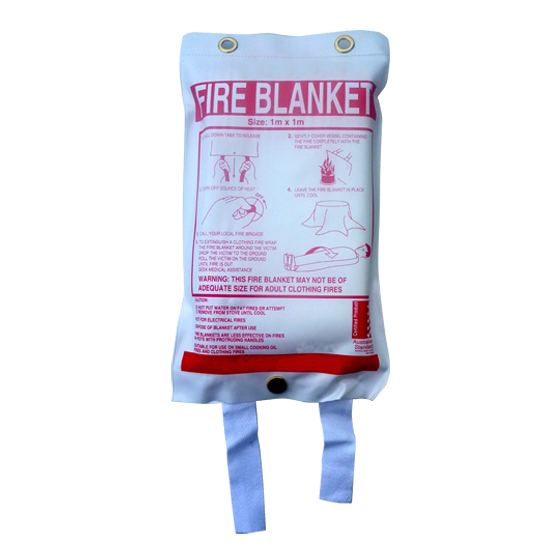
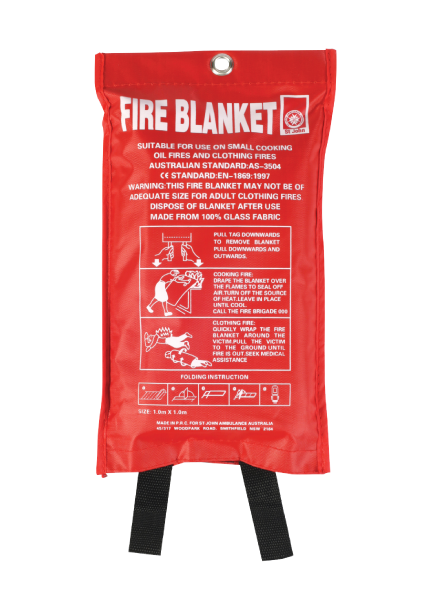
Burn dressings, fire blankets, and AED-ready kits for anyone working around electricity.
Frequently asked questions
What is the first step in treating an electric shock victim?
The first step is making the scene safe - turn off the power at the source before touching the casualty. Never touch someone still in contact with a live electrical source - the current can pass into you. Only after power is confirmed off should you begin the DRSABCD first aid sequence.
Can you give CPR to someone who has been electrocuted?
Yes - once the power is off and the scene is safe. Electrical shock can stop the heart or cause arrhythmias, so cardiac arrest is common after high-voltage injury. Begin CPR immediately if the casualty is unresponsive and not breathing normally, and apply an AED as soon as one is available.
Do all electric shock injuries need hospital assessment?
Yes. Even when the casualty appears fine after a mild shock, internal burns, delayed cardiac arrhythmias, and deep tissue damage can develop hours later. Always call 000 or attend an emergency department after any electrical injury - especially high-voltage shocks, shocks across the chest, or shocks lasting more than a moment.
Sources: healthdirect.gov.au — Electric shock first aid, Safe Work Australia — Electrical safety, St John Ambulance — Electric shock.