


If you have a defibrillator in your community or workplace, it should be inspected regularly.
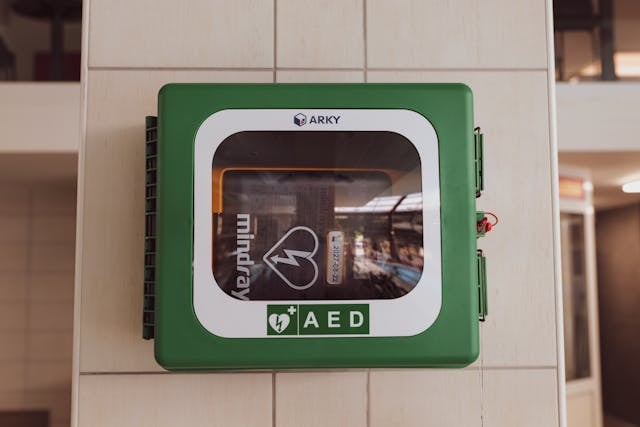
This article offers a defibrillator checklist along with useful resources to help you keep your equipment safe.
We’ll also discuss how defibrillators work and how to use one in an emergency.
What is a defibrillator, and how does it work?
A defibrillator is a medical device that can help people who have had a sudden cardiac arrest (when a person’s heart stops). It gives an electric shock to help their heart rhythm return to normal.
Before doing this, it checks the heart rhythm to work out whether the shock is needed.
Automated external defibrillators (AEDs) can be found in many public places. Anyone can use them, and you don’t need any special training — they give you step-by-step instructions on how to use them.
How to use a defibrillator in an emergency
You may suspect that someone has experienced a cardiac arrest if they:
- Collapse
- Lose consciousness
- Have difficulty breathing or stop breathing
- Have no pulse
To help them, follow the DRSABCD protocol. This is a step-by-step guide to treating someone in a medical emergency.
One of the steps in the DRSABCD is CPR (cardiopulmonary resuscitation). You must start CPR before using a defibrillator. Once you get to this stage in the DRSABCD guide, you should already have called Triple Zero (000) for help. The operator can support you through CPR and the defibrillation process.
Defibrillation is the last step in the DRSABCD. Only leave the patient to get a defibrillator if there is someone else to stay with them. If you are on your own, wait for the paramedics to arrive. They will have a defibrillator in their kit.

If you can use a defibrillator, here’s what you need to do:
- Remove clothing from the patient’s chest area. The defibrillation kit may include shears so you can cut away clothing.
- Place the pads (also known as electrodes) on the casualty’s body as indicated in the kit.
- The defibrillator will assess whether an electric shock is needed. Listen out for instructions.
- If the defibrillator tells you that a shock is required, stand back from the patient.
- After the casualty has received the shock, you should continue with CPR until paramedics arrive.
- Continue to listen for instructions, as more than one shock may be needed.
Defibrillator checklist
Defibrillators self-test periodically to ensure they are in good working order. If there is an issue, the machine will beep to let you know.
However, it’s also important that you carry out checks yourself if you are responsible for a defibrillator.
You should check your defibrillator once a week to see if the “status ready” indicator is green.
You can carry out a more thorough inspection once every three months. You should check that:
- The “status ready” indicator is green.
- The defibrillator is in a visible and easily accessible place.
- Clear signage shows where the defibrillator is located.
- The defibrillator is registered with Triple Zero (000).
- The kit includes one set of adult pads.
- The kit includes one set of child pads.
- All accessories (razor, shears, gloves, face shield, dressing pad, alcohol wipes) are fully stocked.
To make the process easy, you can use a defibrillator checklist template. The St John Ambulance defibrillator checklist shows you what to look for. It also has space for you to record your defibrillator model name and number, check date and location.
What else do I need to know about cardiac arrest first aid?
Consider taking a first aid course with a recognised provider like St John Ambulance Australia or the Australian Red Cross. Training will help you learn new skills and give you the confidence to deal with emergency situations.
You could also invest in a trainer defibrillator to help you practice using the device.
Keep a fully stocked first aid kit in your home, community or workplace too. You may need to use it if the casualty has injured themselves while collapsing. Check out our extensive range of first aid kits in the MediBC online shop.
Find defibrillators and accessories here
If you don’t already have a defibrillator in your community, consider investing in one — it could help save a life.
You’ll find a selection of defibrillators and accessories on the MediBC website. We pride ourselves on supplying Australia with high-quality first aid kits and medical supplies to help keep our communities safer.
Don’t forget to reach out to us if you have any questions about our products. We’re waiting for your call!
Defibrillator & AED Essentials
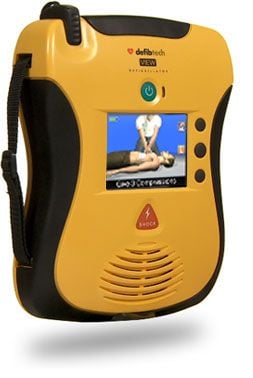
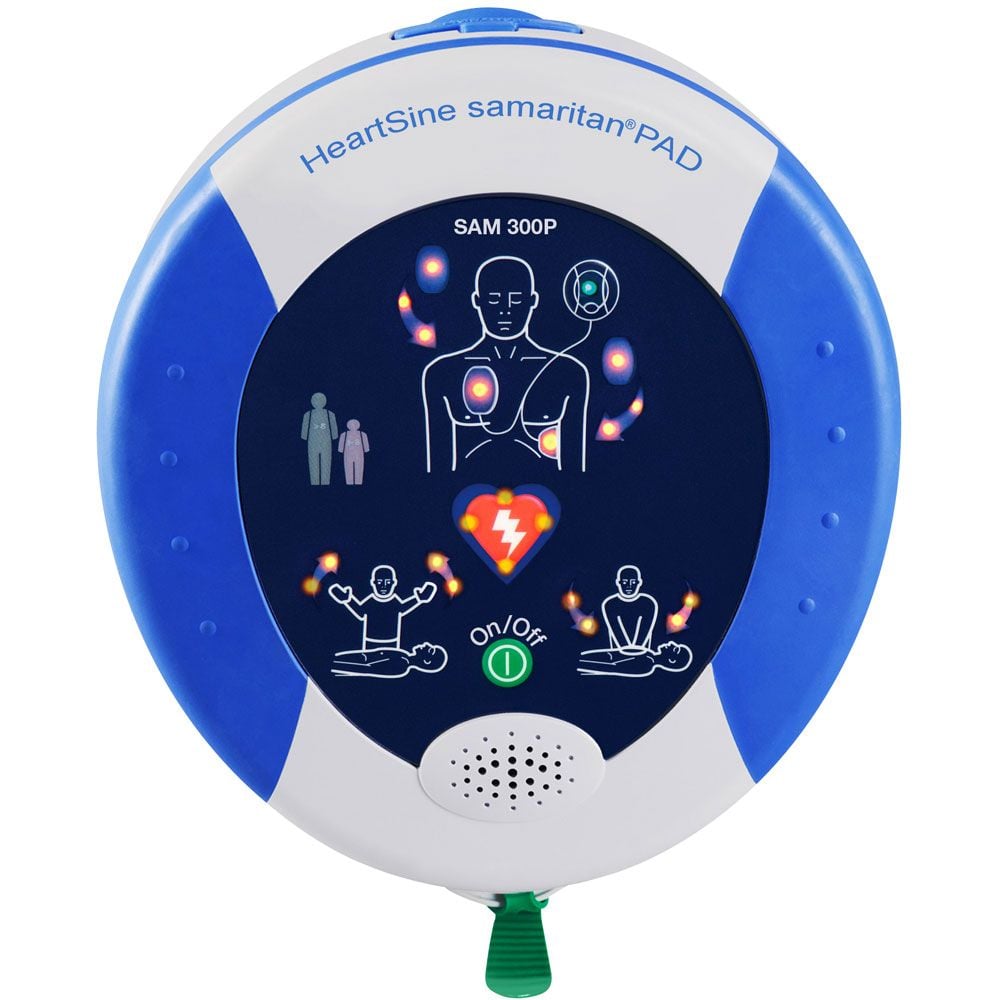
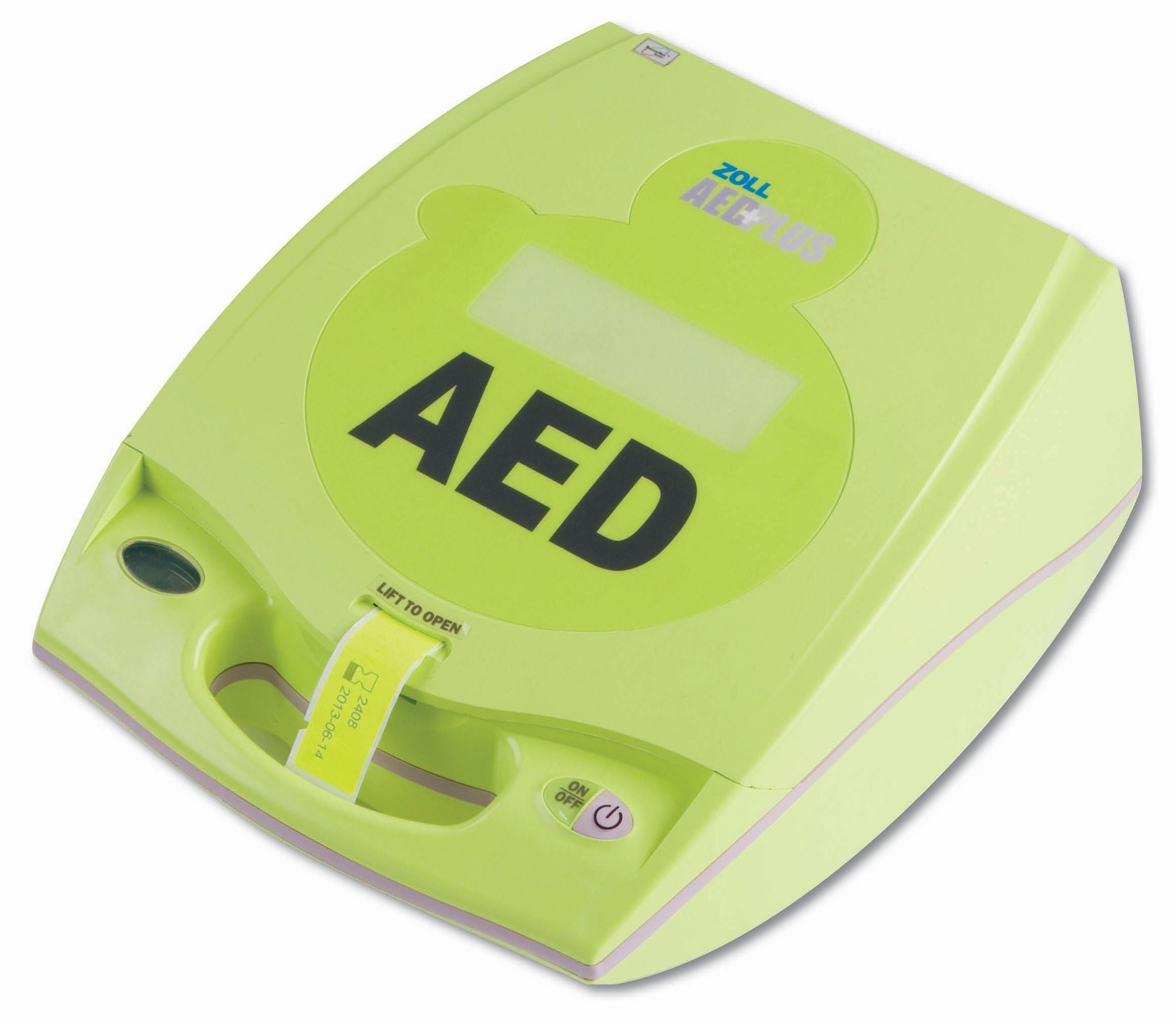
AEDs, training defibrillators, and CPR aids to keep your workplace or community defib-ready.
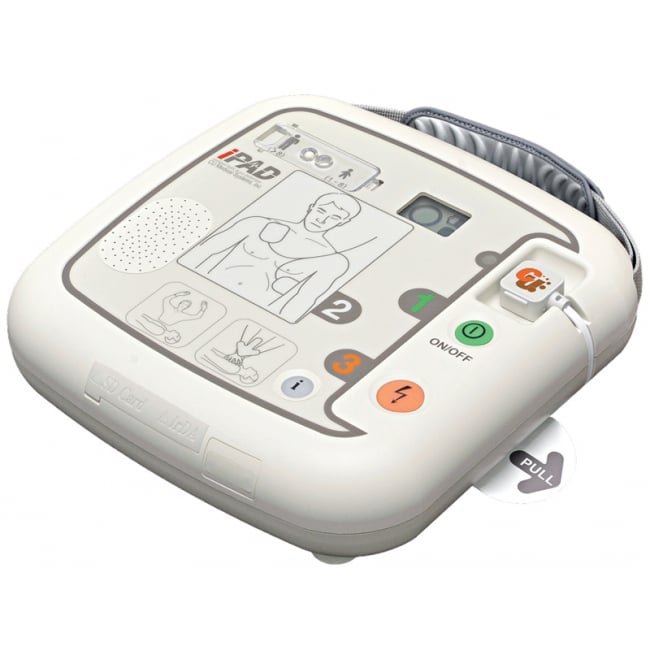

AED Maintenance Checklist FAQs
What should an AED maintenance checklist include?
A monthly check that the status/readiness indicator shows the unit is ready, the battery has charge, the electrode pads are in date and sealed, the case is clean and undamaged, and any spare pads and battery are on hand. Record each check in an AED log, and replace pads immediately after any use.
How often should a defibrillator be checked?
Do a visual readiness check at least monthly (more often in high-traffic public sites). Most modern AEDs also run automatic daily self-tests and will beep or show a warning if they need attention.
How often do AED pads and batteries need replacing?
Electrode pads typically expire every 2–4 years and batteries every 2–5 years depending on the model — check the printed expiry dates and your manufacturer’s guidance. Always replace pads after they have been used.
Who is responsible for maintaining a workplace AED?
The business (PCBU) is responsible for keeping the AED ready, and usually nominates a person to run the checklist, log inspections and reorder pads and batteries before they expire.