

Blood Lancet (200) - Metal
Lancets & Devices
€26.55
Secure checkout
VISA
Mastercard
Apple Pay
Google Pay
Also accepted
AMEX
Afterpay
Zip
Klarna
PayPal
In stock
Only 1000 left
SKU
995170
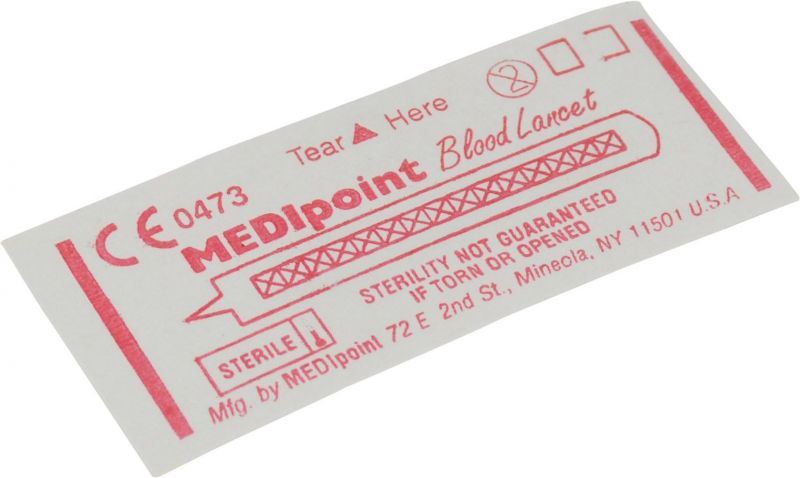
Metal blood lancets, sterile and single-use, for finger-prick blood sampling. Supplied in a box of 200, the quantity that suits a clinic, workplace or first aid room doing regular point-of-care testing rather than an individual.
What a lancet is used for
A lancet makes a small, controlled puncture in the skin, almost always at the side of a fingertip, to produce a drop of capillary blood. That drop is what point-of-care tests run on: blood glucose, cholesterol, haemoglobin, blood typing and similar bedside tests. It is not for drawing a tube of blood, which is venepuncture and a different procedure with different equipment.
Single use means single use
One lancet, one puncture, one person. A lancet is blunted by the first use, so a second puncture hurts more and cuts more raggedly. Far more importantly, a lancet or lancing device must never be shared between people, even between family members and even if it looks clean. Bloodborne viruses including hepatitis B, hepatitis C and HIV are transmitted this way, and outbreaks in shared-care settings have been traced to exactly this. Each person needs their own device and a fresh lancet every time.
Taking a good sample
- Wash hands in warm water and dry them. Warm hands bleed more readily, and leftover food or sugar on a finger is a classic cause of a falsely high glucose reading.
- Use the side of the fingertip, not the centre of the pad. The sides are less densely supplied with nerve endings, so it hurts less, and you are not creating a sore spot where you grip things.
- Rotate fingers and sites between tests. Repeated sampling in one spot builds callus and makes it harder to get blood, which is a slow problem people notice too late.
- Let the drop form. Squeezing hard pushes tissue fluid in with the blood and can skew results. Lowering the hand below heart level for a moment works better than milking the finger.
- Dispose of the lancet immediately into a sharps container, then apply gentle pressure to the site with clean gauze.
Sharps disposal is not optional
A used lancet is a sharp, and used sharps must go into an approved, puncture-resistant sharps container rather than a household bin, a drink bottle or a general clinical waste bag. Workplaces have obligations under work health and safety law to provide containers and safe disposal; households can usually return full containers through participating pharmacies, community sharps programs or council collection points, which vary by state and local government area.
Put the container where the testing happens. The single most common reason a used sharp ends up somewhere it should not is that the bin was in another room.
Specifications
| Type | Blood lancet, metal |
| Sterility | Sterile, single use |
| Pack size | Box of 200 |
| Used for | Finger-prick capillary blood sampling |
| Typical tests | Glucose, cholesterol, haemoglobin, blood typing |
| Disposal | Approved sharps container only |
| Sharing | Never between people, under any circumstances |
Stock the room with first aid room equipment, or browse the wider medical supplies range.
Blood lancet FAQs
What are blood lancets used for?
Finger-prick capillary blood sampling for point-of-care tests such as blood glucose, cholesterol, haemoglobin and blood typing. They produce a drop of blood, not a tube of it, so they are not a substitute for venepuncture where a larger sample is needed.
Can a lancet be reused?
No. They are sterile single-use devices. The tip blunts on first use so a second puncture is more painful and less clean, and reuse loses the sterility the packaging provided. A fresh lancet each time is the only correct practice.
Can two people share a lancing device?
Never, even within a family and even with a new lancet each time. Bloodborne viruses including hepatitis B, hepatitis C and HIV can be transmitted through shared lancing devices, and this has caused real outbreaks in shared-care settings. Each person needs their own device.
How do I dispose of used lancets?
Into an approved puncture-resistant sharps container, immediately after use, never into a household bin or an improvised container. Workplaces must provide containers and safe disposal under work health and safety duties. For home use, participating pharmacies, community sharps programs and council collection points take full containers, with the arrangements varying by state and council.
Where on the finger should I prick?
The side of the fingertip rather than the centre of the pad. It is less sensitive, so it hurts less, and it avoids making a sore spot on the surface you use for gripping and typing. Rotate between fingers and sites so no single spot builds up callus.
Why is it hard to get enough blood?
Usually cold hands. Wash them in warm water first and let the hand hang below heart level for a moment before pricking. Avoid squeezing hard, which forces tissue fluid into the sample and can distort the result; a gentle milking motion from the base of the finger works better than pressure at the tip.
Does a dirty finger affect the result?
It can, significantly. Residue from fruit, juice or anything sugary on the skin is a well-known cause of a falsely high glucose reading. Washing and thoroughly drying the hands before testing is part of the test, not a nicety.
Is a box of 200 the right size for home use?
It suits a clinic, workplace or first aid room testing regularly. For one person testing occasionally it will last a very long time, which is fine if storage is dry and the packaging stays intact, but many home users prefer a smaller pack matched to their own meter.
Single-use sterile device. Do not reuse and never share lancets or lancing devices between people. Dispose of used lancets into an approved sharps container. Follow your own service or workplace procedures for blood sampling and sharps handling.
Frequently bought together