


Would you know what to do if you knocked a tooth out or how to help someone bleeding heavily from the mouth?
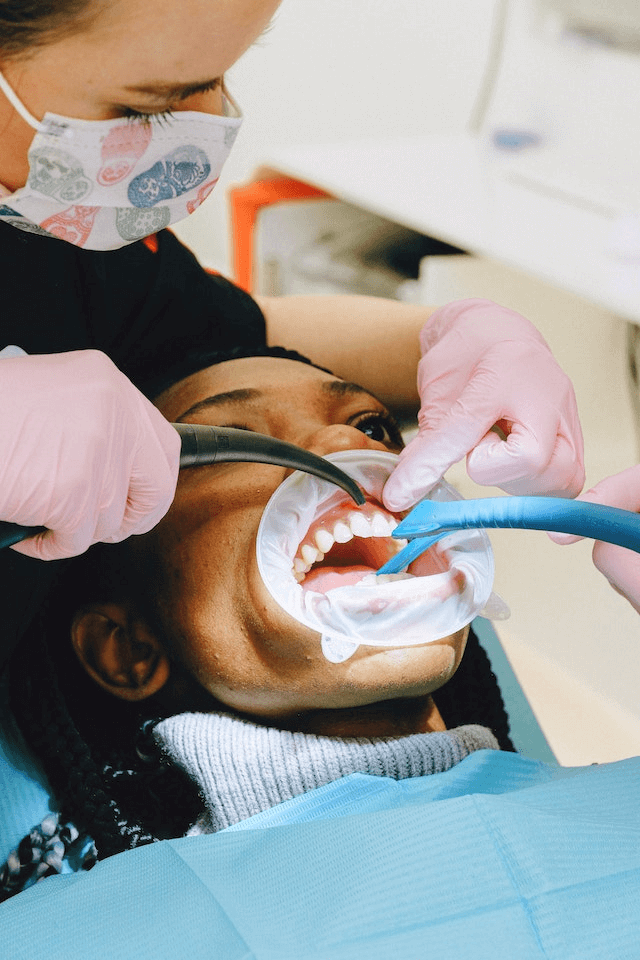
We take you through common dental and oral health-related injuries and explain the first-aid steps you can take.
Being able to give basic dental first aid is a valuable skill that could mean you save a tooth. Read on to know more.
1. Toothache
Toothache can be a dental emergency when it becomes extremely painful. In addition, it can signify several dental issues, some of which may be serious, so it’s crucial to take action.
The first step is to see if the food stuck between your teeth is causing the toothache. Next, rinse your mouth with warm water and floss gently to dislodge any debris stuck there.
You can also take over-the-counter medication to relieve the pain. If your toothache persists, make an emergency appointment with your dentist.
2. Swelling around your face or mouth
Sudden swelling around your face or mouth can be painful and indicate an infection or abscess in the gum.
It would be best if you made arrangements to see your dentist as soon as possible, as infections in the mouth can spread around your face and throughout your body, posing a serious risk to your health.
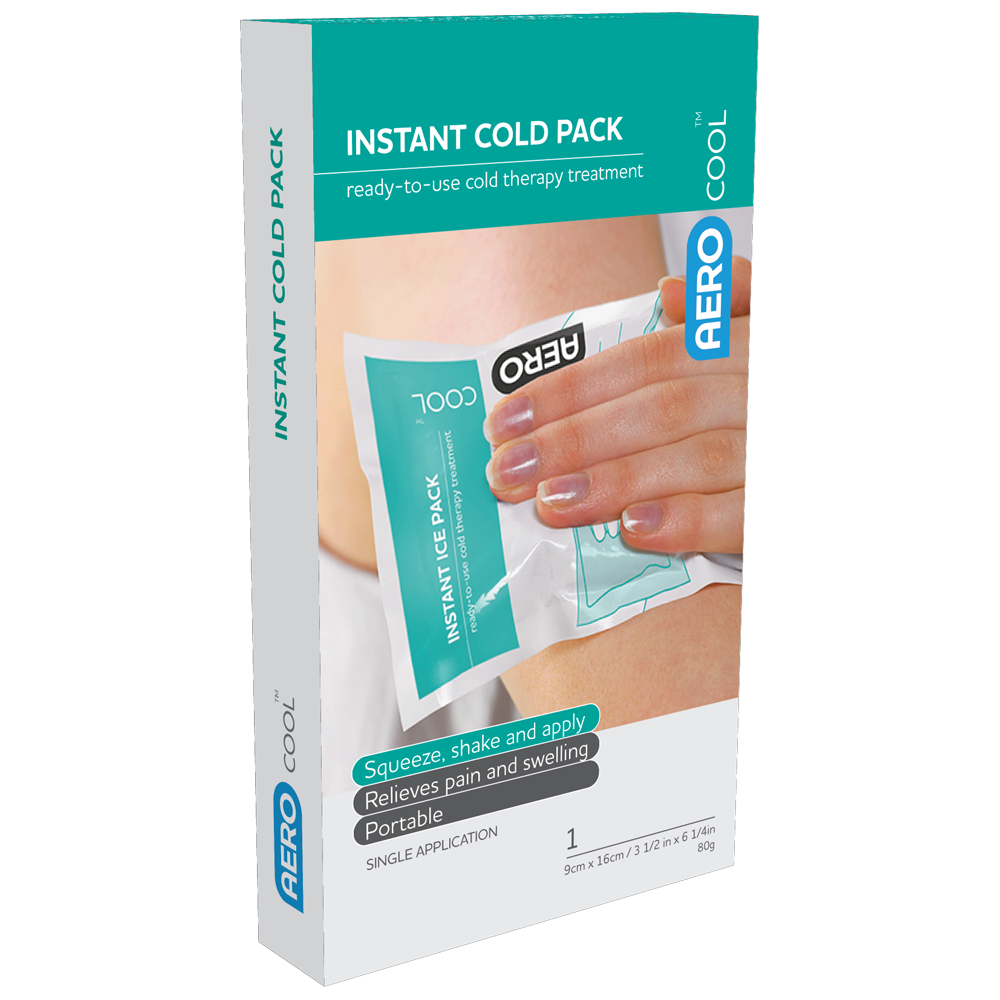
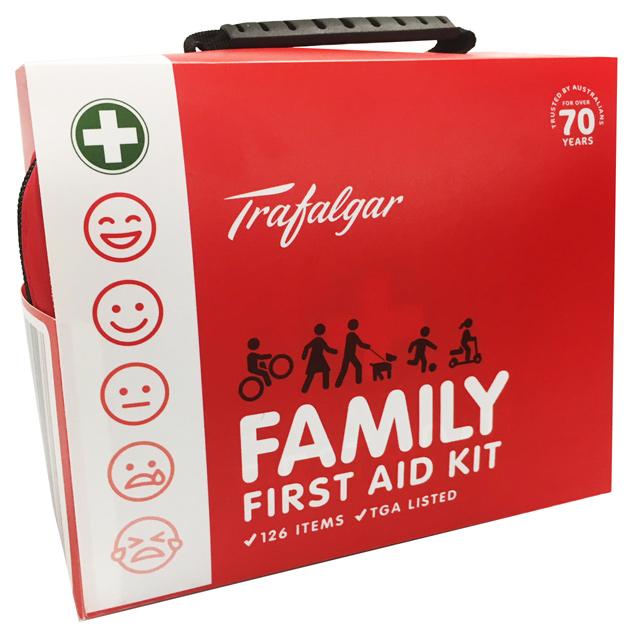
In the meantime, you can apply a cold compress or ice pack, which you can find in your standard first aid kit, to the outside of your cheek to relieve discomfort.
3. Broken, cracked or chipped tooth
Breaking, cracking or chipping a tooth is one of the most common dental emergencies.
For a chipped tooth, contact your dentist for a regular appointment. In the meantime, take care while eating so that further damage doesn’t occur.
If your tooth is broken or cracked, rinse your mouth with warm water and put ice on the affected area. Keep any broken bits of tooth and take them with you to the dentist — you will need an emergency appointment.
4. Fully knocked-out tooth
If your tooth has been completely knocked out, you should pick it up carefully by the crown (this is the top part of the tooth). Avoid touching the root. Try to position it back in its socket very gently. If you can’t do this, keep it inside your cheek, next to your gum, or in a small container filled with milk.
You must see an emergency dentist in this case, preferably within an hour of your tooth being knocked out to maximise the chances of preserving it.
5. Loose tooth
A loose tooth is another common dental emergency. Try to put it back to its original position using light pressure.
You can take over-the-counter medication for pain relief and apply ice to the affected area.
Make a call to your dentist to get an emergency appointment
6. Bleeding from the mouth
If you cut yourself inside the mouth, whether inside your cheek, tongue, gums, or the roof of the mouth, you may experience heavy bleeding as there are lots of blood vessels in that area.
You should rinse your mouth out and try to remove any debris you can see with clean hands.
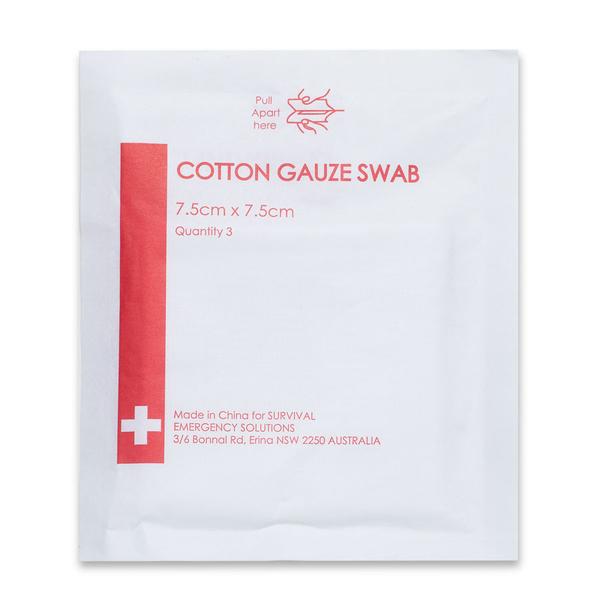
Next, try to manage bleeding by pressing a clean gauze pad to the wound and keeping it there until the bleeding stops.
You should seek medical help if:
- The bleeding doesn’t stop after 10 minutes
- The cut is particularly big or deep
- The cut was caused by a bite from another human or an animal
- The cut was caused by rusty metal
- The edges are jagged
- There is debris still in the cut
- The cut or surrounding area appears infected, for example: if it’s warm, red or oozing fluid
7. Fractured jaw
Your jaw can get fractured due to a blow to the area. Symptoms can include:
- Sudden pain
- Swelling
- Difficulty breathing
- Numbness in the lower lip or chin
- Your upper and lower teeth not meeting when you bite (malocclusion)
- Difficulty moving your jaw
- Bruising or bleeding in the area
- Misaligned teeth
This is what you should do if you suspect a fractured jaw:
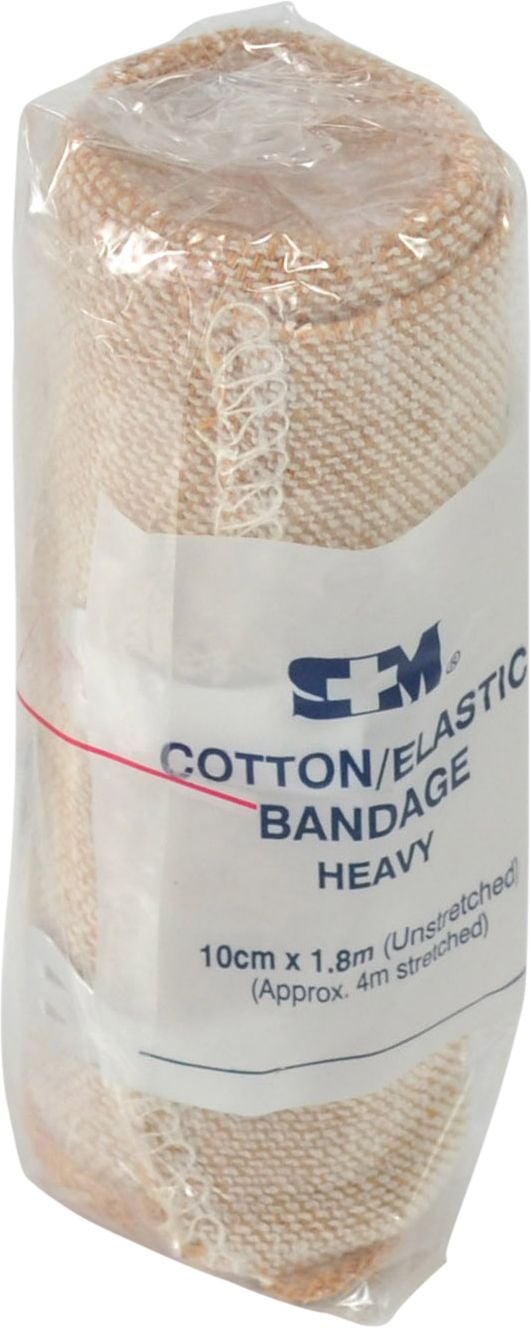
- Avoid moving the jaw. You can tie a scarf or bandage around the head and jaw to restrict movement
- Go to your nearest hospital emergency department for help
Be prepared for dental emergencies
Being prepared for all kinds of first aid emergencies, including those relating to your dental and oral health, means you can deal confidently with them when they occur.
And as well as knowing basic skills, make sure you have a dental first aid and dental emergency kit at home.
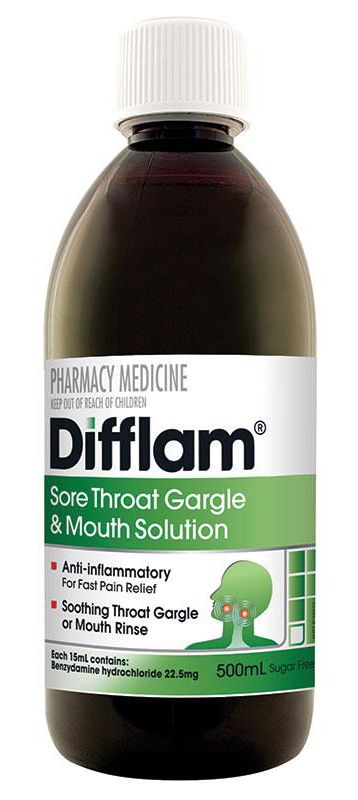
You’ll find some of the items mentioned, like ice packs, gauze and bandages, in the MediBC online shop — we stock a wide range of quality first aid kits and supplies for speedy delivery throughout Australia.
You can also learn more about dental first aid in this guide, supplied by the Australian Dental Association — remember, a little knowledge goes a long way to preparing you for first aid emergencies, including dental ones!
Dental First Aid Essentials
Cold packs, mouth wash, gauze, and family kits to manage dental pain and mouth injuries at home.