


Quick answer: how to treat a burn
- Cool the burn under cool (not iced) running water for 20 minutes. This still helps for up to 3 hours after the burn.
- Remove clothing and jewellery near the burn, but leave anything stuck to the skin.
- Cover loosely with cling film, a clean plastic bag or a hydrogel burn dressing.
- Do not use ice, butter, oil, toothpaste or household creams, and do not break blisters.
- Call triple zero (000) for any burn bigger than the patient's palm, deep, on the face, hands, feet, joints or genitals, or any chemical or electrical burn.
On this page
Burns and scalds are among the most common household and workplace injuries in Australia, and the first few minutes matter more than almost any other treatment. Knowing the right burn first aid — and what to avoid — can reduce pain, limit scarring and tell you when an injury needs emergency care. This guide covers how to treat a burn step by step, the degrees of burns, burn blister care, and when to call for help.
How to treat a burn: step by step
For a minor burn or scald, follow these steps. They align with Australian and New Zealand Committee on Resuscitation (ANZCOR) burns first aid guidance.
- Ensure safety. Stop the burning — move the person away from the heat source, smother flames, or flush away chemicals. Mind your own safety with electrical and chemical burns.
- Cool the burn. Hold the area under cool running water for 20 minutes. Tap-temperature water is ideal — never use ice or iced water, which can deepen the injury. Cooling still helps for up to 3 hours after the burn.
- Remove clothing and jewellery from the affected area while cooling, but do not pull off anything stuck to the skin.
- Cover the burn once cooled — loosely with cling film, a clean plastic bag, or a hydrogel burn dressing. Do not wrap tightly.
- Manage pain and keep warm. An over-the-counter pain reliever such as paracetamol can help. Keep the rest of the person warm, and raise the burnt limb if you can to reduce swelling.
- Decide if further help is needed — see the emergency signs below.
Cooling a burn with running water for 20 minutes is the single most effective first aid step — and it still works up to 3 hours after the injury.
Shop burn treatments →
View burns first aid kit →
The degrees of burns: first, second and third degree
Burns are classified by how deep they go. Knowing the difference helps you judge how serious a burn is and whether it needs medical care.
| Degree | Depth | Appearance | Pain | First aid |
|---|---|---|---|---|
| Superficial (first degree) | Top layer of skin only | Red, dry, no blisters | Painful | Cool 20 min; usually heals at home |
| Partial thickness (second degree) | First and second skin layers | Dark red, or red and white; blisters | Very painful | Cool 20 min, cover; seek advice if larger than a palm |
| Full thickness (third degree) | Through the skin to the fat below | White, brown or charred; dry, leathery | May feel little pain (nerve damage) | Call 000 immediately; cool and cover while waiting |
Burns vs scalds: what's the difference
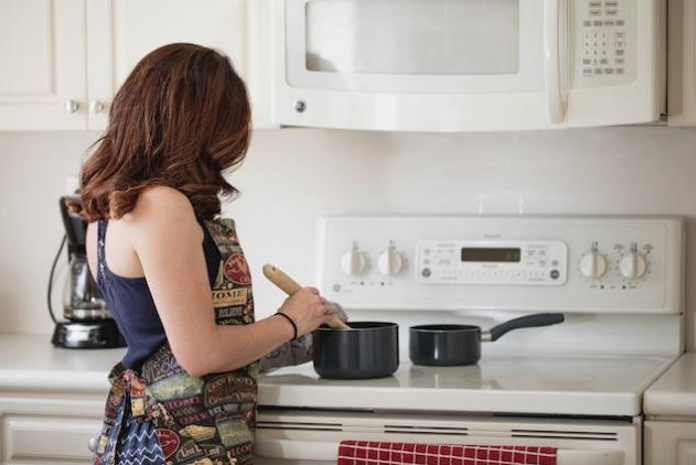
A burn is an injury caused by dry heat, the sun, electricity or chemicals — for example fire, a hot stove or a hair straightener. A scald is a burn caused by wet heat, such as steam, hot water or hot drinks. The first aid is the same: cool with running water, cover, and watch for the emergency signs below. Common causes include spilled hot drinks, bath water that is too hot, cooking splashes, contact with chemicals like bleach, and faulty electrical appliances.
Burn blister: should you pop it?
No. Leave a burn blister intact. The blister is a sterile cover that protects the wound underneath and lowers the risk of infection. Breaking or peeling it exposes raw skin to bacteria. If a blister is large, in an awkward spot, or breaks on its own, cover it with a non-stick dressing and see a pharmacist or doctor rather than deroofing it yourself.
What to put on a burn — and what never to
After cooling, the safest cover for a fresh burn is cling film, a clean plastic bag or a purpose-made hydrogel burn dressing such as a Burnaid pad, which keeps cooling and soothing the area. A pharmacist can advise on dressings and pain relief.
Never apply ice or iced water, butter, oil, toothpaste, egg white or household moisturisers and creams to a fresh burn. These can trap heat, introduce infection or interfere with healing. Once a minor burn has fully cooled, healed and closed over, ask a pharmacist before using any topical product.
Shop hydrogel burn dressings →
When a burn needs 000 or a doctor
Call triple zero (000) or go to your nearest emergency department if the burn:
- Is larger than the size of the patient's hand
- Is deep, or has caused charred, white or leathery skin
- Is on the face, neck, hands, feet, joints or genital area
- Is caused by chemicals or electricity
- Comes with other injuries, or with signs of shock — cold, clammy or sweaty skin, shallow or rapid breathing, dizziness or weakness
Also seek medical attention if the person has inhaled smoke, is under 10 or elderly, has a condition such as diabetes or heart, lung or liver disease, or has a weakened immune system (for example from chemotherapy). When in doubt, get it checked.
★ 4.9 verified customer ratingAustralian-owned first aid supplierTrusted by workplaces, schools and clinics
Burn first aid kit essentials
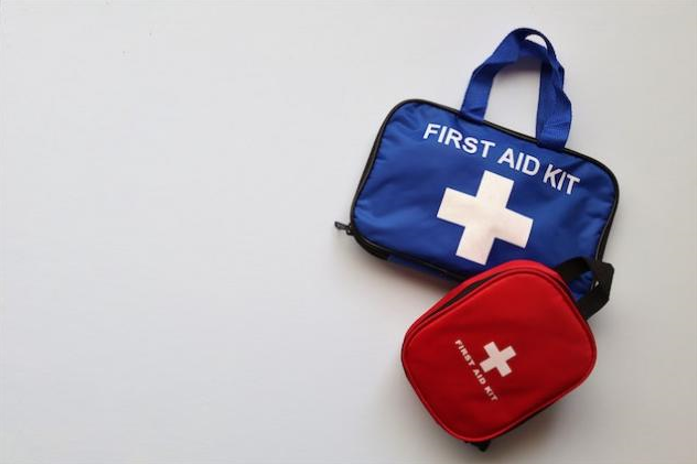
Being prepared turns a stressful moment into a calm, quick response. A well-stocked first aid kit — whether a general purpose kit or a dedicated burns first aid kit — means the right dressings are on hand when you need them. Check your kit regularly so contents are in date and complete.
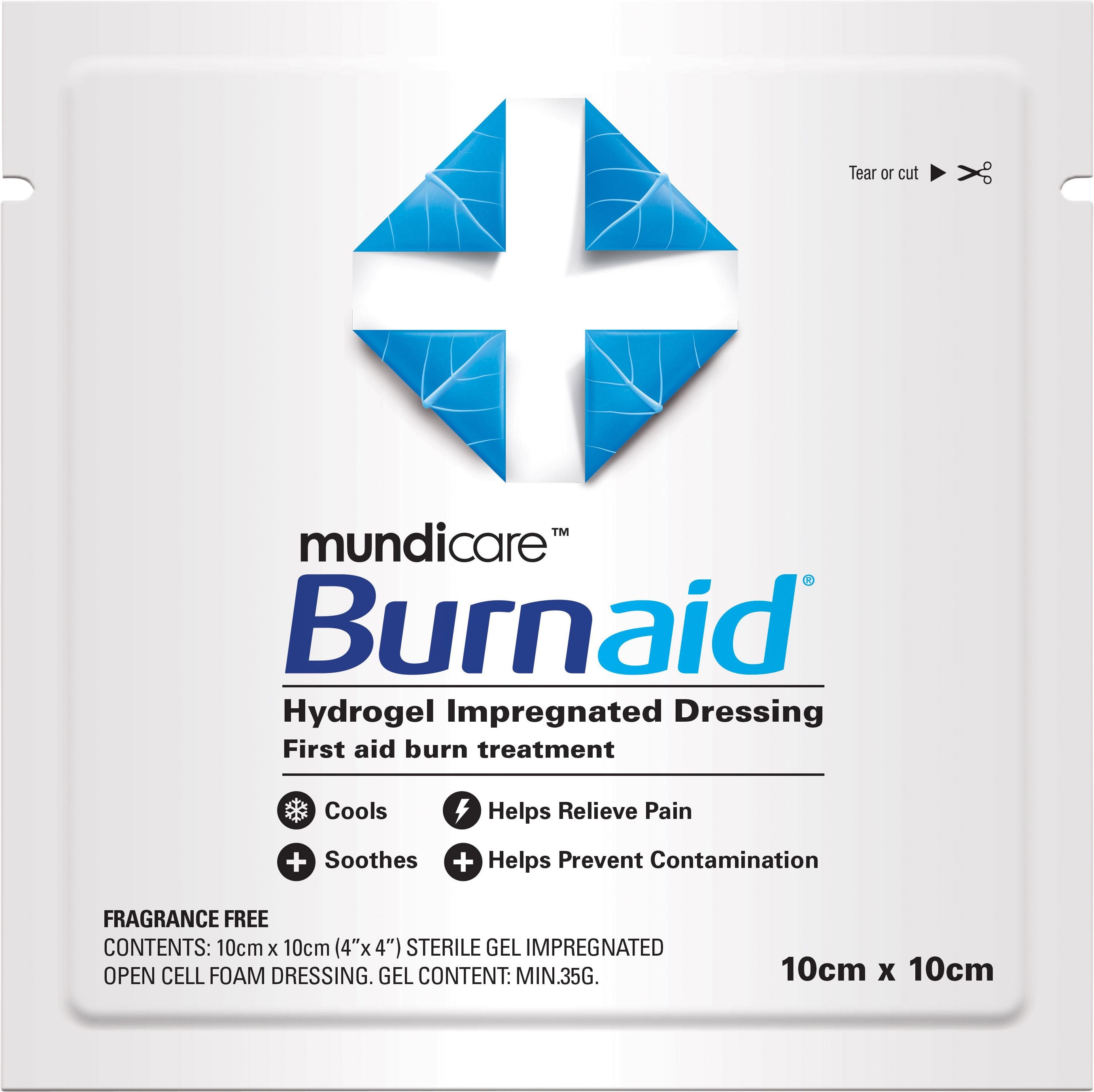
Burnaid Gel Dressing PadHydrogel burn pad that cools and soothes burns fast.Shop now →
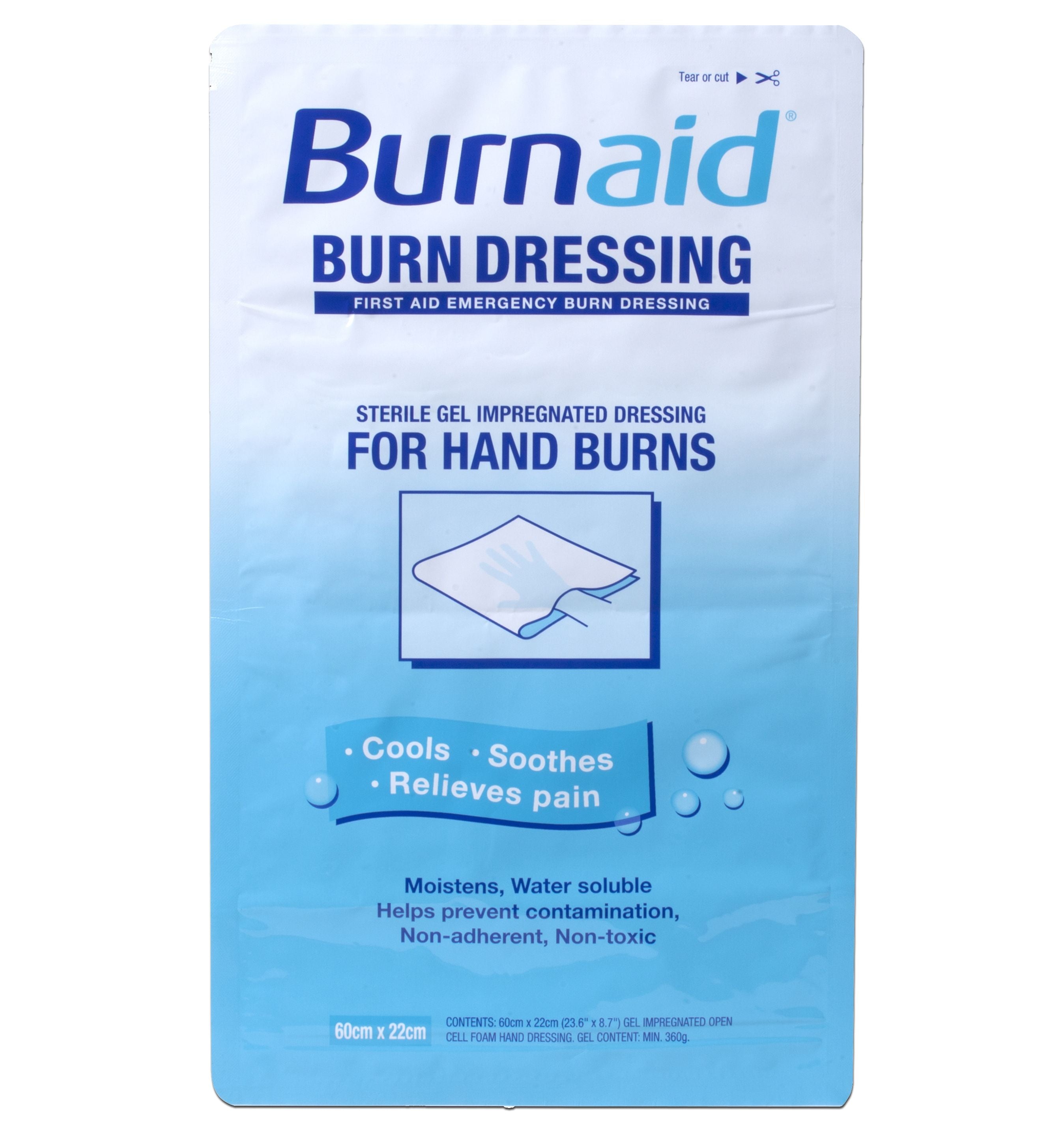
Burnaid Hand DressingHydrogel dressing sized and shaped for hand burns.Shop now →
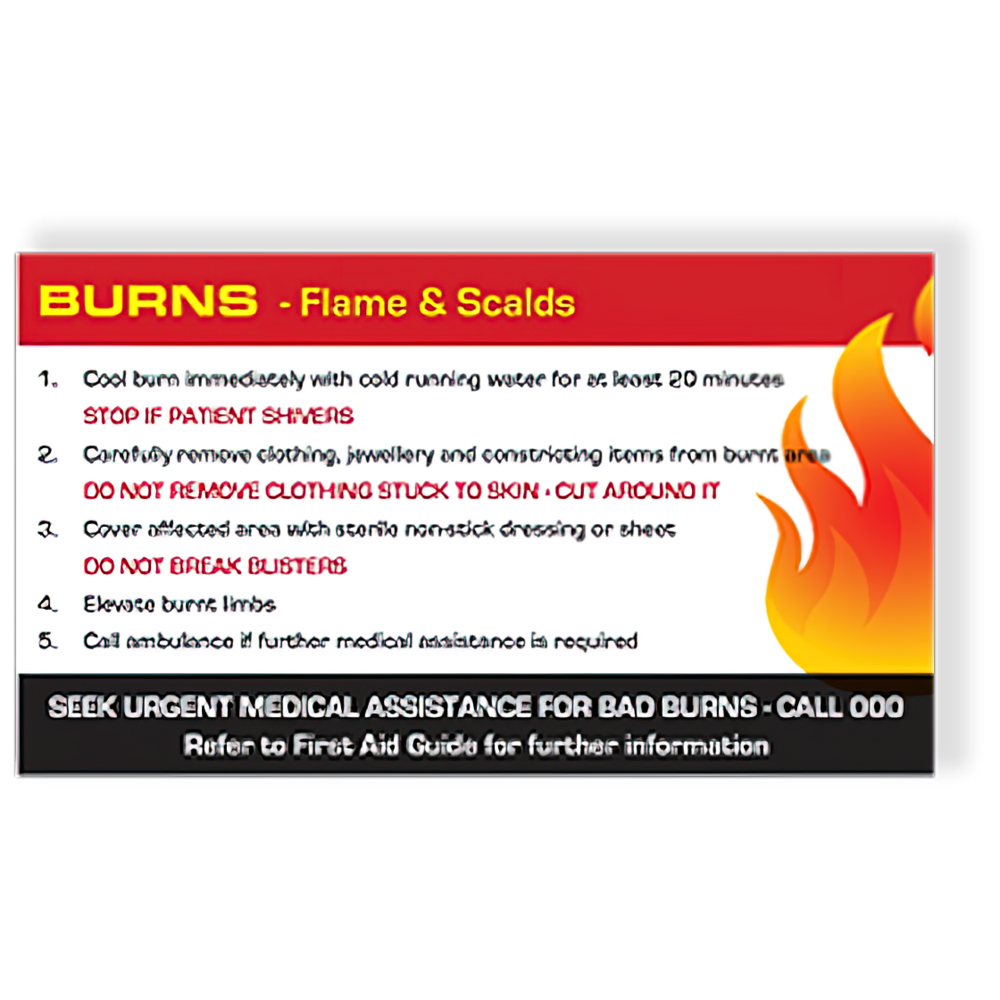
Aeroguide Burns First Aid CardPocket reference card for fast, calm burn first aid.Shop now →
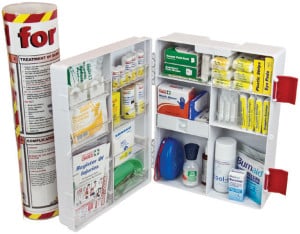
Burns Wall-Mount KitBurns-specific wall-mounted kit for workplaces.Shop now →
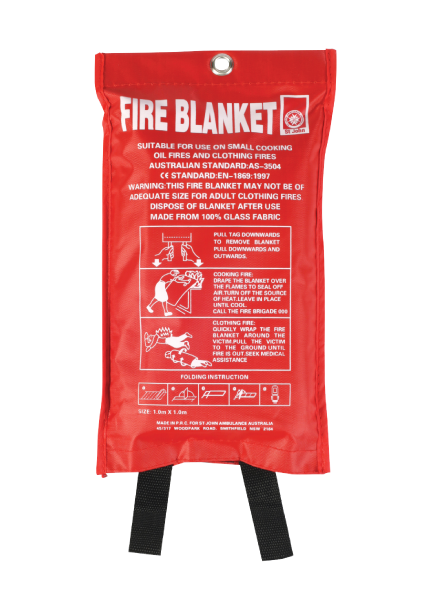
Fire BlanketReliable everyday fire blanket for home and office.Shop now →
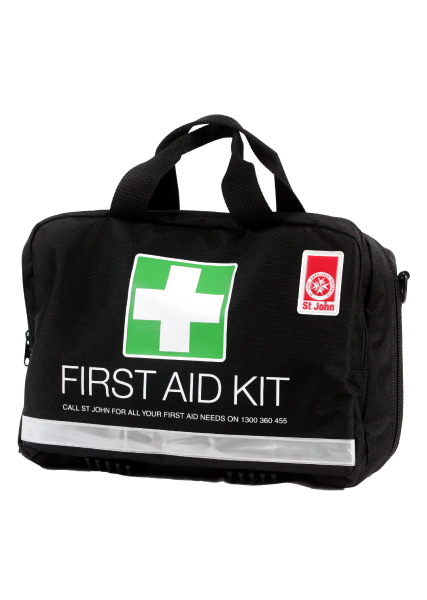
General Purpose KitAll-purpose kit for home, garage, shed and workplace.Shop now →
For broader emergency preparedness, see our guides on the DRSABCD action plan and first aid for bites and stings, and food poisoning treatment. You can also read more on treating burns and scalds at healthdirect.
Burns first aid: frequently asked questions
How long should you run a burn under water?
Cool a burn under cool running water for 20 minutes. This is the most effective first aid step and still helps for up to 3 hours after the burn. Use tap-temperature water — never ice or iced water.
What should you put on a burn?
After cooling, cover the burn loosely with cling film, a clean plastic bag, or a hydrogel burn dressing. Do not apply butter, oil, toothpaste or household creams to a fresh burn.
Should you pop a burn blister?
No. Leave a burn blister intact — it protects the wound and reduces infection risk. If it is large or breaks on its own, cover it with a non-stick dressing and see a pharmacist or doctor.
What are the three degrees of burns?
Superficial (first degree) affects the top layer of skin only. Partial thickness (second degree) reaches deeper layers and blisters. Full thickness (third degree) goes through the skin to the fat below and needs emergency care.
When should a burn go to hospital?
Call 000 for any burn larger than the patient's palm, deep or charred burns, burns to the face, hands, feet, joints or genitals, and all chemical or electrical burns. Also seek help for smoke inhalation, young children, the elderly, or anyone with a chronic illness or weakened immune system.
Sources
- Australian and New Zealand Committee on Resuscitation (ANZCOR), Guideline 9.1.3 — Burns.
- healthdirect Australia — Burns and scalds.
- Royal Children's Hospital Melbourne — Burns first aid.
General information only. This guide is not a substitute for professional medical advice or accredited first aid training. In an emergency, call triple zero (000).