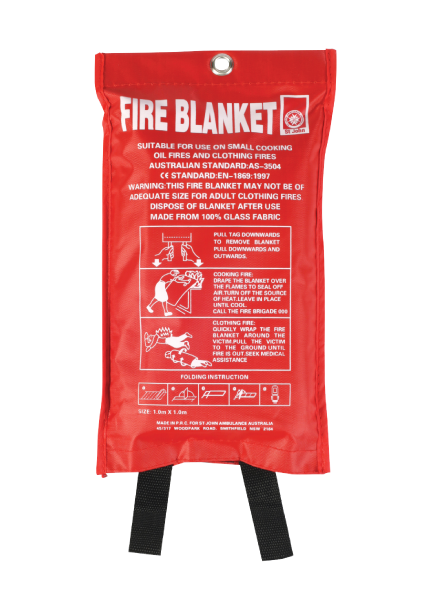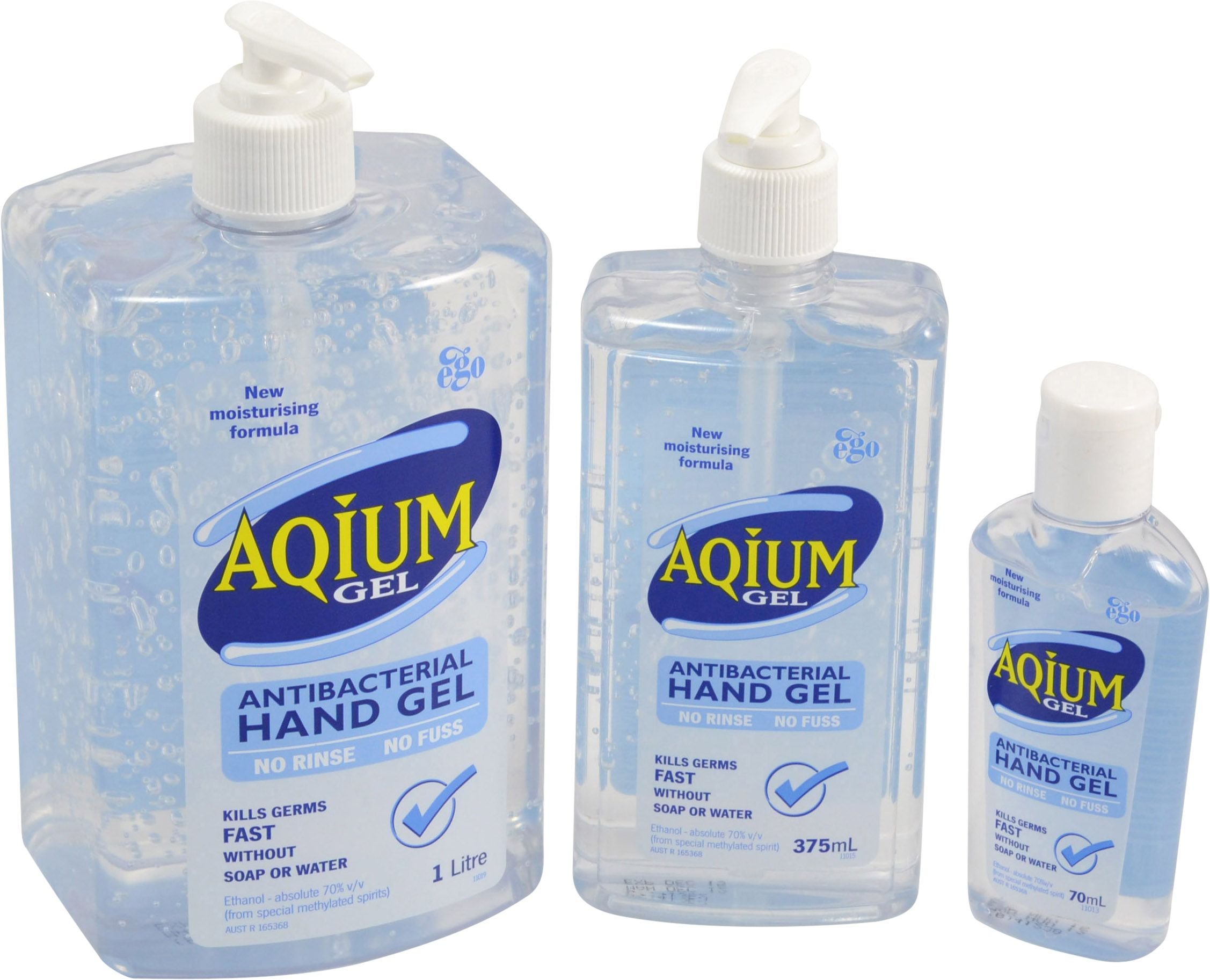


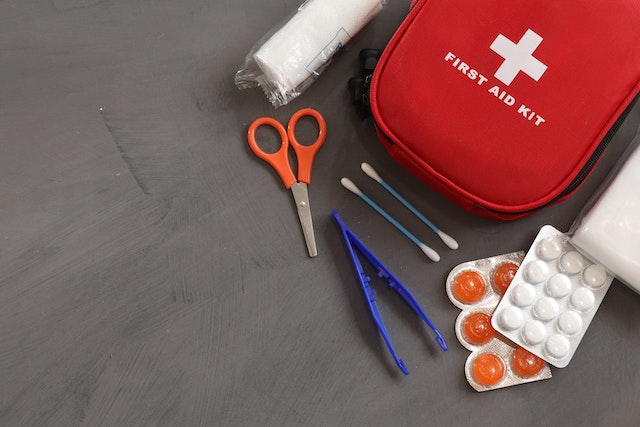
Flood season is upon us, so it makes sense to prepare for their effects.
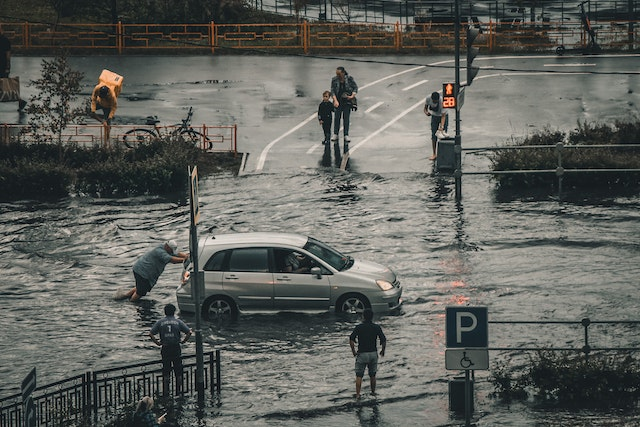
In this post, we’re going to take you through common accidents, injuries and first aid during floods.
You’ll also find out what you need in your first aid kit so you can stock up on those essentials.
What’s the current situation in Australia?
Australia experienced major floods in 2022, with nearly every part of the country affected.
And the flood situation in Western Australia, triggered by the “Ellie” weather system, is ongoing, with the Kimberley area being one of the worst hit.
While the severe weather had receded at the time of writing this article (13 January 2023), many communities remain devastated by the water levels and damage to property.
According to the Bureau of Meteorology, the tropical cyclone season occurs from 1 November to 30 April, so there could be more bad weather in store.
That’s why we’ve written this article — knowing what to do in a flood situation in advance will help you respond quickly and confidently in an emergency.
Flood-related accidents and injuries and how to treat them
A flood can be dangerous, not just because of excess water but also because of the damage it can cause. It may trigger power outages, damage to property and infrastructure and even landslides. These all increase the risk of accident and injury.
Read on to learn more about some of the common first aid situations you may find yourself in.
Bleeding
Broken glass or other materials can be a risk for wounds. To treat someone who is bleeding:
- Use a sterile pad or other clean material to apply pressure to the wound. Then, apply a bandage to keep the pad or dressing in place.
- For severe bleeding, hold the wound together with your or the patient’s hand.
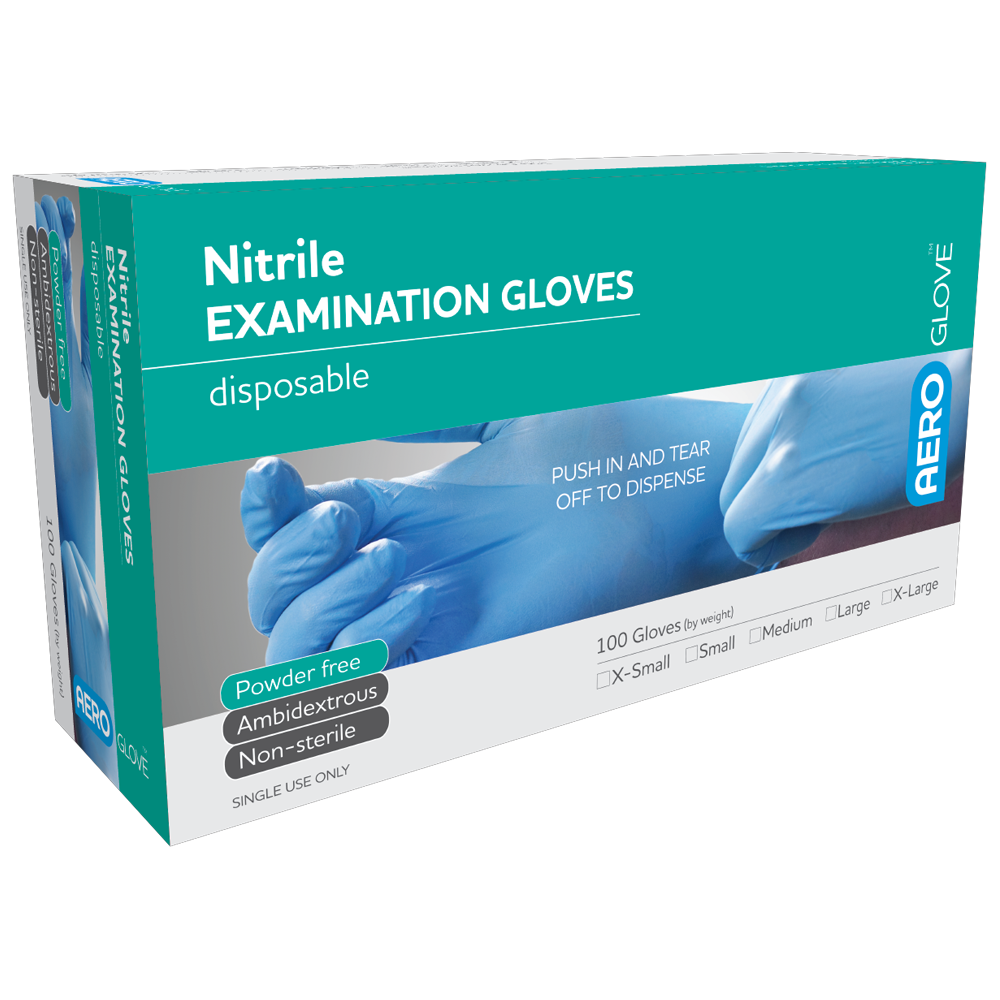
- Use disposable gloves if you have them available to avoid contact with the patient’s body fluids.
- Raise the injured area to reduce blood flow.
- If there is a foreign body in the wound, do not attempt to remove it. Apply padding on either side and hold it in place with a bandage to take pressure off the foreign body.
- Get the patient to rest.
- Dial triple zero (000) for help if the bleeding is severe or the patient appears unwell.
Sprains and fractures
Trips, slips and falls are also common during the devastation created by floods.
Sprains are soft tissue injuries that don’t involve the bone. This is what to do if someone has a sprain:
- Use the RICE acronym to help you: rest, ice, compression, elevation.
- Get the patient to rest in a comfortable position.
- Apply an ice pack for up to 20 minutes at a time to ease pain and swelling.
- Use a compression bandage — but only if it is comfortable to do so.
- Elevate the affected area.
- The patient should see a doctor if they are in a lot of pain or if there is no improvement after two days.
A fracture can be closed (where there is no break in the skin) or open (if the bone has broken the skin or there is a wound along with the fracture). You should always seek medical help for suspected fractures. This is what you can do while you are waiting for help:
- Control any bleeding.
- Immobilise the injured area in a comfortable position.
- Make the patient comfortable until you reach a hospital or help arrives.
Drowning
Drowning can be a real risk during floods. If you see someone who appears to be drowning:
- Do not put yourself in danger to rescue them. Call triple zero (000) for emergency services.
- If they get out of the water safely before help arrives, you can assess them using the DRSABCD method:
- Danger: Check for danger.
- Response: See if they are responsive. If not, get them help as soon as possible.
- Send: Send for help if you haven’t already done so. This means calling triple zero (000) and finding other people nearby who can help you.
- Airway: Check that the person’s airway is open and clear.
- Breathing: Check to see whether they are breathing.
- CPR: if the affected person isn’t breathing, start CPR (cardiopulmonary resuscitation). If you don’t know how to do this, the emergency call operator will talk you through it.
- Defibrillation: If you can find a defibrillator nearby, follow the instructions to get the person’s heart beating back to its normal rhythm again.
What do I need in my first aid kit for floods?
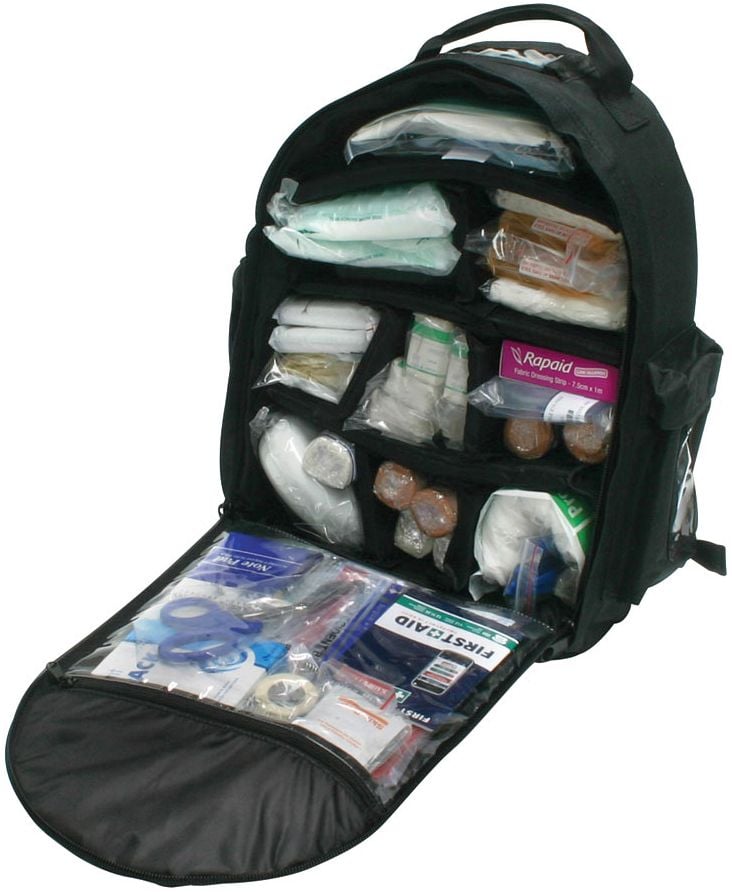
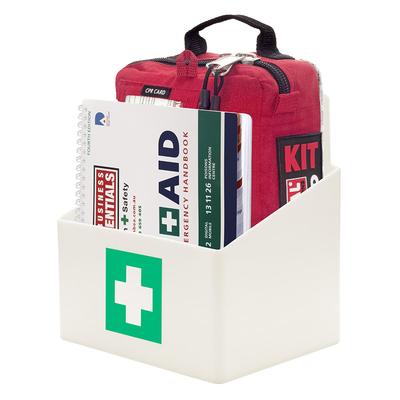
If your area is likely to flood, it makes sense to not only know about first aid for floods but also to have the right kit available.
Choose one that includes:
- Disposable gloves
- Sterile dressings
- Bandages, including a pressure or compression bandage
- Ice pack
- Saline solution
- CPR card
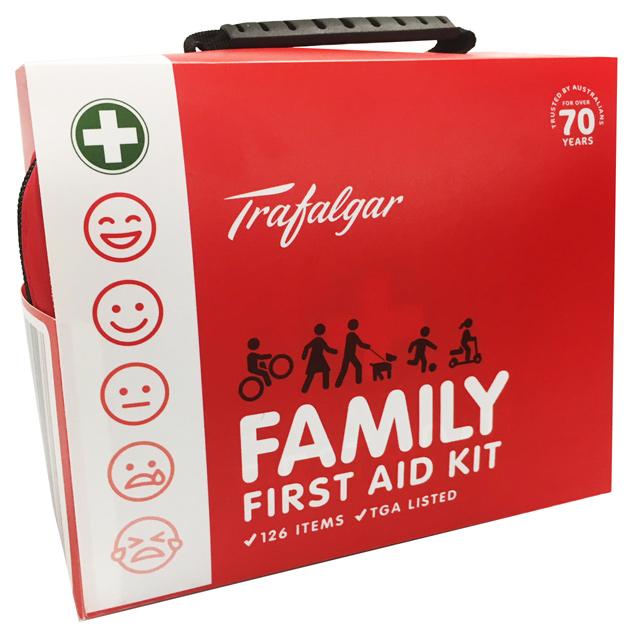
A well-stocked family first aid kit should contain all these items and more so that you are as prepared as you can be if floods hit your area.
Don’t be taken by surprise by floods
If floods are a risk in your area, don’t be taken by surprise.
Prepare yourself as much as you can by learning some first aid skills.
You can also browse the MediBC collection of first aid kits and get stocked up with everything you need to refill them.
Remember, it’s always better to be prepared before an emergency happens so you can deal with it confidently — and as a supplier of quality first aid kits and supplies, MediBC is with you all the way!
Flood & Disaster First Aid Essentials
Trauma kits, family kits, fire blankets, and gloves to grab when floods strike.