


Reviewed by the Medibc First Aid Team — last updated May 2026.
While we head into summer, it’s good to know what to do to help someone with heat exhaustion or heat stroke.

We explain the difference between the two conditions and how you can treat them with first aid.
In this article, we’ll also offer some additional tips on enjoying the summer safely.
Rehydration is key after heat illness — electrolyte drinks such as Sqwincher Qwik Stiks help replace fluids and salts lost through heavy sweating.
What is heat exhaustion?
Heat exhaustion is a condition caused by losing too much water and salt from the body. This can typically happen when you are sweating a lot in high temperatures and not drinking enough to replenish the liquid you are losing.
Symptoms of heat exhaustion include:
- Weakness
- Excessive sweating
- Weak and fast pulse
- Nausea and/or vomiting
- Cold, clammy and pale skin
This is how to treat heat exhaustion:
- Move the patient to a shaded, cool place.
- Remove any excess layers of clothing.
- Get them to take a cool shower.
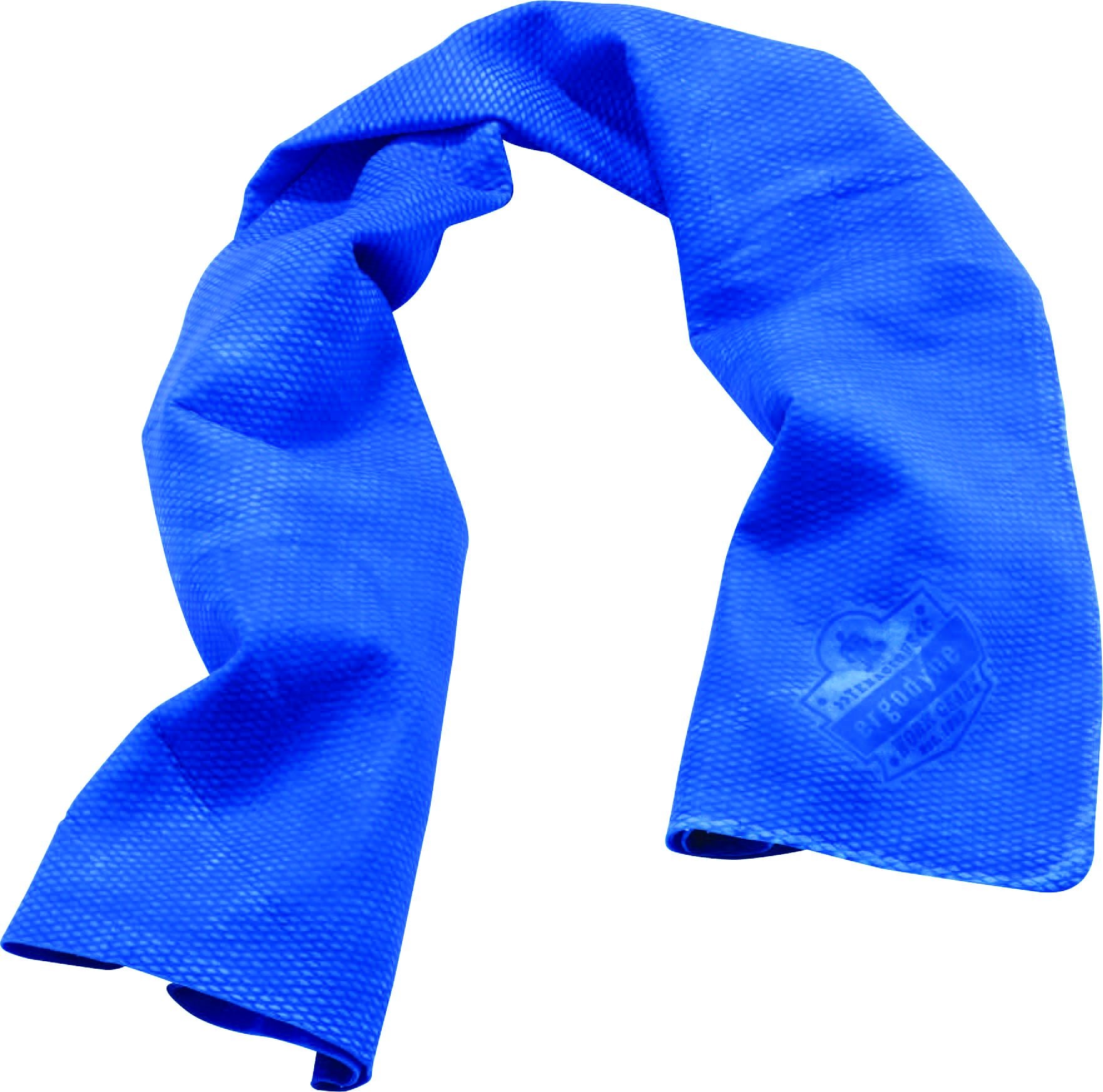
- Offer cooling products for comfort.
- Get the patient to rest.
- Rehydrate with water or a rehydration solution. Learn the signs of dehydration to watch for.
- Get help from a healthcare professional if vomiting is persistent or you are worried about the patient.
What is heat stroke?
Heat stroke is considered a medical emergency and is caused by your body overheating. This can happen if you have been outside for a long time or have done strenuous physical exercise in high temperatures.
Symptoms of heat stroke include:
- High body temperature above 40 degrees Celsius
- Rapid, strong pulse
- Nausea and/or vomiting
- Confusion
- Loss of consciousness
- Hot red skin, which can be moist or dry
If left untreated, heat stroke can harm your muscles, heart, kidneys or muscles — that’s why it’s important to recognise the signs and get help straight away.
Heat stroke first aid involves:
- Moving the patient into a shaded or indoor area
- Removing excess clothing
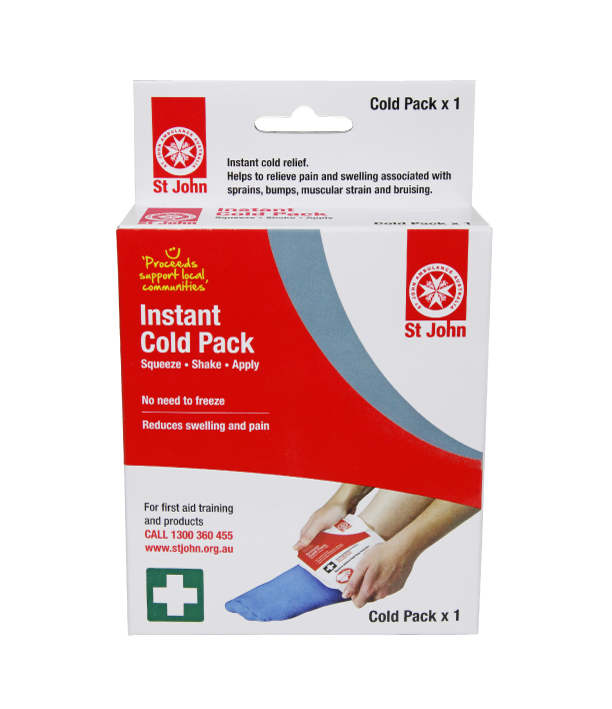
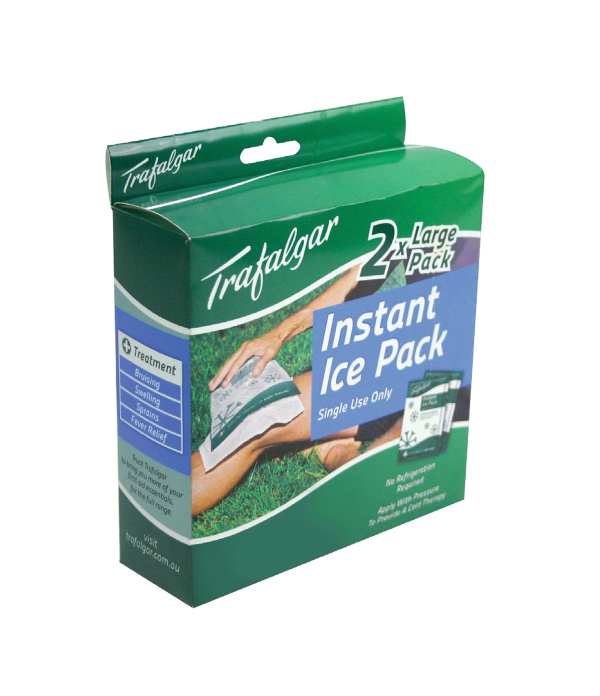
- Cooling the patient down by giving them a cool shower, sponging them down or using ice packs
- Dialling triple zero (000) for help
How to avoid heat exhaustion and heat stroke
Heat exhaustion and heat stroke are unpleasant conditions, and heat stroke can have serious and lasting consequences if left untreated.
Know that there are steps you can take to avoid both heat exhaustion and heat stroke:
- If you experience a sudden heat wave or increase in temperature in your area or while you are travelling, limit your activity until you acclimatise.
- Don’t wear too much clothing in high temperatures.
- Take breaks if you are working or exercising outdoors.
- Keep hydrated with water, squash and juice.
- Avoid or limit your consumption of alcohol, which has a dehydrating effect.
- If you take certain medications, such as diuretics that get rid of sodium and water from your body, take extra care. Consult your doctor to know whether your medication can affect your body’s ability to stay hydrated and safe in hot weather.
- Wear a wide-brimmed hat, sunglasses and sunblock if you are venturing out in hot and sunny weather to protect you from overheating and guard against skin cancer.
- Stay inside during the hottest part of the day, from 11 a.m. to 3 p.m.
- Never leave anyone or a pet in a parked, closed car — the temperature can become very hot incredibly quickly.
- Children under the age of four and adults over 65 should take extra care in elevated temperatures.
- You should also take extra care if you are overweight or obese, as your body will retain more heat.
More tips to enjoy hot weather safely
You can enjoy the warmer weather safely by taking some additional precautions:
- Always carry a water bottle with you.
- Plan ahead so you don’t have to be outside during the hottest part of the day.
- Keep curtains and blinds closed to block out the sun.
- Wear light, loose clothing made from natural fibres such as linen and cotton. This also helps prevent heat rash.
- Keep up-to-date with weather and news reports to know what temperatures to expect.
- Check in on neighbours and family members during hot weather to make sure they’re OK.
Enjoy the summer safely
The summer is here for you to enjoy. But make sure you do it safely by following our hot weather tips to avoid heat exhaustion and heat stroke.
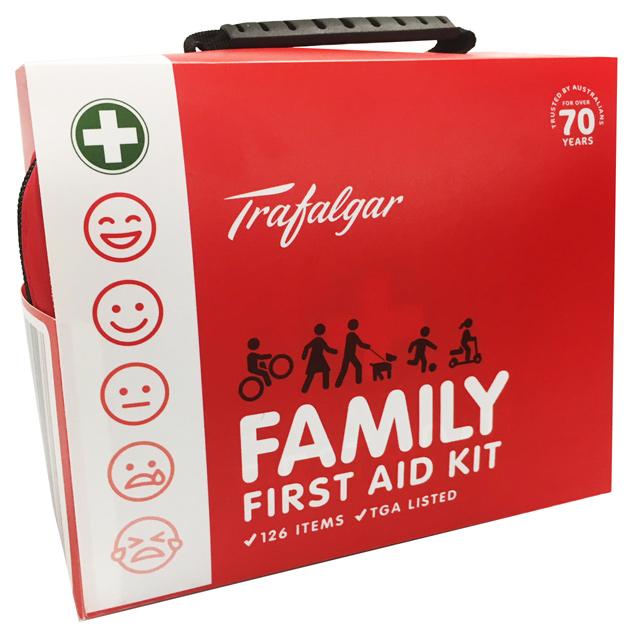
It’s also a good idea to have a fully stocked first aid kit at home or in your car so you can help anyone affected by the heat.
Discover the MediBC range of first aid kits, all designed to keep you and your family safe.
We also stock first aid supplies so you can keep your kit topped up with items like ice packs and cooling products ahead of the summer season.
Make your fully stocked first aid kit your summer must-have item this season!
Heat Stroke & Heat Exhaustion Essentials
Cooling towels, instant cold packs, and electrolyte ice blocks for heat emergencies.

Frequently asked questions
What is the difference between heat exhaustion and heat stroke?
Heat exhaustion is the early heat illness stage - heavy sweating, weakness, headache, dizziness, nausea, cool clammy skin, body temperature usually under 40C. Heat stroke is a medical emergency - body temperature above 40C, dry hot skin (sweating may stop), confusion, loss of consciousness, possible seizure. Heat exhaustion can progress to heat stroke if untreated, so cool the person down at the first signs.
How do you cool someone with heat stroke quickly?
Call 000 first. Move the casualty to shade or air-conditioning. Remove excess clothing. Cool aggressively: pour or spray cool water on the skin, apply ice packs to neck, armpits and groin, use a fan to increase evaporation, immerse in cool water if available. Continue cooling until paramedics arrive or body temperature drops below 38.5C. Do NOT give cold drinks if the casualty is confused or unconscious - they could choke.
When should you call 000 for heat illness?
Call 000 immediately if the casualty has heat stroke signs: body temperature 40C+, confusion or altered consciousness, seizure, vomiting that prevents fluid intake, no improvement after 30 minutes of heat exhaustion cooling. Always call 000 for infants, elderly, anyone with chronic illness, or anyone who collapses in the heat. Heat stroke can cause organ damage within minutes - do not wait.
Sources: healthdirect.gov.au — Heatstroke and heat exhaustion, Safe Work Australia — Working in heat, St John Ambulance — Heat-induced conditions, Bureau of Meteorology — Heatwave.